Research Article · Volume 14, Issue 4, 18 September 2026 · Open Access
Physicochemical and Antioxidant Characteristics of Spent Laying Hen Satay Marinated with Ginger Extract and Honey
· · · ·
Affiliations & Notes ⌄
1Faculty of Animal Science and Technology, Universitas Brawijaya, Malang, Indonesia
2Animal Science Study Program, PSDKU Universitas Brawijaya, Kediri, Indonesia
3Department of Food Science, Faculty of Food Science and Technology, Universiti Putra Malaysia, 43400 UPM Serdang, Selangor, Malaysia. *Correspondence | Anif Mukaromah Wati, Animal Science Study Program, PSDKU Universitas Brawijaya, Kediri, Indonesia
Under the conditions of this single-batch study, the 20% ginger extract and honey marinade produced the highest WHC and the lowest maximum compression force.
The treatments significantly affected WHC, maximum compression force, and colour characteristics but did not significantly affect pH, water activity, moisture content, or fat content.
Selected from the article's own text.
Abstract
This study evaluated the physicochemical characteristics, antioxidant activity, and texture improvement of satay, a Southeast Asian meat product consisting of seasoned or marinated meat grilled on skewers, prepared from spent laying hens. The meat samples were marinated with ginger extract and honey at concentrations of 10%, 15%, and 20% for 4 h at approximately 4°C before being processed into satay. A single pooled meat batch was divided into sixteen 100-g portions and allocated to four treatments, with four technical processing replicates per treatment. The parameters analysed included pH, water-holding capacity (WHC), water activity (aw), maximum compression force, colour (L*, a*, b*), moisture content, fat content, and antioxidant activity. Except for antioxidant activity, the data were analysed using one-way analysis of variance (ANOVA), followed by the appropriate post-hoc test. Antioxidant activity was evaluated descriptively using the 2,2-diphenyl-1-picrylhydrazyl (DPPH) radical-scavenging assay. WHC (P<0.01), maximum compression force (P<0.001), and colour (L*, b* P<0.01; a* P<0.05) attributes were significantly affected by the treatments, whereas pH, aw, moisture content, and fat content were not significantly (P>0.05) affected. The 20% marinade (P3) showed the highest DPPH inhibition and the lowest estimated half-maximal inhibitory concentration (ICâ‚…â‚€). Under the conditions of this single-batch study, the 20% marinade improved WHC, tenderness, and colour characteristics and showed the most favourable descriptive antioxidant response.
Spent laying hen meat refers to meat obtained from commercial egg-laying hens that have reached the end of their productive laying cycle, usually after approximately 95 weeks of age. Although this meat is a valuable protein source and contains relatively low fat, its utilization is often limited by its tough texture and lower consumer preference compared with broiler meat ; ; . Therefore, appropriate processing strategies are required to improve its technological and eating quality, particularly when it is developed into value-added products such as satay, a Southeast Asian dish, especially common in Indonesia and Malaysia, consisting of seasoned/marinated meat grilled on skewers, usually served with a sauce.
Marination is one of the common pre-processing techniques used to improve meat quality. This method involves soaking meat in a marinade solution to enhance tenderness, flavour, water retention, and other physicochemical characteristics . In meat products, marination can modify protein structure, influence water holding capacity (WHC), and improve texture through interactions between marinade components and muscle proteins. These effects are particularly relevant for spent laying hen meat, which contains more developed connective tissue and tends to have a firmer texture than broiler meat.
Ginger (Zingiber officinale) is a natural ingredient widely used in meat processing because it contains proteolytic enzymes, particularly zingibain. This enzyme can hydrolyse muscle proteins and connective tissue components, thereby contributing to meat tenderization ; . In addition, ginger contains bioactive compounds such as gingerol and shogaol, which may contribute to antioxidant activity and influence the physical quality of meat products. These compounds may also support water binding through their polar functional groups, thereby affecting WHC and texture.
Honey is another natural ingredient that can be used in marinade formulation. It contains sugars, mainly fructose and glucose, as well as phenolic compounds and flavonoids ; . The hygroscopic nature of honey may help retain moisture within the meat matrix, while its sugar content can contribute to colour development during heating through browning reactions. Therefore, honey has the potential to influence moisture retention, colour characteristics, and antioxidant properties of cooked meat products.
Previous studies have reported that ginger-based marinades can improve meat tenderness through proteolytic activity, particularly because ginger contains zingibain, a protease capable of hydrolysing muscle proteins and connective tissue components. Honey-based marinades have also been reported to contribute to water retention, colour development, and antioxidant properties due to their sugar content, humectant characteristics, phenolic compounds, and flavonoids. In addition, marination and grilling can influence physicochemical and antioxidant changes in cooked chicken meat products, including texture, colour, water retention, and antioxidant activity. However, most previous studies have focused on fresh meat, beef, broiler meat, or general cooked meat products, whereas limited information is available on the application of ginger extract and honey marinade in satay made from spent laying hen meat. Satay processing involves marination followed by grilling, which may influence texture, colour formation, water retention, and antioxidant activity. Therefore, applying ginger extract and honey to spent laying hen satay is relevant because this product requires both tenderization and quality improvement during heat processing.
The combination of ginger extract and honey as a marinade may provide complementary effects on spent laying hen satay. Ginger may contribute to tenderization through proteolytic activity, while honey may support water retention and colour formation. However, the combined application of ginger extract and honey in grilled satay products, particularly those made from spent laying hen meat, has not been sufficiently evaluated. Therefore, this study aimed to evaluate the effect of different concentrations of ginger extract and honey marinade on the physicochemical properties and antioxidant activity of spent laying hen satay, including pH, WHC, water activity (aw), texture, colour, moisture content, fat content, and antioxidant activity.
Materials and Methods
Study location and experimental design
The study was conducted at the Animal Product Technology Laboratory, Faculty of Animal Science and Technology, Universitas Brawijaya, Malang, Indonesia. The research activities included ginger extraction, marinade preparation, marination of spent laying hen meat, satay processing, and quality analyses. A single pooled batch of 1.6 kg spent laying hen breast meat was divided into sixteen 100-g portions. The exact number of birds contributing to the pooled meat batch was not recorded. Four portions were allocated to each treatment (P0, P1, P2, and P3) and processed separately. Therefore, the four portions per treatment were considered technical processing replicates rather than independent biological replicates.
Raw materials and ingredients
A total of 1.6 kg of skinless and visible-fat-trimmed breast meat from approximately 95-week-old Isa Brown spent laying hens was obtained from a traditional market in Malang City, Indonesia. The meat was pooled, cut into approximately 1 × 1 × 1 cm cubes, and divided into sixteen 100-g portions. Each portion was coded and randomly allocated using simple random allocation to one of four treatments, resulting in four technical processing replicates per treatment. The marination ingredients consisted of ginger (Zingiber officinale var. amarum) and commercial pure honey (TJ brand, Indonesia). The maturity stage of the ginger rhizomes was not recorded. Additionally, salt, soy sauce, and sesame oil were used as seasoning ingredients to enhance the flavour and overall acceptability of the satay. The botanical origin, moisture content, sugar composition, and antioxidant profile of the honey were not independently analysed in this study.
Materials and equipment
The equipment used for ginger extraction included knives, containers, cheesecloth, grater, dark glass bottles, and a digital balance (Taffware Digipounds I-2000, Taffware, China). The equipment used for marinade preparation included measuring cups, containers, and stirrers. The equipment used for satay preparation included bamboo skewers, a stove, a grill, and a digital thermometer (TP 101). The instruments used for quality analysis included a pH meter (ATC pH Meter), Rotronic HygroPalm water-activity meter (Rotronic, Switzerland), colorimeter (OEM CHNSPEC CS-10, CHNSPEC, China), oven (WT Binder, BINDER GmbH, Germany), Soxhlet extraction apparatus (Gerhardt Bonn, C. Gerhardt GmbH & Co. KG, Germany), analytical balance (OHAUS BC Series, OHAUS Corporation, USA), a texture analyzer equipped with a 6-mm-diameter cylindrical probe and operated using TXT 32 software, and UV-Vis spectrophotometer (UV-Vis 721).
Ginger extract preparation
Fresh ginger rhizomes were selected, peeled, washed under running water, and drained. A total of 200 g ginger was grated and mixed with 200 mL distilled water. The mixture was filtered using cheesecloth and stored in a dark glass bottle for 24 h at approximately 26°C to reduce exposure to light. The mixture was then filtered again to obtain approximately 300 mL ginger extract. This aqueous ginger filtrate was referred to as ginger extract in this study ; ; .
Marination and satay preparation
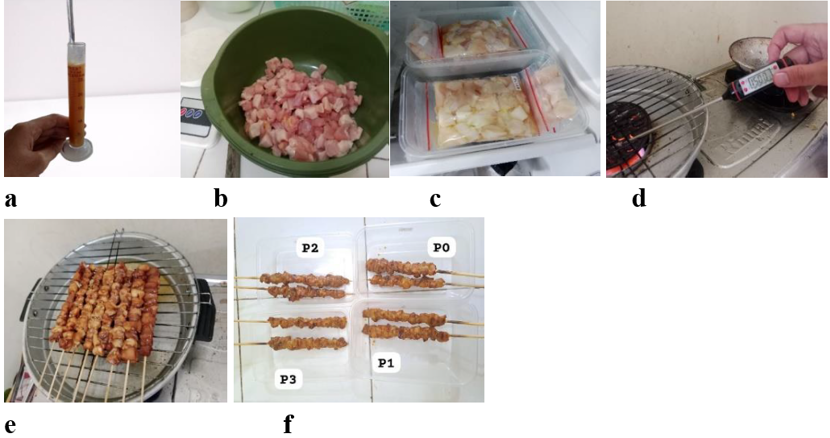
The marinade solution was prepared by mixing aqueous ginger extract and honey at a ratio of 2:1 (v/v). P0, P1, P2, and P3 received 0, 10, 15, and 20 mL of marinade per 100 g of meat, respectively. Each portion was placed in a separate plastic bag and marinated at approximately 4°C for 4 h. All treatments received identical amounts of salt (1 g), soy sauce (15 g), and sesame oil (4 g). After marination, the meat was skewered and grilled at approximately 150°C for about 10 min, with turning every 1 min, until the internal temperature reached 74°C. Figure 1, shows all steps of meat marination and satay preparation. The internal temperature was measured at the centre of the meat using a digital food thermometer (TP 101). Cooking loss was not measured in this study. The experimental layout and sample formulation are presented in Table 1.
Table 1: Experimental design and sample formulation of spent laying hen satay.
Treatment
Technical processing replicates (n)
Spent laying hen meat (g)
Marinade solution (mL)
Salt
1% (g)
Soy sauce
15% (g)
Sesame oil
4% (g)
P0
R1, R2, R3, R4
100
0
1
15
4
P1
R1, R2, R3, R4
100
10
1
15
4
P2
R1, R2, R3, R4
100
15
1
15
4
P3
R1, R2, R3, R4
100
20
1
15
4
Note: P0 = no marination; P1 = marination with 10% ginger extract and honey marinade; P2 = marination with 15% ginger extract and honey marinade; P3 = marination with 20% ginger extract and honey marinade. The percentage of ingredients was calculated based on the total weight of spent laying hen meat. Each treatment consisted of four separately processed 100-g portions obtained from one pooled meat batch.
Satay quality evaluation
pH
The pH measurement followed a modified method based on Shah et al. (2025). A 10 g chicken satay sample was weighed, finely chopped, and placed in a 500 mL beaker, then diluted with 10 mL distilled water. The pH meter was calibrated sequentially using buffer solutions at pH 7, 4, and 9, with the probe rinsed and dried between each step. After calibration, the probe was immersed in the sample solution, and the pH value displayed on the digital meter was recorded.
WHC analysis
Water-holding capacity (WHC) was determined following Szmańko et al. (2021), with slight modifications, using the filter-paper press method. A 0.30-g sample was placed on Whatman No. 42 filter paper and pressed between two glass plates under a 35-kg load for 5 min. The total wet area and the compressed sample area were traced, and the released-water area was calculated as the difference between the total wet area and the compressed sample area and expressed in cm². The total moisture content obtained from the corresponding technical processing replicate was used in the calculation. Two independent measurements were performed for each technical processing replicate, and their mean was used for statistical analysis. Released water, free water, and WHC were calculated as follows:
Figure 5.Figure 3.Figure 2.
Where; the released-water area was calculated as the total wet area minus the compressed sample area, and the sample weight was expressed in milligrams.
aw measurement
Water activity (aw) was measured following Tapia et al. (2020), with slight modifications, using a Rotronic HygroPalm water-activity meter equipped with a sealed sample chamber. The sample was placed in a clean, dry sample cup, inserted into the measurement chamber, and allowed to equilibrate until a stable reading was obtained. Two readings were obtained from each technical processing replicate and averaged before statistical analysis.
Texture analysis
Texture analysis was carried out following the method of Morey and Owens (2017) with slight modifications. Cooked satay samples were cut into uniform cubes measuring 2 × 2 × 2 cm. Each sample was placed beneath a cylindrical probe with a diameter of 6 mm and compressed twice at a probe speed of 5 mm/s to 30% of its initial height. Two measurements were performed for each technical processing replicate, and the mean value was used for statistical analysis. The data were recorded and analysed using TXT 32 software. The maximum compression force was expressed in Newtons (N), with lower values indicating a more tender product.
Colorimetry (for colour parameters L*, a*, b*)
A 10 g chicken satay sample was placed in a petri dish and measured using a colorimeter for L*, a*, and b* values. The sensor was applied directly to the sample surface to obtain colour readings. Measurements were performed in triplicate to improve accuracy. The L* value represents lightness (0 = black, 100 = white), a* indicates green to red, and b* indicates blue to yellow. The results were recorded from the instrument display .
Moisture content analysis
The gravimetric method was performed by drying an empty dish in an oven at 105 °C for 24 h, followed by cooling in a desiccator for 30 min and weighing. Approximately 5 g of chicken satay sample was then placed in the dish, dried under the same conditions, cooled, and reweighed until a constant weight was obtained. Moisture content was calculated from the weight differences, where A is the weight of the empty dish, B is the weight of the dish with the sample before drying, and C is the weight after drying.
Fat content analysis
The Soxhlet method was used to determine fat content. The Soxhlet flask was first dried in an oven at 105°C for 30 min, cooled in a desiccator, and weighed. Approximately 3 g of the sample (residue from moisture analysis) was wrapped in filter paper, placed into the extraction thimble, and inserted into the Soxhlet apparatus. Petroleum ether was added as the extraction solvent, and the sample was extracted for 3–4 h with 5–6 cycles. After extraction, the flask was dried again at 105 °C to a constant weight, cooled, and weighed. Fat content was calculated based on the weight difference between the initial and final flask weights relative to the sample weight .
DPPH analysis
Antioxidant activity was determined using the 2,2-diphenyl-1-picrylhydrazyl (DPPH) radical-scavenging assay . One gram of ground spent laying hen satay was extracted with 5 mL methanol. The extract was diluted to concentrations of 25, 50, and 100 ppm. A DPPH solution was prepared by dissolving 4 mg DPPH in 100 mL methanol. One millilitre of each diluted sample extract was mixed with 1 mL DPPH solution and 3 mL methanol, giving a final volume of 5 mL. The control contained 1 mL DPPH solution and 4 mL methanol. The antioxidant assay was conducted using one experimental sample per treatment. Each concentration was measured in duplicate, and the two absorbance readings were averaged. These duplicate readings were considered analytical repeats and were not treated as independent experimental replicates. The mixtures were homogenised, incubated in the dark for 30 min, and measured at 517 nm using a UV–Vis spectrophotometer (UV–Vis 721). The half-maximal inhibitory concentration (IC₅₀) was defined as the sample concentration required to inhibit 50% of DPPH radicals. DPPH inhibition was calculated as follows:
Figure 1.
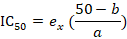
Where, A control is the absorbance of the DPPH control and Asample is the absorbance of the sample reaction mixture. The relationship between DPPH inhibition and the natural logarithm of sample concentration was fitted using the equation y=alnC+b, where y is DPPH inhibition (%), C is the sample concentration (ppm), a is the regression coefficient, and b is the intercept. The estimated IC₅₀ was calculated as follows:
Figure 4.
Statistical analysis
Except for antioxidant activity, data are presented as mean ± standard deviation of four technical processing replicates per treatment (n = 4). Statistical analyses were performed using IBM SPSS Statistics for Windows, Version 25.0 (IBM Corp., Armonk, NY, USA). Each separately processed 100-g meat portion was considered the experimental unit. The normality of residuals and homogeneity of variances were assessed using the Shapiro–Wilk and Levene’s tests, respectively. Variables meeting these assumptions were analysed using one-way analysis of variance (ANOVA) according to a completely randomized design, followed by Duncan’s multiple range test when a significant treatment effect was detected. Because the residuals of pH and water activity (aw) deviated from normality, the treatment effects for these variables were additionally evaluated using the Kruskal–Wallis test. Because maximum compression force did not meet the homogeneity-of-variance assumption, it was analysed using Welch’s ANOVA followed by the Games–Howell test. Statistical significance was declared at P<0.05, while P<0.01 was considered highly significant. Because all experimental units originated from one pooled meat batch, statistical inference was restricted to within-batch processing variation. Antioxidant activity was analysed descriptively because only one experimental sample was available per treatment.
RESULTS AND DISCUSSION
Physical properties of chicken satay
The Shapiro–Wilk and Levene’s tests indicated that the ANOVA assumptions were not fully met for pH, aw, and maximum compression force. The supplementary Kruskal–Wallis test confirmed that pH (P=0.133) and aw (P=0.860) did not differ significantly among treatments. Welch’s ANOVA confirmed a highly significant treatment effect on maximum compression force (P<0.001), and the Games–Howell test showed significant differences among all treatment pairs (P<0.05).
Marination with ginger extract and honey did not significantly affect pH (P>0.05), with values ranging from 5.83 to 5.90 (Table 2). The marinade may not have provided sufficient acidifying capacity to alter the pH of the cooked product. Although ginger contains bioactive compounds and honey contains organic acids, their combined effect at the concentrations used may have been insufficient to produce a measurable pH change. Ginger proteases primarily influence protein structure and tenderness rather than directly determining meat acidity ; ; .
Marination with ginger extract and honey significantly increased the water holding capacity (WHC) of spent laying hen satay (P<0.01). WHC increased from 12.75% in the control treatment to 29.74% in the P3 treatment. This improvement may be explained by three separate mechanisms. First, ginger contains proteolytic enzymes, particularly zingibain, which can hydrolyse muscle proteins and weaken connective tissue, thereby improving the ability of the meat matrix to retain water ; . Second, ginger phenolic compounds such as gingerol and shogaol contain polar functional groups that may interact with water through hydrogen bonding . Third, honey contains sugars, mainly fructose and glucose, which have humectant properties and may help retain moisture in the meat matrix . Therefore, the increase in WHC was likely caused by the combined effects of ginger protease activity, phenolic-water interaction, honey sugar humectancy, and the aqueous marinade system.
Water activity (aw) was not significantly affected by marinade concentration. The aw values ranged narrowly from 0.87 to 0.88 (Table 2). This indicates that although WHC increased, the amount of free water in the product did not substantially change. The stable aw values may be related to the ability of honey sugars and meat proteins to bind water, thereby limiting changes in free water availability. Thus, the marinade may have improved bound water retention rather than increasing free water. However, because microbial quality was not directly evaluated, the aw result should not be interpreted as direct evidence of shelf-life extension or microbial stability.
Maximum compression force decreased significantly with increasing ginger and honey marinade concentration, indicating improved tenderness. The control treatment showed the highest maximum compression force of 31.53 N, whereas P3 showed the lowest value of 14.53 N. Lower compression-force values indicate that less force was required to compress the sample, reflecting a more tender texture. This reduction may be mainly attributed to the proteolytic activity of ginger, especially zingibain, which can degrade muscle proteins and connective tissue components ; . The increase in WHC may also have contributed to a softer texture because higher water retention can improve juiciness and reduce toughness.
Table 2: Physical properties of spent laying hen sata under different treatments.
Treatment
pH
WHC (%)
aw
Maximum compression force (N)
P0
5.90 ± 0.02
12.75 ± 4.08a
0.87 ± 0.04
31.53 ± 2.31d
P1
5.90 ± 0.01
15.29 ± 2.12b
0.88 ± 0.02
23.38 ± 1.03c
P2
5.89 ± 0.01
21.44 ± 5.50c
0.87 ± 0.01
20.43 ± 0.68b
P3
5.83 ± 0.04
29.74 ± 3.52d
0.88 ± 0.01
14.53 ± 1.63a
P0 (no marination), P1 (marination with 10% ginger extract and honey), P2 (15% ginger extract and honey), and P3 (20% ginger extract and honey). Values are presented as mean ± standard deviation of four technical processing replicates obtained from one pooled meat batch (n = 4). Different superscript letters within the WHC column indicate highly significant differences according to Duncan’s multiple range test (P<0.01). Different superscript letters within the maximum compression force column indicate significant differences according to the Games–Howell test following Welch’s ANOVA (P<0.05). No superscripts are presented for pH and aw because the treatment effects were not significant (P>0.05).
Colour characteristics (CIELab) of chicken satay
The L* value, which represents lightness, was significantly affected by ginger and honey marination (P<0.01). The L* value increased from 34.81 in P0 to 46.61 in P3, indicating that marination improved the brightness of spent laying hen satay (Table 3). This increase may be associated with improved water retention, which can influence light reflection on the meat surface. In addition, honey sugars may contribute to colour development during grilling. Becerril-Sánchez et al. (2021) reported that honey contains phenolic compounds and flavonoids that may help preserve colour stability by reducing oxidative deterioration.
The a* value, which represents redness, was also significantly affected by treatment. The highest a* value was found in P2, while the control treatment had the lowest value. This increase in redness may be associated with antioxidant compounds in ginger and honey, which may help limit pigment oxidation during processing . However, myoglobin oxidation and lipid oxidation were not directly measured in this study; therefore, this mechanism should be interpreted as a possible explanation rather than a confirmed effect. The b* value, which represents yellowness, increased significantly after marination.
The b* values ranged from 18.04 to 23.48, with the highest value observed in P1 (Table 3). This increase may be related to the natural yellow colour of ginger components, the yellow-brown colour of honey, and browning reactions during grilling. Essential oils in ginger and the Maillard reaction, a non-enzymatic browning reaction between reducing sugars and amino groups during heating, may have contributed to the increased yellowness of the satay .
Table 3: Colour characteristics (CIELab) of spent laying hen satay.
Treatment
L*
a*
b*
P0
34.81 ± 2.95a
6.38 ± 0.52a
18.04 ± 0.52a
P1
45.42 ± 2.21b
7.80 ± 1.20ab
23.48 ± 1.20b
P2
43.75 ± 1.67b
8.72 ± 1.06b
22.54 ± 1.06b
P3
46.61 ± 4.59b
8.30 ± 1.18b
23.17 ± 1.18b
P0 (no marination), P1 (marination with 10% ginger extract and honey), P2 (15% ginger extract and honey), and P3 (20% ginger extract and honey). Values are presented as mean ± standard deviation of four technical processing replicates obtained from one pooled meat batch (n = 4). Within the same column, means with different superscript letters differ according to Duncan’s multiple range test. Treatment effects were highly significant for L* and b* (P<0.01) and significant for a* (P<0.05).
Chemical composition of chicken satay
Moisture content was not significantly different among treatments, ranging from 56.58% to 60.48% (Table 4). This result indicates that marinade concentration did not substantially alter total water content in the product. Interestingly, WHC increased significantly, while moisture content remained statistically unchanged. This suggests that marination improved the ability of the meat matrix to retain water rather than increasing total water content. In other words, the marinade may have changed the distribution and binding state of water in the meat, shifting water into a more retained form without significantly increasing total moisture. Samota et al. (2024) reported that hydrophilic compounds in ginger and honey may enhance water retention, although this does not always result in a significant increase in total moisture content.
Fat content was also not significantly affected by ginger–honey marination (Table 4). The fat content ranged from 10.97% to 11.67%. This result indicates that the marinade concentration did not substantially change the lipid content of spent laying hen satay ; . The slight variation among treatments may be associated with additional ingredients used in the formulation, especially sesame oil and soy sauce. Sesame oil contains unsaturated fatty acids, lignans, and natural antioxidant compounds that may contribute to lipid stability during heating . Although ginger and honey contain antioxidant compounds that may reduce oxidative reactions during grilling, lipid oxidation was not directly measured using indicators such as TBARS, peroxide value, or carbonyl content. Therefore, the role of antioxidant compounds in reducing lipid oxidation during grilling remains a possible explanation and should be confirmed in future studies.
Table 4: Chemical composition of spent laying hen satay.
Treatment
Moisture content (%)
Fat content (%)
P0
58.43 ± 2.35
10.97 ± 0.67
P1
56.58 ± 2.61
11.54 ± 1.13
P2
58.77 ± 4.35
11.67 ± 1.09
P3
60.48 ± 1.69
11.25 ± 2.50
P0 (no marination), P1 (marination with 10% ginger extract and honey), P2 (15% ginger extract and honey), and P3 (20% ginger extract and honey). Values are mean ± SD of four technical processing replicates obtained from one pooled meat batch (n=4).
Antioxidant activity of chicken satay
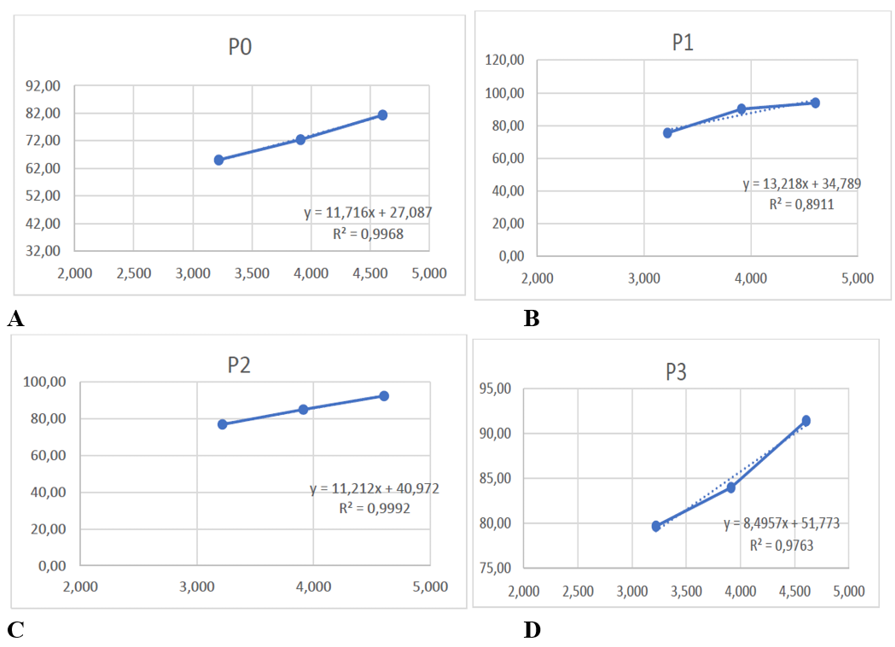
Increasing marinade concentration was descriptively associated with lower estimated IC₅₀ values (Table 5). The estimated IC₅₀ decreased from 7.07 ppm in P0 to 0.81 ppm in P3. At the lowest tested concentration of 25 ppm, DPPH inhibition ranged from 65.06% in P0 to 79.16% in P3. Because only one experimental sample was analysed per treatment, these results were interpreted descriptively and were not subjected to inferential statistical analysis. These observations suggest a possible increase in radical-scavenging capacity with increasing marinade concentration.
The increase in antioxidant activity may be attributed to bioactive compounds from ginger and honey, including gingerol, shogaol, zingerone, paradol, phenolic compounds, and flavonoids. These compounds can contribute to antioxidant activity by donating hydrogen atoms or electrons to neutralize free radicals ; . However, this study only measured antioxidant activity using the DPPH method. Lipid oxidation during grilling was not directly evaluated. Therefore, further studies using lipid oxidation markers such as TBARS, peroxide value, or carbonyl content are needed to confirm whether ginger–honey marinade can reduce oxidative deterioration during cooking.
Table 5: Regression equations and estimated IC₅₀ values of spent laying hen satay marinated with different concentrations of ginger extract and honey.
Treatment
Regression equation
R²
Estimated IC₅₀ (ppm)
P0
(y=11.716\ln C+27.087)
0.9968
7.07
P1
(y=13.218\ln C+34.789)
0.8911
3.16
P2
(y=11.212\ln C+40.972)
0.9992
2.24
P3
(y=8.4957\ln C+51.773)
0.9763
0.81
Results were obtained from one experimental sample per treatment (n = 1). Each concentration was measured in duplicate, and the duplicate absorbance readings were averaged as analytical repeats. Therefore, SD, SE, statistical superscripts, and significance values were not reported. The IC₅₀ values were estimated by extrapolation because DPPH inhibition at the lowest tested concentration of 25 ppm was already above 50% in all treatments. The estimates were below the tested concentration range and should therefore be interpreted cautiously.
Within each treatment, DPPH inhibition increased across the tested concentrations. The regression equations yielded R² values ranging from 0.8911 to 0.9992 (Figure 2). However, because the estimated IC₅₀ values were extrapolated below the tested concentration range and only one experimental sample was analysed per treatment, comparisons among treatments should be interpreted descriptively and cautiously.
Conclusion and Recommendations
Under the conditions of this single-batch study, the 20% ginger extract and honey marinade produced the highest WHC and the lowest maximum compression force. The treatments significantly affected WHC, maximum compression force, and colour characteristics but did not significantly affect pH, water activity, moisture content, or fat content. Descriptively, P3 showed the lowest estimated IC₅₀ value of 0.81 ppm; however, this value was obtained by extrapolation below the tested concentration range. These findings require validation using independent biological replicates. Although the endpoint internal temperature was standardised at 74°C, cooking loss was not measured, which limited the evaluation of weight changes during grilling.
Sustainable development goals (SDGs)
This study supports several Sustainable Development Goals. It contributes to SDG 2 (Zero Hunger) by improving the utilization of spent laying hen meat as an alternative protein source. The use of ginger extract and honey, which contain antioxidant compounds, is also
in line with SDG 3 (Good Health and Well-being) by supporting the development of meat products with improved antioxidant properties. In addition, transforming low-value spent laying hen meat into a higher-quality satay product supports SDG 12 (Responsible Consumption and Production) by reducing potential food loss and increasing the value of underutilized poultry meat . This approach also reflects SDG 9 (Industry, Innovation and Infrastructure) through simple innovation in meat processing.
Acknowledgement
The authors acknowledge Universitas Brawijaya and the Animal Product Technology Laboratory, Faculty of Animal Science and Technology, Universitas Brawijaya, for providing the facilities and support required for this study.
Novelty Statement
This study demonstrates the potential of ginger extract and honey marination to improve the physicochemical and texture characteristics of satay produced from spent laying hen meat. A 20% marinade increased water-holding capacity, reduced maximum compression force, improved colour characteristics, and showed the most favourable descriptive antioxidant response
Author’s Contribution
Premy Puspitawati Rahayu: conceptualization, supervision, validation, and manuscript review. Heny Risgita Nurwati and Brilliant Inflamone Putra: investigation, laboratory analysis, and data processing. Nurul Shazini Ramli: scientific review and manuscript revision. Anif Mukaromah Wati: research coordination, data interpretation, and manuscript preparation. All authors approved the final manuscript.
Funding sources
This research was funded by Universitas Brawijaya through the Visiting Lecturer Program Batch 1, Fiscal Year 2026, Contract No. 01236.39/DST/UN10.A0101/B/PJ.00.05.1/2026.
Generative AI and AI assisted technology statement
The authors declare that no generative AI and AI assisted technology was used in the creation of this manuscript.
Conflict of interest
The authors have declared no conflict of interest.
Figures
Figure 1:.
Experimental procedure for chicken satay preparation: a: Preparation of marinade solution, b: Cutting of chicken meat, c: Marination of chicken meat, d: Temperature monitoring, e: Satay grilling process, f: Chicken satay samples
Figure 2:.
Regression relationships between the natural logarithm of sample concentration and DPPH inhibition of spent laying hen satay under treatments P0–P3. Samples were evaluated at concentrations of 25, 50, and 100 ppm. The x-axis represents the natural logarithm of sample concentration, and the y-axis represents DPPH inhibition (%). P0 = no marination; P1 = marination with 10% ginger extract and honey; P2 = marination with 15% ginger extract and honey; and P3 = marination with 20% ginger extract and honey. Results are descriptive and were obtained from one experimental sample per treatment (n = 1). Duplicate absorbance readings at each concentration were averaged, and no inferential statistical comparison was performed.
References
AOAC (1995). Official methods of analysis of the Association of Official Analytical Chemists. Association of Official Analytical Chemists, Inc.
AOAC (2005). Determination of moisture, ash, protein and fat. In Official methods of analysis of the Association of Official Analytical Chemists (18th ed.). AOAC International.
Ayustaningwarno F, Anjani G, Ayu AM, Fogliano V (2024). A critical review of Ginger’s (Zingiber officinale) antioxidant, anti-inflammatory, and immunomodulatory activities. Front. Nutr., 11(June): 1–16. https://doi.org/10.3389/fnut.2024.1364836[CrossRef]
Becerril-Sánchez AL, Quintero-Salazar B, Dublán-García O, Escalona-Buendía HB (2021). Phenolic compounds in honey and their relationship with antioxidant activity, botanical origin, and color. Antioxidants, 10(11): 1700. https://doi.org/10.3390/antiox10111700[CrossRef]
Bobiş O, Dezmirean DS, Moise AR (2018). Honey and diabetes: The importance of natural simple sugars in diet for preventing and treating different type of diabetes. Oxid. Med. Cell. Longev., https://doi.org/10.1155/2018/4757893[CrossRef]
Choe J, Kim HY (2020). Physicochemical characteristics of breast and thigh meats from old broiler breeder hen and old laying hen and their effects on quality properties of pressed ham. Poult. Sci., 99(4): 2230–2235. https://doi.org/10.1016/j.psj.2019.10.076[CrossRef]
de Souza KMR, Araujo RB, dos Santos AL, Rodrigues CEC, de Faria DE, Trindade MA (2011). Adding value to the meat of spent laying hens manufacturing sausages with a healthy appeal. Rev. Brasil. Ciencia Avicola Braz. J. Poult. Sci., 13(1): 57–63. https://doi.org/10.1590/S1516-635X2011000100009[CrossRef]
Dissanayake KK, Rifky M, Samadiy M, Attanayake D, Gunasena S, Senaarachchi R, Kurniawan TA (2026). Innovations and challenges in meat color measurement technologies: A critical review. J. Food Measur. Character., pp. 1–21. https://doi.org/10.1007/s11694-025-03796-4[CrossRef]
Dwiloka B, Prasasti RNP, Nurwantoro N (2024). The effect of marination with red ginger (Zingiber officinale Rosc.) on chemical and hedonic quality of dried beef. J. Pangan Agroind., 12(4): 184–194. https://doi.org/10.21776/ub.jpa.2024.012.04.1[CrossRef]
El-Bahr SM, Elzoghby RR, Alfattah MA, Kandeel M, Hamouda AF (2022). Aqueous ginger (Zingiber officinale) extract ameliorates the harmful effects of high-dose lornoxicam in albino male rats. BioMed. Res. Int., 2022(1): 1546734. https://doi.org/10.1155/2022/1546734[CrossRef]
Hasanela N, Bandjar A, Yanyaan VK, Hitijahubessy H (2023). Phytochemical tests and antioxidant activities of the Rhips ginger (Zingiber officinale Var Amarum.). Indones. J. Chem. Res., 11(2): 128–134. https://doi.org/10.30598//ijcr.2023.11-nur[CrossRef]
Karpińska-Tymoszczyk M, Draszanowska A, Danowska-Oziewicz M (2022). The effect of ginger rhizome addition and storage time on the quality of pork meatloaf. Foods, 11(22): 3563. https://doi.org/10.3390/foods11223563[CrossRef]
Liburdi K, Fabrizi C, Onofri C, Esti M (2026). Biochemical properties of proteolytic extracts from different Zingiber officinale varieties and their catalytic role in myofibrillar degradation: Effect on beef tenderness. Meat Sci., 235: 110049. https://doi.org/10.1016/j.meatsci.2026.110049[CrossRef]
Langyan S, Yadava P, Sharma S, Gupta NC, Bansal R, Yadav R, Kalia S, Kumar A (2022). Food and nutraceutical functions of sesame oil: An underutilized crop for nutritional and health benefits. Food Chem., 389(April): 132990. https://doi.org/10.1016/j.foodchem.2022.132990[CrossRef]
Latoch A, Czarniecka-Skubina E, Moczkowska-Wyrwisz M (2023). Marinades based on natural ingredients as a way to improve the quality and shelf life of meat: A review. Foods, 12(19): 1–30. https://doi.org/10.3390/foods12193638[CrossRef]
Li J, Wang L, Mu H, Ren G, Ge M, Dong J, Wang Q, Sun J (2024). Effect of 6-gingerol on oxidative stability and quality characteristics of mutton meatballs during refrigerated storage. Food Chem., X, 24: 101865. https://doi.org/10.1016/j.fochx.2024.101865[CrossRef]
Liu S, Ma G, Zhang T, Wang L, Pei H, Li X, Gao L (2022). Insights into flavor and key influencing factors of Maillard reaction products: A recent update. Front. Nutr., 9: 1–18. https://doi.org/10.3389/fnut.2022.973677[CrossRef]
Mohd Azmi SI, Kumar P, Sharma N, Sazili AQ, Lee SJ, Ismail-Fitry MR (2023). Application of plant proteases in meat tenderization: Recent trends and future prospects. Foods, 12(6). https://doi.org/10.3390/foods12061336[CrossRef]
Moon SS (2018). Effect of proteolytic enzymes and ginger extract on tenderization of M. pectoralis profundus from Holstein steer. Korean J. Food Sci. Anim. Resour., 38(1): 143–151.
Morey A, Owens CM (2017). Methods for measuring meat texture. In: Poultry quality evaluation. Elsevier. pp. 115–132. https://doi.org/10.1016/B978-0-08-100763-1.00005-2.[CrossRef]
Naqvi ZB, Thomson PC, Campbell MA, Latif S, Legako JF, McGill DM, Wynn PC, Friend MA, Warner RD (2021). Sensory and physical characteristics of M. biceps femoris from older cows using ginger powder (Zingibain) and sous vide cooking. Foods, 10(8). https://doi.org/10.3390/foods10081936[CrossRef]
Raafat M, El-Sayed ASA, El-Sayed MT (2021). Biosynthesis and anti-mycotoxigenic activity of Zingiber officinale roscoe-derived metal nanoparticles. Molecules, 26(8): 2290. https://doi.org/10.3390/molecules26082290[CrossRef]
Ridwan A, Azizah S, Wati AM, Rachmawati A, Djunaidi IH, Winarto PS, Febrianto N (2026a). Sustainability of local poultry farming in southeast Asia: A triple bottom line systematic review. Adv. Anim. Vet. Sci., 14(3): 644–653. https://doi.org/10.17582/journal.aavs/2026/14.3.644.653[Full text][CrossRef]
Ridwan A, Luni NZP, Azizah S, Wati AM, Rachmawati A, Djunaidi IH, Putri AR (2026b). Strategic development of the Pelung chicken agribusiness system in a non-origin region: Evidence from Malang Raya, Indonesia. Adv. Anim. Vet. Sci., 14(2): 364–377. https://doi.org/10.17582/journal.aavs/2026/14.2.364.377[Full text][CrossRef]
Samota MK, Rawat M, Kaur M, Garg D (2024). Gingerol: Extraction methods, health implications, bioavailability and signaling pathways. Sustain. Food Technol., https://doi.org/10.1039/D4FB00135D[CrossRef]
Shah AA, Mehmood S, Raziq F, Khan MT, Ullah A, Abbas Y, Hassan SKUL, Ahmad S, Manzoor S, Khan K (2025). Effect of water at different pH levels adjusted with organic and inorganic acidifiers on the growth performance, blood biochemistry, carcass yield, and meat physicochemical properties of broilers. Turk. J. Vet. Anim. Sci., 49(5): 189–198. https://doi.org/10.55730/1300-0128.4390[CrossRef]
Szmańko T, Lesiów T, Górecka J (2021). The water-holding capacity of meat: A reference analytical method. Food Chem., 357: 129727. https://doi.org/10.1016/j.foodchem.2021.129727[CrossRef]
Tapia MS, Alzamora SM, Chirife J (2020). Effects of water activity (aw) on microbial stability as a hurdle in food preservation. Water Activity Foods: Fundament. Appl., pp. 323–355. https://doi.org/10.1002/9781118765982.ch14[CrossRef]
Thompson EH, Wolf ID, Allen CE (1973). Ginger rhizome: A new source of proteolytic enzyme. J. Food Sci., 38(4): 652–655. https://doi.org/10.1111/j.1365-2621.1973.tb02836.x[CrossRef]
Uddin N, Islam R, Hasan N, Hossain MS, Roy A, Hossain MM, Rana MS (2011). DPPH scavenging assay of eighty-four Bangladeshi medicinal plants. IOSR-JPBS, 6(5): 66–73. https://doi.org/10.9790/3008-0656673[CrossRef]