
In recent past, to rectify certain limitations of bus-based “Shared-Clock” (SC) architectures we have developed two new SC protocols based on star topology. In both bus and star-based designs, the Controller Area Network (CAN) protocol was used for network communications. Previously we have demonstrated that both new protocols in their individual capacities have the potential for addressing issues relating to Time-Triggered Cooperative (TTC) scheduling, Time Triggered bus-based CAN networks and the Single Point of Failure (SPF) hypothesis in star networks. In this paper, we present a mechanism for integrating the properties of both protocols in one. We present an amalgamation of protocols that result in a new protocol which addresses all the above stated issues on a single platform.
Research Article · Volume 39, Issue 1, 13 February 2021 · Open Access
Integrating TTC-SC5 and TTC-SC6 “Shared-Clock†Protocols
· · ·
Affiliations & Notes ⌄
- 1Department of Electrical Engineering, UET, Peshawar, Khyber Pakhtunkhwa, Pakistan
- 2SafettySystemsTM Ltd, Registered Office, 15 Nether End, Great Dalby, LE14 2EY, UK. *Correspondence: Muhammad Amir, Department of Electrical Engineering, UET, Peshawar, Khyber Pakhtunkhwa, Pakistan
- 3Email: amir@nwfpuet.edu.pk
Article Info ⌄
- Journal:
- Journal of Engineering and Applied Sciences
- Published:
- 13 February 2021

Abstract
The full text of this article is available as a PDF — use Download PDF above.
Figures
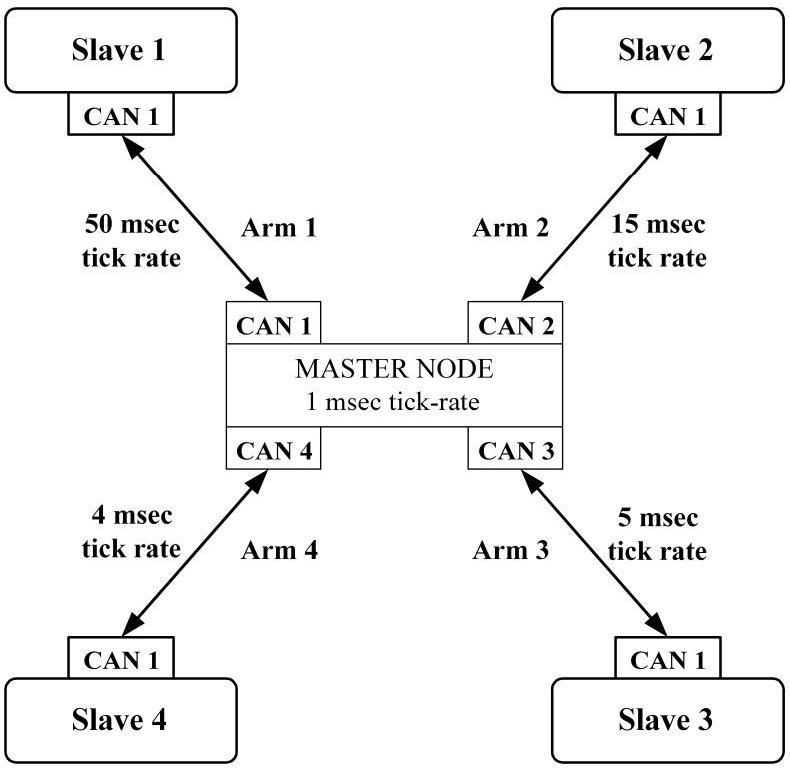
TTC-SC5 CAN-based star topology (Differentialtick rate).
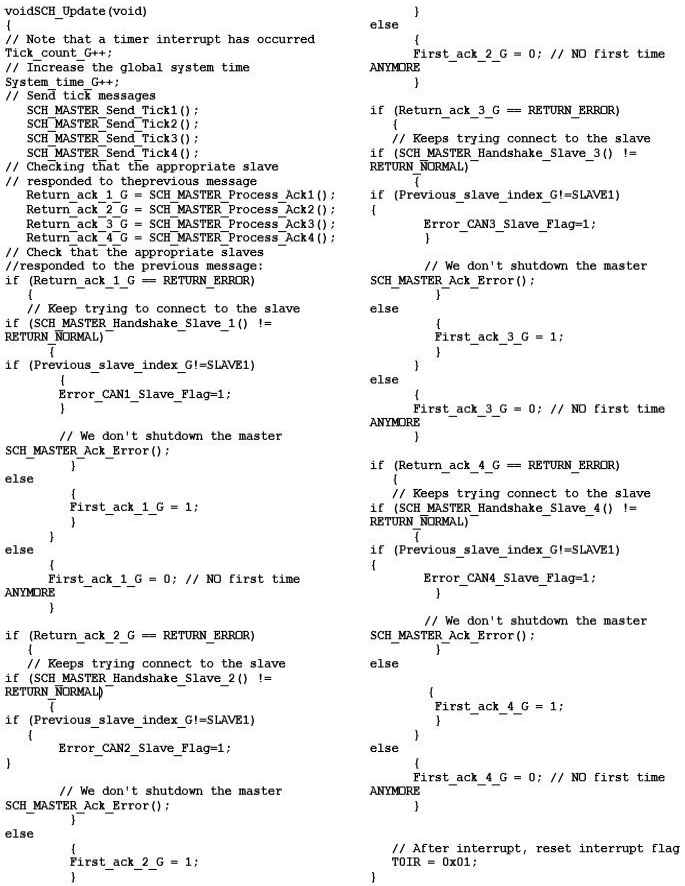
Routine for single Tick rate in TTC-SC5.
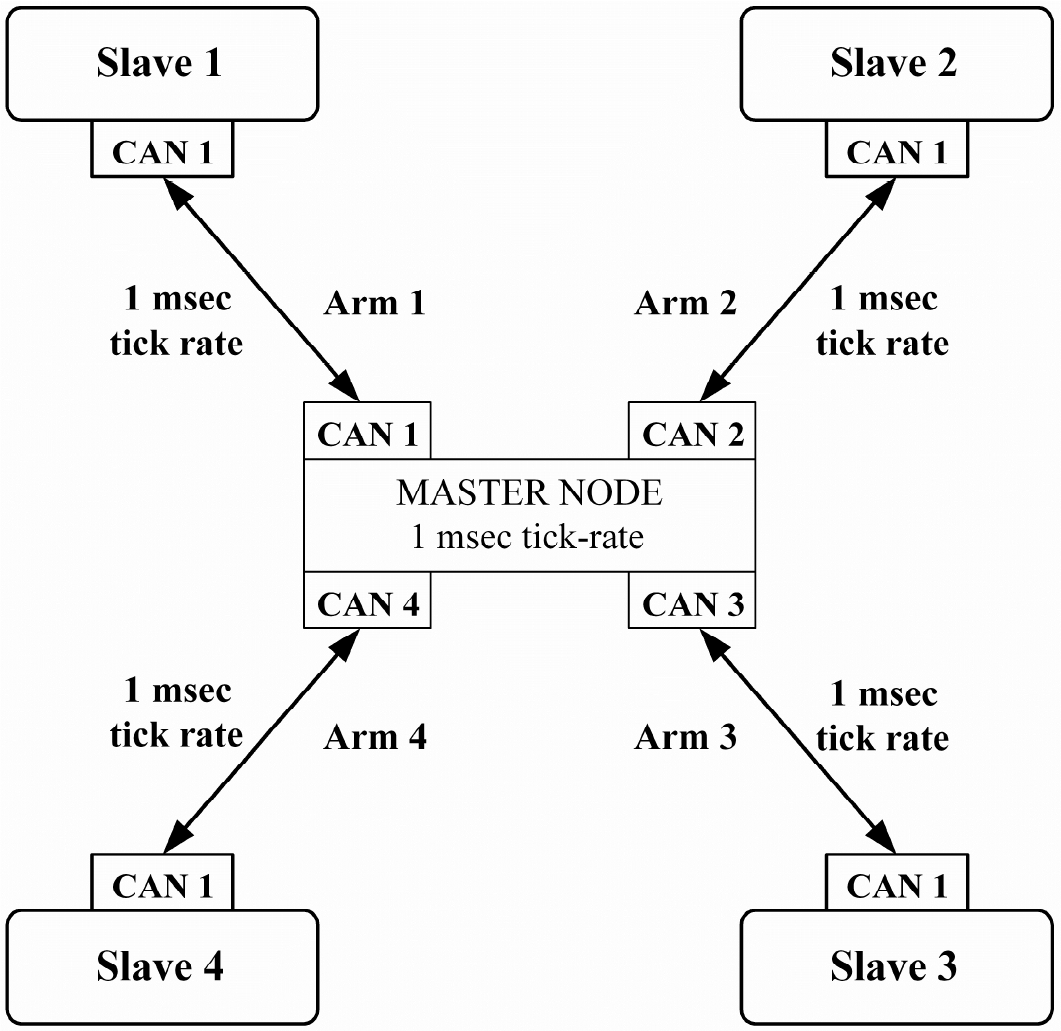
TTC-SC6 (Single Tick rate) for CAN fault-model.
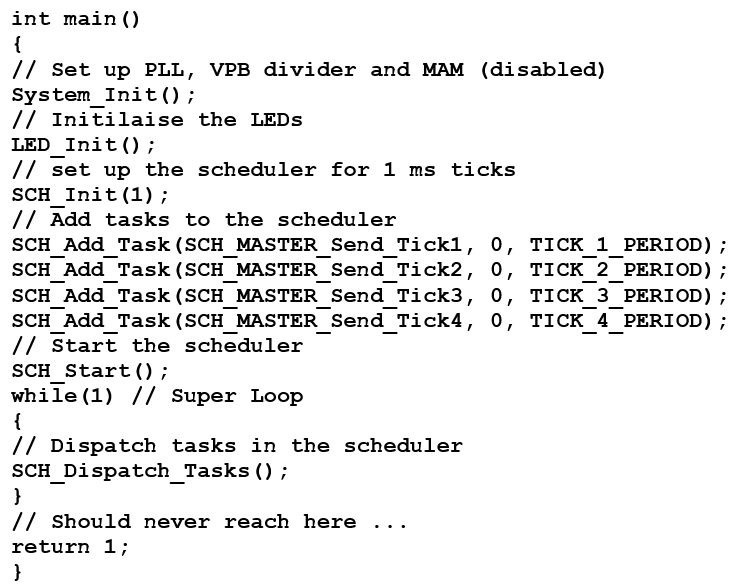
Routine for different Tick rates on individual arms of the star topology.
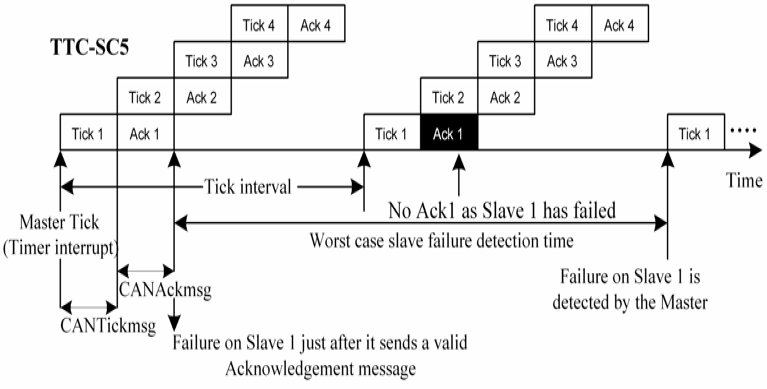
TTC-SC5 single rate Tick transmission strategy.
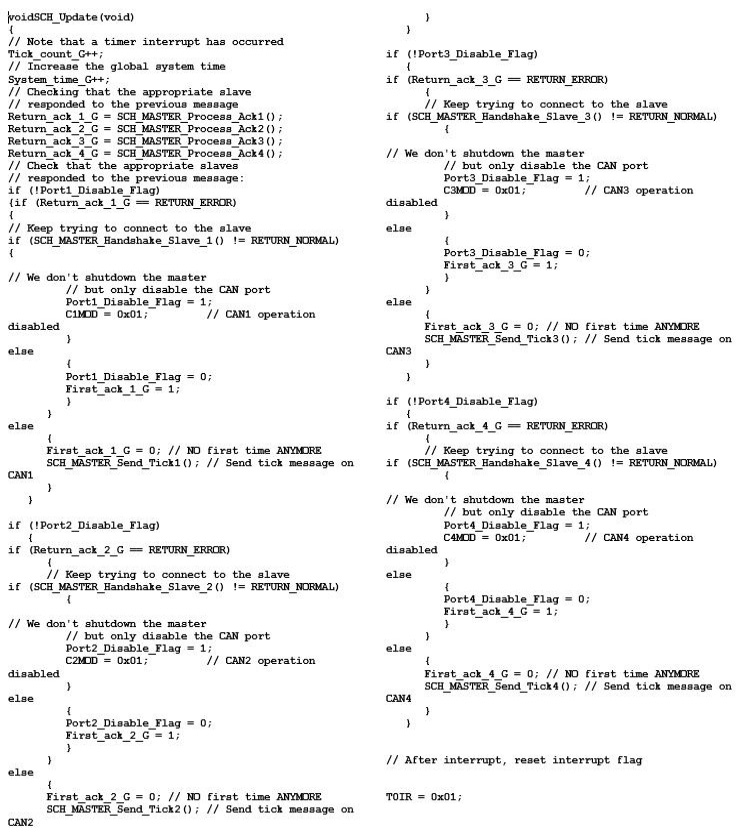
Routine for fault-confinement in TTC-SC6.
Services
Article usage statistics
Loading…