
The infestation of Hordeum bulbosum L. significantly constrains wheat (Triticum aestivum L.) productivity in Iraq due to its high competitive vigor. A field study was conducted during the 2024–2025 season to evaluate the efficacy of four post-emergence herbicides (Tarzec, Chevalier, Topik, and Axial) against five geographical populations of H. bulbosum (Wasit, Babil, Najaf, Karbala, and Al-Diwaniyah). The experiment was laid out in a split-plot arrangement based on a Randomized Complete Block Design (RCBD) with three replications. Weed suppression and crop response were monitored at 30, 60, and 90 days after treatment. The results showed that manual weeding achieved the highest grain yield (5.70 Mg ha-¹) and total weed control. Among the chemical treatments, Tarzec demonstrated superior performance, reducing weed biomass by 70% and weed density by 60%, which resulted in a grain yield of 3.59 Mg.ha-¹. Conversely, Axial and Topik exhibited low efficacy, with yields dropping below 2.40 Mg.ha-¹, while Chevalier provided moderate control. Weed populations from Wasit and Babil were the most recalcitrant, recording dry matter exceeding 100 g.m-², whereas Najaf and Karbala populations were more susceptible to herbicide application. Effective weed management significantly improved wheat physiological and yield parameters. Optimized treatments resulted in an increased chlorophyll index (SPAD = 47.0), larger flag leaf area (49.0 cm²), higher spike density (460 spikes m-²), and enhanced 1000-kernel weight (47.0 g). These findings indicate that Tarzec is the most efficient herbicide for managing H. bulbosum in Iraqi wheat fields. Therefore, integrating targeted chemical control with mechanical weeding, while considering the geographical and genetic diversity of weed populations, is essential for sustainable wheat production.
Research Article · Volume 39, Issue 3, 3 September 2026 · Open Access
Integrated Evaluation of Post-Emergence Herbicides for Suppression of Hordeum bulbosum L. and Improvement of Wheat Yield Components Across Growth Stages
· ·
Affiliations & Notes ⌄
- 1Department of Field Crops, College of Agriculture, University of Kerbala, Kerbala, Iraq. *Correspondence | Ameer Hamzah Obaid, Department of Field Crops, College of Agriculture, University of Kerbala, Kerbala, Iraq
- 2Email: ameerhamza198844@gmail.com
Article Info ⌄
- Journal:
- Pakistan Journal of Agricultural Research
- Published:
- 3 September 2026
From the article
- Hand weeding was the most effective method for total suppression of H. bulbosum and maximizing wheat yield.
- Among chemical treatments, Tarzec provided superior and consistent control across all regions, followed by Chevalier, while Axial and Topik exhibited lower efficacy.
- Regional variations were evident, with weed populations in central provinces showing higher tolerance compared to southern ones.
Selected from the article's own text.
Abstract
Introduction
Weed infestation is a major constraint affecting wheat (Triticum aestivum L.) production worldwide, reducing yield and quality while increasing production costs . In Iraq, Hordeum bulbosum L. has emerged as a significant threat due to its rapid establishment, high competitive ability, and adaptability to diverse soils and climates (HRAC, 2020). Dense stands of this weed reduce light, water, and nutrient availability, lowering wheat tillering and canopy growth, with potential yield losses of 40–60%.
Control of H. bulbosum is challenging, as its early germination, fibrous roots, and tolerance to varied environmental conditions allow it to resist conventional post-emergence herbicides . Herbicide efficacy is influenced by chemical mode of action, timing, soil properties, and the genetic makeup of local weed populations. While resistance to ALS and ACCase inhibitors has been reported globally (HRAC, 2020), there is a significant knowledge gap regarding the efficacy of these herbicides across geographically diverse populations in Iraq. Genetic and physiological variability among populations further affects herbicide response and necessitates region-specific management strategies .
Table 1: Physical and chemical properties of the experimental field soil.
|
Property |
Unit |
Value |
|
Soil pH |
- |
7.8 |
|
Electrical conductivity (ECe) |
dS m-¹ |
3.1 |
|
Organic matter |
% |
0.54 |
|
Available Nitrogen (N) |
mg kg-¹ soil |
24.3 |
|
Available phosphorus (P) |
mg kg-¹ soil |
7.21 |
|
Available potassium (K) |
mg kg-¹ soil |
112.6 |
|
Soil texture |
- |
Silty loam |
Table 2: Herbicides used in the experiment
|
Herbicide |
Active ingredient |
Rate (ha-¹) |
|
Axial |
Pinoxaden |
150–300 ml |
|
Tarzec |
Halauxifen-methyl (10%) + Pyroxsulam (20%) |
33–50 g |
|
Topik |
Clodinafop-propargyl |
125–250 ml |
|
Chevalier |
Iodosulfuron-methyl-sodium + Mesosulfuron-methyl |
200–300 g |
To address these challenges, this study aimed to evaluate the interactive effects of several post-emergence herbicides (Tarzec, Chevalier, Topik, and Axial) on suppressing H. bulbosum populations sourced from five Iraqi provinces (Wasit, Babil, Najaf, Karbala, and Al-Diwaniyah). By assessing weed suppression and wheat yield components across different crop developmental stages, this research provides evidence-based recommendations for optimizing chemical control within an Integrated Weed Management (IWM) framework to improve long-term productivity in Iraqi cereal systems.
Materials and Methods
Study site and environmental conditions
Experimental design and treatments
The field experiment was laid out in a split-plot arrangement based on a Randomized Complete Block Design (RCBD) and was repeated three times. The main plots were assigned to the weed control treatments, which included four post-emergence herbicides (Axial, Tarzec, Topik, and Chevalier) applied at their recommended field rates (Table 2), along with a weedy control and a manual hand-weeding control. The herbicide applications were performed using a manual knapsack sprayer (16-liter capacity) equipped with a single flat-fan nozzle. To ensure uniform coverage and precision, the sprayer was calibrated to deliver a spray volume of 200 L ha-¹ at a constant pressure of 2.0 bar. All treatments were carried out during the early morning hours under calm wind conditions to minimize herbicide drift.
The sub-plots involved an artificial inoculation using five different populations of H. bulbosum seeds collected from Babylon, Karbala, Najaf, Al-Diwaniyah, and Wasit provinces. Wheat seeds were sown on November 15, 2024, in rows, and 20 g of H. bulbosum seeds were broadcasted over the crop rows in each experimental unit to ensure a uniform infestation. Each experimental unit (sub-plot) consisted of 10 rows, 2 m in length, with an inter-row spacing of 20 cm, resulting in a total plot area of 4 m² (2 m × 2 m). To ensure the integrity of treatments, a 1-meter buffer zone was maintained between adjacent sub-plots. Furthermore, a 1.5-meter alley was left between main plots, and a 2-meter wide buffer was established between replications to prevent any herbicide drift or cross-contamination.
Field preparation was conducted in accordance with standard local agronomic guidelines. To maintain the focus exclusively on grass weed dynamics, all broad-leaf vegetation was manually removed from the plots throughout the season. A standardized fertilization regime (N-P-K at 120-60-40 kg ha-¹) and a regular irrigation program were strictly followed for all treatments to ensure optimal crop growth and eliminate nutritional or water stress as confounding variables.
Recorded measurements
Weed traits
- Weed density (plants m-²): counted at 30, 60, and 90 days after application (DAA).
- Control efficiency (%):Was calculated according to the following equation

- Where WDc and WDt represent weed density in the control and treated plots, respectively.
- Weed dry weight (g m-²): Samples collected using a 0.25 m² quadrat, oven-dried at 70 °C for 48 h, and expressed on a per-square-meter basis.
- Inhibition percentage (%): Derived from the reduction in weed dry mass relative to the control.
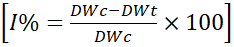
- Where DWc and DWt are the weed dry weight in control and treated plots
- Crop traits:
- Tiller number (tillers m-²): counted for all main and secondary tillers within the central rows.
- Flag leaf area (cm²): determined from ten randomly selected leaves per plot using the formula: Leaf area = length × maximum width × 0.75.
- Chlorophyll content (SPAD): Chlorophyll content was measured using a hand-held meter (SPAD-502, Minolta Camera Co., Japan). Average readings were taken from the flag leaves of ten randomly selected plants per sub-plot, following the manufacturer’s procedures .
- Number of spikes (spikes m-²): counted from the central rows at maturity.
- Grains per spike: calculated as the average of ten randomly chosen spikes.
- Thousand-grain weight (g): determined by weighing a random sample of 1000 grains from each plot.
- Grain yield (Mg ha-¹): obtained from a 1 m² harvested area in the center of each plot, sun-dried, threshed, and converted to Mg ha-¹.
Statistical analysis
All collected data were statistically analyzed using ANOVA for a split-plot design via GenStat (version 19, VSN International, UK). Prior to analysis, data were verified for normality using the Shapiro-Wilk test and for homogeneity of variances using Levene’s test to satisfy ANOVA assumptions. When significant differences were detected, mean separation was performed using the Least Significant Difference (LSD) test at a 0.05 probability level.
Results and Discussion
Temporal response of herbicide types on weed growth and control parameters
Figure 2 (A-D), statistically significant differences (P ≤ 0.05) were found in all of the measured parameters between weed management over all of the evaluation periods. The weedy control had the highest weed dry biomass and density of 148.16 g.m-2 and 161.53 plant.m-2 days 90 after application, which shows that the just unmanaged state of the weeds exhibited high competitive power of the weed that grows in unmanaged conditions .
The efficacy of fully suppressing weed biomass and density, which was maintained at zero during the growing season, and which was significantly different from all chemical treatments (P ≤ 0.05) served to confirm the maximum power of control by weeding . Tarzec was also shown to perform much better than Chevalier, Topik, and Axial, with the lowest ratio of biomass of the weed (27.01–89.72 g. m-²), the least density (48.55-42.13
plants.m-2) and the highest weed control efficiency (70.9-74.2%). The rank of Chevalier was second, which is very different to Axial, but it was the strongest suppression and did not significantly differ with Topik at some point of assessment.
The same patterns were observed with physiological inhibition, with Tarzec showing the highest inhibition values, as opposed to Axial, which showed the lowest, or partial tolerance or recovery to the action of the weed population ; . The continued high level of superiority is due to the prolonged physiological interference with the main metabolic pathways, as mentioned by Li et al. (2019) and Beckie et al. (2021).
Overall, the findings indicate Tarzec(Pyroxsulam) to be the most effective chemical of the ones tested in managing H. bulbosum in the field with a lot of superiority over other herbicides (P ≤ 0.05) but Axial did not provide the same or any consistency of control. Such results highlight the importance of region-specific herbicide testing in the framework of the integrated weed management programmes (Beckie et al., 2021).
Temporal response of weed seed sources from different provinces on weed growth and control parameters
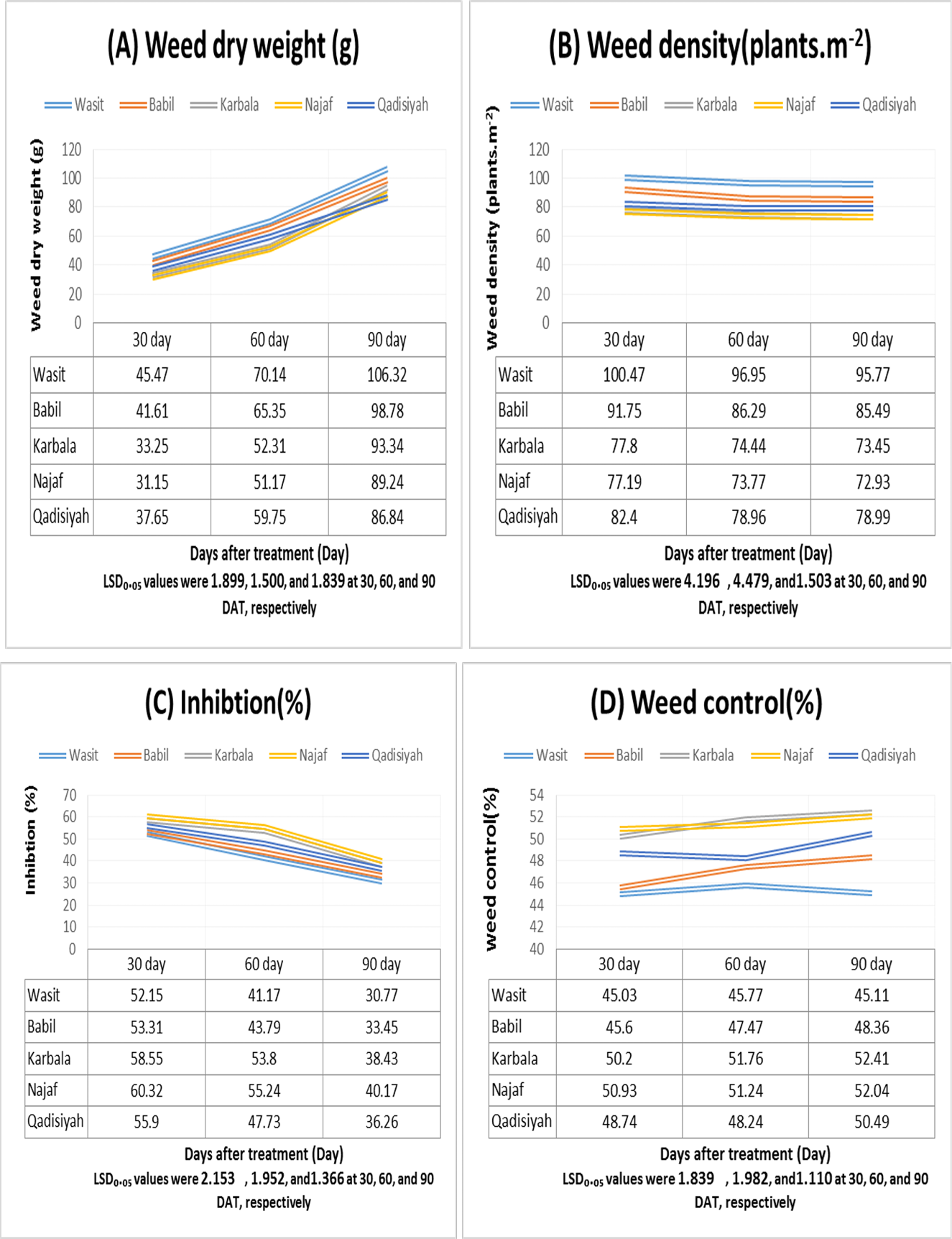
The effect of Hordeum bulbosum L. varied greatly (P≤ 0.05) among the populations with different origins in Iraqi provinces as the Figure 3 (A-D) demonstrates. The highest biomass and density of weed were found in the Wasit and Babil populations up to 106.32 g.m-² and 100.47- 1 plants.m². On the contrary, the populations of Karbala and Najaf had much less biomass (33.25–86.84 g.m-2) and density
(72.93–77.80 plants.m-2) and were more susceptible to chemical control (Figure 3A,B).
The same was the case with weed control efficiency and physiological inhibition (Figure 3C,D). The Southern populations (Karbala and Najaf) were more suppressed (51–52%)) and inhibited (up to 60.32%), the central populations (Wasit and Babil) were much more resistant to control (<45–48%), which is why they might have stronger mechanisms of detoxification and tolerance to it .
In general, these findings support the statement that geographical ancestry has a very strong impact on herbicides in the population of H. bulbosum (Figure 3). Proper management of weeds would then involve region-specific assessment of weed populations within an Integrated Weed Management framework to enhance long-term management and reduce the chances of evolution of resistance (Beckie et al., 2021).
Crop traits
Number of tillers
The number of wheat tillers was under statistically significant influence of weed-control interventions which was shown as presented in Table 3. Manual weeding of the experimental had the largest mean tiller count (476.96 -2 tillers), which was due to the fact that all competitive weeds were eliminated, and the untreated control of weeds had the least (129.57 -2 tillers), thus, supporting the strong suppressive effect of H.bulbosum on the growth of wheat ; ; . The best performance was demonstrated by Tarzec (310.97 tillers m 5 -), Chevalier (231.13tillers m 5 -) whereas Axial and Topik were relatively ineffective (197.38 and 201.82tillers m 5 -, respectively). These differences are based on the locality-specific differences in sensitivity to the weed and occurrence of the partial herbicide
Table 3: Effect of herbicide type, weed seed source, and their interaction on the number of tillers (m-²)
|
Treatments |
Wasit |
Babil |
Al-Qadisiyah |
Karbala |
Najaf |
Mean of Herbicides |
|
Weedy |
132.30 |
131.10 |
129.06 |
127.29 |
128.13 |
129.57 |
|
Hand weeding |
480.19 |
473.01 |
477.24 |
483.21 |
471.15 |
476.96 |
|
Chevalier |
223.19 |
227.06 |
232.04 |
235.25 |
238.09 |
231.13 |
|
Topik |
193.24 |
197.29 |
201.06 |
207.22 |
210.26 |
201.82 |
|
Tarzec |
293.20 |
304.27 |
315.03 |
322.23 |
320.11 |
310.97 |
|
Axial |
187.09 |
192.11 |
199.30 |
205.11 |
203.28 |
197.38 |
|
Mean of Provinces |
251.53 |
254.14 |
258.96 |
263.38 |
261.84 |
L.S.D₀.₀₅: For herbicides = 7.546, for provinces = 1.938, for interaction = 7.546.
Table 4: Effect of herbicide type, weed seed source, and their interaction on chlorophyll content (SPAD) of wheat.
|
Treatments |
Wasit |
Babil |
Al-Qadisiyah |
Karbala |
Najaf |
Mean of herbicides |
|
Weedy |
28.29 |
31.20 |
33.08 |
30.08 |
29.18 |
30.36 |
|
Hand weeding |
46.07 |
48.01 |
47.32 |
44.24 |
49.11 |
46.95 |
|
Chevalier |
37.02 |
39.30 |
41.10 |
44.16 |
43.31 |
40.98 |
|
Topik |
33.08 |
34.06 |
37.09 |
39.06 |
40.23 |
36.70 |
|
Tarzec |
39.12 |
41.09 |
43.05 |
45.29 |
45.32 |
42.77 |
|
Axial |
30.11 |
32.06 |
34.30 |
38.27 |
37.28 |
34.40 |
|
Mean of Provinces |
35.61 |
37.62 |
39.32 |
40.18 |
40.74 |
L.S.D₀.₀₅: for herbicides = 6.161, for provinces = 1.374, for interaction = 6.652
resistance .
Tiller production was also further moderated by weed seed provenance. Biotypes with a population origin of Najaf and Karbala favored more tillers, and Wasit biotypes reduced tillering, which showed more competitive power and vitality in the central populations . The interaction studies showed that Tarzec × Najaf combination produced the highest number of tillers, and Weedy × Wasit produced the least, highlighting the role of interaction with the chemical activity of herbicides to be dependent on the genetic background of the weed population.
As shown in Table 3, the measures applied to the weed control had a significant effect on the flag-leaf area of wheat. The maximal mean area (48.98cm 2 ) was obtained by hand-weeding and the minimum area (27.97cm 2 ) was obtained with the weedy control due to the inhibitory impact of the H. bulbosum on the leaf expansion and photosynthetic surface (Siyar et al. , 2019; . Her most effective herbicides were Tarzec (41.99 cm 2), Chevalier (37.62 cm 2 ), and Axial and Topik (32.78 and 34.82 cm 2, respectively), meaning that the weed resistance varied locally ; .
Seed origin also affected flag-leaf growth, Karbala and Najaf populations produced larger leaf sizes (39.17 and 38.81 cm 2) than Wasit and Babil (34.67 cm 2), which indicated increased competitive force at the centre populations. Effects of interaction indicated that the highest flag-leaf area was found with hand-weeding x Karbala, and the least with weedy x Wasit. The highest leaf area was obtained when the Tarzec + Karbala was used (44.25 cm 2), thus establishing the efficacy of the herbicide on the susceptible populations.
According to these results, competition between weeds can be reduced by either manual or optimized chemical control, which improves the leaf growth, photosynthesis, and yield potential. However, the genetical resistance, which is common in the central populations, limits the efficacy of herbicides, and, hence, the need to incorporate chemical and mechanical methods, which are unique to the local weed genetics to achieve maximum wheat growth ; .
Chlorophyll content
As shown in Table 4, weed control treatments exerted a significant influence on the chlorophyll content (SPAD) of wheat leaves. The hand-weeding treatment achieved the highest mean value (46.95 SPAD), confirming that the total elimination of H. bulbosum interference allows wheat plants to utilize light and nutrients with maximum efficiency. This aligns with Siyar et al. (2019), who noted that the absence of interspecific competition enhances leaf physiology. Conversely, the weedy control plots recorded the lowest content (30.36 SPAD) due to severe shading and intense resource competition, which inhibited chlorophyll biosynthesis.
Regarding herbicide performance, Tarzec demonstrated clear superiority (42.77 SPAD), followed by Chevalier, while efficacy declined significantly with Axial and Topik. This variation reflects the differing capabilities of these herbicides in mitigating competitive stress . Furthermore, the origin of weed seeds played a decisive role; populations from Najaf and Karbala were less detrimental to wheat than those from Wasit, which recorded the lowest chlorophyll levels (35.61 SPAD). This suggests a higher degree of tolerance or reduced sensitivity to herbicides in Wasit biotypes compared to other regions.
Table 5: Effect of herbicide type, weed seed source, and their interaction on flag leaf area (cm²)
|
Treatment |
Wasit |
Babil |
Qadisiyah |
Karbala |
Najaf |
Herbicide mean |
|
Weedy |
24.22 |
27.13 |
30.25 |
28.22 |
30.03 |
27.97 |
|
Hand weeding |
50.07 |
49.32 |
47.33 |
50.02 |
48.15 |
48.98 |
|
Chevalier |
34.32 |
36.11 |
38.25 |
40.18 |
39.24 |
37.62 |
|
Topik |
31.23 |
33.27 |
35.26 |
38.08 |
36.25 |
34.82 |
|
Tarzec |
39.05 |
40.30 |
42.23 |
44.25 |
44.14 |
41.99 |
|
Axial |
29.15 |
32.17 |
33.31 |
34.25 |
35.03 |
32.78 |
|
Province mean |
34.67 |
36.38 |
37.77 |
39.17 |
38.81 |
L.S.D 0.05 for herbicides = 5.942, provinces = 1.229, interaction = 6.344
The interaction between seed source and control method was also significant. The interaction of hand-weeding with Najaf populations yielded the maximum value (49.11 SPAD), while the weedy × Wasit interaction resulted in the minimum (28.29 SPAD). Notably, Tarzec efficacy remained high against Najaf and Karbala biotypes but decreased against those from Wasit and Babil, confirming that the physiological performance of the crop is directly linked to the responsiveness of local biotypes . These results underscore the necessity of an Integrated Weed Management (IWM) model to maintain photosynthetic efficiency and long-term productivity.
Flag leaf area
Table 5 indicated that weed-control treatments had a great impact on the flag-leaf area of wheat. Hand-weeding produced the largest overall mean leaf area (48.98 cm 2 ) which is an indication of total elimination of competition with the removal of the effect of competitive pressure of the plant, and the optimal use of light and nutrients in growing the leaf. Conversely, the weedy control had the smallest flag-leaf area (27.97 cm 2) and thus validated the inhibitory impact of wild barley on leaf evolvement and the photosynthetic surface ; .
Tarzec was the most effective herbicidal treatment (41.99 cm 2 ), and Chevalier was the next best (37.62 cm 2 ), but the performance of the other treatments was lower (Axial 32.78 and Topik 34.82 cm 2). This variation is due to the differences in herbicide efficiency or local weed tolerance/resistance ; .
Seed provenance also affected the formation of flag-leaf, Karbala and Najaf groups had recorded higher areas of flag-leaf (39.17 and 38.81 cm 2 ), than Wasit and Babil (34.67cm 2 ) which implies that the central populations were more competitive and had some resistance to the herbicides. Method of weed control and seed source showed a significant interaction with hand -weeding xKarbala giving the highest flag-leaf area and weedy xWasit the lowest. Likewise, Tarzec × Karbala recorded the greatest leaf area (44.25 cm2) which was the best indicator of the sensitivity of the populations to the herbicide.
Comprehensively, control of the competition of weeds by hand or the application of efficient herbicides promotes the growth of leaves and photosynthetic ability of wheat. Nevertheless, genetically tolerant weed populations do not disappear, which restricts the effectiveness of the chemicals, hence the necessity of combining weed management strategies according to the local genetic spectrum ; .
Table 6: Effect of herbicide type, weed seed source, and their interaction on number of spikes (spike m-²)
|
Treatment |
Wasit |
Babil |
Qadisiyah |
Karbala |
Najaf |
Herbicide mean |
|
Weedy |
119.12 |
117.13 |
116.01 |
113.08 |
115.05 |
116.08 |
|
Hand Weeding |
461.22 |
457.03 |
464.12 |
477.28 |
469.18 |
465.77 |
|
Chevalier |
223.20 |
235.18 |
241.14 |
245.11 |
246.21 |
238.17 |
|
Topik |
185.25 |
198.14 |
205.22 |
211.16 |
214.03 |
202.76 |
|
Tarzec |
284.02 |
298.30 |
309.22 |
319.29 |
322.07 |
306.58 |
|
Axial |
172.04 |
187.22 |
195.11 |
211.21 |
208.08 |
194.73 |
|
Province Mean |
240.81 |
248.83 |
255.13 |
262.85 |
262.43 |
L.S.D 0.05 for herbicides = 7.428, provinces = 1.149, interaction=7.695
Table 7: Effect of herbicide type, weed seed source, and their interaction on number of grains per spike
|
Treatment |
Wasit |
Babil |
Qadisiyah |
Karbala |
Najaf |
Herbicide Mean |
|
Weedy |
18.14 |
20.27 |
21.31 |
23.06 |
22.19 |
21.00 |
|
Hand Weeding |
55.24 |
57.02 |
58.14 |
58.25 |
57.24 |
57.18 |
|
Chevalier |
30.04 |
32.22 |
36.13 |
39.24 |
38.11 |
35.15 |
|
Topik |
26.11 |
29.12 |
31.05 |
34.04 |
33.28 |
30.72 |
|
Tarzec |
38.23 |
40.15 |
43.11 |
46.16 |
48.09 |
43.15 |
|
Axial |
24.09 |
26.05 |
29.14 |
32.05 |
31.25 |
28.52 |
|
Province Mean |
31.98 |
34.14 |
36.48 |
38.80 |
38.36 |
L.S.D 0.05 for herbicides = 1.489, provinces = 1.228, interaction = N.S
Number of spikes (spike m-²)
Table 6 shows that weed-control treatments had a statistically significant effect on wheat spike density. Hordeum bulbosum exerted strong competitive pressure on reproductive development, as reflected by the lowest spike number recorded under the untreated weedy control (116.08 spikes m-²), whereas hand-weeding resulted in the highest spike density (465.77 spikes m-²).
Among chemical treatments, Tarzec was the most effective herbicide, producing the highest spike density (306.58 spikes m-²), followed by Chevalier (238.17 spikes m-²). In contrast, Topik and Axial were leSs effective, recording 202.76 and 194.73 spikes m-², respectively. These results indicate variability in herbicide efficacy and persistence under field conditions ; .
Spike density was also influenced by weed seed origin. Populations from Karbala and Najaf resulted in higher spike numbers (262.85 and 262.43 spikes m-², respectively) compared with those from Wasit and Babil (240.81 and 248.83 spikes m-²). This variation may be attributed to differences in herbicide resistance, particularly the presence of ALS and ACCase target-site mutations in central populations .
Interaction effects revealed that hand-weeding combined with Karbala seed origin produced the highest spike density, whereas the weedy control combined with Wasit seed origin resulted in the lowest. Among chemical treatments, Tarzec applied to Najaf and Karbala seed populations recorded the highest spike numbers (322.07 and 319.29 spikes m-², respectively), while Axial and Topik were less effective against resistant populations.
Overall, these findings confirm that reducing weed competition through either mechanical or chemical control enhances wheat vegetative vigor and reproductive performance. However, the presence of herbicide-resistant weed biotypes limits yield improvement, highlighting the importance of adopting Integrated Weed Management (IWM) strategies that combine mechanical and chemical approaches while considering the genetic diversity of weed populations ; .
Number of grains per spike
Table 7 shows that the number of grains per spike had a strong effect of the weed-control treatments. The mean of hand-weeding was the greatest (57.18 grains), which means that a total removal of weeds results in increased spike fertility and assimilate allocation . The most efficient herbicides were Tarzec (43.15 grains), Chevalier (35.15 grains), Topik and Axial (30.72 and 28.52 grains) based on the degree of their effectiveness in relieving weed competition .
Table 8: Effect of herbicide type, weed seed source, and their interaction on 1000-grain weight
|
Treatment |
Wasit |
Babil |
Qadisiyah |
Karbala |
Najaf |
Herbicide mean |
|
Weedy |
19.11 |
21.27 |
26.47 |
24.08 |
26.28 |
23.44 |
|
Hand Weeding |
49.25 |
48.04 |
46.15 |
47.18 |
46.26 |
47.38 |
|
Chevalier |
28.06 |
30.16 |
32.02 |
35.29 |
35.31 |
32.17 |
|
Topik |
24.29 |
26.33 |
30.02 |
31.29 |
32.04 |
28.79 |
|
Tarzec |
34.12 |
37.05 |
38.30 |
39.31 |
40.05 |
37.77 |
|
Axial |
24.16 |
26.07 |
29.09 |
31.07 |
32.08 |
28.49 |
|
Province mean |
29.83 |
31.49 |
33.68 |
34.70 |
35.34 |
L.S.D 0.05 for herbicides = 3.737, provinces = 1.041, interaction = 4.219
There was an effect of the number of grains due to the source of the weed seed. Karbala and Najaf populations had more grains per spike, and those of Wasit and Babil had fewer grains per spike, which is probably because of the existence of herbicide-resistant biotypes with ALS and ACCase mutations ; . The interplay between herbicide type and source of seed was not significant to make a conclusion that the differences were majorly influenced by the efficacy of the herbicides and not by the origin of the weed.
Overall, the above-mentioned findings confirm the idea that manual weeding and effective herbicides like Tarzec and Chevalier are able to enhance wheat reproductive performance, but, because of the resistant populations of weeds, yield improvement is limited. The findings suggest the significance of the Integrated Weed Management that implies simultaneous use of mechanical and chemical strategies with consideration of the local weed genetics to obtain sustainable yield enhancement .
Weight of 1000 grains
Table 8 shows that there was the statistically significant influence of the weedcontrol treatments on the thousand-grain weight. The maximum mean value was recorded in hand-weeding (47.38 3 g) and the minimum in the weedy control (23.44 3 g) and, therefore, the mitigating effect of the weed competition on the grain filling was observed . Tarzec was the most effective herbicide, as it reduced competition more (37.77 g), Chevalier was next (32.17 g), then Axial and Topik were less effective (28.49 g and 28.79 g, respectively); differences in the ability to reduce competition and translocate assimilates indicated the status of the herbicides (Beckie, 2022).
Weed seed source also had an effect on the weight of the grain. Populations of Najaf and Al-Qadisiyah had higher weights (35.34g and 33.68g, respectively), but the population of Wasit and Babil had lower ones (29.83g and 31.49g, respectively), which is probably due to increased competitiveness and partial resistance to herbicides . The interaction studies established that hand weeding yielded the greatest number of grains in all the provinces and Tarzec was at a disadvantage compared to the Najaf and Karbala people but on a disadvantage over Wasit and Babil.
These results affirm that reduction of the competition between weeds by either manual or efficient chemical suppressive measures improves grain filling and kernel growth; conversely, the competitive advantage of resistant populations of populations of H.bulbosum limits such benefits. In turn, the combination of mechanical, chemical, and locally customized efforts, called Integrated Weed Management (IWM), is the key to maximizing and standardizing grain production .
Grain yield
Table 9 demonstrates that weed -control measures had a significant impact on wheat grain production. Weed competition strongly influenced the final crop productivity as manual weeding resulted in the highest yield (5.68 Mg. ha-1), and the weedy control was least productive (2.11 Mg.ha-1) ; . Tarzec was the most effective herbicide, then Chevalier, and finally, there were the less effective herbicides: Axial and Topik (3.59 Mg.kg-1 and 2.36 Mg.kg-1, respectively) ; Busi et al., 2021).
Yield was also caused by seed origin of weed. Both Najaf and Karbala populations had more favorable values (3.53 and 3.41Mg.ha-1), and Wasit populations had the least (2.72 Mg.ha-1), probably because of increased herbicide resistance and high competitive activity ; .Interaction effects revealed that Tarzec × Najaf gave the best yield (4.06 Mg.ha-1), and Weedy × Wasit gave the least yield (1.67 Mg.ha-1) highlighting the synergistic effect of the herbicides and the genetic background of weeds.
Table 9: Effect of herbicide type, weed seed source, and their interaction on grain yield (Mg ha-¹)
|
Treatment |
Wasit |
Babil |
Qadisiyah |
Karbala |
Najaf |
Herbicide mean |
|
Weedy |
1.67 |
1.86 |
2.21 |
2.32 |
2.51 |
2.11 |
|
Hand Weeding |
5.38 |
6.00 |
5.70 |
5.59 |
5.75 |
5.68 |
|
Chevalier |
2.56 |
2.68 |
3.05 |
3.24 |
3.30 |
2.97 |
|
Topik |
1.70 |
2.00 |
2.41 |
2.78 |
2.85 |
2.34 |
|
Tarzec |
3.01 |
3.17 |
3.75 |
3.98 |
4.06 |
3.59 |
|
Axial |
1.97 |
2.21 |
2.35 |
2.56 |
2.71 |
2.36 |
|
Province mean |
2.72 |
2.99 |
3.25 |
3.41 |
3.53 |
L.S.D 0.05 for herbicides = 0.178, provinces = 0.145, interaction = 0.355
These findings affirm the close association of grain yield increase with effective weed control, be it manually or chemically, and that resistant populations curtail possible increases. To maximize crop production in the field, it is necessary to use Integrated Weed Management (IWM), which involves the combination of chemical, mechanical, and cultural methods and considers the genetic diversity of local population weeds ; .
Conclusions
Hand weeding was the most effective method for total suppression of H. bulbosum and maximizing wheat yield. Among chemical treatments, Tarzec provided superior and consistent control across all regions, followed by Chevalier, while Axial and Topik exhibited lower efficacy. Regional variations were evident, with weed populations in central provinces showing higher tolerance compared to southern ones.
Recommendations
- Adopt Integrated Weed Management (IWM) by combining chemical and mechanical methods.
- Implement herbicide rotation (e.g., using Tarzec instead of continuous Axial application) to delay the evolution of resistance.
- Optimize application timing to coincide with the most sensitive weed growth stages.
Acknowledgments
The authors would like to give a warm thanks to the Department of Field Crops, College of Agriculture, University of Karbala to provide the necessary laboratory and field facilities. We also want to show our thank you to all technical staff whose help was invaluable during field and laboratory research.
Novelty Statement
This study provides the first integrated evaluation of combining mechanical weeding with optimized post-emergence herbicides to suppress Hordeum bulbosum L. based on local weed genetics. It delivers critical insights into overcoming genetic herbicide resistance to maximize wheat flag-leaf area, chlorophyll content, and overall yield potential.
Authors’ Contributions
Ameer Hamzah Obaid: The experimental work, data collection, analysis, and drafting of the manuscript were done
H.A.K. Alfarttoosi and Ali Nadhim Farhood: Supervision of the research, direction of the experiment design, data interpretation and critical review and improvement of the final report.
The final version of the manuscript was read and sanctioned by all the authors.
Generative AI and AI-assisted technology statement
The authors declare that no generative AI and AI assisted technology was used in the creation of this manuscript.
Conflict of interest
The authors then certify that there is no conflict of interest in the publication of this manuscript.
Figures
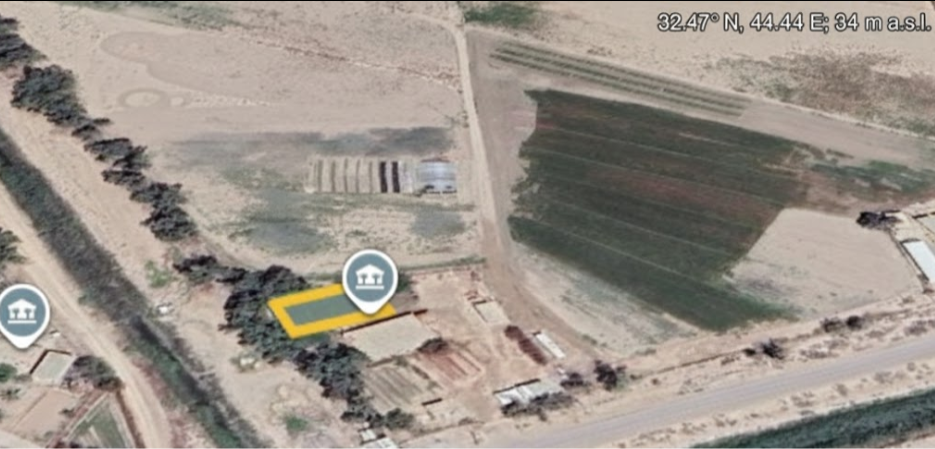
Location of the agricultural experiment site at Al-Muradiya research station, directorate of agriculture, babylon, iraq.
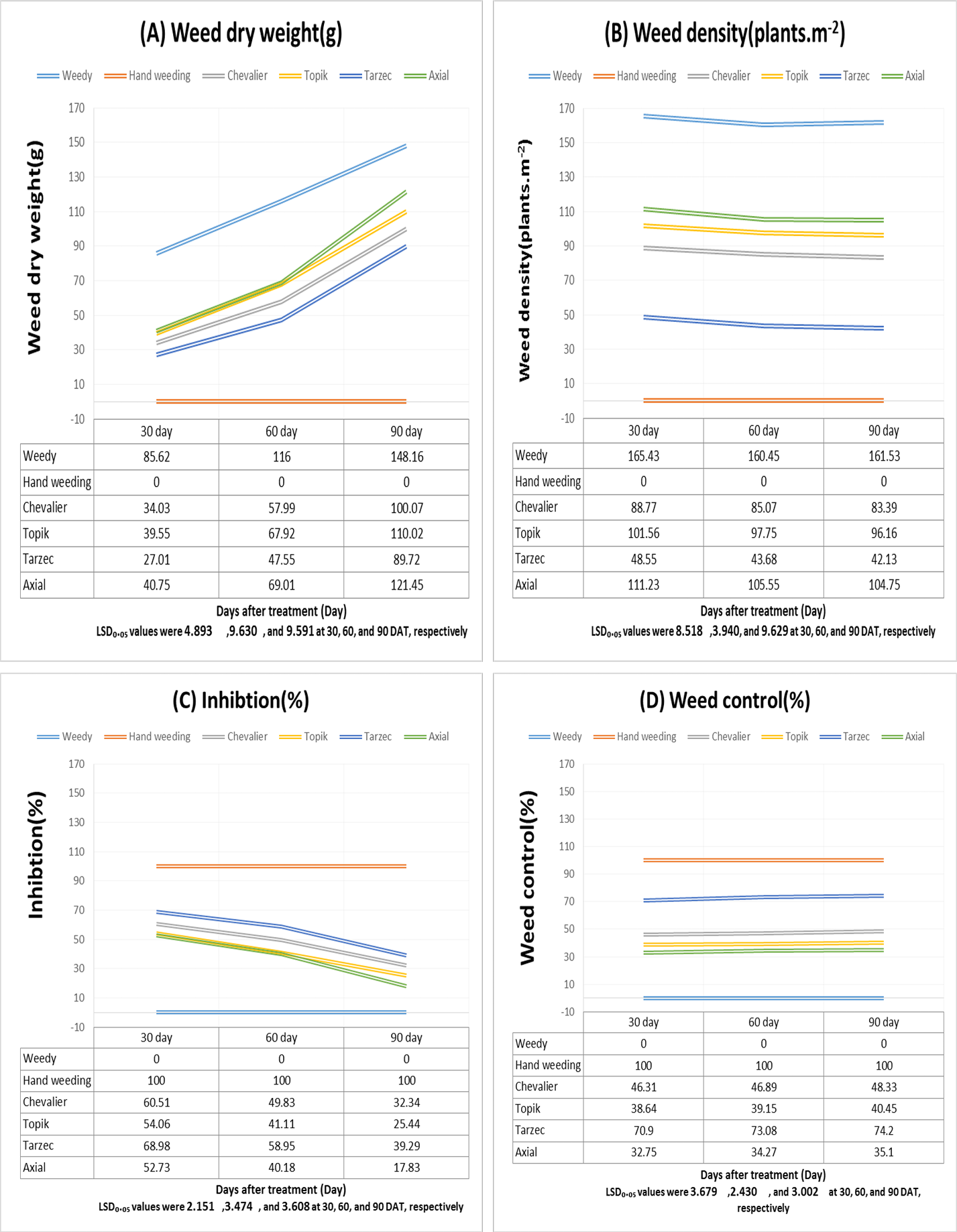
Time response of herbicide types on weed growth and control parameters
Temporal response of weed seed sources (provinces) in weed growth and control parameters
References
- Alsaadawi, I., R. Hassan, and F. Al-Khuzai. 2021. Effect of weed control on tillering and biomass accumulation of wheat under Iraqi conditions. J. Agric. Sci., 13(2): 45–58. https://doi.org/10.5539/jas.v13n2p45 .[CrossRef]
- Anderson, R., D. Peters, and H. Clark. 2018. Early mechanical weed control for optimal crop competition. Weed Technol., 32(1): 87–98. https://doi.org/10.1017/wet.2017.84[CrossRef]
- Beckie, H. J. (2020). Herbicide resistance in plants. Plants, 9(4): 435.[CrossRef]
- Busi, R., H.J. Beckie, T.A. Gaines, D.E. Goggin, S.S. Kaundun, and M. Lacoste. 2020. Herbicide-resistant weeds: From research and knowledge to future needs. Evolut. App., 13(6): 1239–1251. https://doi.org/10.1111/eva.12942[CrossRef]
- Chauhan, B.S. 2020. Grand challenges in weed management. Front. Agron., 2: 3. https://doi.org/10.3389/fagro.2020.00003.[CrossRef]
- Chen, J., L. Zhang, and M. Liu. 2023. Geographical variation in herbicide sensitivity: The role of local selection and genetic drift. Pest Manag. Sci., 79(3): 1054–1066. https://doi.org/10.1002/ps.7285.[CrossRef]
- Comont, D., C. Délye, & R. Busi. 2020. Population variability in herbicide sensitivity and its consequences for integrated weed management. Pest Manag. Sci., 76(11): 3761–3772. https://doi.org/10.1002/ps.5964.[CrossRef]
- Délye, C., M. Jasieniuk, and V. Le Corre. 2022. Mechanisms of herbicide resistance and population variability in grass weeds. Trend. Plant Sci., 27(4): 345–358. https://doi.org/10.1016/j.tplants.2022.01.006[CrossRef]
- Délye, C., Y. Menchari, S. Michel, É. Cadet, and V. Le Corre. 2020. Evolution of herbicide resistance in weeds: Genetic and environmental determinants. Plant Sci., 299: 110613. https://doi.org/10.1016/j.plantsci.2020.110613[CrossRef]
- Gaines, T.A., S.O. Duke, S. Morran, C.A.G. Rigon, P.J. Tranel, A. Küpper, & F.E. Dayan. 2020. Mechanisms of evolved herbicide resistance. J. Biol. Chem., 295(30): 10307–10330. https://doi.org/10.1074/jbc.REV120.013572[CrossRef]
- Ganie, Z.A., I.S. Sandhu, M. Singh, and B.S. Chauhan. 2021. Biology and management of wild barley (Hordeum spontaneum): A review. Crop Protect., 143: 105557. https://doi.org/10.1016/j.cropro.2021.105557 .[CrossRef]
- Heap, I. 2022. Herbicide resistance in plants—An international overview. Weed Sci., 70(3): 205–220. https://doi.org/10.1017/wsc.2022.1[CrossRef]
- Herbicide Resistance Action Committee (HRAC). 2020. Global herbicide mode of action classification: Transition from letters to numbers. HRAC. Available from: https://hracglobal.com/tools/2020-review-of-the-herbicide-moa-classification.
- Melander, B., N. Munier-Jolain, R. Charles, J. Wirth, J. Schwarz, R. Van Der Weide, L. Bonin, P.K. Jensen, and P. Kudsk. 2017. European perspectives on environmental variability faced by weed control technology in winter cereals. Weed Res., 57(4): 210–222. https://doi.org/10.1111/wre.12255[CrossRef]
- Konica Minolta. 1989. SPAD-502 Chlorophyll Meter Instruction Manual. Konica Minolta Sensing Inc., Japan. Available at: https://www.konicaminolta. com/instruments/ download/instruction_ manual/color/pdf/spad-502plus_manual_en.pdf .
- Li, H., W. Zhang, & F. Chen. 2019. Differential responses of wild barley to ACCase-inhibiting herbicides: Implications for resistance management. Front. Plant Sci., 10: 1234. https://doi.org/10.3389/fpls.2019.01234 .[CrossRef]
- Peterson, M.A., J. Whitaker, and W.B. Scivittaro. 2018. Integrating chemical and mechanical weed control to manage resistance evolution in cereal crops. Agron. J., 110(4): 1381–1392. https://doi.org/10.2134/agronj2017.11.0665[CrossRef]
- Pradhan, S. and M. Chakraborti. 2022. Impacts of integrated weed management on wheat productivity and weed dynamics: A review. Agron., 12(9): 2058. https://doi.org/10.3390/agronomy12092058[CrossRef]
- Sharma, S., R. Kumar, and R. Singh. 2020. Weed-induced physiological stress in wheat and its mitigation. J. Plant Nutrit., 43(8): 1145–1157. https://doi.org/10.1080/01904167.2020.1758932[CrossRef]
- Siyar, S., Majeed, A., Muhammad, Z., Ali, H., and Inayat, N. (2019). Allelopathic effect of aqueous extracts of three weed species on the growth and leaf chlorophyll content of bread wheat. Acta Ecologica Sinica, 39(1), 63-68.
- Smith, R.G., D.A. Mortensen, and M.R. Ryan. 2021. A new perspective on herbicide efficacy: Considering weed growth dynamics and community interactions. Weed Sci., 69(2): 123–134. https://doi.org/10.1017/wsc.2020.84[CrossRef]
- Travlos, I.S., D. Chachalis, A. Tataridas, I. Kakabouki, and P. Papastylianou. 2021. Efficacy of integrated weed management strategies in wheat and barley under Mediterranean conditions. Sustain., 13(7): 3734. https://doi.org/10.3390/su13073734[CrossRef]
- Yu, Q. and S.B. Powles. 2023. Resistance to herbicides reaching across the world. Plant Physiol., 191(4): 2085–2097. https://doi.org/10.1093/plphys/kiac601[CrossRef]
- Zimdahl, R.L., D.L. Smith, and R.L. Anderson. 2018. Weed competition effects on wheat productivity: A meta-analysis. Field Crop. Res., 221: 95–104. https://doi.org/10.1016/j.fcr.2018.02.002[CrossRef]
Services
Article usage statistics
Loading…