Insect’s (Honey Bee) Diversity: A Rapidly Growing Threat Accelerated by Environmental Pollutants
· · ·
Affiliations & Notes ⌄
1Department of Zoology, Government Sadiq College Women University, Bahawalpur- 63100, Pakistan. 2Department of Entomology, The Islamia University of Bahawalpur- 63100, Pakistan. 3Department of Entomology, University of Sargodha, Sargodha- 40100, Pakistan Corresponding author: Saima Naz saima.naz@gscwu.edu.pk
Exposure of many environmental pollutants like heavy metals, pesticides, and antibiotics negatively affect the honeybee vitality in different ways i.e. behaviorally, developmentally, morphologically and immunologically.
All these environmental pollutants in any form present in air and soil can affect the diversity and survival of insects.
The current review compared the effect of different environmental pollutants such as heavy metals, pesticides, and antibiotics on insect diversity and their functional systems.
It is suggested that these chemicals must be used with great care as they affect insect population.
Selected from the article's own text.
Abstract
Insect’s diversity plays an important role in ecosystem. Different types of environmental pollutants like heavy metals, pesticides and antibiotics cause changes in insect diversity and continuously have become threat to health of living organisms. Additionally, pollutants coming from traffic smoke also affect the interaction of insects with other insects and plants. Exposure of toxic level of heavy metals can cause DNA damage, learning, sensory disability and memory deficit. Major portion of insects have malformed growth and mortality rate affected by heavy metals, mainly with the exposure of pesticides. On the other hand, pesticides not only alter the behavior, growth and developmental physiology, gut microbiota, but also cause mitochondrial abnormalities. The use of different antibiotics is also posing threat to bees by causing changes in the structure, productivity and physiology of their gut microbiota. The current review compared the effect of these environmental pollutants on bee diversity and their functional systems. Therefore, it can be indicated that all these environmental pollutants may pose serious negative effects on the fitness and survival of insects. It is suggested that these chemicals must be used with great care as they affect insect population.
Novelty Statement | This paper discusses the impact of heavy metals, pesticides and antibiotics pollution on the bee’s decline by disturbing their colony structure, productivity, morphology and physiology of their gut microbiota for first time. The study will raise the concerns about the bee conservation.
Introduction
Biodiversity is life supporting system. There is variety of forms of life on this planet (earth) including different animals, plants and micro-organisms . Biodiversity plays major role in all functions of ecosystem and its services. Now a day, anthropogenic and natural factors are greatly contributing towards loss and decline in natural biodiversity. Environmental pollutants are the main cause of change in biodiversity. Specially, it is greatly changing the insect populations. In the recent time, such a great loss to the biodiversity may pose a serious threat to the survival of mankind by disturbing the natural ecosystems .
Pollution causeed by introducing harmful substances in environment is the main threat to ecological system and human health . Environment pollution is a ubiquitous problem and it has dangerous out comes on health of living organisms. Micro plastic can also penetrate in soil by different sewage sediment methods and cause pollution . Heavy metals have been gradually released into the surrounding environment and anthropogenic activities polluted the soil by adding different heavy metals like lead (Pb), cadmium (Cd) and zinc (Zn) . Manganese (Mn) coming from industries also act as a pollutant, it can change the overall behavioral and neuronal functions of many important insects like honey bees .
Accretion of heavy metals such as copper (Cu), cadmium (Cd) and lead (Pb) in different parts of plants like leaves and flowers indicate that pollinator insects may be exposed to these metals by visiting these contaminated plants . Heavy metals accumulation in major pollinating plants can be a threat to valuable pollinators . Over use of synthetic chemicals and fertilizers carrying higher amounts of metals can contaminate the soil and plants . Heavy metal enriched waste released, resultant of high mining activities, may also change or destroy the neighboring plant and associated insect communities . By eating polluted pollen, these pollutants reach to the bee body and cause physiological problems. Studies indicated that the content of heavy metals not only affects the plants but also plant associated insects and nectar feeding bees (Najar-Rodríguez et al., 2007).
The variation of insecta is reviewed in terms of their diverse communities of different microbes present in their gut . The gut of insect is predicted to be consisted of ten times extra microbes than total cells of the insect . Microbiota refers as assembled genome of microorganisms in an appropriate environment . In insect’s gut, microbiota plays beneficial role in the growth, development and adaptation to the environmental variations . The evolutionary achievements of insects depend on multitude association with beneficial micro-organisms . Microbial community has a favorable appearance during balance of host’s immune system, normal homeostasis, regulation of host evolution, physiology, organ development, morphogenesis and metabolism .
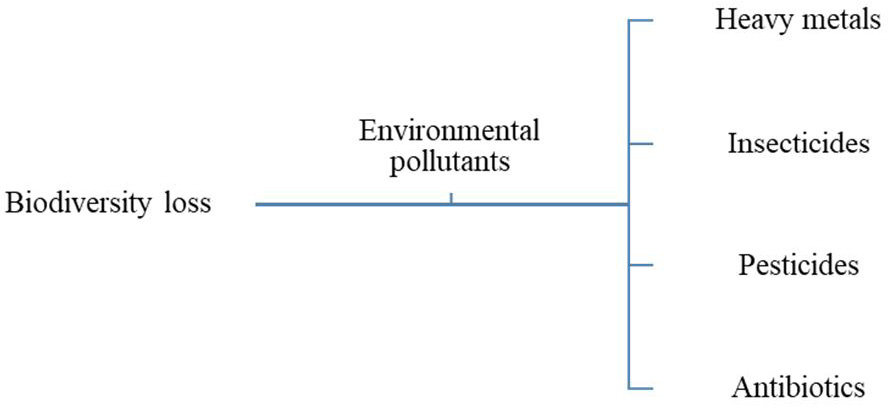
The relationship between insect hosts and microbes are productive to analyze revolutionary and environmental processes . Microbiota can be transmitted with the help of variations in environment and by social interaction of individuals . Products of gut microbiota play a significant role in the life cycle of insects . These gut microbes are able to accommodate themselves according to the fluctuation in the microbial community . The gut of developed honeybee consists of five core bacterial symbionts that are Gilliamella apicola, Snodgrassella alvi, Bifidobacterium Asteroides and Lactobacillus . Gut microbiome of bee take part in metabolism, growth, development, function of immune system and protection from pathogens . Microbiota of gut has influential service in insect body. Gut microbiota can be affected by particular and non-particular factors such as dietary and environmental factors . Antibiotics, organic pollutants, heavy metals, nano materials and pesticides affect the microbiota present in insect gut . Pollutants released from smoke of heavy traffic also affect the insects and their interactions. Mainly, petrol pollution negatively affects the learning process and memory of honey bees . Many insects exposed to pollutants via eating contaminated food having pesticides (term pesticides means including insecticides) . Different pollutants affecting the insect diversity in various ways are depicted in Figure 1. Hence, the present study is discussing the impact of various environmental pollutants reducing insect’s diversity.
In nature, a storng association is existing among plant diversity, soil microbial communities and ecosystem. Mostly, low concentration of systemic insecticide imidacloprid does not affect the bee colony. The sub-lethal dosage of imidacloprid when given to larva affects its associative ability and may affect the survival condition of whole colony . Clothianidin and thiamethoxam were highly toxic to winter worker bees before brooding in spring. Reduction in bee survival rate was also noticed by the chronic exposure to neonicotinoids . Imidacloprid and fipronil are the two major insecticides which act on the central nervous system of honey bees. Sub lethal and chronic exposure of these insecticides showed presences of chemicals in their food supply .
Acetycholine (ACH) is the main excitatory neurotransmitter in central nervous system (CNS) of insects. Neonicotinoids are safe for humans and livestock but have threat to pollinating insect species such as bees. Its affects insect’s behaviour and also their developmental stages. Additionally, it causes reduction of ACH secretion in brood food, enhance the developmental impairments and reduce hypopharyngeal gland size within the colony . A nicotinic acetylcholine receptor agonist (imidacloprid) damage memory function in bees and have some common effect on foraging behavior. Bees’s waggle dancing may also enhance colony food intake and sub-lethal insecticide doses may impair colony fitness . Beekeepers treated honey bee colonies with ox tetracycline to control pathogen larva and bee gut biota causing high level resistance against tetracycline .
Honey bees act as a monitor for heavy metals near thermal power plants. Honey bee products can be contaminated by different environmental practices and contamination level of many toxic elements such as cadmium and lead in bee sample was higher than the honey sample. Thus, honey bees may be better bioindicator for heavy metal pollution . Alimentary tract of honey bees contains very beneficial bacteria which help in digestion of food, provide essential nutrients, fight against pathogens, increase immunity of host and detoxify harmful molecules . Volatile organic compounds (VOCs) intermediate many ecological relationships including pollination and herbivory. Petrol pollution indirectly affect the memory and olfactory learning of honey bees. Bees were trained for linalool, myrcene, geranium and dipentene by using different olfactory conditioning . Exposure of metal and metalloid can affect the microbiome of bee and strains of bees associated bacteria can bio accumulate toxicants such as selenate and cadmium .
The effect of sub lethal doses of pesticides on the behaviour of honey bees was analyzed and it was found that cognitive, motor and sensory functions of honeybee might be affected by neonicotinoids thiamethoxam, acetamiprid and fipronil at its highest dose (Aliouane et al., 2009). Pyrifluquinazon (PQZ) is harmless to honey bees (A. mellifera) but its sub-lethal amounts may have an adverse influence on the behavior of honey bees and bee workers identify PQZ easily in their feed and then reject it .
A study indicated that short time administration of antibiotics can cause long-term changing in microbiota of any individual. For instance, long term consequences of one-week clindamycin administration, in regard to selection and persistence of resistance, was noticed . Exposure of antibiotic also decrease their survival rate and hive conditions in which bees were exposed to pathogen .
Host-symbiont dynamics also effect the composition of microbiome as well as host-social behavior. Microbiome of queen can improve metabolic change of energy from food to the production of eggs . All metazoans have association with many microbial communities which can be inherited from the environment. Many specific habitats such as grassland are directly associated with low diversity bee breeds and it may result in reduction of bees functioning within the hives . Bee exposure to glyphosate can alter their beneficial microbiota of gut which affect the bee health and its pollination services. The relative presence of dominant gut microbiota species was less in bees when exposed to glyphosate. Whereas, exposure of glyphosate to young workers increases mortality of bees later exposed to the pathogen Serratia marcescens .
Impact of environmental pollutants
Heavy metals
Heavy metals have toxic effect on insects such as DNA damage, oxidative stress, carcinogenesis and alteration in the function of immune system . Exposure of high-level toxic metals to insects can cause sensory disability, learning performance and memory deficits . Metals like lead (Pb), cadmium (Cd), zinc (Zn) and copper (Cu) affect hemocytes morphology in the house fly, Musca domestica. These metals are immunotoxins for insects . The exposure of nickel (Ni) directly affects the growth and immune responses of the larva of Spodoptera litura . Microbiome of honey bee can be changed due to metals exposure, and it also alter strains of bee associated bacteria.
Heavy metals (Cd, Cu, Hg) have acute and chronic effects on physiology and anatomy of Aedes aegypti . The heavy metal pollution in surrounding environment have negative on diversity and abundance of wild bees . When bumble bee microbiome exposed to selenite it enhances its survivorship . Some toxic heavy metals can also change the overall feeding behaviour of honey bee (A. mellifera) . Cadmium (Cd) reduces population growth, alter hemocyte morphology, and have a chronic effect on the anatomy and physiology of insects. Aluminum (Al) and nickel (Ni) affect the foraging behavior while Ni and Pb lessen the production rate. The morphology of hemocytes in Aphidius ervi is also affected by Zn, Cu and Cd (Table 1).
Little amount of Al may increase or decrease the activity level and floral decision making in honeybees. Al also alters their foraging behaviour . Recent research provides basic information about effects of different heavy metals (Cd, Cu and Pb) in A. mellifera foragers. Foragers can accumulate more metal contents than non-foragers .
When concentration of metals like (Cd, Zn and Pb) is high in surrounding polluted areas then they directly decrease the abundance of wild bees . Level of different hormones like serotonin and octopamine may increase due to high consumption of Mn in bees . A recent study showed that on basis of LC50 values, spinosad and oxymatrine have a poisonous action to honeybees .
Ni and Al present in contaminated nectar may change the way of interaction with plants of bumble bees . Heavy metal pollution reduces the reproduction and population growth of the bee Osmia rufa . In case of bee larva exposed to Pb, Cu and Cd face many survival and growth problems .
Cd with imidacloprid had a negative effect on A. ervi by lowering population growth rate . Cd, Ni and As are considered as carcinogens and their exposure to bees can cause change in DNA repair procedure and its genetic outcome . The exposure of Mn2+ at different levels can affect the insect behaviour .
Pesticides
Pesticide exposure to honeybees cause changes in their neural inactivation and target signaling during foraging activities . Honey bees’ health, growth and survival rate change when they are exposed to chlorothalonil. It can also affect the bee gut bacteria . Interaction between different bee pathogens and pesticides is consider as dominant contributor to increase their mortality rate . Pesticides exposure to bumble bees can negatively affect their pollination services, survival of colony, individual behaviour and memory learning process . Pesticides exposure to A. mellifera also has indirect effect on adults’ longevity and larval development .
Insecticides dieldrin and endosulfan have negative impact on Drosophila, reduce the ability of digestion of parasitoid eggs and affect the fitness of Drosophila . Some insecticides monocrotophos, dimethoate, methyl-parathion, quinalphos and endosulfan affect the total hemocyte number in Rhynocoris kumarii . Bees expose to neonicotinoids have reduced survival rates and change in behaviour is observed due to thiamethoxam, acetamiprid, imidacloprid and clothianidin exposure in honeybees, leafcutter bees and bumble bees .
Research shows that oxymatrine has destructive action on bees, A. mellifera while change in behaviour of worker bee (A. mellifera) and reduction in success rate of returning to hive was also noticed in result of chlorfluazuron exposure . Deltamethrin, endosulfan, prochloraz and fipronil badly affect the bees and reduce their learning ability . Exposure of Bombus terrestris to insecticides causes different mitochondrial abnormalities which is the main reason of neuronal susceptibility .
Exposure of neonicotinoids to bumble bees lowered the overall production rate of colony and affects its growth rate. It also negatively affects the bee population . Many insecticides upset the sex pheromone and slow down their feeding activities . But, the population of different parasitoids is not affected by imidacloprid . Neonicotinoids decrease the secretion of acetylcholine in brood food that may cause serious growth disturbances in the colony. In his research it is concluded that dieldrin and endosulfan decrease the most reactive strain (P 940) by 25.33% and 23.46% in Drosophila larva .
Table 1: Effect of heavy metals on different insects.
Heavy metals
Insects
Effects
References
Cd, Cu, Pb and Zn
Musca domestica
Effect hemocytes morphology
Ni
Spodoptera litura
Effect the growth and immune responses
Cd, Cu and Hg
Aedes aegypti
Chronic effect on physiology and anatomy
Al
Honeybees
Effects foraging behaviour
Mg
Honeybees
Increase the levels of octopamine, dopamine and serotonin
Al, Ni and Pb
Osmia rufa
effect reproduction and population growth
Cd
Aphidius ervi
Reduce population growth rate
When pollinating bees are exposed to neonicotinoids, they generate many behavioral impairments in adult bees . Neonicotinoids alter the developmental strength of honeybees and diploid females are less susceptible than diploid males . Exposure of clothianidin has critical effect on memory processing in honeybees but its low quantity has not affected the motor activity of bees . In adult workers, sublethal dose of different imidacloprid negatively affect the associative ability of honeybees . When winter bees treated with imidacloprid, their learning performance is also affected .
Insecticides thiamethoxam, imidacloprid and clothianidin influence the immobility, enhance vulnerability, queen production and change the sex ratio in bumble bees . A study showed that after the exposure of honeybee to thiacloprid enhanced highly significantly the spore production up to 156.9×10⁶ spores/bee and with fipronil it reduced the spore production in infected bees to 74.8× 10⁶ spores/bee . A. florea and A. dorsata exposed to insecticide showed alteration in antioxidant enzyme and DNA, consequently their population decline in agro-ecosystem . Dieldrin and endosulfan reduce the ability of digestion of parasitoid eggs in bees. On the other hand, dimethoate and methyl parathion reduce the total number of hemocytes in immune systems. The survival rate of bees is lowered by exposure to acetamiprid, clothianidin, and thiamethoxam. Chlorfluazuron destructs the bee behavior while fipronil, deltamethrin, and prochloraz lower their learning performance. Neonicotinoids and imidacloprid lessen the production rate of colonies, cause behavioral impairment and induce immobility (Table 2).
Insect growth regulators change the developmental process in arthropods when exposed to pesticides . Bees treated with pesticides change the behaviour by less feeding stimulation. Pesticides enhance the sensitivity of bees to Nosema ceranae infection . Presence of pesticides and N. ceranae attack on bee colony and lower its population number . Research showed the effect of nine pesticides on mortality rate of honeybees. Mortality in bees increased with dimethoate and fipronil .
Bee colonies have higher number of Nosema when exposed to surrounding environment having pesticides by increasing the chances of mortality of colonies . Thymol, coumaphos and formic acid may alter gene expression and metabolic response of bee colony . Pesticides may negatively affect the physiological behavior that can lower the survival rate . Pesticides (Imidacloprid) treatment can affect the foraging activity during pollination services of workers in bumble bees . Clothianidin and neonicotinoids negatively affect the immune parameters of honeybee individual .
Pesticides like fipronil and thiamethoxam have little effect on bee cognitive, motor and sensory functions (Aliouane et al., 2009). If bees take food having pesticides, they avoid to pollinate the target plant . Honey bee behaviour and their odor learning can change by slightly exposure to coumaphos . Combine effect of pesticides increase the death rate of bumble bee colonies, it also lowers the work efficiency and foraging power of colonies ; . Azoxystrobin, captan, and cyprodinil increase the mortality rate of insects. Coumaphos change the behavior and odor learning while thymol disturbs the metabolic responses of insects. Cypermethrin and triazamate also reduced overall learning performance (Table 2).
Table 2: Effect of different groups of insecticides on bees.
Name of pesticides
Effects
References
Dieldrin and Endosulfan
Reduce the ability of digestion of parasitoid eggs
Delpuech et al., 1996
Dimethoate, Methyl parathion
Reduce total hemocyte number
George and Ambrose, 2004
Acetamiprid, clothianidin, Thiamethoxam
Reduce survival rate
Baines et al., 2017
Chlorfluazuron
Impairment the behaviour
Rabea et al., 2010
Fipronil, Deltamethrin, and Prochloraz
Reduced learning performances
Decourtye et al., 2005
Neonicotinoids
Mitochondrial abnormality, Reduce production rate of colonies, Behavioral impairments
Moffat et al., 2015
Whitehorn et al., 2012
Azoxystrobin, Captan, Cyprodinil
Increase mortality rate
Pettis et al., 2013
Thymol
Disturb metabolic responses
Boncristiani et al., 2012
Coumaphos
Change in behaviour and odor learning
Weick and Thorn, 2009
Imidacloprid
Reduce foraging ability
Feltham et al., 2014
Cypermethrin, Andtriazamate
Reduced learning performance
Decourtye et al., 2005
Imidacloprid
Induced immobility
Moffat et al., 2016
Antibiotics
Antibiotics have a great effect on the microbiota of insects as its various concentrations effects its structure, physiology and productivity while microorganisms which are antibiotic resistant are not affected (Martínez, 2017). Antibiotics are involved in control and prevention of various diseases and can be used as feed additives which enhance the animal growth and are commonly used for humans, aquaculture and animal husbandry . Many bacterial species Snodgrassella alvi was most affected one by the use of glyphosate while the effect of tylosin is different from that of glyphosate that affect microbiota especially at the stage of possession. The sublethal dose of lyphosate and tylosin adversely affect the microbiota of bees .
Antibiotics change the size of microbiome in bee gut. Composition and overall size of gut microbiome changed due to exposure of antibiotics to honey bees. Life span of honey bees is increased by antibiotic treatment as it changes gene expression of microbiota . By the long-term use of antibiotics, gut microbiota acquires resistant genes against disease causing agents. Microbiome of honey bees shows resistance for tetracycline . Antibiotics are used to control varroa disease that affect the honey bee in fighting against parasitic infections . Bee exposure to antibiotics disorganize the native community of bacteria in gut. Tetracycline (antibiotics) decreases the survival rate of bees . In some studies, honey bee colonies managed and treated with oxytetrcycline (antibiotic) against different European and American foulbrood ; . Antibiotic (oxytetracyclines) binds to 30S ribosomal subunit of microbes like all other tetracyclines and prevent amino-acyl tRNA to bind the ribosome and cause the cell death .
Conclusion
Exposure of many environmental pollutants like heavy metals, pesticides, and antibiotics negatively affect the honeybee vitality in different ways i.e. behaviorally, developmentally, morphologically and immunologically. All these environmental pollutants in any form present in air and soil can affect the diversity and survival of insects. Insecticides are extremely effective to control insect pests and negatively affect the feeding activities of insects, lower the growth rate of colonies and disturb the sex pheromones. Insecticides also effect the different physiological functions like thermoregulation and muscle activity in honey bees while neuronal activation and cholinergic signaling of bees may alter by exposure of pesticides. The current review compared the effect of different environmental pollutants such as heavy metals, pesticides, and antibiotics on insect diversity and their functional systems. It is suggested that these chemicals must be used with great care as they affect insect population.
Acknowledgement
We are grateful to the digital library of Higher Education Commission Pakistan for providing the platform to search the literature and provision of full text articles to write this review.
Conflict of interest
The authors have declared no conflict of interest.
Figures
Figure 1:.
Biodiversity loss due to environmental pollutants.
References
Abramson, C.I., Singleton, J.B., Wilson, M.K., Wanderley, P.A., Ramalho, F.D.S. and Michaluk, L.M., 2006. Effect of an organic pesticide on mortality and learning in Africanized Honey Bees (Apis Mellifera L.) in Brasil. Am. J. Environ. Sci., 2: 33–40. https://doi.org/10.3844/ajessp.2006.33.40[CrossRef]
Alkassab, A.T. and Kirchner, W.H., 2018. Assessment of acute sublethal effects of clothianidin on motor function of honeybee workers using video-tracking analysis. Ecotoxicol. Environ. Saf., 147: 200–205.
Appannagari, R.R., 2017. Environmental pollution causes and consequences: A study. Int. J. Human. Soc. Sci. Res., 3: 151-161.
Baines, D., Wilton, E., Pawluk, A., De Gorter, M. and Chomistek, N., 2017. Neonicotinoids act like endocrine disrupting chemicals in newly-emerged bees and winter bees. Sci. Rep., 7: 1–18. https://doi.org/10.1038/s41598-017-10489-6[CrossRef]
Boncristiani, H., Underwood, R., Schwarz, R., Evans, J.D., Pettis, J. and Vanengelsdorp, D., 2012. Direct effect of acaricides on pathogen loads and gene expression levels in honey bees Apis mellifera. J. Insect Physiol., 58: 613–620.
Bonilla-Rosso, G., and Engel, P., 2018. Functional roles and metabolic niches in the honey bee gut microbiota. Curr. Opi. Microbiol., 43: 69–76. https://doi.org/10.1016/j.mib.2017.12.009[CrossRef]
Bonmatin, J.M., Giorio, C., Girolami, V., Goulson, D., Kreutzweiser, D.P., Krupke, C. and Tapparo, A., 2015. Environmental fate and exposure; neonicotinoids and fipronil. Environ. Sci. Pollut. Res., 22: 35–67. https://doi.org/10.1007/s11356-014-3332-7[CrossRef]
Bonmatin, J.M., Marchand, P.A., Cotte, J.F., Aajoud, A. and Casabianca, H., 2007. Systemic insecticides (imidacloprid and fipronil) reach pollen A worrisome situation for bees. Conf. Int. Conf. Bees Agric. Biodiv., pp. 16-17.
Borowska, J. and Pyza, E., 2011. Effects of heavy metals on insect immunocompetent cells. J. Insect Physiol., 57: 760–770. https://doi.org/10.1016/j.jinsphys.2011.02.012[CrossRef]
Brandt, A., Gorenflo, A., Siede, R., Meixner, M. and Buchler, R., 2016. The neonicotinoids thiacloprid, imidacloprid, and clothianidin affect the immunocompetence of honey bees (Apis mellifera L.). J. Insects Physiol., 86: 40–47. https://doi.org/10.1016/j.jinsphys.2016.01.001[CrossRef]
Burden, Christina, M., Morgan, M.O., Hladun, K.R., Amdam, G.V., Trumble, J.J. and Smith, B.H., 2019. Acute sublethal exposure to toxic heavy metals alters honey bee (Apis mellifera) feeding behavior. Sci. Rep., 9: 1–10. https://doi.org/10.1038/s41598-019-40396-x[CrossRef]
Chakrabarti, P., Rana, S.,Sarkar, S., Smith, B. and Basu P., 2015. Pesticide-induced oxidative stress in laboratory and field populations of native honey bees along intensive agricultural landscapes in two Eastern Indian States. Apidologie, 46: 107-129. https://doi.org/10.1007/s13592-014-0308-z[CrossRef]
Chicas-Mosier, A.M., Cooper, B.A., Melendez, A.M., Pérez, M. and Abramson, C.I., 2017. The effects of ingested aqueous aluminum on floral fidelity and foraging strategy in honey bees (Apis mellifera). Ecotoxicol. Environ. Saf., 143: 80–86. https://doi.org/10.1016/j.ecoenv.2017.05.008[CrossRef]
Decourtye, A., Devillers, J., Genecque, E., Le Menach, K., Budzinski, H., Cluzeau, S. and Pham-Delègue, M.H., 2005. Comparative sublethal toxicity of nine pesticides on olfactory learning performances of the honeybee Apis mellifera. Arch. Environ. Contam. Toxicol., 48: 242–250. https://doi.org/10.1007/s00244-003-0262-7[CrossRef]
Decourtye, Axel, Lacassie, E. and Pham-Delégue, M.H., 2003. Learning performances of honeybees (Apis mellifera L) are differentially affected by imidacloprid according to the season. Pest Manag. Sci., 59: 269–278. https://doi.org/10.1002/ps.631[CrossRef]
Delpuech, J.M., Frey, F. and Carton, Y., 1996. Action of Insecticides on the Cellular immune reaction of Drosophila melanogaster against the parasitoid leptopilina boulardi. Environ. Toxicol. Chem., 15: 2267. https://doi.org/10.1897/1551-5028(1996)015<2267:AOIOTC>2.3.CO;2[CrossRef]
Desneux, N., Decourtye, A. and Delpuech, J.M., 2007. The sublethal effects of pesticides on beneficial arthropods. Annu. Rev. Entomol., 52: 81–106. https://doi.org/10.1146/annurev.ento.52.110405.091440[CrossRef]
Di, N., Hladun, K.R., Zhang, K., Liu, T.X. and Trumble, J.T., 2016. Laboratory bioassays on the impact of cadmium, copper and lead on the development and survival of honeybee (Apis mellifera L.) larvae and foragers. Chemosphere., 152: 530–538. https://doi.org/10.1016/j.chemosphere.2016.03.033[CrossRef]
Dillon, R.J. And Dillon, V.M., 2004. The gut bacteria of insects: Nonpathogenic Interactions. Ann. Rev. Entomol., 49: 71–92. https://doi.org/10.1146/annurev.ento.49.061802.123416[CrossRef]
Eiri, D.M. and Nieh, J.C., 2012. A nicotinic acetylcholine receptor agonist affects honey bee sucrose responsiveness and decreases waggle dancing. J. Exp. Biol., 215: 2022–2029. https://doi.org/10.1242/jeb.068718[CrossRef]
Engel, P. and Moran, N.A., 2013. The gut microbiota of insects diversity in structure and function. FEMS Microbiol. Rev., 37: 699–735. https://doi.org/10.1111/1574-6976.12025[CrossRef]
Feltham, H., Park, K. and Goulson, D., 2014. Field realistic doses of pesticide imidacloprid reduce bumblebee pollen foraging efficiency. Ecotoxicology, 23: 317–323. https://doi.org/10.1007/s10646-014-1189-7[CrossRef]
Friedli, A., Williams, G.R., Bruckner, S., Neumann, P. and Straub, L., 2020. The weakest link: Haploid honey bees are more susceptible to neonicotinoid insecticides. Chemosphere, 242: 125-145. https://doi.org/10.1016/j.chemosphere.2019.125145[CrossRef]
Genersch, E., Evans, J.D. and Fries, I., 2010. Honey bee disease overview. J. Invertebr. Pathol., 103: S2–S4. https://doi.org/10.1016/j.jip.2009.07.015[CrossRef]
Genta, F.A., Dillon, R.J., Terra, W.R. and Ferreira, C., 2006. Potential role for gut microbiota in cell wall digestion and glucoside detoxification in Tenebrio molitor larvae. J. Insect Physiol., 52: 593–601. https://doi.org/10.1016/j.jinsphys.2006.02.007[CrossRef]
George, P.J.E. and Ambrose, D.P., 2004. Impact of insecticides on the haemogram of Rhynocoris kumarii ambrose and livingstone (Hem., Reduviidae). J. Appl. Entomol., 128: 600–604. https://doi.org/10.1111/j.1439-0418.2004.00896.x[CrossRef]
Gill, R.J. And Raine, N.E., 2014. Chronic impairment of bumblebee natural foraging behaviour induced by sublethal pesticide exposure. Funct. Ecol., 28: 1459–1471. https://doi.org/10.1111/1365-2435.12292[CrossRef]
Gill, R.J., Ramos-Rodriguez, O. and Raine, N.E., 2012. Combined pesticide exposure severely affects individual-and colony-level traits in bees. Nature, 491: 105–108. https://doi.org/10.1038/nature11585[CrossRef]
Grünewald, B. and Siefert, P., 2019. Acetylcholine and its receptors in honeybees: Involvement in development and impairments by neonicotinoids. Insects, 10: 420. https://doi.org/10.3390/insects10120420[CrossRef]
Han, F.X., Banin, A., Su, Y., Monts, D.L., Plodinec, M.J., Kingery, W.L. and Triplett, G.E., 2002. Industrial age anthropogenic inputs of heavy metals into the pedosphere. Naturwissenschaften, 89: 497–504. https://doi.org/10.1007/s00114-002-0373-4[CrossRef]
Hasan, N. and Yang, H., 2019. Factors affecting the composition of the gut microbiota, and its modulation. PeerJ., 7: 7502. https://doi.org/10.7717/peerj.7502[CrossRef]
He, Z.L., Yang, X.E. and Stoffella, P.J., 2005. Trace elements in agroecosystems and impacts on the environment. J. Trace Elem. Med. Bio., 19: 125–140. https://doi.org/10.1016/j.jtemb.2005.02.010[CrossRef]
Hladun, K.R., Parker, D.R. and Trumble, J.T., 2015. Cadmium, copper, and lead accumulation and bioconcentration in the vegetative and reproductive organs of raphanus sativus: Implications for plant performance and pollination. J. Chem. Ecol., 41: 386–395. https://doi.org/10.1007/s10886-015-0569-7[CrossRef]
Ian, C. and Marilyn, R., 2001. Tetracycline antibiotics: Mode of action, applications, molecular biology, and epidemiology of bacterial resistance. Microbiol. Mol. Biol. R., 65: 232–260. https://doi.org/10.1128/MMBR.65.2.232-260.2001[CrossRef]
Jin, Y., Wu, S., Zeng, Z. and Fu, Z., 2017. Effects of environmental pollutants on gut microbiota. Environ. Pollut., 222: 1–9. https://doi.org/10.1016/j.envpol.2016.11.045[CrossRef]
Jones, J.C., Fruciano, C., Hildebrand, F., Al Toufalilia, H., Balfour, N.J., Bork, P., Engel, P., Ratnieks, F.L. and Hughes, W.O., 2018. Gut microbiota composition is associated with environmental landscape in honey bees. Ecol. Evol., 8: 441-451. https://doi.org/10.1002/ece3.3597[CrossRef]
Kakumanu, M.L., Reeves, A.M., Anderson, T.D., Rodrigues, R.R. and Williams, M.A., 2016. Honey bee gut microbiome is altered by in-hive pesticide exposures. Front. Microbiol., 7: 1–11. https://doi.org/10.3389/fmicb.2016.01255[CrossRef]
Kapheim, K.M., Rao, V.D., Yeoman, C.J., Wilson, B.A., White, B.A., Goldenfeld, N. and Robinson, G.E., 2015. Caste-specific differences in hindgut microbial communities of honey bees (Apis mellifera). PLoS One, 10: e0123911. https://doi.org/10.1371/journal.pone.0123911[CrossRef]
Khan, K.A., Ansari, M.J., Al-Ghamdi, A., Nuru, A., Harakeh, S. and Iqbal, J., 2017. Investigation of gut microbial communities associated with indigenous honey bee (Apis mellifera jemenitica) from two different eco-regions of Saudi Arabia. Saudi J. Biol. Sci., 24: 1061–1068. https://doi.org/10.1016/j.sjbs.2017.01.055[CrossRef]
Koch, H. and Schmid-Hempel, P., 2011. Socially transmitted gut microbiota protects bumble bees against an intestinal parasite. Proc. Natl. Acad. Sci., 108: 19288–19292. https://doi.org/10.1073/pnas.1110474108[CrossRef]
Kramarz, P. and Stark, J.D., 2003. Population level effects of cadmium and the insecticide imidacloprid to the parasitoid, Aphidius ervi after exposure through its host, the pea aphid, Acyrthosiphon pisum (Harris). Biol. Contr., 27: 310–314. https://doi.org/10.1016/S1049-9644(03)00020-3[CrossRef]
Krishnan, M., Bharathiraja, C., Pandiarajan, J., Prasanna, V.A., Rajendhran, J. and Gunasekaran, P., 2014. Insect gut microbiome - An unexploited reserve for biotechnological application. Asian Pac. J. Trop Biol., 4: 16–21. https://doi.org/10.12980/APJTB.4.2014C95[CrossRef]
Kruckeberg, A.L. and Wu, L., 1992. Copper tolerance and copper accumulation of herbaceous plants colonizing inactive California copper mines. Ecotoxicol. Environ. Saf., 23: 307–319. https://doi.org/10.1016/0147-6513(92)90080-M[CrossRef]
Kwong, W.K. and Moran, N.A., 2016. Gut microbial communities of social bees. Nat. Rev. Microbiol., 14: 374–384. https://doi.org/10.1038/nrmicro.2016.43[CrossRef]
Leonard, R.J., Vergoz, V., Proschogo, N., Mcarthur, C. and Hochuli, D.F., 2019. Petrol exhaust pollution impairs honey bee learning and memory. Oikos, 128: 264–273. https://doi.org/10.1111/oik.05405[CrossRef]
Li, J.H., Evans, J.D., Li, W.F., Zhao, Y.Z., Degrandi-Hoffman, G., Huang, S.K. and Chen, Y.P., 2017. New evidence showing that the destruction of gut bacteria by antibiotic treatment could increase the honey bee’s vulnerability to nosema infection. PLoS One, 12: e0187505. https://doi.org/10.1371/journal.pone.0187505[CrossRef]
Löfmark, S., Jernberg, C., Jansson, J.K. and Edlund, C., 2006. Clindamycin-induced enrichment and long-term persistence of resistant Bacteroides spp. and resistance genes. J. Antimicrob. Chemother., 58: 1160-1167. https://doi.org/10.1093/jac/dkl420[CrossRef]
Lwanga, E.H, Gertsen, H., Gooren, H., Peters, P., Salánki, T., Van Der Ploeg, M. and Geissen, V., 2016. Microplastics in the terrestrial ecosystem: Implications for Lumbricus terrestris (Oligochaeta, Lumbricidae). Environ. Sci. Technol., 50: 2685–2691. https://doi.org/10.1021/acs.est.5b05478[CrossRef]
Meindl, G.A. and Ashman, T.L., 2013. The effects of aluminum and nickel in nectar on the foraging behavior of bumblebees. Environ. Pollut., 177: 78–81. https://doi.org/10.1016/j.envpol.2013.02.017[CrossRef]
Moffat, C., Buckland, S.T., Samson, A.J., Mcarthur, R., Chamosa Pino, V., Bollan, K.A. and Connolly, C.N., 2016. Neonicotinoids target distinct nicotinic acetylcholine receptors and neurons, leading to differential risks to bumble bees. Sci. Rep., 6: 1–10. https://doi.org/10.1038/srep24764[CrossRef]
Moffat, C., Pacheco, J.G., Sharp, S., Samson, A.J., Bollan, K.A., Huang, J. and Connolly, C.N., 2015. Chronic exposure to neonicotinoids increases neuronal vulnerability to mitochondrial dysfunction in the bumblebee (Bombus terrestris). FASEB J., 29: 2112–2119. https://doi.org/10.1096/fj.14-267179[CrossRef]
Morales, M.E., Derbes, R.S., Ade, C.M., Ortego, J.C., Stark, J., Deininger, P.L. and Roy-Engel, A.M., 2016. Heavy metal exposure influences double strand break DNA repair outcomes. PLoS One, 11: p.e0151367. https://doi.org/10.1371/journal.pone.0151367[CrossRef]
Moroń, D., Grześ, I. M., Skórka, P., Szentgyörgyi, H., Laskowski, R., Potts, S. G. And Woyciechowski, M., 2012. Abundance and diversity of wild bees along gradients of heavy metal pollution. J. App. Ecol., 49: 118–125. https://doi.org/10.1111/j.1365-2664.2011.02079.x[CrossRef]
Moroń, D., Szentgyörgyi, H., Skórka, P., Potts, S.G. and Woyciechowski, M., 2014. Survival, reproduction and population growth of the bee pollinator, Osmia rufa (Hymenoptera: Megachilidae), along gradients of heavy metal pollution. Insect Conserv. Divers.,7: 113–121. https://doi.org/10.1111/icad.12040[CrossRef]
Motta, E.V.S., Raymann, K., and Moran, N.A., 2018. Glyphosate perturbs the gut microbiota of honey bees. Proc. Natl. Acad. Sci. U. S. A., 115: 10305–10310. https://doi.org/10.1073/pnas.1803880115[CrossRef]
Motta, E.V.S. and Moran, N.A., 2020. Impact of glyphosate on the honey bee gut microbiota: Effects of intensity, duration, and timing of exposure. M Systems, 5. https://doi.org/10.1128/mSystems.00268-20[CrossRef]
Najar‐Rodríguez, A.J., Walter, G.H. and Mensah, R.K., 2007. The efficacy of a petroleum spray oil against Aphis gossypii Glover on cotton. Part 1: Mortality rates and sources of variation. Pest Manag. Sci., 63: 586-595. https://doi.org/10.1002/ps.1385[CrossRef]
Palmer, M.J., Moffat, C., Saranzewa, N., Harvey, J., Wright, G.A. and Connolly, C.N., 2013. Cholinergic pesticides cause mushroom body neuronal inactivation in honeybees. Nat. Commun., 4: 1-8. https://doi.org/10.1038/ncomms2648[CrossRef]
Pettis, J.S., Lichtenberg, E.M., Andree, M., Stizinger, J., Rose, R. and Van, Engelsdorp, D., 2013. Crop pollination exposes honey bees to pesticides which alters their susceptibility to the gut pathogen Nosema ceranae. PLoS One, 8: p.e70182. https://doi.org/10.1371/journal.pone.0070182[CrossRef]
Pettis, J.S., Vanengelsdorp, D., Johnson, J. and Dively, G., 2012. Pesticide exposure in honey bees results in increased levels of the gut pathogen Nosema. Natur Wise Nschaften, 99: 153–158. https://doi.org/10.1007/s00114-011-0881-1[CrossRef]
Potts, S.G., Biesmeijer, J.C., Kremen, C., Neumann, P., Schweiger, O. and Kunin, W.E., 2010. Global pollinator declines: Trends, impacts and drivers. Trends Ecol. Evol., 25: 345–353. https://doi.org/10.1016/j.tree.2010.01.007[CrossRef]
Rabea, E.I., Nasr, H.M. and Badawy, M.E.I., 2010. Toxic effect and biochemical study of chlorfluazuron, oxymatrine, and spinosad on honey bees (Apis mellifera). Arch Environ. Contam. Toxicol., 58: 722–732. https://doi.org/10.1007/s00244-009-9403-y[CrossRef]
Rajagopal, R., 2009. Beneficial interactions between insects and gut bacteria. Indian J. Microbiol., 49: 114–119. https://doi.org/10.1007/s12088-009-0023-z[CrossRef]
Rawat, U.S. and Agarwal, N.K., 2015. Biodiversity: Concept, threats and conservation. Environ. Conserv. J., 16: 19-28. https://doi.org/10.36953/ECJ.2015.16303[CrossRef]
Raymann, K. and Moran, N.A., 2018. The role of the gut microbiome in health and disease of adult honey bee workers. Curr. Opin. Insect Sci., 26: 97–104. https://doi.org/10.1016/j.cois.2018.02.012[CrossRef]
Raymann, K., Shaffer, Z. and Moran, N.A., 2017. Antibiotic exposure perturbs the gut microbiota and elevates mortality in honeybees. PLoS Biol., 15: p.e2001861. https://doi.org/10.1371/journal.pbio.2001861[CrossRef]
Rayms-Keller, A., Olson, K.E., Mcgaw, M., Oray, C., Carlson, J.O. and Beaty, B.J., 1998. Effect of heavy metals on Aedes aegypti (Diptera: Culicidae) larvae. Ecotoxicol. Environ. Saf., 39: 41–47. https://doi.org/10.1006/eesa.1997.1605[CrossRef]
Rothman, J.A., Leger, L., Graystock, P., Russell, K., and Mcfrederick, Q.S., 2019. The bumble bee microbiome increases survival of bees exposed to selenate toxicity. Environ. Microbiol., 21: 3417–3429. https://doi.org/10.1111/1462-2920.14641[CrossRef]
Rothman, J.A., Leger, L., Kirkwood, J.S. and Mcfrederick, Q.S., 2019. Cadmium and selenate exposure affects the honey bee microbiome and metabolome, and bee-associated bacteria show potential for bioaccumulation. Appl. Environ. Microbiol., 85. https://doi.org/10.1128/AEM.01411-19[CrossRef]
Sattar, S., Farmanullah, Saljoqi, A.U.R., Arif, M., Sattar, H. and Qazi, J.I., 2011. Toxicity of some new insecticides against Trichogramma chilonis (Hymenoptera: Trichogrammatidae) under laboratory and extended laboratory conditions. Pakistan J. Zool., 43: 1117–1125.
Sommer, F. and Bäckhed, F., 2013. The gut microbiota-masters of host development and physiology. Nat. Rev. Microbiol., 11: 227–238. https://doi.org/10.1038/nrmicro2974[CrossRef]
Søvik, E., Perry, C.J., Lamora, A., Barron, A.B. and Ben-Shahar, Y., 2015. Negative impact of manganese on honeybee foraging. Biol. Lett., 11: 20140989. https://doi.org/10.1098/rsbl.2014.0989[CrossRef]
Stöcker-Segre, S. and Weihs, D., 2014. Impact of environmental changes on migratory bird survival. Int. J. Ecol., 2014. https://doi.org/10.1155/2014/245849[CrossRef]
Sun, H.X., Dang, Z., Xia, Q., Tang, W.C. and Zhang, G.R., 2011. The effect of dietary nickel on the immune responses of Spodoptera litura Fabricius larvae. J. Insect Physiol., 57: 954–961. https://doi.org/10.1016/j.jinsphys.2011.04.008[CrossRef]
Tian, B., Fadhil, N.H., Powell, J.E., Kwong, W.K. and Moran, N.A., 2012. Long-term exposure to antibiotics has caused accumulation of resistance determinants in the gut microbiota of honeybees. MBio., 3. https://doi.org/10.1128/mBio.00377-12[CrossRef]
Tison, L., Rößner, A., Gerschewski, S. and Menzel, R., 2019. The neonicotinoid clothianidin impairs memory processing in honey bees. Ecotoxicol. Environ. Saf., 180: 139–145. https://doi.org/10.1016/j.ecoenv.2019.05.007[CrossRef]
Valdes, A.M., Walter, J., Segal, E. and Spector, T.D., 2018. Role of the gut microbiota in nutrition and health. BMJ, 361. https://doi.org/10.1136/bmj.k2179[CrossRef]
Vidau, C., Diogon, M., Aufauvre, J., Fontbonne, R., Vigues, B., Brunet, J.L. and Delbac, F., 2011. Exposure to sublethal doses of fipronil and thiacloprid highly increases mortality of honeybees previously infected by Nosema ceranae. PLoS One, 6: e21550. https://doi.org/10.1371/journal.pone.0021550[CrossRef]
Weick, J. and Thorn, R.S., 2009. Effects of acute sublethal exposure to coumaphos or diazinon on acquisition and discrimination of odor stimuli in the honey bee (Hymenoptera: Apidae). J. Econ. Entomol., 95: 227–236. https://doi.org/10.1603/0022-0493-95.2.227[CrossRef]
Whitehorn, P.R., O’connor, S., Wackers, F.L. and Goulson, D., 2012. Neonicotinoid pesticide reduces bumble bee colony growth and queen production. Science, 336: 351–352. https://doi.org/10.1126/science.1215025[CrossRef]
Williamson, S.M., Moffat, C., Gomersall, M.A.E., Saranzewa, N., Connollay, C.N. and Wright, G.A., 2013. Exposure to acetylcholinesterase inhibitors alters the physiology and motor function of honeybees. Front. Physiol., 4. https://doi.org/10.3389/fphys.2013.00013[CrossRef]
Wilson, J.M., Anderson, T.D. and Kuhar, T.P., 2019. Sublethal Effects of the Insecticide Pyrifluquinazon on the European Honey Bee (Hymenoptera: Apidae). J. Econ. Entomol., 112: 1050–1054. https://doi.org/10.1093/jee/toz014[CrossRef]
Wu, J.Y., Anelli, C.M. and Sheppard, W.S., 2011. Sub-lethal effects of pesticide residues in brood comb on worker honey bee (Apis mellifera) development and longevity. PLoS One, 6: e14720. https://doi.org/10.1371/journal.pone.0014720[CrossRef]
Wu, J.Y., Smart, M.D., Anelli, C.M. and Sheppard, W.S., 2012. Honey bees (Apis mellifera) reared in brood combs containing high levels of pesticide residues exhibit increased susceptibility to Nosema (Microsporidia) infection. J. Invertebr. Pathol., 109: 326–329. https://doi.org/10.1016/j.jip.2012.01.005[CrossRef]
Yang, E.C., Chang, H.C., Wu, W.Y. and Chen, Y.W., 2012. Impaired olfactory associative behavior of honeybee workers due to contamination of imidacloprid in the Larval Stage. PLoS One, 7: e49472. https://doi.org/10.1371/journal.pone.0049472[CrossRef]
Yu, Y.Y., Chen, S.J., Chen, M., Tian, L.X., Niu, J., Liu, Y.J. and Xu, D.H., 2016. Effect of cadmium-polluted diet on growth, salinity stress, hepatotoxicity of juvenile Pacific white shrimp (Litopenaeus vannamei): Protective effect of Zn(II)-curcumin. Ecotoxicol. Environ. Saf., 125: 176–183. https://doi.org/10.1016/j.ecoenv.2015.11.043[CrossRef]
Zheng, H., Powell, J.E., Steele, M. I., Dietrich, C. and Moran, N.A., 2017. Honeybee gut microbiota promotes host weight gain via bacterial metabolism and hormonal signaling. Proc. Natl. Acad. Sci., 114: 4775–4780. https://doi.org/10.1073/pnas.1701819114[CrossRef]