
The aim study is identificationthe medically effective volatile oils in Mentha spicata and to know their proportions and concentration. Mentha spicata is one of the most important medicinal plants in both Iraq and the Arab world. Cultivated in almost all types of soil, it is however salt-alkaline resistant. Abstract recent revisions within the genus Mentha have identified 18 recognised species within this group. The high importance of plants of the genus in the pharmaceutical and food industries is due to its high medicinal and culinary value, which is also largely connected with the chemical composition of the essential oils. Variability of Mentha essential oils (yields and composition) are significant and dependent on the environment (recent studies). Laboratory results for plant extracts showed to the impact of the extraction techniques on the chemical profile of M. spicata essential oils, methanolic extraction using a Soxhlet apparatus and Hydrodistillationusing a Clevenger-type device were applied. They were the first two methods of comparison. The absence of volatile oil from Soxhlet methanolic extract may be due o drying mint leaves; drying mint leaves usually leads to loss of volatile components. In comparison to essential oil obtained by Hydrodistillation of fresh plant material with the Clevenger apparatus shallowed pale yellow shaped. The duration of extraction was highlighted as an important parameter influencing oil production, as prolonged extraction time provides a greater disturbance of plant tissues and a better release of volatile compounds, especially essential oils. Gas chromatography examination showed carvone as the most abundant compound in the M. spicata essential oil (44.38% of total composition). Menthone (17.69%), cineole (5.95%), limonene (3.69%), linalool (3.00%), and geraniol (2.79%) were other principle constituents. In conclusion, these results show the considerable variation of the chemical composition of M. spicata essential oils which have been cited worldwide. Moreover, geraniol was the most retained of the identified compounds 9.682 minutes).
Research Article · Volume 42, Issue 2, 4 June 2026 · Open Access
Identification of Volatile Oils From Mentha Spicata Plant Based on GC Gas Chromatography Technology
Affiliations & Notes ⌄
- 1Higher Institute of Nanotechnology for Graduate Studies, Al-Furat Al-Awsat Technical University, Iraq. , Citation | Alarkwazi, R.K. 2026. Identification of volatile oils from Mentha spicata plant based on GC gas chromatography technology. Sarhad Journal of Agriculture, 42(2): 961-967.
Article Info ⌄
- Journal:
- Sarhad Journal of Agriculture
- Published:
- 4 June 2026
From the article
- The evaluation of the effect of various extraction methods on the phytochemical constituents of EOS from Mentha spicata, Methanolic extract by Soxhlet and Hydrodistillation with the Clevenger were used.
- There is broad variation in the constituents of M. spicata plants seen worldwide.
- Among diverse methods, hydrodistillation (HD) has been determined as the best method for extraction of essential oils from M. spicata leaves.
- The gas chromatography (GC) study showed that Carvone (44.38%) was the major compound of the essential oil of M. spicata L. In addition, the longest Retention time found for Geraniol was 9.682 minutes.
Selected from the article's own text.
Abstract
Introduction
A wide range of plants employed in herbalism are referred to as “medical plants,” some of which have therapeutic qualities. Certain plants are recommended for their therapeutic qualities because they are thought to be essential sources of sustenance. They include green tea, walnuts, ginger, and a few more plants. Other plants and their derivatives are thought to be important sources of the active ingredients in toothpaste and aspirin . Additionally, it is believed that these medicinal plants provide a rich source of ingredients for the development and synthesis of new medicines. and the development of human cultures worldwide depends on these plants .
At least 99 percent of them belong to the kingdom of plants. It is interested in researching the phenotypic, taxonomic, synthetic, and chemical elements of medications’ natural or raw plant origins, as well as how to extract and identify their active components and demonstrate how they affect both people and other living things .
Volatile oils also known as aromatic oils, are oil extracts that, under normal circumstances, can evaporate and volatilize. They are derived from plants or parts of them and give plants their unique scent. These essential oils have a great deal of potential to eradicate Salmonella spp., which cause diarrhea in chickens. Furthermore, a number of studies have shown that there might be synergistic effects when herbal essential oils and antibiotics are combined. By breaking down the bacterial cell membrane, the essential oils let the antibiotics penetrate through the barrier and more quickly reach effective concentrations .
Chemically volatile oils consist of a mixture of isoprenoids group compounds. Isoprenoides, volatile oils are found in several plant families, such as Lamiaceae Labiatae, Piperaceae, Rutaceae, Pinaceae, Apiaceae, Rosaceae, etc.
The Lamiaceae family is one of the most distinctive families of flowering plants with more than 7,000 species and around 236 genera worldwide . Compounds produced by members of this family, which are commonly known for their fragrant nature, are characterized by the production of bioactive secondary metabolites. Many species of the Lamiaceae have been researched for their biological and pharmacological characteristics, and they are extensively utilized in traditional and modern medicine. The most popular members of this family include many aromatic and culinary plants belonging to Thymus, Mentha and Ocimum .
Mentha spicata L. is cultivated on a variety of soil types, is very resistant to alkalinity and salt, and is important as a primary source of therapeutic herbs in many Arab countries including Iraq and the. 18 species have recently been identified in the genus Mentha. In addition to a peppermint component, the essential oil of peppermint leaves includes a menthol compound at a concentration of 01–41%. There are 41-31% of mentone, 4-43% tanning materials, 8% flavonoids and esters, and aromatic acids. According to , 45–65% of green mint leaves are carvone. Historically, dried and fresh leaves of Mentha were used with a wide range of herbs. Biologically active ingredients from Mentha species are used in traditional treatments .
The frequency and quantities of these components also vary with the plant organ collection and geographic origin which will help explain the differences in traditional uses, and efficacy described for different regions and medicinal practices. For example, the recovery of these compounds is dependent on the extraction methods used, which might further elucidate disparities in the application of these traditional medicines based on how the pharmaceutical preparation is conducted. In vitro and in vivo studies showed that M. spicata extracts and essential oils carry significant biological activities, including Anticancer, anti-inflammatory, antidiabetic, antiparasitic, and antimicrobial activities. Moreover, different organic extracts infused with biochemically active contents have shown remarkable antifungal activity by inhibiting the proliferation of pathogenic strains related with infections of human such as Cryptococcus neoformans, Microsporum audouinii, Candida albicans, Aspergillus niger . In addition to that, M. spicata has demonstrated antibacterial proprieties against a number of clinical isolates and reference strains . The M. spicata extracts have also been reported to have therapeutic effectiveness against few of these complex human diseases, especially chronic inflammatory diseases, diabetes mellitus, and cancer .
Medical uses plants of mint species (Mentha genus) have been employed for the treatment for nausea, sinus inflammation and pressure, fever, coughs, common cold and for gastrointestinal disorders like dyspepsia susceptibility or irritable bowel disease. A diverse amount of pharmacological activities have been reported in those traditional uses such as antioxidant, insecticidal, antimicrobial, antispasmodic and antifungal effects . Besides their medicinal importance, Mentha species are widely used in food dishes, cosmetics and ethnomedicine of different societies.
Phytochemical composition of mentha
Mentha’s phytochemical composition includes a high concentration of polyphenols, in addition to caffeic acid and its analogs, including caftaric acid, cinnamic acid, ferulic acid and oleanolic acid . These plants also contain thymonin, salvigenin, diosmin, acacetin, apigenin, and luteolin and its analogs, In addition to coumarins such as scopoletin and esculetin, and flavonols such as catechin and epicatechin which make up approximately 10% to 70% of the complete phenolic compounds. The essential oils are a primary focus when it comes to mint compositions. Their primary constituents in Mentha species include alcohols, ketones, esters .
Materials and Methods
Preparation of samples for studies
The current study was based on samples obtained from farms in Najaf Governorate. where good leaves were chosen that were not infected with any bacterial or viral diseases and in the vegetative stage, and were cleaned and washed with running water several times to clean them of dirt and dust, It was divided into two parts, and the fresh samples were preserved, while the other part was left to dry at room temperature, and after making sure that It was completely dried and ground in an electric mill to obtain a fine powder, and kept in plastic containers until use.
Extraction of the volatile oil
Dry sample
Soxhlet extraction method (SEM)
At peak blooming, the above-ground portions of spearmint were collected, shade-dried, and milled into a fine powder. The alcoholic leaves extract was prepared in the Pharmaceuticals Laboratory, College of Pharmacy, Al-Kafeel University, from the powder of plant leaves according to the with the modification as follows: 150 g of dried leaf powder was taken put in the Soxhlet apparatus and mixed with 300 ml of methanol and extracted for 2 hours at temperature between 30 and 60°C. It appeared white extract and the obtained collected then ready for GC examination , Figure 1A).
Fresh sample
Hydrodistillation with the Clevenger (HDC)
Put 200g from fresh Mentha leaves was put together with 0.4 L of DW and the process of distillation is started for 3:30 hours by the Clevenger under optimal operational conditions with a temperature of 40°C as described by When the solution in the thimble was clear, it signified that the oil was completely extracted from the raw plant leaves and the apparatus was turned off, and the produced oil was golden yellowish with high viscosity. Collect the oil and add 30 ml of hexane to it to isolate the water droplets from the oil. This is followed by collection and keeping of oil at 4°C to be analyzed by GC, Figure 1B.
Gas chromatography (GC-FID) analysis
Gas chromatographic analysis was performed with gas chromatograph (Shimadzu 2010 - Japan) with an Flame ionization detectors (FID), and a “capillary separation column type (DM-5Ms)”, This test was conducted at the laboratories of the Environment and Water Department of Ministry of Science and Technology. The conditions (i.e. Temperature) of the test were C 280 for injection environments and 340 C for the reagent, while separation column were rose step by step from (100 until 300) C at a speed of ten degrees per minute. The use of “inert nitrogen gas” at a pressure of 100 kPa as the carrier medium Figure 2.
Results
The evaluation of the effect of various extraction methods on the phytochemical constituents of EOS from Mentha spicata, Methanolic extract by Soxhlet and Hydrodistillation with the Clevenger were used. For each extraction technique, Techniques used are first compared.
The identification of volatile oils from dry sample by soxhlet extraction method (SEM)
The analysis resulted not found volatile oil in extraction by Soxhlet with methanol we think this relates use dry leaves of peppermint.
The identification of volatile oils from fresh sample hydrodistillation with the clevenger (HDC)
The essential oils obtained by this method were pale yellow in color and of unpleasant odor. The extraction time is one of the key parameters often considered in obtaining maximum yield as it allows sufficient disruption by breakdown of plant cells walls and short dispersion phase for effective release of volatile principles such as essential oils (Table 1). Similar findings have been reported in previous studies as well (Idris and Mohd, ٢٠١٩).
Table 1: Classification of M. spicata (12)
| Scientific name | Mentha spicata L. |
| Kingdom | "Plantae" |
| Phylum: | "Angiospermophyta" |
| Class | "Magnoliopsida" |
| Order | "Lamiales" |
| Family | "Lamiaceae" |
| Genus | "Mentha" |
| Species | "Spicata" |
Table 2: The chemical constituents of M. spicata
| No. | Carvone % | Menthone % | Cineole % | Limonene % | Linalool % | Geraniol % |
| 1 | 44.38 | 17.69 | 5.95 | 3.69 | 3.00 | 2.79 |
Principal component analysis results
The findings of GC test the major constituents of M. spicata have been shown in Table 2. It shows that the main volatile oil was Carvone (44.38%). The second compound was Menthone (17.69%), Cineole (5.95%), limonene (3.69%), Linalool (3.00%) and Geraniol (2.79%), as shown in Table 2. There is broad variation in the constituents of M. spicata plants seen worldwide. These results are consistent with the study (Jamshidi-Kia et al., 224).
Identification of volatile oils by Gas Chromatograph (GC)
Menthone
The results shown in Figure 3 and Table 3 content M. spicata of Menthone with Retention time 6.562 min.
| No. | Retention time | Area | Area (%) | Height | Compound |
| 1 | 6.562 | 235698 | 100.0000 | 284758 | Menthone |
| Total | 235698 | 100.0000 | 284758 |
| No. | Retention time | Area | Area (%) | Height | Compound |
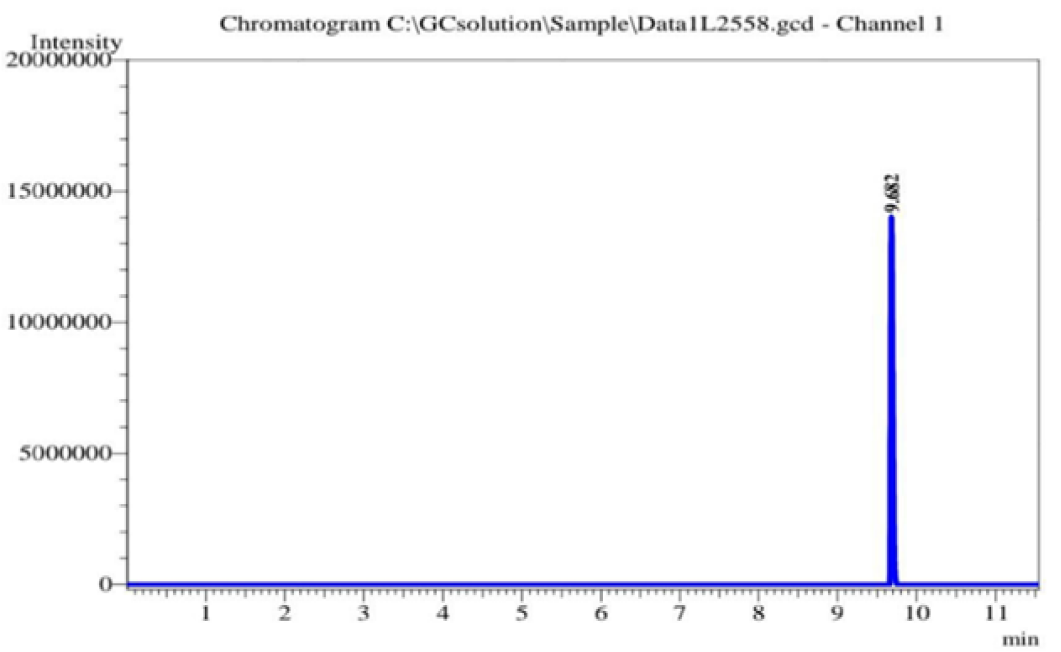
| 1 | 9.682 | 26893994 | 100.0000 | 13947891 | Geraniol |
| Total | 26893994 | 100.0000 | 13947891 |
| No. | Retention time | Area | Area (%) | Height | Compound |
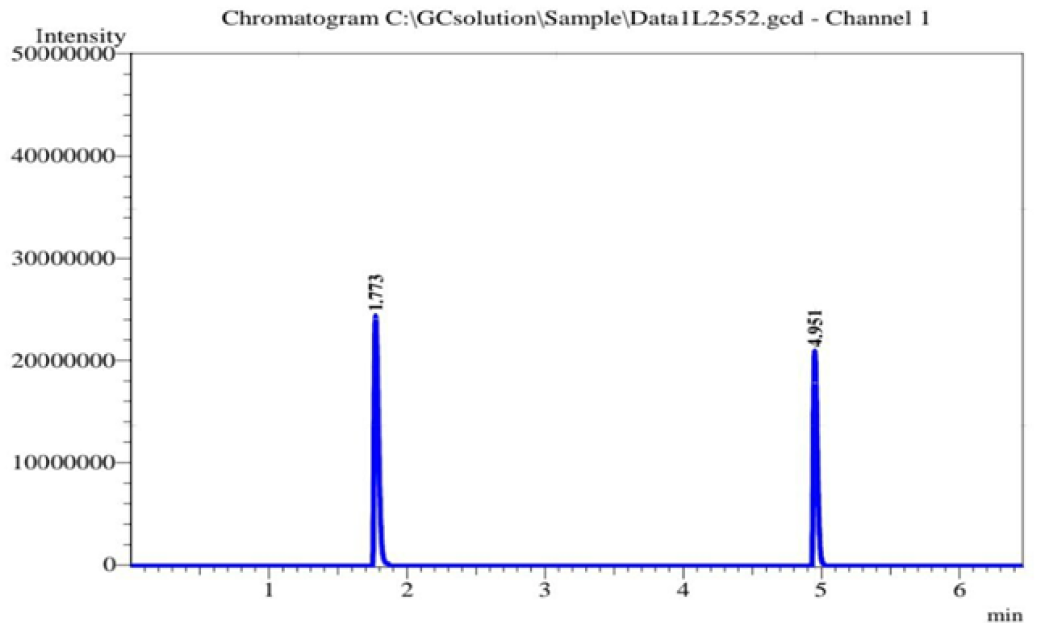
| 1 | 1.773 | 4304196 | 50.8871 | 4794741 | Carvone |
| 2 | 4.951 | 23569 | 49.1129 | 4625920 | |
| Total | 4327765 | 100.0000 | 9420661 |
Geraniol
Carvone
Limonene
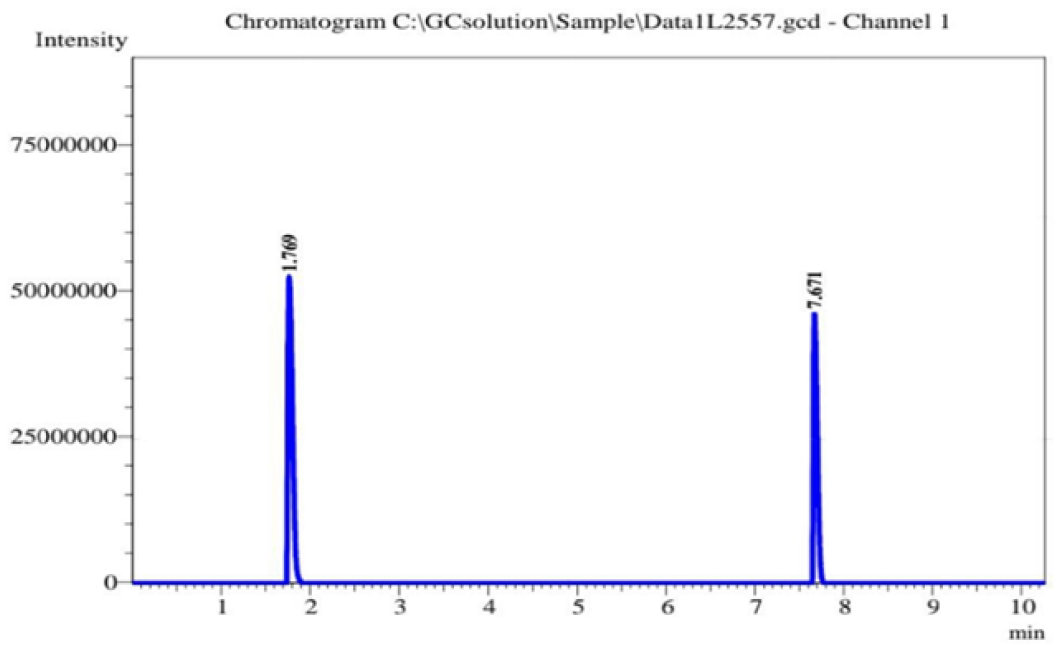
The results shown in Figure 6 and Table 6 content M. spicata of Limonene with Retention time 1.769 and 7.671 min.
| No. | Retention time | Area | Area (%) | Height | Compound |
| 1 | 1.769 | 195073158 | 57.3547 | 080969 | Limonene |
| 2 | 7.671 | 145044260 | 42.6453 | 141165 | |
| Total | 340117418 | 100.0000 | 222134 |
| No. | Retention time | Area | Area (%) | Height | Compound |
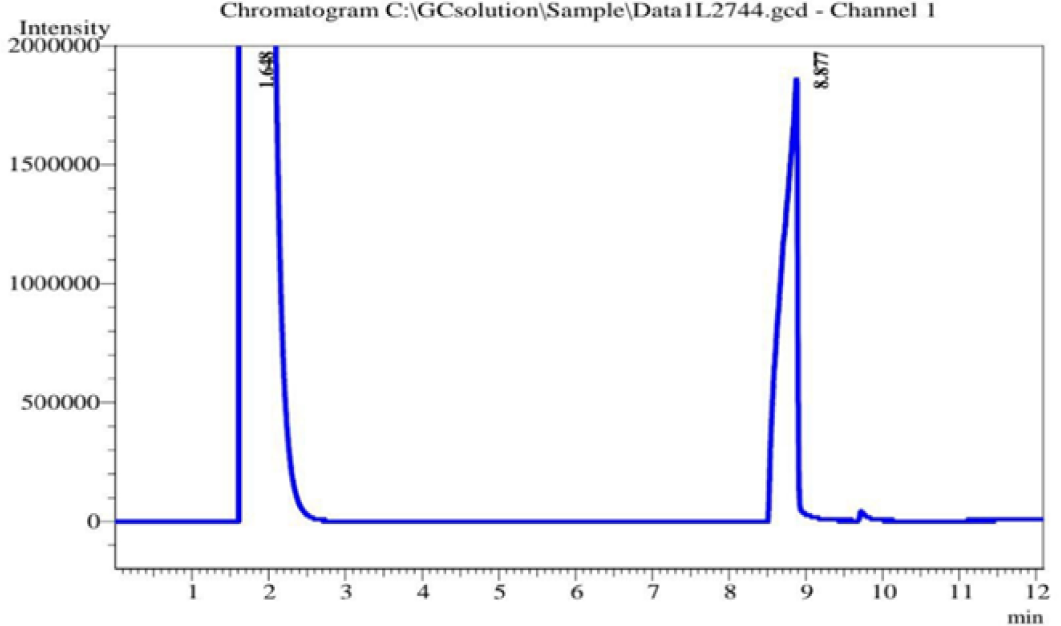
| 1 | 1.648 | 991958175 | 99.9982 | 858415 | Linalool |
| 2 | 8.877 | 18144 | 0.0018 | 21961 | |
| Total | 991976319 | 100.0000 | 856863 |
| No. | Retention time | Area | Area (%) | Height | Compound |
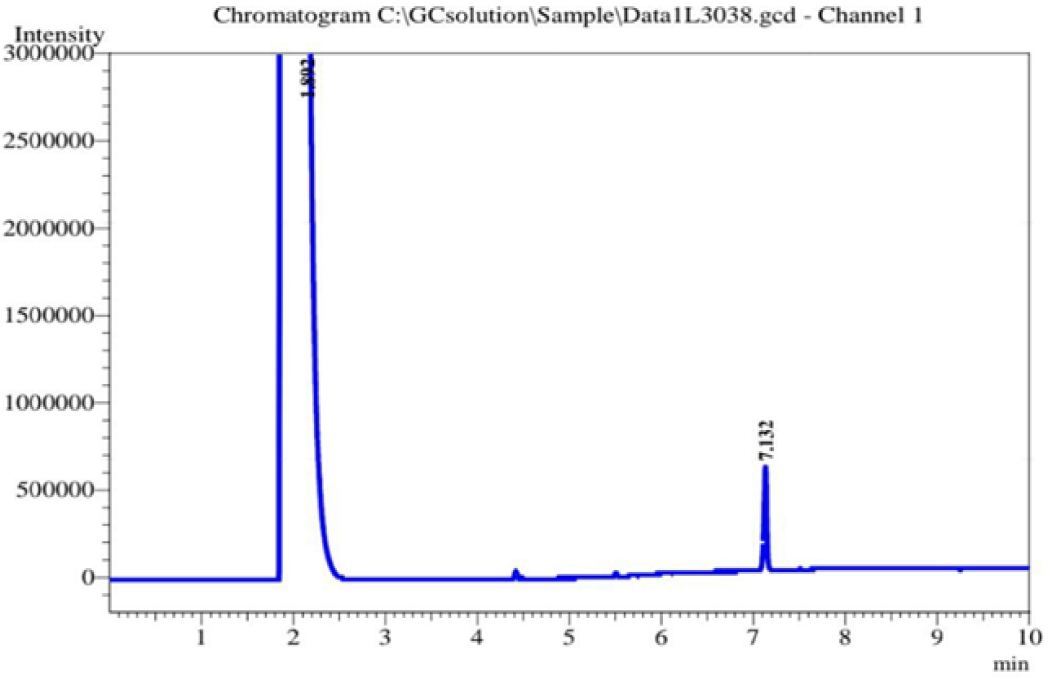
| 1 | 1.892 | 912294428 | 99.9308 | 261853 | Cineole |
| 2 | 7.132 | 632042 | 0.0692 | 395384 | |
| Total | 912926470 | 100.0000 | 657237 |
Linalool
Cineole
The results shown in Figure 8 and Table 8 content M. spicata of Cineole with Retention time 1.892 and 7.132 min.
The oil profile is unique for each species of Mentha. Nevertheless, overlapping of chemical profiles in different Mentha plants is often encountered because of intensive hybridization. The ratios of these oils are variable between years and according to environmental conditions and cultivation site .
Discussion
Mint varieties can be seen as some of the most interesting plants to study, sitting in a sort of semi-therapeutic-plant-fragrant-nature limbo. Although this genus has been the subject of extensive literature and many species, genotypes, and hybrids are cultivated worldwide, this study deals only with a few abundant species and a few available geographical sources. Chemical profile differences of essential oils were found in M. spicata, which may be due to genetic, ecological, or cultivation differences, such as methods and timing of harvesting .
The favorable outcomes discussed in this research highlight the effectiveness of Mentha species to the point that they can be regarded as promising natural extracts with obvious uses as antioxidants, vitamins, and preservatives. Mint’s intended use extends beyond food preparation, elaboration, and storage; it should also be developed as a novel tool for the pharmaceutical industry .
Conclusions and Recommendations
Mentha species are used for their therapeutic advantages. They are often used as a sweetener in foods and medications. Among diverse methods, hydrodistillation (HD) has been determined as the best method for extraction of essential oils from M. spicata leaves. It is therefore recommended to use fresh botanical material for extraction rather than dried samples, which was unsuccessful with the Soxhlet. The gas chromatography (GC) study showed that Carvone (44.38%) was the major compound of the essential oil of M. spicata L. In addition, the longest Retention time found for Geraniol was 9.682 minutes.
Novelty Statement
This study comparatively evaluates Soxhlet methanolic extraction and hydrodistillation methods for Mentha spicata essential oil recovery and confirms the superiority of hydrodistillation using fresh leaves. Additionally, it provides a detailed GC-FID profiling of major volatile constituents, highlighting carvone as the dominant compound under Iraqi cultivation conditions.
Generative AI and AI-assisted technology statement
The authors declare that no generative AI and AI assisted technology was used in the creation of this manuscript.
Conflict of interest
The authors have declared no conflict of interest.
Figures
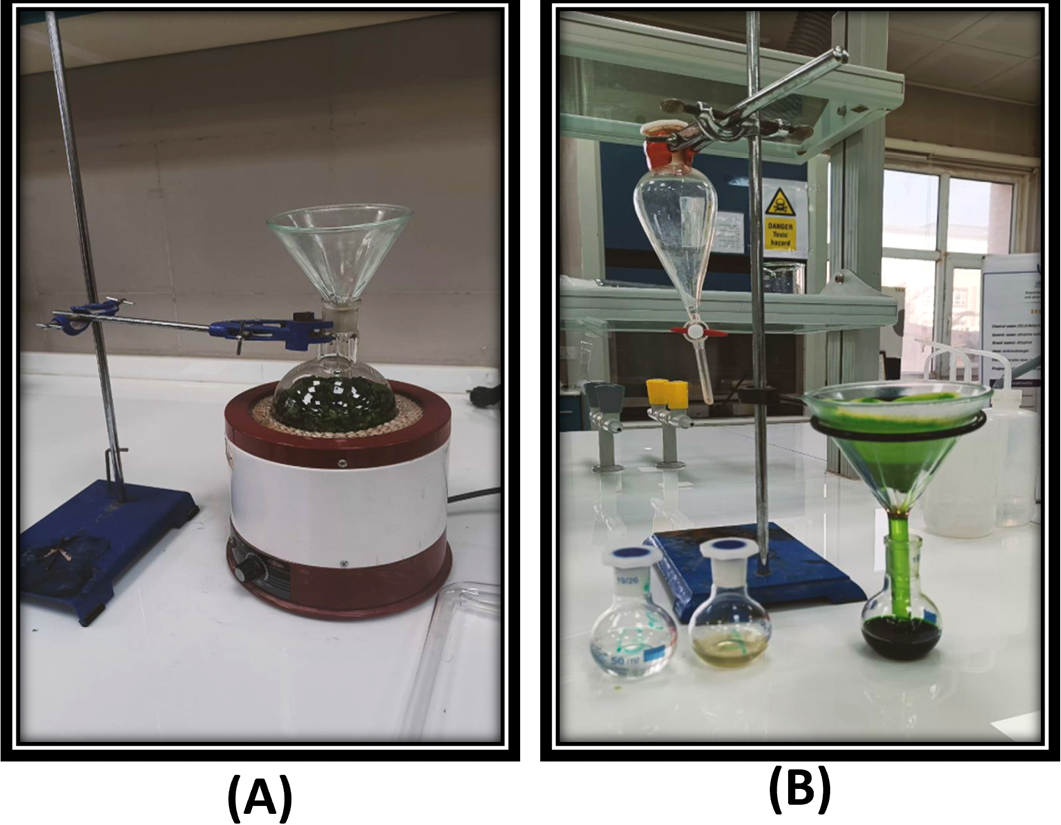
Mentha spicata plants extract A: (SEM),B: (HDC)
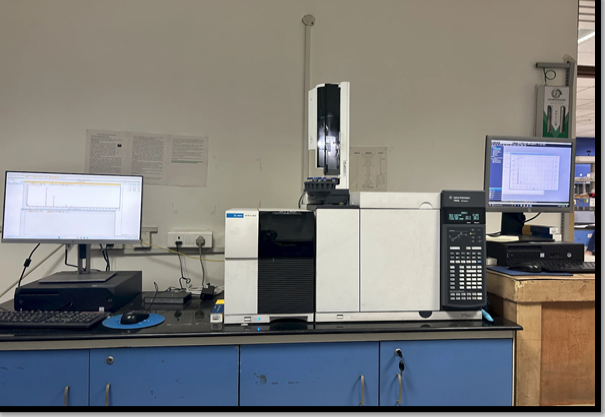
Gas chromatography
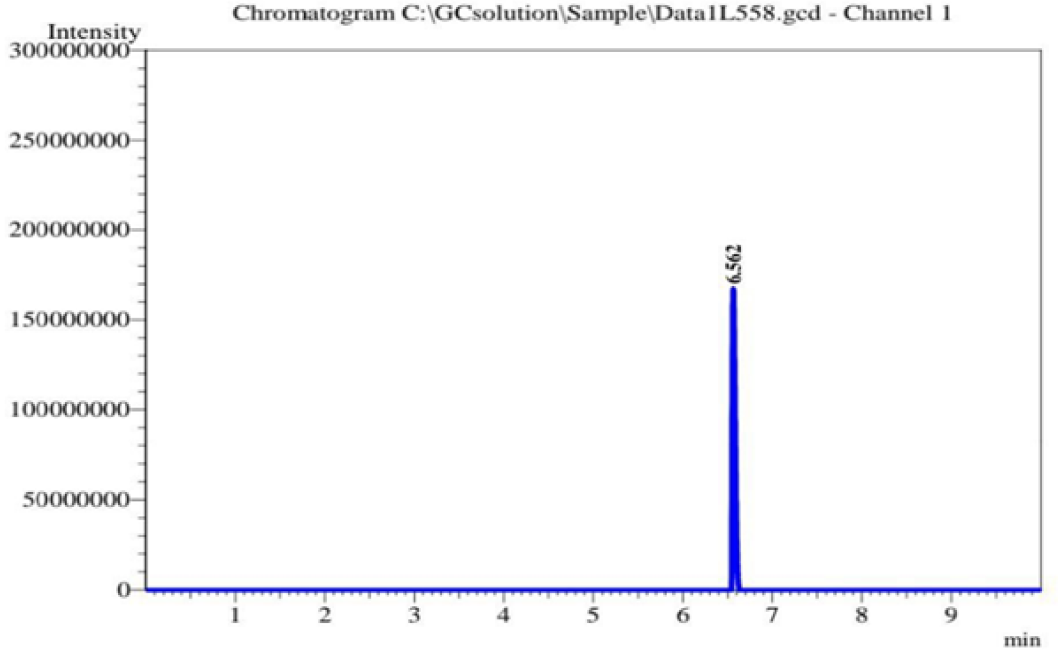
GC of menthone
GC of geraniol
GC of carvone
GC of limonene
GC of linalool
GC of cineole
References
- Süntar, I. 2020. Importance of ethnopharmacological studies in drug discovery: role of medicinal plants. Phytochem. Rev., 19(5): 1199-1209. https://doi.org/10.1007/s11101-019-09629-9[CrossRef]
- Akram, M. & K. Mahmood. 2024. Awareness and current knowledge of medicinal plants. RPS Pharm. Pharmacol. Report., 3(4): rqae023. https://doi.org/10.1093/rpsppr/rqae023[CrossRef]
- Abboud, A.S. and H.K. Waheed. 2017. The importance of medicinal plants and their uses in ancient civilizations. J. Facult. Art., (4) 123. 377-392 p.
- Vui, N.V., N.T. Linh, N.T.K. Quyen, K. Nang, & L.T.T. Trinh. 2025. The Interaction of Ocimum basilicum, Perilla frutescens and Mentha spicata Essential Oils With Norfloxacin Against Antibiotic-Resistant Salmonella Spp. That Cause Disease in Chickens. Veterin. Med. Sci., 11(2): e70316. https://doi.org/10.1002/vms3.70316[CrossRef]
- Bendif, H.H. 2021. Phytochemical constituents of Lamiaceae family. RHAZES: Green Appl. Chem., 11: 71-88.
- Asghari, G., M. Akbari, & M. Asadi-Samani. 2017. Phytochemical analysis of some plants from Lamiaceae family frequently used in folk medicine in Aligudarz region of Lorestan province. Marmara Pharmaceut. J., 21(3): 506-514. https://doi.org/10.12991/marupj.311815[CrossRef]
- AL- Ibraheemi, N.A. 2019. Phytochemical study for some medicinal plants of the family Astraceae (Compositae). PhD thesis,. University of Kufa. College of Education for Girls. Iraq.
- Mahendran, G., S.K. Verma, L.U. Rahman. 2021. The traditional uses, phytochemistry and pharmacology of spearmint (Mentha spicata L.): A review. J. Ethnopharmacol., 278:114266 https://doi.org/10.1016/j.jep.2021.114266.[CrossRef]
- Hussain, A.I., F. Anwar, and M. Shahid. 2010. Chemical composition, and antioxidant and antimicrobial activities of essential oil of spearmint (Mentha spicata L.) from Pakistan,” Journal of Essential Oil Research, vol. 22, no. 1, pp. 78–84. https://doi.org/10.1080/10412905.2010.9700269[CrossRef]
- Franciscato, L.M.S.S., M.R. Silva, F. Andrich. 2018). Chemical characterization and antimicrobial activity of essential oils of mint (Mentha spicata L.) and surinam cherry (Eugenia uniflora L.),” Orbital - Ie Electronic Journal of Chemistry, vol. 10, no. 6, pp. 475–481. https://doi.org/10.17807/orbital.v10i6.1008[CrossRef]
- Rakebizadeh, M., M. Zahedizadeh, and Y.E. Panah. 2018. “Supplemental effect of zinc oxide nanoparticles and mentha spicata butanol extract on blood glucose of diabetic wistar rats,” Journal of Science, Engineering & Technology, vol. 3, no. 5.
- Naureen, I., A. Saleem, F. Sagheer, S. Liaqat, S. Gull, M. Fatima, & Z. Arshad. 2022. Chemical composition and therapeutic effect of mentha species on human physiology. Schol. Bullet., 8(1): 25-32. https://doi.org/10.36348/sb.2022.v08i01.004[CrossRef]
- Sousa, B.A., S.M. Morais, P.A.T. Ferreira, A.A. Craveiro, R.O. dos Santos Fontenelle, J.E.S.A. de Menezes, F.W.F. da Silva, H.A. de Sousa. 2015. Chemical composition and functional properties of essential oils from Mentha species Indus. Crops rod., 76: 557-564. https://doi.org/10.1016/j.indcrop.2015.07.004[CrossRef]
- Wu, Z., B. Tan, Y. Liu, J. Dunn, P.M. Guerola, M. Tortajada, Z. Cao, & P. Ji. 2019. Chemical Composition and Antioxidant Properties of Essential Oils from Peppermint, Native Spearmint and Scotch Spearmint. Molecul., 24: 2825-2827. https://doi.org/10.3390/molecules24152825[CrossRef]
- Al-Isawi, H.I.N. 2020. Isolation and identification of fungi associated with seedlings roots of Citrus aurantium and enhance its growth by using some organic extracts. Int. J. Agricult. Stat. Sci. Vol., 16(1): 1989-1995.
- Alshibly, M.K. and I.A. Alzamily. 2022. The inhibitory ability of Conocarpus erectus root alcoholic extract against some filamentous fungi. In AIP Conferen. Proceed. (Vol. 2547, No. 1). AIP Publishing. https://doi.org/10.1063/5.0112897[CrossRef]
- Fagbemi, K.O., D.A. Aina, & O.O. Olajuyigbe. 2021. Soxhlet extraction versus hydrodistillation using the clevenger apparatus: a comparative study on the extraction of a volatile compound from tamarindus indica seeds. The Scient. World J., 2021: 1-8. https://doi.org/10.1155/2021/5961586[CrossRef]
- Hcini, K., J.A. Sotomayor, M.J. Jordán, and S. Bouzid. 2013. Chemical composition of the essential oil of Rosemary (Rosmarinus officinalis L.) of Tunisian origin. Asian J. Chem., 25(5): 2601. https://doi.org/10.14233/ajchem.2013.13506[CrossRef]
- Idris, F.N. and N.M. Mohd. 2021. “Comparative studies on different extraction methods of Centella asiatica and extracts bioactive compounds effects on antimicrobial activities,” Antibiotics, vol. 10, no. 4, p. 457, 2021 https://doi.org/10.3390/antibiotics10040457[CrossRef]
- Jamshidi-Kia, F., K. Saeidi, Z. Lorigooini, & B.H. Samani. 2024. Efficacy of foliar application of Chlorella vulgaris extract on chemical composition and biological activities of the essential oil of spearmint (Mentha spicata L.). Heliyon., 10(23). https://doi.org/10.1016/j.heliyon.2024.e40531[CrossRef]
- Kapp, K. 2015. Polyphenolic and essential oil composition of Mentha and their antimicrobial effect.
- Khan, M.S. and I. Ahmad. 2011. Antifungal activity of essential oils and their synergy with fluconazole against drug-resistant strains of Aspergillus fumigatus and Trichophyton rubrum. Appl. Microbiol. Biotechnol., 90(3):1083–1094. https://doi.org/10.1007/s00253-011-3152-3[CrossRef]
- Tafrihi, M., M. Imran, T. Tufail, T.A. Gondal, G. Caruso, S. Sharma, and R. Pezzani. 2021. The wonderful activities of the genus Mentha: Not only antioxidant properties. Molecul., 26(4): 1118. https://doi.org/10.3390/molecules26041118[CrossRef]
Services
Article usage statistics
Loading…