Rajesh Kumar1*, Rajesh Chandra2, Vipan Kumar3, Prakash Bhatt4, Santosh Kumar Shukla5, Kuldeep Dhama6
1Department of Veterinary Microbiology, College of Veterinary and Animal Sciences, G.B. Pant University of Agriculture & Technology, Pantnagar – 263 145, Uttarakhand; 2Department of Veterinary Microbiology, College of Veterinary & Animal Sciences, Central Agricultural University, Selseih, Aizawal; 3Department of Veterinary Microbiology, College of Veterinary & Animal Sciences, Khalsa College of Veterinary and Animal Sciences, Amritsar, Punjab; 4Veterinary Clinics, College of Veterinary and Animal Sciences, G.B. Pant University of Agriculture & Technology, Pantnagar – 263 145, Uttarakhand; 5Veterinary Medicine, College of Veterinary and Animal Sciences, G.B. Pant University of Agriculture & Technology, Pantnagar – 263 145, Uttarakhand; 6Division of Pathology, Indian Veterinary Research Institute, Izatnagar
*Corresponding author: rajeshvet@rediffmail.com
ABSTRACT
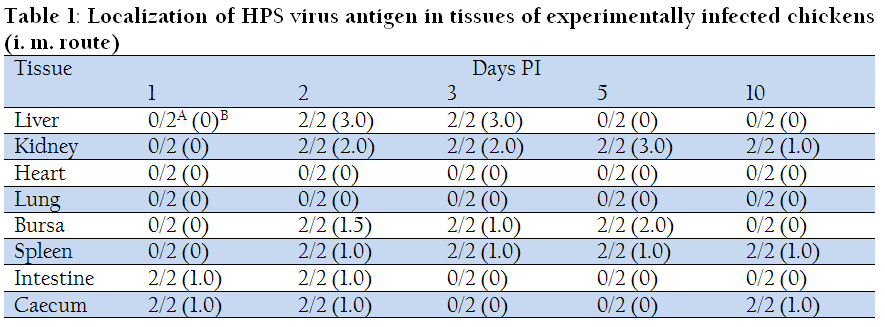
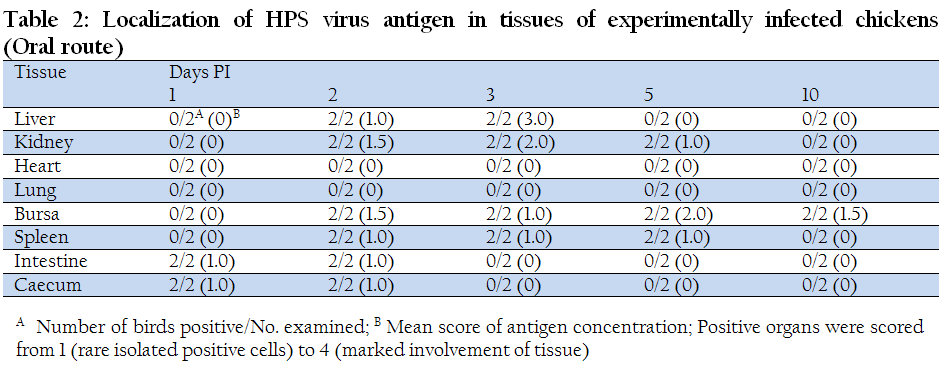
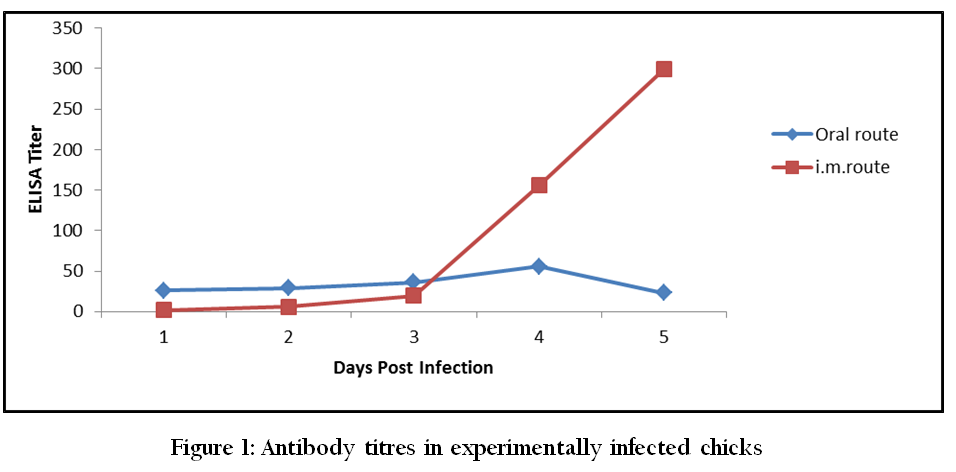
Three week old chickens– not previously exposed to hydropericardium syndrome virus (HPSV), were HPSV inoculated by oral and intramscular routes. Chicks were necropsied on day 1, 2, 3, 5 and 10 following inoculation, and specimens from various tissues were collected for examination. There were no apparent clinical signs and mortality in the chicks throughout the experimental period. The distribution and localization viral antigens in various tissues and peripheral blood smears were studied by indirect immunofluorescent technique. Antibody titers during the course of infection were also determined by enzyme linked immunosorbent assay (ELISA). Virus spread to most of organs within 3–5 days post infection and a direct relationship between appearance of antibodies and recovery from infection was recorded.
Key Words: Enzyme linked immunosorbent assay (ELISA), Broilers, Hydropericardium syndrome virus (HPSV), Indirect fluorescent antibody technique (IFAT)