
Heat stress, a major environmental concern, greatly affects global oilseed output. This phenomenon is particularly applicable to crops such as Brassica napus L. (B. napus L.). This article offers comprehensive information on the ability of B. napus L. to mitigate heat stress. To devise efficient strategies for mitigating heat stress, it is crucial to comprehend its mechanisms. This article delves into the effects of heat stress on the growth and productivity of B. napus L. specifically looking at how the plant responds physio-biochemically, including through stomatal conductance, photosynthesis, water use efficiency, and nutrient uptake. We address heat stress as an independent component that impacts B. napus L. productivity and presents significant obstacles for production, even though it is generally linked to water constraint. It has a major effect on yield and creates a lot of problems for environmentally friendly manufacturing. The detrimental impacts of heat stress on B. napus L. plants and their reactions to stress resilience are discussed in this extensive literature review. Researchers, agronomists, and legislators might use these findings to improve B. napus L. resilience and guarantee food security in a climate-changed world.
Review · Volume 42, Issue 2, 2 May 2026 · Open Access
Heat Stress in Brassica napus L.: Toxic Effects and Adaptive Responses
· · · · · ·
Affiliations & Notes ⌄
- 1College of Resources and Environment, Southwest University, Chongqing, 400715, China
- 2Department of Agronomy Muhammad Nawaz Shareef University of Agriculture Multan, Pakistan
- 3Faculty of Agriculture Sciences and Technology Bahauddin Zakariya University, Department Plant Breeding and Genetics. *Correspondence | Muhammad Waqas Yonas, College of Resources and Environment, Southwest University, Chongqing, 400715, China
- 4Email: its_yonas@outlook.com
Article Info ⌄
- Journal:
- Sarhad Journal of Agriculture
- Published:
- 2 May 2026
From the article
- It is currently experiencing significant effects from heat stress, adversely affecting both productivity and the quality of this crop.
- The onset and extent of heat stress markedly affect seed quality and output.
- Therefore, it is imperative to employ mitigation strategies to alleviate the effects of heat stress on B. napus L. This review emphasizes the significant effects of heat stress on B. napus L. encompassing growth, development, and yield.
- Heat stress impairs essential growth phases, resulting in diminished pollen viability, reduced seed set, and modifications in seed composition.
Selected from the article's own text.
Abstract
Introduction
In response to adverse conditions like such changes in ambient temperature, plants initiate a cascade of responses that affect cellular processes at the transcriptome, epigenome, proteome, and metabolome levels. In the end, these changes control various adaptive methods that plants use to survive in harsh environments. These complex relationships involve stress signaling-induced crosstalk between different parts of the cell, which in turn activates genes that respond to stress and causes phenotypic changes to adapt to harmful environments.
According to the Holechek et al. (2022) projects that oil production will significantly increase by 2050 due to factors such as the growing need for edible oil and renewable energy sources, as well as the ever-increasing world population. This demand can be met by the cultivation of oil-producing crops such as rapeseed, which is a prominent member of the Brassicaceae family and is a hybrid of Brassica rapa and Brassica oleracea (CCC, 2014). A key player in the global vegetable oil market, it accounts for 14.7% of the total human consumption and ranks third among major vegetable oil sources. The production of B. napus L. has seen a significant increase in the key producing nations in the past few years (Figure 1) (FAO, 2022; .
In addition to its oil, B. napus L. is a multipurpose crop that produces a wide variety of other goods, such as animal feed, extracts of protein for bakeries, and other protein-rich products for human use . Cosmetics, printing ink, use as deicer agent in aeroplane , industrial lubricants, and bioplastics are just a few of the non-food industries that can benefit from its molecular manufacturing . For animal, poultry, pet, and fish feed, B. napus L. is an essential source of protein ; .
B. napus L. divided broadly into two types based on its growing season. In most parts of the world, including the United States, Europe, and China, the winter variety of B. napus L. is planted in the fall and harvested in the summer. Spring varieties, on the other hand, are planted in the spring and harvested in the summer. According to Zheng and Liu (2022), the top three countries in terms of rapeseed yields from 2018 to 2020 were India, China, and Canada, which accounted for about 60% of the world’s total production and harvested area. Nonetheless, winter B. napus L. typically produces seeds that are twice as abundant as the world average in France, England, and Germany (FAO, 2022). Winter B. napus L. is significant in parts of China, Germany, France, Poland, and England that are located in the middle latitudes, as well as in minor parts of the United States, Canada, Australia, and Chile . Climate change is increasing the frequency of summer heat waves; therefore, increasing cultivation of winter B. napus L. could diversify farming systems and mitigate the impact of abiotic stress. According to Secchi et al. (2023), the yield of winter B. napus L. is 20 to 30% higher than that of spring B. napus L.
The economic losses in crop cultivation are worsened by the cumulative effects of heat stress, which slow the growth, development, and total productivity of B. napus L. . Rising worldwide demand for B. napus L. is accompanied by increasing abiotic stress as a result of climate change. For long-term sustainability, it is critical to have heat-resistant B. napus L. genotypes developed and used as soon as possible. This study focuses at the phenological, developmental, physiological, and yield-related characteristics of B. napus L.’s response to heat stress including oil and protein content.
The physio-biochemical implications of heat stress on developmental stages
Vegetative growth period
Thermo-tolerance varies across different plant tissues and developmental stages. This means that these elements must be carefully considered while producing heat-tolerant cultivars to help plants endure heat stress. Furthermore, different species and cultivars have vastly different ideal growing temperatures . According to Dikšaitytė et al. (2019), seedlings of B. napus L. that are well-watered at the Biologische Bundesanstalt, Bundessortenamt und Chemische Industrie (BBCH) exhibit increased photosynthetic efficiency and growth in the upper parts of the plant when subjected to heat stress, as evidenced by higher levels of transpiration, saturated light, and the ratio of intercellular to ambient CO2. Nevertheless, photosynthesis is negatively impacted by combined stress in water deficiency stress because stomatal mobility is reduced . By opening their pores, stomata allow more water to evaporate from the leaf, which helps keep the plant from being too hot. When there is an inadequate amount of water, the plant’s stomata close to keep moisture in and keep the turgor pressure stable .
Additionally, at 38°C, the biochemical processes of photosystems were disrupted, and chlorophyll production was damaged in 10-day-old B. napus L. seedlings. As a result, the level of hydration was poor, the cell defense mechanism was ineffective, and chlorophyll levels were lowered . Heat stress causes alteration in the process of photosynthesis and transpiration, which in turn alters the nutrition synthesis and metabolism, leading to aberrant flower architecture . Heat waves destroy structures by molecularly interfering with metabolism and affecting proteins in membranes. Some examples of such disruption include producing toxic metabolites and damaging enzymes . For instances, peroxidative damage to Arabidopsis cell membranes is caused by an increase in reactive oxygen species (ROS) generation in response to heat stress . Stress from high temperatures also breaks down DNA and proteins . Although germination is an important part of a plant’s life cycle and development, it can be hindered by unfavorable environmental factors, such as heat stress in the presence of water scarcity (Channaoui et al., 2017; Figueiredo A and de Carvalho, 2003). The normal growth processes and optimal yield of B. napus L. depend on adequate germination and seedling development . According to Channaoui et al. (2017), when B. napus L. is stressed, its germination rate drops dramatically, which affects the strength of the seedlings and the amount of food produced. Because it reduces water absorption, storage utilization, and enzymatic activity, water scarcity hinders germination and seedling growth throughout the early stages of plant development . Consequently, decreased output is the result of a cascade of events initiated by high temperatures at the seedling stage that harm the reproductive organs as they develop further.
Impact of high temperature on reproduction
In the reproductive stage, fluctuations in temperature can have a devastating impact on yield potential. Furthermore, unlike during vegetative development, plants are extremely sensitive to high temperatures during reproductive development, which leads to more development and seed production . This is especially true during the most stressful periods of fertilization and meiosis in the male reproductive system ; . Zhang et al. (2017) found that this sensitivity impacts several stages of flowering, including pollen production, pollen tube growth and its interaction, fertilization, and embryonic development. Heat stress affects plant physiology reproductive stage by lowering flower counts prior to anthesis, lowering floral fertility, and making it harder for pod form . Nevertheless, precise responses remain inadequately defined; therefore, only a limited number of studies in Arabidopsis have revealed the significant influence of heat stress on B. napus L. during the reproductive growth stage . In Arabidopsis, multiple QTLs associated with heat sensitivity during the pre- and post-anthesis stages have been identified, indicating that these genetic regulators are stage specific . In addition, pollination was hindered because Arabidopsis showed a reduction in stamen filament length after being exposed to 37°C for 24 h. Heat stress in Arabidopsis resulted in structural damage to reproductive organs and altered the morphology of pollen sacs .
Floral progression
The shift from vegetative to reproductive growth is facilitated during the flowering stage, which is controlled by various genes associated with flowers and meristems, including SEPALLATA3, LEAFY, FRUITFULL, and APETALA1 . To ensure fruitful reproduction in the face of various stresses, crops employ a number of mechanisms that regulate their flowering time (FTi) . According to Koscielny et al. (2018), genotypes exhibit a 55% decrease in yield of winter production and a 41% decrease in autumn when subjected to heat stress at 31°C, during the flowering stage of B. napus L. A similar pattern of reduced yield was observed when genotypes were exposed for seven days at 35/15°C and they experience significant injury to their reproductive organs . In addition, research on Arabidopsis FTi-related genes and pathways showed that they were similarly regulated in Brassicaceae. On the other hand, Arabidopsis lacks functional equivalence between novel FTi regulator genes that have evolved in response to environmental stress .
In addition, sub-functionalization occurred because only a small number of FTi gene copies underwent mutations or lost function over evolution . Also, according to Del Olmo et al. (2019), heat stress caused a decrease in BraA.FT.a mRNA status, which in turn delayed flowering in B. rapa L. Enhanced chromatin accessibility and conformation are caused by elevated H2A.Z levels at the BraA.FT.a locus. In a comparable manner, when studying conserved chromatin regulation in Arabidopsis, the researchers found that it actually increased flowering . Only a handful of studies have looked at how temperature influences signal transduction in B. napus L. in relation to FTi.
Organogenesis
Following floral transition, the differentiation of floral organs occurs; in addition, B. napus L. exhibits significant sensitivity to temperature variations, particularly heat stress . According to Djanaguiraman et al. (2019), heat waves harm reproductive structures of several crops, including wheat, soybeans, and tomatoes. This includes anther dehiscence, pollen germinability, and viability. Damaged microspores and pollen rendered infertile are additional outcomes of microsporogenesis executed at high temperature .
In A. thaliana L., high temperatures hinder male meiotic processes, which in turn causes aberrant pollen development and abnormalities in structure, inhibits microspore differentiation and separation of pollen mother cells, and induces stage-specific sterility in males during anther formation . According to Poidevin et al. (2021), pollination is significantly impacted when plants are subjected to high temperatures because it reduces the activity of transporters in their cell membranes that are involved in K+ and carbohydrates co-transport. Temperatures above 35°C after flowering begins have a significant effect on the micro- and megagametophytes in B. napus L. reducing the viability of pollen and its germination potential . High temperatures reduce fertility, pod production, and number of seeds per pod; they also cause fertility . In a similar way, heat stress-induced heat-sensitive genic male sterility is caused by genes related to Guanosine Triphosphatase (GTPase), heat shock proteins (HSPs), Crassulacean Acid Metabolism (CAM) and structural proteins, structural proteins. Furthermore, genes associated with hormonal signaling, Indole Acetic Acid (IAA), Gibberellic acid (GA), Abscisic Acid (ABA), Jasmonic Acid (JA), Brassinosteroid (BR) signaling, and various Transcription Factors (TFs) including Heat Shock Transcription Factors (HSF), myeloblastosis/C (MYB/C), Nuclear Factor Y (NFY), and MADS WRKY, play a role in regulating thermosensitive sterility at temperatures below 25°C . Moreover, the female gametophyte demonstrates a remarkable reaction and reveals differential modulation under heat stress . Ultimately, temperature profoundly influences pollen viability and the structure of reproductive organs.
Pod setting and filling
The ability to withstand high temperatures while in the pod establishment and filling stages is vital for the quality of the seeds developed and the yield. The pod-filling phase is a critical time for the later stages of crop growth, when oil and proteins are synthesized and accumulated. According to Brunel-Muguet et al. (2015), maintaining regular functioning is crucial for producing high-quality, well-composed oil. The BnWRI1-regulated fatty acid biosynthesis pathway in B. napus L. receives carbon and energy from photosynthetic activity in green seeds and siliques . Heat stress has been associated with the impairment of PSII and the inhibition of this BnWRI1-dependent pathway in developing seeds , indicating that elevated temperatures during pod formation may limit local photosynthetic support for oil biosynthesis, thereby intensifying pod and seed abortion. Heat stress during seeds establishment also affects dormancy and seed composition by decreasing the GA/ABA ratio, which controls the components of the seed reserve . Essential fatty acid profiles of B. napus L. are negatively affected by temperature fluctuations between 19 to 24°C, resulting in an inconsistent composition these fatty acids . Elevated night temperatures throughout the flowering and pod-filling phases adversely affect reproductive structures, resulting in reduced seed yield and siliques, which is attributed to heat-induced alterations in photosynthetic assimilation enzymes .
In addition, during the flowering and seed-filling stages, elevated night temperatures affect B. napus L. cultivars that are sensitive to these conditions . At the onset flowering, B. napus L. promptly closes its stomata in response to water deficit and heat stress, thereby reducing water loss via transpiration . Achieving an optimal equilibrium between thermal stress and the reduction of water loss is a multifaceted effort .
Table 1: The effect of heat stress on the yield B. napus L., under field conditions.
| Cultivar/Genotype | Condition | Impact on yield | References |
| Monty, Oscar 887.1.6.1, JM 25, JM 33, Muscon, 82 No 22–98 | Average daily temperature reached a maximum of ~35 ◦C around maturity | Yield decreased as sowing was delayed. B. juncea had more pods but less seeds than B. napus L., so overall yield was higher in B. napus L. | |
| 30+ cultivars | Heat, drought, and frost occurred during critical periods at some sites | Delayed planting reduced yield through exposure to heat and drought stress at flowering. Variety was significant but not reported. | |
| 10 genotypes | Average daily temperature ranged from 13 to 27 ◦C across locations in last 3 months of growth | Yield decreased with delayed sowing. | |
| Zephyr span | Not reported | Yield was higher in earlier plantings, B. napus L. had a higher yield than B. campestris. | |
| 28 cultivars | Average daily temperature ranged from 15 to 19 ◦C across locations in last 3 months of growth | Significant environment×genotype interactions were found to impact yield. Early flowering cultivars produced a higher yield in hotter environments. | |
| Agamax, Hyola4815, Hyola50, Hyola401, Safi6, Zabol9, and Zabol13 | Six sowing dates to expose canola to different levels of heat stress | Yield declined as planting date was delayed. Yield was highest in Agamax, Hyola50, and Zabol9 | |
| Tower, Rafal and Global | Hot climate (35.5 ◦C) with a dry, hot summer, irrigation as needed | Yield declined as planting date was delayed. Yield highest in Tower, lowest in Global. |
During the reproductive stage of B. napus L. heat stress has a negative impact on various processes and systems. Morphophysiological characteristics and quality indicators are the most negatively impacted by an unfavorable environment during the flowering to seed maturity transition, which eventually reduces the synthesis and dietary value of seed oil. As global warming advances, it is critical to carefully consider how high temperatures affect susceptible stages and develop effective ways to reduce heat-induced stress.
Postharvest and seed storage
Heat stress reduces the nutritional value and safety of stored seeds . Research has shown that bioactive chemicals found in B. napus L. have anti-inflammatory and cholesterol-lowering effects in humans . Seeds of B. napus L. contain half as many phytosterols as oils of Glycine max and Helianthus annuus , although their phenolic contents may be 10 times higher. Elevated temperatures cause seed deterioration and the breakdown of biochemical components, demonstrating the extreme susceptibility of these biologically active compounds to storage conditions . In B. napus L. storage at 25°C and 30°C resulted in a 24% and 58% reduction in phytosterol content, respectively . While plastochromanol-8 content declined by 4-24% and tocopherol level decreased by 14.4% . According to Rudzińska et al. (2009), oil quality and the production of hazardous byproducts caused by oxidation are significantly affected by the breakdown of these bioactive compounds. Key phenolic components, particularly sinapic acid derivatives, were reduced during storage of B. napus L. seeds at 13.5% moisture and 25°C due to extensive fungal proliferation. Infestations of fungi shorten the time that seeds may be safely stored, which causes them to deteriorate and contaminate them with mycotoxins, which can be harmful to both humans and animals .
Yield and quality
The loss of yield is a notably direct and financially significant outcome of extreme heat at the reproductive stage in B. napus L. Numerous studies have shown that increased higher temperatures upon reproductive stages significantly limit seed yield by impacting reproductive growth and assimilate distribution. Figure 2 provides a concise overview of prevalent impacts, whereas Table 1 illustrates the impact of heat stress on the yield of B. napus L. The impact of heat stress on the components of yield is governed by three principal factors: (i) the timing of the heat stress, (ii) the intensity and duration of heat events, and (iii) the genetic makeup of the cultivar.
Meta-analytic studies corroborate this understanding. An extensive examination of 1,794 findings from the 39 studies determined that early stages heat stress prior to the peak of flowering consistently leads to a significant reduction in seed yield, with average losses surpassing 40% and the maximum losses exceeding 50% during the short term, extreme heat events . This sensitivity arises from the infertility and mortality of the pollen, along with the impeded fertilization processes, all of which contribute to a reduced number of viable siliques and a lower seed count per silique; .
Heat stress during the pod development stage is deleterious, principally because to its association with a shorter seed filling length and impaired transfer of assimilates to developing seeds. Research indicates that increased temperatures expedite physiological development, resulting in lighter and smaller seeds ; . The simultaneous reduction in seed weight and quantity results in significant yield losses.
A consistent trend seen in experimental conditions indicates that short-term 7-10 days heat stress events during late flowering or early pod formation stages can lead to significant losses, highlighting the acute vulnerability of these phenological stages. Furthermore if breakdown this study indicated that 7 days exposed to heat stress during early flowering stage can reduce yield by a 52%, in contrast to an 18%
reduction when plant exposed to the same stress at the early pod stage .
It is important to note that there is clear evidence of genotypic heterogeneity in heat tolerance. According to Markie et al. (2025), B. juncea L., is more resistant to high temperatures than B. napus L. another species of Brassica. A trade-off that breeding programs sometimes face is the trade-off between tolerance and decreased production potential under ideal conditions. There is a great deal of opportunity for selecting and generating heat-resilient germplasm among B. napus L. cultivars due to the high levels of intraspecific diversity that have been recorded, in addition to the interspecific variances.
Heat resistance mechanism
Plant heat stress responsive mechanisms
Multiple sensors, such as those triggered by calcium ion (Ca2+) flux across cell membranes and processes responsive to endoplasmic and cytosolic proteins, are activated, resulting in diminished nuclear histone reaction to heat stress . The signaling pathways that are activated are intricately linked and include protein kinases, transcriptional mechanisms, calmodulin, hormone regulatory mechanisms, phosphatases, and Ca2+ signaling . As shown in Figure 3, the heat response of crop plants involves various transcriptional and signaling pathways that are specific to different types of tissues and their developmental stages .
Phytohormones
Heat stress altered the hormonal composition of signaling molecules, which in turn impacted the germination, viability, and storage stability of seeds . The genes that are involved in heat response are listed in Table 2. Hormones such as ABA, BR, SA, JA, ethylene, IAA, cytokinin, and GA are important regulators that respond to abiotic stress . These phytohormones directly affect several secondary regulators. According to Baron et al. (2012), ABA is crucial for plants to modulate their stress tolerance during heat stress reactions. Arabidopsis aldehyde oxidase 3 (AAO3), 9-Cis-epoxycartenoid dioxygenase 3 (NCED3), and ABA1,2, and 4 are among the ABA-related genes activated in a tissue-specific way by temperature stress . Furthermore, at various stages of heat stress exposure in B. napus L. the expression of 14 Pyrabactin Resistance-Like (PYL) genes associated to ABA was increased, including BnPYR1-3, BnPYR1-2, BnPYR3-1, BnPYR4-2, BnPYR5-4, BnPYR6-1, BnPYR7-2, and BnPYR9-2. In contrast, BnPYR1-4, BnPYR2-2, BnPYR4-6, BnPYL8-5, BnPYR8-6, and BnPYR9-1 were repressed. Additionally, a comparable trend with heat, salt, and water shortage was observed for other BnPYL genes (BnPYR1-2, BnPYR1-3, and BnPYR7-2) indicating their participation in abiotic stress responses . Furthermore, during the plant’s pod-filling stage, the ABA level had an impact on the seed composition . In B. napus L. Gao et al. (2010) demonstrated that elevated levels of ABA and BR, along with lower levels of GA₃, markedly enhance the expression of BnGA1, a gene encoding a putative G-protein α subunit, while increased GA₃ concentrations inhibit its expression. During bolting and maturity, BnGA1 expression is dramatically increased, but when exposed to heat stress, one of the physiological systems negatively affected by the stress, causes a decrease in expression . While Kagale et al. (2007) found that BR modulates germination processes and increases seedling abiotic stress tolerance in Arabidopsis and B. napus L. seeds. Seed output and stress tolerance were enhanced in B. napus L. cultivars through transgenic overexpression of the BR biosynthetic gene (DWF4). Additionally, this overexpression downregulated genes involved in JA signaling, suggesting a BR-
Table 2: Key genes and their functions under heat stress
| Genes | Function | References |
| BnaDRMc | Facilitate the DNA methylase and de-methylases | |
| BnaHsf15/16 | Heat shock transcription factors | |
| PYR1-3 | ABA receptor PYR/PYL for stress signal | |
| BnGA1 | Stress regulation | |
| BnTR1 | Membrane-bound RINGv protein | |
| BnaCBL1/9 | Ca2C sensors and regulators of CBL-interacting protein kinases | |
| BnGLYI-3 | Glyoxalase System | |
| BnWRI1 | De novo FA biosynthesis pathway |
related mechanism that preserves the repressive effect of JA on development . Increased JA levels inhibit growth, which frees up resources for systems that respond to stress and development . In addition, seeds showed an upregulation of auxin-related genes and a decrease of genes associated to ethylene and GAs . As a result, there is evidence of a coordinated action among the many phytohormones that control the genes that respond to stress.
Transcription factors
There are several transcription factor (TF) families known to exist in B. napus L. such as HSP, MYB, AP2/ERF, MADS-box, DNA-Binding with one finger (DOF), and bZIP . In B. napus L. recently 2,167 unique TFs from five families were discovered. After a 12-hour treatment, 61BnMYBs, 62BnAP2/EREBs, 27BnWRKYs, and 32BnbZIPs were within the 70% of observed differentially expressed genes (DEG) that were highly heat sensitive . Scharf et al. (2012) found that conserved palindromic patterns in the promoter regions of heat-responsive genes are related with HSP and HSF, which become apparent during heat stress. When heat-stable proteins (HSPs) bind to denatured proteins, they prevent the aggregation of these proteins, which helps keep proteins in a stable state and increases their heat tolerance . There is a total of 21 HSF genes in the genome of A. thaliana L. , but 25 HSF genes in the genome of rice . In contrast, B. napus L. comprises the largest gene family, containing 64 HSF genes, which diversified through whole-genome duplication events during its evolutionary history. The allopolyploid process leads to the growth of HSF gene collections, hence improving the stress tolerance under adverse conditions in B. napus L. .
B. napus L. thermal resistance gene 1 (BnTR1) is a newly discovered gene which is an E3 ligase active RINGv protein linked to the cell membrane. According to Liu et al. (2014), it improves heat stress tolerance by regulating HSFA1a in the cytosol through Ca2+ signaling in response to heat stress. B. napus L. thermal resistance gene 1 (BnTR1) is a newly discovered gene which is an E3 ligase active RINGv protein linked to the cell membrane. According to Liu et al. (2014), it improves heat stress tolerance by regulating HSFA1a in the cytosol through Ca2+ signaling in response to heat stress. The stress tolerance systems of B. napus L. rely on other heat responsive regulators. When exposed to high temperatures, silique walls and seeds of B. napus L. undergo reprogramming of the MYB gene. A study conducted by Shamloo et al. (2018) examined the genomes of Arabidopsis and Eutrema salsugineum, as well as their homologs, and found that MYB44 and its regulator VIP1 play a role in stress regulation. According to Deng et al. (2020), increased expression levels of AtMYB68 during heat stress during flowering improve pollen viability and yield. This suggests that AtMYB68 plays a role in reproductive heat tolerance in plants and responds to stress in a variety of ways . According to Justen and Fritz (2013), the glucosinolate level in B. rapa L. was increased by heat through the BrMYB-28 and -34 transcription factors. While mutants lacking glucosinolates in Arabidopsis exhibited lower cytoplasmic Hsp90 expression and impaired thermo-stability in response to heat stress, the opposite was true when exogenous glucosinolates were applied ; .
Conclusions and Recommendations
B. napus L. is the prominent oil seed crop cultivated worldwide. It is currently experiencing significant effects from heat stress, adversely affecting both productivity and the quality of this crop. Heat can affect economic performance by impacting consumers worldwide. The onset and extent of heat stress markedly affect seed quality and output. Therefore, it is imperative to employ mitigation strategies to alleviate the effects of heat stress on B. napus L. This review emphasizes the significant effects of heat stress on B. napus L. encompassing growth, development, and yield. Heat stress impairs essential growth phases, resulting in diminished pollen viability, reduced seed set, and modifications in seed composition. ABA aids in minimizing water loss by facilitating the closure of stomata, which is crucial during periods of water scarcity and thermal stress. Ethylene can also mitigate the detrimental effects of stressors. Enhancing the production of B. napus L. necessitates effective mitigation methods, such as the adoption of heat-tolerant cultivars, targeted irrigation, conservation tillage, and soil amendments. Advanced genomic technologies and biotechnology provide prospective remedies through the identification of stress-tolerance genes and the application of miRNA. Sustainable agricultural practices are essential to ensure the future of B. napus L. cultivation in the face of changing climate-related challenges. Through the implementation of effective tactics and the adoption of innovation, we can guarantee a robust B. napus L. crop, thereby safeguarding worldwide edible oil and renewable energy resources.
Acknowledgements
Authors are highly acknowledged to Dr. Khuram Mubeen (Associate Professor, Department of Agronomy, Muhammad Nawaz Shareef University Agriculture, Multan) for his linguistic check to improve the manuscript.
Novelty Statement
This paper synthesizes current evidence on heat stress in B. napus and delineates the most vulnerable phenological stages and core tolerance traits. It further translates these insights into prioritized, actionable targets for breeding and agronomic mitigation under warming climates.
Author Contributions
Muhammad Waqas Yonas: Conceptualization, data curation; investigation; visualization; writing final draft.
Shoaib Zawar: Data curation; software; visualization; writing final draft.
Hammad Yousaf: Review and editing.
Muhammad Ibrahim: software; visualization.
Ahmad Gull: Review and editing.
Muhammad Mujahid Akbar: Software; visualization.
Mudassir Aziz: Supervision, review and editing.
Funding
The study received no external funding.
Data Availability Statement
The data will be provided after request.
Generative AI or AI assisted technology statement
The authors declare that no generative AI and AI assisted technology was used in the creation of this manuscript.
Conflict of interest
No potential conflict of interest was reported by the author(s).
Figures
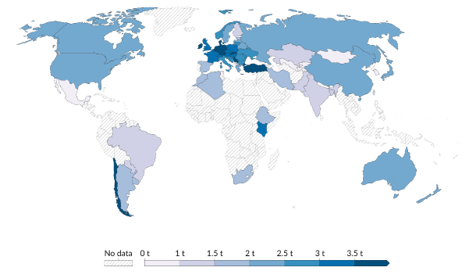
Global distribution of B. napus cultivation regions and corresponding yield metrics during the 2023/2024 crop season.
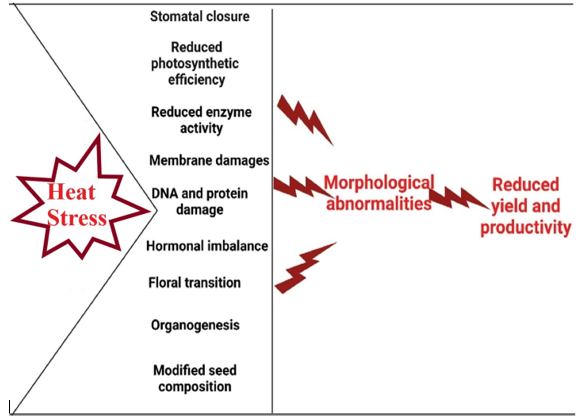
Heat stress adversely affected various physio-chemical processes that ultimately reduced crop productivity.
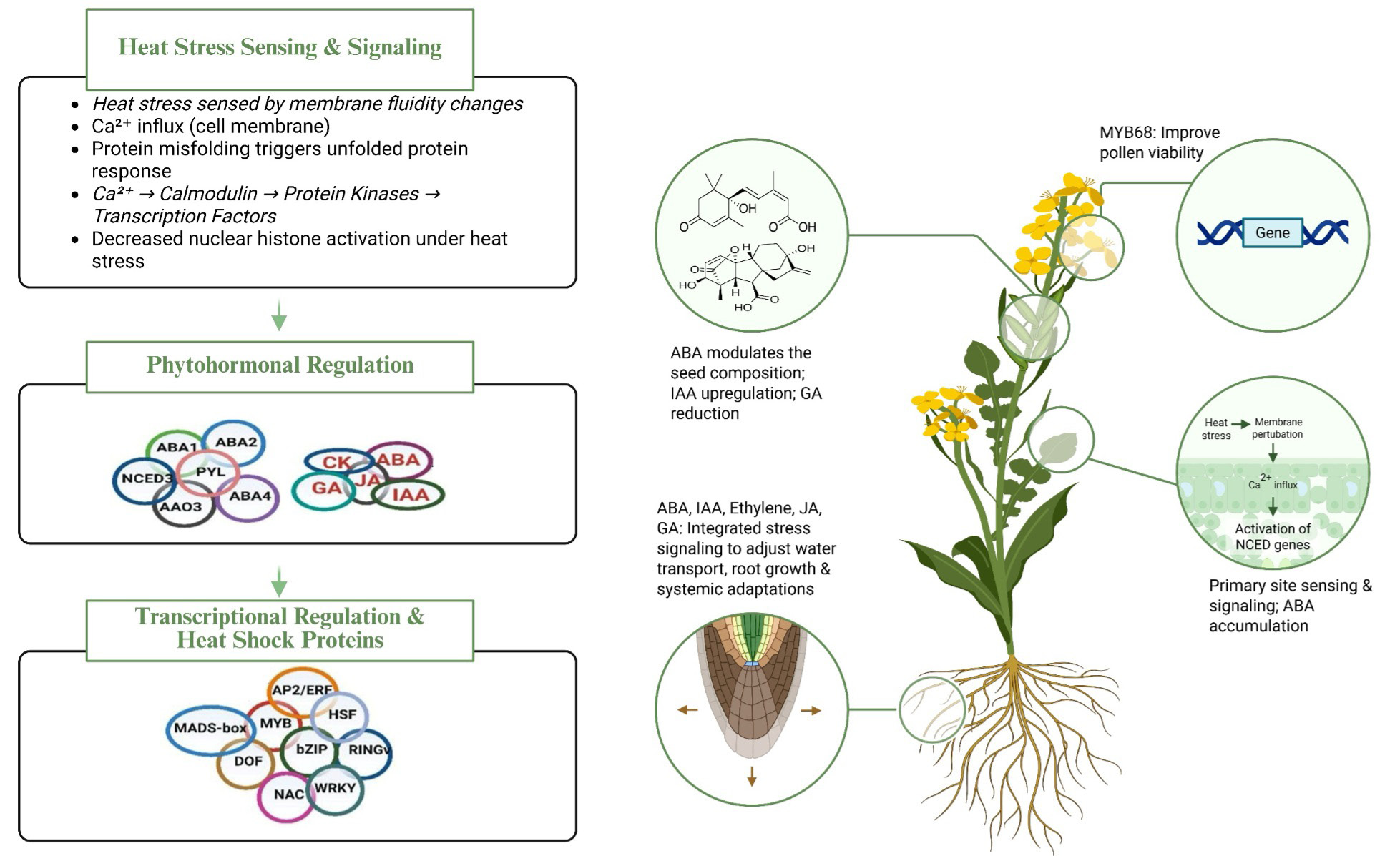
Schematic illustration of heat stress sensing, signaling adaptive responses by B. napus L. plant.
References
- Ambastha, V., and Y. Leshem. 2020. Differential cell persistence is observed in the Arabidopsis female gametophyte during heat stress. Plant Reprod., 33(2): 111-116. https://doi.org/10.1007/s00497-020-00390-0[CrossRef]
- Angadi, S., H. Cutforth, P. Miller, B. McConkey, M. Entz, S. Brandt and K. Volkmar. 2000. Response of three Brassica species to high temperature stress during reproductive growth. Can. J. Plant Sci., 80(4): 693-701. https://doi.org/10.4141/P99-152[CrossRef]
- Bac-Molenaar, J.A., E.F. Fradin, F.F. Becker, J.A. Rienstra, J. van der Schoot, D. Vreugdenhil and J.J. Keurentjes. 2015. Genome-Wide Association Mapping of Fertility Reduction upon Heat Stress Reveals Developmental Stage-Specific QTLs in Arabidopsis thaliana. Plant Cell., 27(7): 1857-1874. https://doi.org/10.1105/tpc.15.00248[CrossRef]
- Baron, K.N., D.F. Schroeder and C. Stasolla. 2012. Transcriptional response of abscisic acid (ABA) metabolism and transport to cold and heat stress applied at the reproductive stage of development in Arabidopsis thaliana. Plant Sci., 188-189: 48-59. https://doi.org/10.1016/j.plantsci.2012.03.001[CrossRef]
- Blümel, M., N. Dally and C. Jung. 2015. Flowering time regulation in crops—what did we learn from Arabidopsis? Curr. Opin. Biotechnol., 32: 121-129. https://doi.org/10.1016/j.copbio.2014.11.023[CrossRef]
- Brunel-Muguet, S., P. D’Hooghe, M.P. Bataillé, C. Larré, T.H. Kim, J. Trouverie, J.C. Avice, P. Etienne and C. Dürr. 2015. Heat stress during seed filling interferes with sulfur restriction on grain composition and seed germination in oilseed rape (Brassica napus L.). Front. Plant Sci., 6: 213. . https://doi.org/10.3389/fpls.2015.00213[CrossRef]
- Castroverde, C.D.M., and D. Dina. 2021. Temperature regulation of plant hormone signaling during stress and development. J. Exp. Bot., 72(21): 7436-7458. https://doi.org/10.1093/jxb/erab257[CrossRef]
- CCC. 2014. Canadian canola production. Canola Council of Canada. Retrieved 2023 December 22 from http://www.canolacouncil.org/markets-stats/statistics/tonnes/.
- Chandrasekaran, U., W. Xu and A. Liu. 2014. Transcriptome profiling identifies ABA mediated regulatory changes towards storage filling in developing seeds of castor bean (Ricinus communis L.). Cell Biosci., 4(33): 1-12 https://doi.org/10.1186/2045-3701-4-33.[CrossRef]
- Channaoui, S., R. El Kahkahi, J. Charafi, H. Mazouz, M. El Fechtali and A. Nabloussi. 2017. Germination and seedling growth of a set of rapeseed (Brassica napus) varieties under drought stress conditions. Int. J. Environ. Agric. Biotechnol., 2(1): 238696. https://doi.org/10.22161/ijeab/2.1.61[CrossRef]
- Chao, L.M., Y.Q. Liu, D.Y. Chen, X.Y. Xue, Y.B. Mao and X.Y. Chen. 2017. Arabidopsis Transcription Factors SPL1 and SPL12 Confer Plant Thermotolerance at Reproductive Stage. Mol. Plant., 10(5): 735-748. https://doi.org/10.1016/j.molp.2017.03.010[CrossRef]
- Chauhan, H., N. Khurana, P. Agarwal and P. Khurana. 2011. Heat shock factors in rice (Oryza sativa L.): genome-wide expression analysis during reproductive development and abiotic stress. Mol. Genet. Genom., 286(2): 171-187. https://doi.org/10.1007/s00438-011-0638-8[CrossRef]
- Del Olmo, I., L. Poza-Viejo, M. Piñeiro, J. A. Jarillo and P. Crevillén. 2019. High ambient temperature leads to reduced FT expression and delayed flowering in Brassica rapa via a mechanism associated with H2A.Z dynamics. Plant J., 100(2): 343-356. https://doi.org/10.1111/tpj.14446[CrossRef]
- Deng, M., Y. Wang, M. Kuzma, M. Chalifoux, L. Tremblay, S. Yang, J. Ying, A. Sample, H. M. Wang, R. Griffiths, T. Uchacz, X. Tang, G. Tian, K. Joslin, D. Dennis, P. McCourt, Y. Huang and J. Wan. 2020. Activation tagging identifies Arabidopsis transcription factor AtMYB68 for heat and drought tolerance at yield determining reproductive stages. Plant J., 104(6): 1535-1550. https://doi.org/10.1111/tpj.15019[CrossRef]
- Di, F., H. Jian, T. Wang, X. Chen, Y. Ding, H. Du, K. Lu, J. Li and L. Liu. 2018. Genome-Wide Analysis of the PYL Gene Family and Identification of PYL Genes That Respond to Abiotic Stress in Brassica napus. Genes (Basel)., 9(3): 156. https://doi.org/10.3390/genes9030156[CrossRef]
- Dikšaitytė, A., A. Viršilė, J. Žaltauskaitė, I. Januškaitienė and G. Juozapaitienė. 2019. Growth and photosynthetic responses in Brassica napus differ during stress and recovery periods when exposed to combined heat, drought and elevated CO2. Plant Physiol. Biochem., 142: 59-72. https://doi.org/10.1016/j.plaphy.2019.06.026[CrossRef]
- Djanaguiraman, M., W. Schapaugh, F. Fritschi, H. Nguyen and P.V.V. Prasad. 2019. Reproductive success of soybean (Glycine max L. Merril) cultivars and exotic lines under high daytime temperature. Plant Cell Environ., 42(1): 321-336. https://doi.org/10.1111/pce.13421[CrossRef]
- Echer, F., D. Oosterhuis, D. Loka and C. Rosolem. 2014. High night temperatures during the floral bud stage increase the abscission of reproductive structures in cotton. J. Agron. Crop Sci., 200(3): 191-198. https://doi.org/10.1111/jac.12056[CrossRef]
- El-Badri, A.M., M. Batool, C. Wang, A.M. Hashem, K.M. Tabl, E. Nishawy, J. Kuai, G. Zhou and B. Wang. 2021. Selenium and zinc oxide nanoparticles modulate the molecular and morpho-physiological processes during seed germination of Brassica napus under salt stress. Ecotoxicol. Environ. Safet., 225: 112695 https://doi.org/10.1016/j.ecoenv.2021.112695.[CrossRef]
- Elferjani, R., and R. Soolanayakanahally. 2018. Canola Responses to Drought, Heat, and Combined Stress: Shared and Specific Effects on Carbon Assimilation, Seed Yield, and Oil Composition. Front. Plant Sci., 9: 1224. https://doi.org/10.3389/fpls.2018.01224[CrossRef]
- Fan, S., H. Liu, J. Liu, W. Hua, S. Xu and J. Li. 2020. Systematic Analysis of the DNA Methylase and Demethylase Gene Families in Rapeseed (Brassica napus L.) and Their Expression Variations After Salt and Heat stresses. Int. J. Mol. Sci., 21(3): 953. https://doi.org/10.3390/ijms21030953[CrossRef]
- FAO. 2022. FAO Statistical Yearbook – World Food and Agriculture. Rome. Retrieved 2023 December 22 from https://www.fao.org/3/cc2211en/cc2211en.pdf.
- Fathi, G., S. Siadat and S. Hemaiaty. 2003. Effect of sowing date on yield and yield components of three oilseed rape varieties. Acta Agron. Hung., 51(3): 249-255. https://doi.org/10.1556/AAgr.51.2003.3.2[CrossRef]
- Figueiredo, A.M.C., and N.M. de Carvalho. 2003. Effect of the type of environmental stress on the emergence of sunflower (Helianthus annus L.), soybean (Glycine max (L.) Merril) and maize (Zea mays L.) seeds with different levels of vigor. Seed Sci. Technol., 31(2): 465-479. https://doi.org/10.15258/sst.2003.31.2.23[CrossRef]
- Gan, Y., S.V. Angadi, H. Cutforth, D. Potts, V.V. Angadi and C.L. McDonald. 2004. Canola and mustard response to short periods of temperature and water stress at different developmental stages. Can. J. Plant Sci., 84(3): 697-704. https://doi.org/10.4141/P03-109[CrossRef]
- Gao, Y., T. Li, Y. Liu, C. Ren, Y. Zhao and M. Wang. 2010. Isolation and characterization of gene encoding G protein α subunit protein responsive to plant hormones and abiotic stresses in Brassica napus. Mol. Biol. Rep., 37(8): 3957-3965. https://doi.org/10.1007/s11033-010-0054-x[CrossRef]
- Gawrysiak-Witulska, M., M. Rudzińska, J. Wawrzyniak and A. Siger. 2012. The Effect of Temperature and Moisture Content of Stored Rapeseed on the Phytosterol Degradation Rate. J. Am. Oil Chem. Soc., 89(9): 1673-1679 https://doi.org/10.1007/s11746-012-2064-4.[CrossRef]
- Gawrysiak-Witulska, M., A. Siger, J. Wawrzyniak and M. Nogala-Kalucka. 2011. Changes in Tocochromanol Content in Seeds of Brassica napus L. During Adverse Conditions of Storage. J. Am. Oil Chem. Soc. 88(9): 1379-1385. https://doi.org/10.1007/s11746-011-1793-0[CrossRef]
- Ghorbani, R., Z. Zakipour, A. Alemzadeh and H. Razi. 2020. Genome-wide analysis of AP2/ERF transcription factors family in Brassica napus. Physiol. Mol. Biol. Plant., 26(7): 1463-1476. https://doi.org/10.1007/s12298-020-00832-z[CrossRef]
- Giorno, F., M. Wolters-Arts, C. Mariani and I. Rieu. 2013. Ensuring Reproduction at High Temperatures: The Heat Stress Response during Anther and Pollen Development. Plants (Basel)., 2(3): 489-506. https://doi.org/10.3390/plants2030489[CrossRef]
- Gunasekera, C.P., L.D. Martin, K.H.M. Siddique and G.H. Walton. 2006. Genotype by environment interactions of Indian mustard (Brassica juncea L.) and canola (B. napus L.) in Mediterranean-type environments: 1. Crop growth and seed yield. Eur. J. Agron., 25(1): 1-12. https://doi.org/10.1016/j.eja.2005.08.002[CrossRef]
- Hara, M., A. Harazaki and K. Tabata. 2013. Administration of isothiocyanates enhances heat tolerance in Arabidopsis thaliana. Plant Growth Regul., 69: 71-77. https://doi.org/10.1007/s10725-012-9748-5[CrossRef]
- Hasanuzzaman, M., K. Nahar, M.M. Alam and M. Fujita. 2014. Modulation of antioxidant machinery and the methylglyoxal detoxification system in selenium-supplemented Brassica napus seedlings confers tolerance to high temperature stress. Biol. Trace Elem. Res., 161(3): 297-307. https://doi.org/10.1007/s12011-014-0120-7[CrossRef]
- Heinrich, M., C. Hettenhausen, T. Lange, H. Wünsche, J. Fang, I.T. Baldwin and J. Wu. 2013. High levels of jasmonic acid antagonize the biosynthesis of gibberellins and inhibit the growth of Nicotiana attenuata stems. Plant J., 73(4): 591-606. https://doi.org/10.1111/tpj.12058[CrossRef]
- Hocking, P.J., J.A. Kirkegaard, J.F. Angus, A.H. Gibson and E.A. Koetz. 1997. Comparison of canola, Indian mustard and Linola in two contrasting environments. I. Effects of nitrogen fertilizer on dry-matter production, seed yield and seed quality. Field Crops Res. 49(2): 107-125. https://doi.org/10.1016/S0378-4290(96)01063-5[CrossRef]
- Hodgson, A. 1979. Rapeseed adaptation in northern New South Wales. III.* Yield, yield components and grain quality of Brassica campestris and Brassica napus in relation to planting date. Aust. J. Agric. Res. 30(1): 19-27. https://doi.org/10.1071/AR9790019[CrossRef]
- Holechek, J.L., H.M.E. Geli, M.N. Sawalhah and R. Valdez. 2022. A Global Assessment: Can Renewable Energy Replace Fossil Fuels by 2050? Sustain., 14(8): 4792. https://doi.org/10.3390/su14084792[CrossRef]
- Huang, R., Z. Liu, M. Xing, Y. Yang, X. Wu, H. Liu and W. Liang. 2019. Heat Stress Suppresses Brassica napus Seed Oil Accumulation by Inhibition of Photosynthesis and BnWRI1 Pathway. Plant Cell Physiol., 60(7): 1457-1470. https://doi.org/10.1093/pcp/pcz052[CrossRef]
- Hussain, H.A., S. Hussain, A. Khaliq, U. Ashraf, S.A. Anjum, S. Men and L. Wang. 2018. Chilling and Drought Stresses in Crop Plants: Implications, Cross Talk, and Potential Management Opportunities. Front. Plant Sci., 9: . https://doi.org/10.3389/fpls.2018.00393[CrossRef]
- Iovane, M., and G. Aronne. 2022. High temperatures during microsporogenesis fatally shorten pollen lifespan. Plant Reprod., 35(1): 9-17. https://doi.org/10.1007/s00497-021-00425-0[CrossRef]
- Justen, V.L., and V.A. Fritz. 2013. Temperature-induced glucosinolate accumulation is associated with expression of BrMYB transcription factors. HortSci., 48(1): 47-52. https://doi.org/10.21273/HORTSCI.48.1.47[CrossRef]
- Kagale, S., U.K. Divi, J.E. Krochko, W.A. Keller and P. Krishna. 2007. Brassinosteroid confers tolerance in Arabidopsis thaliana and Brassica napus to a range of abiotic stresses. Planta., 225(2): 353-364. https://doi.org/10.1007/s00425-006-0361-6[CrossRef]
- Kalantar Ahmadi, S.A. and M. Sarhangi. 2025. Optimizing sowing date for enhanced heat stress tolerance in canola (Brassica napus L.): Investigating impacts on seed yield, oil content, and fatty acids composition. Heliyon., 11(2). https://doi.org/10.1016/j.heliyon.2025.e42138[CrossRef]
- Kazan, K. and R. Lyons. 2016. The link between flowering time and stress tolerance. J. Exp. Bot., 67(1): 47-60. https://doi.org/10.1093/jxb/erv441[CrossRef]
- Kim, S.Y., C.B. Hong and I. Lee. 2001. Heat Shock Stress Causes Stage-specific Male Sterility in Arabidopsis thaliana. J. Plant Res., 114(3): 301-307. https://doi.org/10.1007/PL00013991[CrossRef]
- Kirkegaard, J.A., J.M. Lilley, P.M. Berry and D.P. Rondanini. 2021. Canola Crop Physiology Case Histories for Major Crops. Elsevier., 518-549. https://doi.org/10.1016/B978-0-12-819194-1.00017-7[CrossRef]
- Kirkegaard, J.A., J.M. Lilley, R.D. Brill, S.J. Sprague, N.A. Fettell and G.C. Pengilley. 2016. Re-evaluating sowing time of spring canola (Brassica napus L.) in south-eastern Australia—how early is too early? Crop Pasture Sci., 67(4): 381-396. https://doi.org/10.1071/CP15282[CrossRef]
- Koscielny, C.B., J. Hazebroek and R.W. Duncan. 2018. Phenotypic and metabolic variation among spring Brassica napus genotypes during heat stress. Crop Pasture Sci., 69(3): 284-295 https://doi.org/10.1071/CP17259.[CrossRef]
- Krasucki, W., J. Tys, K. Szafran, R. Rybacki and Ł. Orlicki. 2002. Influence of drying temperature on chemical composition of seeds of oilseed rape. Oilseed Crop., 23: 427-438.
- Lamaoui, M., M. Jemo, R. Datla and F. Bekkaoui. 2018. Heat and Drought Stresses in Crops and Approaches for Their Mitigation. Front. Chem., 6: 26. https://doi.org/10.3389/fchem.2018.00026[CrossRef]
- Li, K., M. Zhao, S. Zhou, L. Niu, L. Zhao and D. Xu. 2024. Effects of antibiotics on secondary metabolism and oxidative stress in oilseed rape seeds. Environ. Sci. Pollut. Res. https://doi.org/10.21203/rs.3.rs-3823238/v1[CrossRef]
- Liu, Z.B., J.M. Wang, F.X. Yang, L. Yang, Y.F. Yue, J.B. Xiang, M. Gao, F.J. Xiong, D. Lv, X.J. Wu, N. Liu, X. Zhang, X.F. Li and Y. Yang. 2014. A novel membrane-bound E3 ubiquitin ligase enhances the thermal resistance in plants. Plant Biotechnol. J., 12(1): 93-104. https://doi.org/10.1111/pbi.12120[CrossRef]
- Lohani, N., M.B. Singh and P.L. Bhalla. 2020. High temperature susceptibility of sexual reproduction in crop plants. J. Exp. Bot., 71(2): 555-568. https://doi.org/10.1093/jxb/erz426[CrossRef]
- Ludwig-Müller, J., P. Krishna and C. Forreiter. 2000. A glucosinolate mutant of Arabidopsis is thermosensitive and defective in cytosolic Hsp90 expression after heat stress. Plant Physiol., 123(3): 949-958. https://doi.org/10.1104/pp.123.3.949[CrossRef]
- Markie, E., A. Khoddami, S.Y. Liu, S. Chen and D.K.Y. Tan. 2025. The Impact of Heat Stress on Canola (Brassica napus L.) Yield, Oil, and Fatty Acid Profile. Agron., 15(7): 1511. https://doi.org/10.3390/agronomy15071511[CrossRef]
- Mathur, S. and A. Jajoo. 2014. Effects of Heat Stress on Growth and Crop Yield of Wheat (Triticum aestivum). In Ahmad, P. and M. R. Wani (eds) Physiological Mechanisms and Adaptation Strategies in Plants Under Changing Environment: Volume 1. Springer New York, New York, NY, 163-191. https://doi.org/10.1007/978-1-4614-8591-9_8[CrossRef]
- Mittler, R., A. Finka and P. Goloubinoff. 2012. How do plants feel the heat? Trends Biochem. Sci., 37(3): 118-125. https://doi.org/10.1016/j.tibs.2011.11.007[CrossRef]
- Morrison, M.J. and D.W. Stewart. 2002. Heat Stress during Flowering in Summer Brassica. Crop Sci., 42(3): 797-803. https://doi.org/10.2135/cropsci2002.7970[CrossRef]
- Namazkar, S., A. Stockmarr, G. Frenck, H. Egsgaard, T. Terkelsen, T. Mikkelsen, C.H. Ingvordsen and R.B. Jørgensen. 2016. Concurrent elevation of CO2, O3 and temperature severely affects oil quality and quantity in rapeseed. J. Exp. Bot., 67(14): 4117-4125. https://doi.org/10.1093/jxb/erw180[CrossRef]
- Nover, L., K. Bharti, P. Döring, S.K. Mishra, A. Ganguli and K.D. Scharf. 2001. Arabidopsis and the heat stress transcription factor world: how many heat stress transcription factors do we need? Cell Stress Chaperon., 6(3): 177-189 https://doi.org/10.1379/1466-1268(2001)006<0177:AATHST>2.0.CO;2.[CrossRef]
- Park, C.-J. and R. Shin. 2022. Calcium channels and transporters: Roles in response to biotic and abiotic stresses. Front. Plant Sci., 13. https://doi.org/10.3389/fpls.2022.964059[CrossRef]
- Poidevin, L., J. Forment, D. Unal and A. Ferrando. 2021. Transcriptome and translatome changes in germinated pollen under heat stress uncover roles of transporter genes involved in pollen tube growth. Plant Cell Environ., 44(7): 2167-2184. https://doi.org/10.1111/pce.13972[CrossRef]
- Pokharel, M., A. Chiluwal, M. Stamm, D. Min, D. Rhodes and S.V.K. Jagadish. 2020. High night-time temperature during flowering and pod filling affects flower opening, yield and seed fatty acid composition in canola. J. Agron. Crop Sci., 206(5): 579-596. https://doi.org/10.1111/jac.12408[CrossRef]
- Raza, A. 2021. Eco-physiological and Biochemical Responses of Rapeseed (Brassica napus L.) to Abiotic Stresses: Consequences and Mitigation Strategies. J. Plant Growth Regul., 40(4): 1368-1388. https://doi.org/10.1007/s00344-020-10231-z[CrossRef]
- Ritchie, H., M. Roser and P. Rosado. 2023. Crop Yields. In: Our World In Data. https://ourworldindata.org/crop-yields.
- Rocco, M., S. Arena, G. Renzone, G.S. Scippa, T. Lomaglio, F. Verrillo, A. Scaloni and M. Marra. 2013. Proteomic analysis of temperature stress-responsive proteins in Arabidopsis thaliana rosette leaves. Mol. BioSyst., 9(6): 1257-1267 https://doi.org/10.1039/c3mb70137a.[CrossRef]
- Rudzińska, M., R. Przybylski and E. Wąsowicz. 2009. Products Formed During Thermo-oxidative Degradation of Phytosterols. J. Am. Oil Chem. Soc., 86(7): 651-662. https://doi.org/10.1007/s11746-009-1397-0[CrossRef]
- Sahni, S., B.D. Prasad, Q. Liu, V. Grbic, A. Sharpe, S.P. Singh and P. Krishna. 2016. Overexpression of the brassinosteroid biosynthetic gene DWF4 in Brassica napus simultaneously increases seed yield and stress tolerance. Sci. Rep., 6: 28298. https://doi.org/10.1038/srep28298[CrossRef]
- Scharf, K.D., T. Berberich, I. Ebersberger and L. Nover. 2012. The plant heat stress transcription factor (Hsf) family: structure, function and evolution. Biochim. Biophys. Acta – Gene Regul. Mech., 1819(2): 104-119. https://doi.org/10.1016/j.bbagrm.2011.10.002[CrossRef]
- Schiessl, S. 2020. Regulation and Subfunctionalization of Flowering Time Genes in the Allotetraploid Oil Crop Brassica napus. Front. Plant Sci., 11: 605155. https://doi.org/10.3389/fpls.2020.605155[CrossRef]
- Secchi, M.A., J.A. Fernandez, M.J. Stamm, T. Durrett, P.V. Prasad, C.D. Messina and I.A. Ciampitti. 2023. Effects of heat and drought on canola (Brassica napus L.) yield, oil, and protein: A meta-analysis. Field Crops Res., 293: 108848. https://doi.org/10.1016/j.fcr.2023.108848[CrossRef]
- Shamloo, D., H. Razi, E. Ebrahimie and A. Niazi. 2018. Molecular characterization of Brassica napus stress related transcription factors, BnMYB44 and BnVIP1, selected based on comparative analysis of Arabidopsis thaliana and Eutrema salsugineum transcriptomes. Mol. Biol. Rep., 45(5): 1111-1124. https://doi.org/10.1007/s11033-018-4262-0[CrossRef]
- Si, P. and G.H. Walton. 2004. Determinants of oil concentration and seed yield in canola and Indian mustard in the lower rainfall areas of Western Australia. Aust. J. Agric. Res., 55(3): 367-377. https://doi.org/10.1071/AR03151[CrossRef]
- Siger, A., M. Gawrysiak-Witulska and J. Wawrzyniak. 2018. Changes in contents of phenolic compounds (sinapic acid derivatives) in seeds of Brassica napus L.under adverse storage conditions. Acta Sci. Pol. Technol. Aliment., 17(4): 367-375. https://doi.org/10.17306/J.AFS.2018.0596[CrossRef]
- So, K.K.Y. and R.W. Duncan. 2021. Breeding Canola (Brassica napus L.) for Protein in Feed and Food. Plant., 10(10): 2220. https://doi.org/10.3390/plants10102220[CrossRef]
- Su, P.H. and H.M. Li. 2008. Arabidopsis stromal 70-kD heat shock proteins are essential for plant development and important for thermotolerance of germinating seeds. Plant Physiol., 146(3): 1231-1241. https://doi.org/10.1104/pp.107.114496[CrossRef]
- Tang, X., Y.J. Hao, J.X. Lu, G. Lu and T. Zhang. 2019. Transcriptomic analysis reveals the mechanism of thermosensitive genic male sterility (TGMS) of Brassica napus under the high temperature inducement. BMC Genom., 20(1): 644. https://doi.org/10.1186/s12864-019-6008-3[CrossRef]
- Vlahakis, C. and J. Hazebroek. 2000. Phytosterol accumulation in canola, sunflower, and soybean oils: effects of genetics, planting location, and temperature. J. Am. Oil Chem. Soc., 77: 49-53 https://doi.org/10.1007/s11746-000-0008-6.[CrossRef]
- Wang, C., Z. Wang, A.M. El-Badri, M. Batool, S. Anwar, X. Wang, M. Bai, Y. You, B. Wang, J. Wang, Z. Xu, J. Kuai and G. Zhou. 2023a. Moderately deep tillage enhances rapeseed yield by improving frost resistance of seedling during overwintering. Field Crops Res., 304: 109173. https://doi.org/10.1016/j.fcr.2023.109173[CrossRef]
- Wang, P., C. Yang, H. Chen, L. Luo, Q. Leng, S. Li, Z. Han, X. Li, C. Song, X. Zhang and D. Wang. 2018. Exploring transcription factors reveals crucial members and regulatory networks involved in different abiotic stresses in Brassica napus L. BMC Plant Biol., 18(1): 202. https://doi.org/10.1186/s12870-018-1417-z[CrossRef]
- Wang, Z., L. Song, C. Wang, M. Guo, A.M. El-Badri, M. Batool, J. Kuai, J. Wang, B. Wang and G. Zhou. 2023b. Rapeseed-maize double-cropping with high biomass and high economic benefits is a soil environment-friendly forage production mode in the Yangtze River Basin. Eur. J. Agron., 142: 126675. https://doi.org/10.1016/j.eja.2022.126675[CrossRef]
- Weymann, W., U. Böttcher, K. Sieling and H. Kage. 2015. Effects of weather conditions during different growth phases on yield formation of winter oilseed rape. Field Crops Res., 173: 41-48. https://doi.org/10.1016/j.fcr.2015.01.002[CrossRef]
- Wu, X. L., Z.H. Liu, Z.H. Hu and R.Z. Huang. 2014. BnWRI1 coordinates fatty acid biosynthesis and photosynthesis pathways during oil accumulation in rapeseed. J. Integr. Plant Biol., 56(6): 582-593. https://doi.org/10.1111/jipb.12158[CrossRef]
- Yan, G., X. Lv, G. Gao, F. Li, J. Li, J. Qiao, K. Xu, B. Chen, L. Wang, X. Xiao and X. Wu. 2016. Identification and Characterization of a Glyoxalase I Gene in a Rapeseed Cultivar with Seed Thermotolerance. Front. Plant Sci., 7: 150. https://doi.org/10.3389/fpls.2016.00150[CrossRef]
- Young, L.W., R.W. Wilen and P.C. Bonham Smith. 2004. High temperature stress of Brassica napus during flowering reduces micro- and megagametophyte fertility, induces fruit abortion, and disrupts seed production. J. Exp. Bot., 55(396): 485-495. https://doi.org/10.1093/jxb/erh038[CrossRef]
- Yu, E., C. Fan, Q. Yang, X. Li, B. Wan, Y. Dong, X. Wang and Y. Zhou. 2014. Identification of heat responsive genes in Brassica napus siliques at the seed-filling stage through transcriptional profiling. PLoS One., 9(7): e101914. https://doi.org/10.1371/journal.pone.0101914[CrossRef]
- Zandalinas, S.I., R. Mittler, D. Balfagón, V. Arbona and A. Gómez-Cadenas. 2018. Plant adaptations to the combination of drought and high temperatures. Physiol. Plant., 162(1): 2-12. https://doi.org/10.1111/ppl.12540[CrossRef]
- Zhang, H., J.D. Berger and S.P. Milroy. 2013. Genotype×environment interaction studies highlight the role of phenology in specific adaptation of canola (Brassica napus) to contrasting Mediterranean climates. Field Crops Res., 144: 77-88. https://doi.org/10.1016/j.fcr.2013.01.006[CrossRef]
- Zhang, H., B. Yang, W.Z. Liu, H. Li, L. Wang, B. Wang, M. Deng, W. Liang, M.K. Deyholos and Y.Q. Jiang. 2014. Identification and characterization of CBL and CIPK gene families in canola (Brassica napus L.). BMC Plant Biol., 14: 8. https://doi.org/10.1186/1471-2229-14-8[CrossRef]
- Zhang, S.S., H. Yang, L. Ding, Z.T. Song, H. Ma, F. Chang and J.X. Liu. 2017. Tissue-Specific Transcriptomics Reveals an Important Role of the Unfolded Protein Response in Maintaining Fertility upon Heat Stress in Arabidopsis. Plant Cell., 29(5): 1007-1023. https://doi.org/10.1105/tpc.16.00916[CrossRef]
- Zhang, T., L. Shen, R. Wang, Y. Zou, J. Zhao, R. Li, J. Liang and H. Gong. 2012. Fertility alteration and utilization of male-sterile line 160S in Brassica napus. Acta Bot. Boreali-Occident. Sin., 32(1): 35-41.
- Zheng, Q. and K. Liu. 2022. Worldwide rapeseed (Brassica napus L.) research: A bibliometric analysis during 2011–2021. Oil Crop Sci., 7(4): 157-165.
- Zhou, L., T. Yan, X. Chen, Z. Li, D. Wu, S. Hua and L. Jiang. 2018. Effect of high night temperature on storage lipids and transcriptome changes in developing seeds of oilseed rape. J. Exp. Bot., 69(7): 1721-1733. https://doi.org/10.1093/jxb/ery004[CrossRef]
- Zhu, X., C. Huang, L. Zhang, H. Liu, J. Yu, Z. Hu and W. Hua. 2017. Systematic Analysis of Hsf Family Genes in the Brassica napus Genome Reveals Novel Responses to Heat, Drought and High CO2 Stresses. Front. Plant Sci., 8. https://doi.org/10.3389/fpls.2017.01174[CrossRef]
Services
Article usage statistics
Loading…