ResearchersLinks

Research Article · Volume 37, Issue 1, 17 May 2022 · Open Access

Forced Mating an Efficient Tool in Camel Production to Reduce the Age at Puberty and Calving Interval in Dromedary She-Camel (Camelus dromedarius)

· · · · · · · · · · ·

Affiliations & Notes ⌄
  1. 1Department of Livestock and Poultry Production, Bahauddin Zakariya University, Multan, Pakistan 2Cirad-Es, UMR SELMET, Montpellier 34070, France 3Agricultural Faculty, Department of Animal Science, Biometry and Genetics Unit Igdir, University of Igdir Turkey. 4Therapeutic Nutrition Department, Faculty of Nursing and Health Sciences, Misurata University, Misurata, Libya 5Ministry of Agriculture and Fisheries and Water Resource, Sultanate of Oman 6Animal Science Research Department, Yazd Agricultu
Article Info ⌄
Journal:
Punjab University Journal of Zoology
Published:
17 May 2022

From the article

  • The observations of forced mating in ten parturient she-camels resulted in less calving interval at CBRS Rakh Mahni are shown in Table 3.
  • As seasonal breeder; camel is considered having longer calving interval and higher age at first mating.
  • All the thirteen she-camels were successfully conceived and delivered the calves.
  • Hence, this practice could be used as an indirect tool for reproductive management in camels.

Selected from the article's own text.

Abstract

A distinctive biological model, the camel, is auspicious livestock in drastic weather conditions. The location of Pakistan is at the hotspot regions where the disasters of environmental changes hit severely. The future hope for food security is a camel particularly for drought-stricken areas of the country, such as Cholistan, Thal, in Punjab, and Thar Deserts in Sindh. Camels have the ability to adapt to the harshest climatic conditions when kept for milk, meat, wool, and hides production. Camel production can be enhanced by reducing the age at puberty and calving interval. The current study was showing the effects of forced mating as a tool in the reduction of age at puberty and calving interval in She-camels. For this purpose, thirteen female camels (3 female young stock –FYS, 10 parturient) belonged to Camel Breeding and Research Station (CBRS) Rakh Mahni Bhakkar Punjab, Pakistan were enrolled in this study. Available rutting male from the same herd were forced the female young stock and parturient She-camels for mating month after parturition. The results showed that age at first service was reduced to 38, 36.5 and 36 months in the three female young stock and the calving interval for multiparous females was reduced up to 698, 690, 688, 624, 458, 440, 418, 406, 390 and 372 days in ten female camels, respectively. The current findings indicate that forced mating could be an effective reproductive management tool to use the available rutting bull in the seasonal breeder She-camels to shorten the age at puberty and calving interval and to get the offspring at desired time. 
 
Novelty Statement | Due to climatic change, global warming issues and feed scarcity issues the camel will be the animal of future. But the camel production also faces some problems due to longer calving intervals, pregnancy periods, seasonal breeding and lower calf crop issues. This newly applied technique of forced mating could be an efficient tool to slight overcomes these issues. 
Introduction

Camel rearing is confronted with low numerical productivity due to its specific physiology of reproduction. First, a seasonal breeder, the reproduction cycle of camel is constrained by this limited time when the animals are available for mating. Indeed, the male is rutting only during the breeding season (4-5 months/year) and the female is ovulating only in case of mating . In addition to such restricted breeding season, longer gestation period (up to 13 months), delayed age at puberty (up to 5 years) and longer calving interval (2 years on average) are the natural constraints in reproduction of camels. Some pastoral camel herders of Pakistan and Africa use forced mating as a tool to get pregnant she-camels whenever a rutting bull is available to them. Camel herders believe that when forced mating is practiced then either she-camel will conceive or comes in heat after few days or within week. So, it could be used as reproductive management tool to shorten the age at puberty and calving interval in the seasonal breeder camels. Hence, the current study was conducted to observe the effects of forced mating in the female young stock and parturient females.

Study site

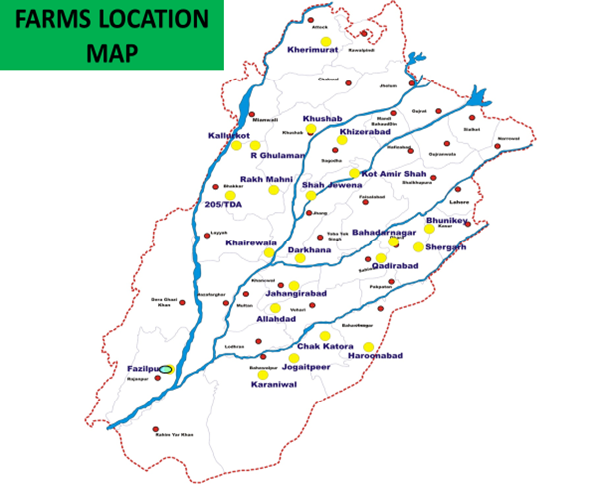
The present study was conducted at Camel Breeding and Research Station (CBRS) Rakh Mahni. The area of this farm lies in the deserted plain of Thal. The location of this farm is in Thal area between 31° 10’ and 32° 22’ North Latitude and 70° 47’ and 72° East Longitude. The sandy desert area included in the Agro-Ecological Zone-III A and B has slight strips of sand points and sand dunes (Figure 1). Arid to semi-arid subtropical continental climatic conditions and the mean value of monthly highest temperature is up to 45.6 ºC, while during the winter season, it ranges from 5.5 to 1.3 ºC. The mean value of annual rainfall in that area is from 150-350 mm, which may increase from South to North . The CBRS is camel farm made in 2005 keeping in view the camel’s production and breeding. For this purpose the Marecha camel from Cholistan desert was imported to the farm, almost more than hundred in strength. The livestock present there consume mostly tree browsing, shrubs and herbs grazing.

Materials and Methods

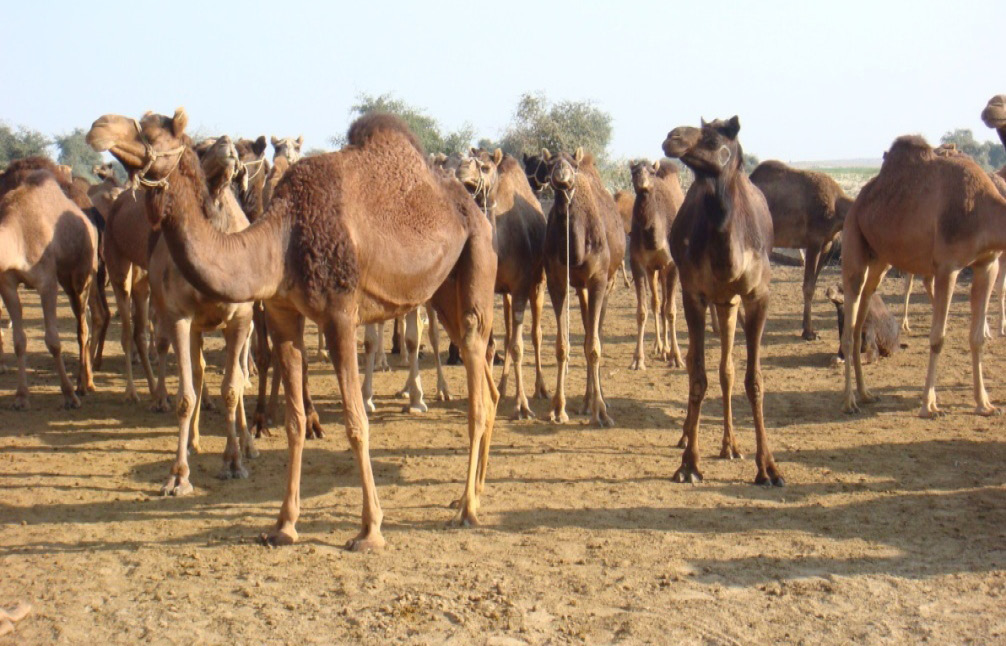
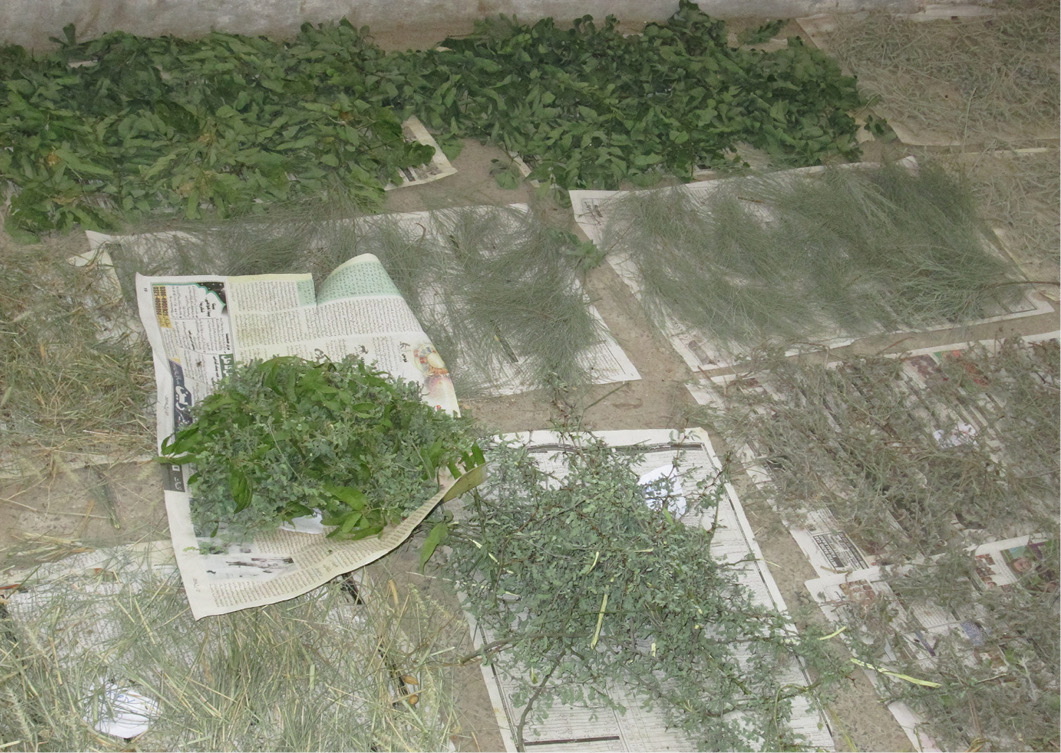
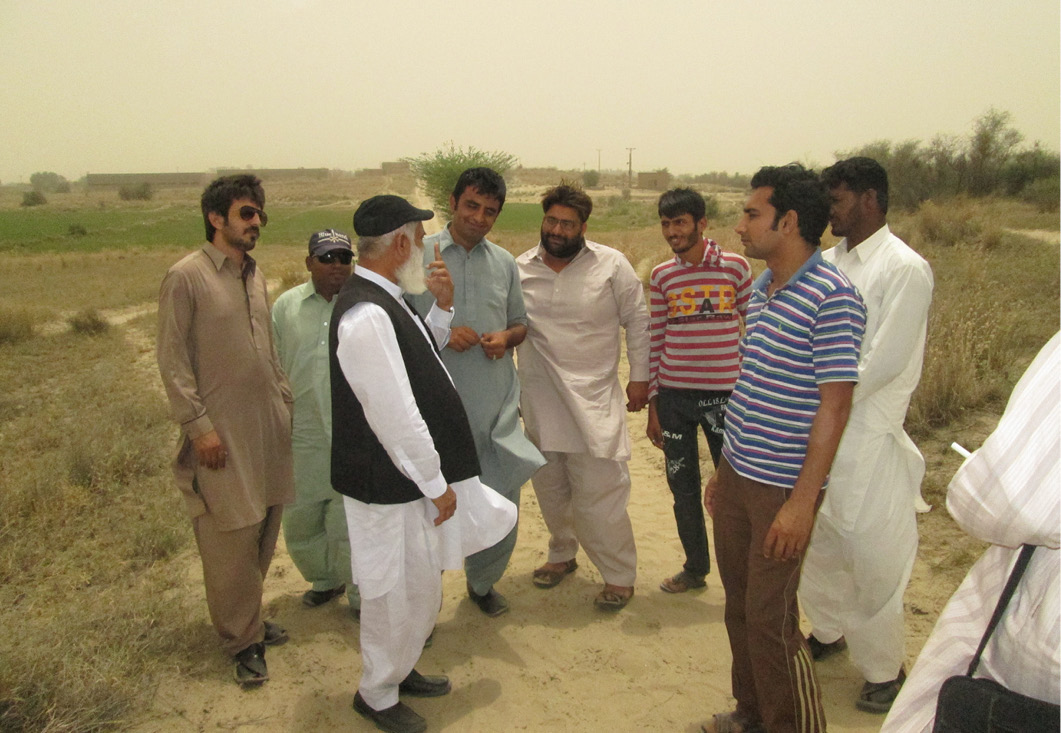
Marecha camel breed has been used for the current study and those are reared for reproductive and dairy production purposes (Figure 2). Available rutting bull forced three female young stock (FYS) and ten parturient females, one month after parturition for mating. The animals were kept in semi-open sheds during the whole trial period. The animals were sent in the field for 8 hours from 08:00AM to 16:00PM for grazing/browsing (Figure 3). After that the animals were manger fed with concentrate approximately 3 kg per day along with 3 kg missa bhoosa (Gram crop residues + Guar crop residues). Lucerne fodder was provided as cut and carry system approximately 20 kg/h/day. Crude Protein (CP), Total Digestible Nutrient (TDN), Dry Matter (DM), Neutral Detergent Fiber (NDF), and Acid Detergent Fiber (ADF) of concentrate were 18, 66, 90.32, 29, 14.41 % respectively while Metabolic Energy (ME) noted was 2.41 Mcal/kg DM. Twice watering was provided. The animals were sprayed with Ecofleece solution for reducing the parasitic load. All the females were got conceived and delivered the calves next year successfully. The normal parameters of camels at CBRS (Camel Breeding and Research Station) Rakh Mahni are presented in Table 1. Figure 4 shows the research area visiting during study period (at CBRS Rakh Mahni).

Table 1: Normal parameters of camels at CBRS Rakh Mahni.

Parameters

Sex

Duration/weight

Age at maturity

Male

5 years

Female

4.5-5 years

Weight at maturity

Male

550-65 0 kg

Female

450-550 kg

Age at first service

Male

4.5-5 years

Female

4.5-5 years

Gestation period

Female

12-13 month

Age at first calving

Female

6 years

Calving interval

Female

2-2.5 years

Weight of calf

Male

45-50 kg

Female

40-45 kg

Lactation length

Female

12-18 month

Weaning age

Male/Female

8-12 month

Weaning weight

Male

180-250 kg

Female

160-230 kg

Results and Discussion

The age at puberty in FYS has been reduced to less than four years, age at first service is reduced to 38, 36.5 and 36 months in three FYS which resulted in reduction of age at first calving up to 1527, 1494 and 1478 days (Table 1) as compared to the normal age at first service in Marecha she-camel which is 4.5-5 years (1643-1825 days) . While the parturient females delivered the calf in next year so considerably decrease the calving interval which is reduced up to 698, 690, 688, 624, 458, 440, 418, 406, 390 and 372 days in all ten she-camels, respectively (Table 2) as compared to the normal calving interval in Marecha she-camel which is 2-2.5 years (730-913 days) ; , b). The observations of forced mating in ten parturient she-camels resulted in less calving interval at CBRS Rakh Mahni are shown in Table 3.

Table 2: Forced mating in three FYS resulted in less age at puberty at CBRS Rakh Mahni.

S.

no

Breed

Class

Brand No

Date of birth

Date of first service

Age at service

in months

Age at service (Days)

Date of calving

Age at calving (Days)

1

Marecha

*FYS

49/12

25-02-2012

02-5-2015

38

1162

20-05-2016

1527

2

Marecha

*FYS

40/11

18-02-2012

02-3-2015

36.5

1109

22-03-2016

1494

3

Marecha

*FYS

52/12

04-03-2012

01-3-2015

36

1091

22-03-2016

1478

*FYS (Female young Stock).

Table 3: Forced mating in ten parturient she-camels resulted in less calving interval at CBRS Rakh Mahni.

S.

no

Breed

Class

Brand no

Date of purchase

Date of

1st calving

Date of

2nd calving

Calving interval

(Days)

1

Marecha

¶She-Camel

P-29

P-27-02-2007

20-03-2013

20-02-2015

698

2

Marecha

¶She-Camel

P-15

P-22-03-2006

06-05-2013

27-03-2015

690

3

Marecha

¶She-Camel

P-39

P-20-03-2007

25-04-2013

14-03-2015

688

4

Marecha

¶She-Camel

P-23

P-22-03-2006

19-05-2014

04-02-2016

624

5

Marecha

¶She-Camel

16

--------

22-03-2017

25-06-2018

458

6

Marecha

¶She-Camel

25

--------

25-05-2017

11-08-2018

440

7

Marecha

¶She-Camel

8/07

--------

27-04-2016

20-06-2017

418

8

Marecha

¶She-Camel

42

--------

15-03-2018

26-04-2019

406

9

Marecha

¶She-Camel

55

--------

25-02-2017

20-03-2018

390

10

Marecha

¶She-Camel

21

--------

20-04-2017

27-04-2018

372

¶She-Camel (Female Camel).

Age at puberty

In the male, puberty appears when rut occurs. According to the study conducted by Yagil (1982), adequate food is available, particularly during cooler and wetter seasons, the rut is confined and when the calf is born. Rutting is partially affected by the level of nutrition and age of animal as reported by Yagil and Etzion (1980), Mukasa-Mugerwa (1981), Bedrak et al. (1983), and Deen (2008) but the main mechanism is linked to environmental and neuroendocrine control . The age of puberty in male can be improved by the feeding system. Improving in the content of crude protein and energy in the diet, it is possible to increase the testicle size and consequently to accelerate the maturity of reproduction organs especially since the richness of the diet could also modify the hormonal profile accelerating the puberty reported by Al-Saiady et al. (2015).

In female animals, the age at puberty could be also influenced by the diet by improving the blood estrogen level . Globally, a diet with balanced protein and energy improves the mating rate at an early age of the sexual activity or after parturition contributing to reduce calving interval .

Calving interval

The female animals remain fertile at the age of 25 years and they can produce 8-10 calves or maybe even more than during this period in the traditional management system. Breeding females reaching this proportion is in a small fraction of while most of stock gives around 6-7 calves . The calving interval is long in the she-camels, e.g., 23-24 months in Somali camels as reported by Keskes et al. (2013b) and Ahmed et al. (2005), 24-25 months in Babile/Gursum , 31 months in Afar reported by Keskes et al. (2013a), 25-26 months in Borana, Oromia , 28-29 months in Somali, Rendile and Gabra camels of North Kenya (Kaufman, 2005).

Length of calving interval in dromedary camels could be extended due to different factors such as (i) limitation of the breeding season (ii) prolonged gestation period (iii) postpartum estrus may be late (1 year after parturition normally) . Calving intervals were significantly prolonged as in the studies of Megersa et al. (2008) and the reason recorded was mating avoided intentionally camel herder because it had a negative effect on lactation length, milk yield, and calf survival rate. Indeed, pregnancy contributes to the shortening of lactation.

Lactation length was shorter as its mean value was 230 days and mean value of total lactation production was decreased by 1,532 liters in camel conceiving at 284 ± 21.5 days postpartum compared with non-pregnant camels .

To decrease the calving interval, a first practice was the early separation. The separation of the young camel few days after birth, allows a rapid return of estrus and possibility of mating. Indeed, milking is the main mechanism to delay the return to estrus. In trials achieved in Tunisia, the mean calving interval decreased from 714 ±31 to 403 ± 8 days . Associated to artificial milking for the young baby camel , a significant improvement of numerical productivity can be observed. In optimal conditions obtained in experimental station, it was possible to get 5 calving over 5 years, i.e., a numerical productivity comparable to that of bovine. In addition, such protocol could be completed by hormonal induction to overpass the natural seasonal reproductive physiology of camel. Even applied to females having missed the mating at the breeding season or after abortion, such hormonal treatment (PMSG + progesterone) could allow reducing calving interval by 3-4 months .

Age at first calving

Mean values of calving interval and age at first calving were 2.82 and 5.17 years respectively among pastoral camel herds reported by Kalla et al. (2008) at the Komodugu-Yobe River basin in northeastern Nigeria. The age at first calving was reduced due to different veterinary services and the role of health care was shown its results as increasing sexual maturity and subsequent productivity . Mukasa-Mugerwa (1981) reported that insufficient body weight was resulted due to a low plane of nutrition and it could be a possible cause of delaying in the age at first calving in camels. Megersa et al. (2008) reported the performance of camels in which two females were pregnant about a month post-calving due to accidental mating Borana, southern Ethiopia. Hammadi et al. (2001) studied the sexual activity return one month after calving in dromedary and reported that the first heat was 29.5 days from average postpartum intervals in traditionally managed camels. The results are in line as reported by Abdussamad et al. (2011) in dromedary camels of Nigeria. Williamson and Payne (1999) reported that postpartum estrus is delayed for about one year normally because a few females return to heat during one month after parturition.

Lactation length

In the female camel, lactation length differs from one region to other which ranges 8-24 months . The lactation period depends on the climate, parturition, and feeding conditions . However, the lactation period may last up to two years; the calf of the camel is usually weaned too earlier, during 3 and 18 months at any time because, under traditional pastoral systems, the average is 12 months .

Conclusions and Recommendations

As seasonal breeder; camel is considered having longer calving interval and higher age at first mating. Forced mating in current experiment provided fruitful results. All the thirteen she-camels were successfully conceived and delivered the calves. Hence, this practice could be used as an indirect tool for reproductive management in camels. However, as there is low compatibility between dairy production and numerical productivity, the reduction of calving interval is only interesting in case of meat production. This study is the beginning and will be pioneer for this area of research, definitely further investigations should be done in this regard as relatively few information is available in literature data about this topic. The application for these procedures should be studied and discussed for future vogue in camel pastoral systems as well as in intensive farming.

Acknowledgements

The help extended by Camel Breeding and Research Station Rakh Mahni is gratefully acknowledged.

Conflict of interest

The authors have declared no conflict of interest.

Figures

Figure 1:
Figure 1:.

Map of study area.

Figure 2:
Figure 2:.

Marecha herd at CBRS Rakh Mahni.

Figure 3:
Figure 3:.

Available vegetation for feeding of camels at CBRS Rakh Mahni.

Figure 4:
Figure 4:.

Research area visiting during study period (CBRS Rakh Mahni).

References

  1. Abdussamad, A.M., Holtz, W., Gauly, M., Suleiman, M.S., and Bello, M.B., 2011. Reproduction and breeding in dromedary camels: Insights from pastoralists in some selected villages of the Nigeria-Niger corridor. Livest. Res. Rural Dev., 23: Article# 178. Retrieved May 23, 2019, from http://www.lrrd.org/lrrd23/8/abdu23178.htm.
  2. Ahmed, S.M., Asefa, A.A., Hegde, B.P., and Ahmed, B.D., 2005. Traditional feeding management, drought and migration of the camel herds of Afder zone, Somali Regional state. In: Participatory innovation and research: lessons for livestock development, 125-135. Addis Ababa: Proceedings of the 12th conference of the Ethiopian Society of Animal Production, August 12-14, 2004.
  3. Ainani, H., Achaâban, M.R., Tibary, A., Pévet, P., Simonneaux, V., and El-Allali, K., 2018. Environmental and neuroendocrine control of breeding activity in the dromedary camel. Rev. Marocaine Sci. Agron. Vét., 2: 143-157.
  4. Al-Saiady, M.Y., Mogawer, H.H., Al-Mutairi, S.E., Bengoumi, M., Faye, B., Musaad, A., and Gar-Elnaby, A., 2012. Effect of different feeding regime on body weight, ovaries size, developments and blood progesterone level in pre-pubertal she-camel (Camelus domedarius). J. Anim. Vet. Adv., 11: 3522-3526. https://doi.org/10.3923/javaa.2012.3522.3526[CrossRef]
  5. Al-Saiady, M.Y., Mogawer, H.H., Al-Mutairi, S.E., Bengoumi, M., Musaad, A., Gar-Elnaby, A., and Faye, B., 2013. Effect of different feeding regime on body weight, testicular size developments, and testosterone level in pre-pubertal male camel (Camelus dromedarius). Afr. J. Agric. Res., 8: 2631-2636.
  6. Al-Saiady, M.Y., Mogawer, H.H., Al-Mutairi, S.E., Bengoumi, M., Musaad, A., Gar-Elnaby, A., and Faye, B., 2015. Factors affecting feed intake, body weight, testicular size and testosterone, follicle stimulating hormone (FSH) and luteinizing hormone (LH) serum concentrations in peri-pubertal male camels. Afr. J. Agric. Res., 10: 1709-1713. https://doi.org/10.5897/AJAR2014.9319[CrossRef]
  7. Bedrak, E., Rosenstrawuch, A., Kafka, M., and Friedlander, M., 1983. Testicular steroidogenesis in the camel (Camelus dromedarius) during the mating and non-mating seasons. Gen. Comp. Endocrinol., 52: 255-264. https://doi.org/10.1016/0016-6480(83)90120-X[CrossRef]
  8. Deen, A., 2008. Testosterone profiles and their correlation with sexual libido in male camels. Res. Vet. Sci., 85: 220-226. https://doi.org/10.1016/j.rvsc.2007.10.012[CrossRef]
  9. Eberlein, V., 2007. Hygienic status of camel milk in Dubai (United Arab Emirates) under two different milk management systems. Dr. med. vet. Thesis. Ludwig-Maximilians-Universitaet Muenchen. pp. 120 pp. http://edoc.ub.uni-muenchen.de/7663/1/Eberlein_Valerie.pdf
  10. Faraz, A., 2016. Growth performance of Marecha camelid (Camelus dromedarius) reared under different management systems. A PhD dissertation submitted to Institute of Dairy Sciences, Faculty of Animal Husbandry, University of Agriculture Faisalabad, Pakistan.
  11. Faraz, A., Waheed, A., Mirza, R.H., and Ishaq, H.M., 2019a. The camel a short communication on classification and attributes. J. Fish. Livest. Prod., 7: 289.
  12. Faraz, A., Waheed, A., Yaqoob, M., and Mirza, R.H., 2019b. Camel production profile in desert ecosystem of Thal, Punjab. Sindh Univ. Res. J. (Sci. Ser.), 51: 45-52. https://doi.org/10.26692/sujo/2019.01.09[CrossRef]
  13. Hammadi, M., Khorchani, T., Khaldi, G., Abdouli, H., and Slimane, N., 1997. Effets d’une supplémentation par un aliment concentré sur les performances de production et de reproduction en période post-partum chez la chamelle (Camelus dromedarius) suitée et élevée sur un parcours du Sud-Tunisien. Actes du séminaire international Acquis scientifiques et perspectives pour un développement durable des zones arides. Djerba, 5-7 Dec. 1996: 377-385.
  14. Hammadi, M., Khorchani, T., Kahaldi, G., Majdoub, A., Abduoli, H., Slimane, N., Portetelle, and Renaville R., 2001. Effect of diet supplementation of growth and reproduction in camels under arid range conditions. Biotechnol. Agron. Soc. Environ., 5: 69-72.
  15. Kalla, D.J.U., Zaharaddeen, D., and Yerima, J., 2008. Reproductive performance of one-humped camel (Camelus dromedarius) at the Komodugu-Yobe River Basin, Nigeria. In: Proceedings of the WBC/ICAR 2008 satellite meeting on camelid reproduction, 12-13 July, 2008, Budapest, Hungary, pp. 77-81. http://www.isocard.org/e-Library/Proceedings/2008_Proceedings_of_the_Satellite_Meeting_Hungary.pdf
  16. Kaufmann, B., 2005. Reproductive performance of camels (Camelus dromedarius) under pastoral management and its influence on herd development. Livest. Prod. Sci., 92: 17-29. https://doi.org/10.1016/j.livprodsci.2004.06.016[CrossRef]
  17. Keskes, S., Ibrahim, M., Tessema, T.S., Tamir, B., Regassa, F., Kassa, T., and Dawo, F., 2013b. Production systems and reproductive performance of Camelus dromedarius in Somali regional state, eastern Ethiopia. J. Agric. Environ. Int. Dev., 107: 243-266.
  18. Keskes, S., Mechemeria, M., Tessema, T.S., Regassa, F., Adugna, W., and Dawo, F., 2013a. Reproductive performance of camelus dromedarius kept under Afar pastoral management system using progeny history testing. J. Camelid Sci., 6: 100-115.
  19. Khorchani, T., Hammadi, M., and Moslah, M., 1991. Résultats des recherches obtenus à l’Institut des régions arides de Médenine dans le domaine de l’amélioration de la productivité des dromadaires. Séminaire national sur l’élevage camelin. Douz, Tunisie, 29-30 déc. 1991.
  20. Khorchani, T., IsmaIl, M., Hammadi, M., Moslah, M., and Chammem, M., 1997. Sauvegarde du dromadaire et amélioration de sa productivité : bilan des principales recherches menées à l’Institut des Régions Arides de Médenine (Tunisie). Actes du séminaire international (Acquis scientifiques et perspectives pour un développement durable des zones arides). Djerba, 5-7 déc., pp. 368-376.
  21. Megersa, B., Regassa, A., Kumsa, B., and Abuna, F., 2008. Performance of camels (Camelus dromedarius) kept by pastoralists with different degrees of experience in camel keeping in Borana, southern Ethiopia. Anim. Sci. J., 79: 534-541. https://doi.org/10.1111/j.1740-0929.2008.00560.x[CrossRef]
  22. Moslah, M., 1993. L’amélioration de la productivité des dromadaires en Tunisie par séparation précoce du chamelon et allaitement artificiel. In Atelier: Peut-on améliorer les performances de reproduction des dromadaires? Paris, 10-12 sept. 1990, Ed. CIRAD-EMVT, Montpellier, pp. 225-238.
  23. Mukasa-Mugerwa, E., 1981. The camel (Camelus dromedarius): A bibliographical review. ILCA Monograph 5, Addis Ababa, Ethiopia: ILCA. http://www.ilri.org/InfoServ/Webpub/fulldocs/MONONO5 /toc.htm
  24. Nagy, P., Faig, V., Reiczige, J., and Juhasz, J., 2015. Effect of pregnancy and embryonic mortality on milk production in dromedary camels (Camelus dromedarius). J. Dairy Sci., 98: 975-986. https://doi.org/10.3168/jds.2014-8546[CrossRef]
  25. Rahim, S.M.A., Hasnain, S. and Farkhanda, J., 2011. Effect of calcium, magnesium, sodium and potassium on farm plantations of various agroecological zones of Punjab, Pakistan. Afr. J. Plant Sci., 5: 450-459.
  26. Schwartz, H.J., and Walsh, M.G.H., 1992. The productive potential of the camel. In the one-humped camel (C. dromedaius) in eastern Africa: A pictorial guide to diseases, health care and management, (eds. I.H.J. Schwartz and M. Dioli). Verlag Josef Margraf.
  27. Sisay, K., Getachew, A., and Lemma, Z., 2015. The contribution of camel milk to pastoralist livelihoods in Ethiopia: An economic assessment in Somali Region State. London: IIED Country Report. IIED, ISBN 978-1-78431-151-3.
  28. Tibary, A., and Anouassi, A., 1997. Theriogenology in camelidae. Anatomy, physiology, pathology and artificial breeding. Actes Ed., IAV HassanII, Rabat, Morocco, pp. 489.
  29. Tibary, A., and Anouassi, A., 2000. Lactation and udder diseases. Skidmore, L. and Adams, G.P. (editors), Recent Advances in Camelid Reproduction, Ithaca, NY: IVIS. http://www.ivis.org/advances/ CamelSkidmore/tibary4/IVIS.pdf
  30. Williamson and Payne. 1999. An introduction to animal husbandry in the tropics, 5th Edition. William J. A. Payne (Editor), R. Trevor Wilson (Editor). ISBN: 978-0-632-04193-0 June 1999.
  31. Yagil, R., 1982. Camels and camel milk. FAO Animal Production and Health Paper 26, Rome: FAO. pp. 67.
  32. Yagil, R., and Etzion, Z., 1980. Hormonal and behavioural patterns in the male camel (Camelus dromedarius). J. Reprod. Fert., 58: 61-65. https://doi.org/10.1530/jrf.0.0580061[CrossRef]

Services

Article usage statistics

Loading…

Forced Mating an Efficient Tool in Camel Production to Reduce the Age at Puberty and Calving Interval in Dromedary She-Camel (Camelus dromedarius) · ResearchersLinks