Essam S. Soliman, Rania A. Hassan
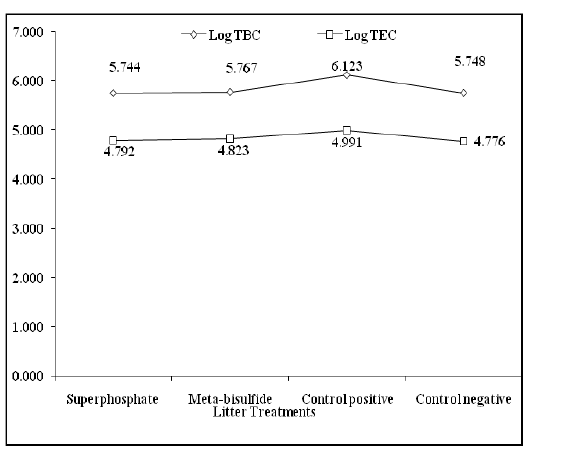
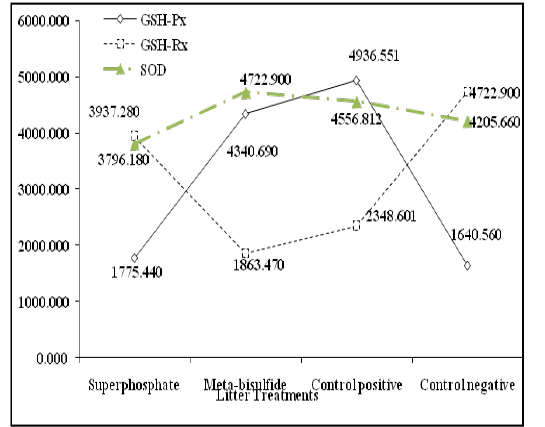
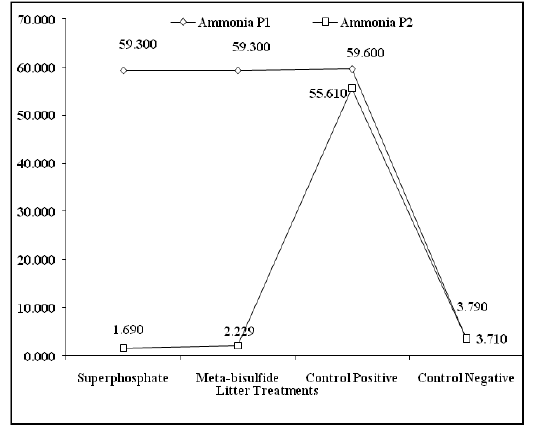
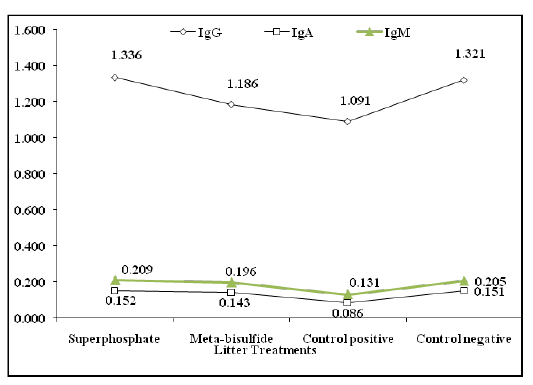
Department of Animal Hygiene, Zoonosis & Animal Behavior, Faculty of Veterinary Medicine, Suez Canal University, Ismailia, Egypt, 41522; Department of Animal Wealth Development, Animal Production Division, Faculty of Veterinary Medicine, Suez Canal University, Ismailia, Egypt, 41522.Abstract | Litter treatments used to improve chemical composition; Pest control; reduction of aerial ammonia concentration and enhance productive performance. The efficiency of superphosphate and meta-bisulfide litter treatments on productive performance; biochemical profile; antioxidant assay; immune organs weight and immunoglobulin concentrations were evaluated in broilers exposed to ammonia stress. Three out of four litter trays (4 × 1m3 capacity; superphosphate treated, meta-bisulfide treated and untreated control positive litter trays) and three out of four Ross broiler groups (4 × 100; raised on superphosphate treated; meta-bisulfide treated and untreated control positive litters) were exposed to 60 ppm ammonia for 3 days and 8 – 10 hours daily for 38 days in laboratory and field trials, respectively. A total of 1656 samples (456 air, 200 whole blood, 200 sera, 200 intestinal swabs and 600 organs) were collected. Laboratory trial revealed a highly significant reduction (P ˂ 0.001) in aerial ammonia concentration, litter pH and moisture of superphosphate treated litter tray. Field evaluation revealed a highly significant reduction (P ˂ 0.001) in aerial ammonia concentration; Glutathione Peroxidase (GSH-Px); Total bacterial and Enterobacteriaceae counts, a highly significant increase (P ˂ 0.001) in body weight; performance index; bursa’s weight; globulin and immunoglobulin concentrations (IgG, IgA and IgM) in broilers raised on superphosphate treated litter. Meanwhile, a highly significant reduction (P ˂ 0.001) in Glutathione Reductase (GSH-Rx) and a highly significant increase (P ˂ 0.001) in weight gain; spleen and thymus weights and biochemical parameters (Total Protein; Albumin; ALT; AST and Creatinine) in broilers raised on meta-bisulfide treated litter. In conclusion, superphosphate and meta-bisulfide proved a great efficiency in litter treatment with little differences in between, thus litter treatments are essential to reduce the damage caused by elevated ammonia concentration in broiler houses.
Keywords | Ammonia, Broilers, Litter, Meta-bisulfide, Performance, Superphosphate.