Research Article · Volume 14, Issue 4, 8 September 2026 · Open Access
Environmental Evaporation and Bovine Milk Quality in Tropical Dairy Production Systems of the Ecuadorian Amazon
· · ·
Affiliations & Notes ⌄
1Fauna, Conservation and Global Health Research Group, Ikiam Amazon Regional University, Km 7 Muyuna-Tena 1501-Ecuador
2Higher Polytechnic School of Chimborazo (ESPOCH), Morona Santiago branch– Ecuador
3National University of Rosario, Argentina. *Correspondence | Darwin Omar Yánez Avalos, Fauna, Conservation and Global Health Research Group, Ikiam Amazon Regional University, Km 7 Muyuna-Tena 1501-Ecuador
Notably, the progressive decline in protein, fat, and total solids with increasing environmental evaporation suggests a potential environmental modulation of productive metabolism and energy balance in dairy cattle under tropical conditions.
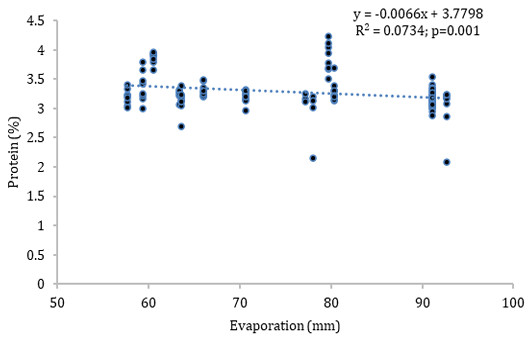
In Figure 4, a decrease of 0.007% in milk protein content was observed for each unit increase in environmental evaporation, with a correlation coefficient of 0.28 and statistical significance (p < 0.01), indicating a moderate but significant association between evaporation and protein concentration.
Overall, the results indicate that environmental evaporation is primarily associated with compositional fractions and certain sanitary indicators of milk, whereas microbiological and technological parameters appear to be more strongly driven by management practices.
Overall, the results suggest that environmental conditions may influence milk composition and physicochemical stability in tropical Amazonian dairy systems.
Selected from the article's own text.
Abstract
Dairy production in the Ecuadorian Amazon operates under conditions of high climatic variability, where environmental evaporation may influence the physicochemical and sanitary quality of milk. The aim of this study was to evaluate the relationship between environmental evaporation and the quality of raw bovine milk in dairy farms located in Pastaza, Ecuador. A total of 50 milk samples (n = 50) were collected between August and September 2024 and analysed for physicochemical and microbiological parameters using an automated analyser (Lactoscan SP) and standardised laboratory methods. Associations between environmental evaporation and milk quality parameters were assessed using simple linear regression models. TThe results showed significant associations between environmental evaporation and pH, fat, protein, total solids, solids-not-fat, somatic cell count, and cryoscopy (p < 0.05), whereas density, lactic acid, temperature, and total bacterial count did not exhibit significant associations. A decreasing trend in protein, fat, and total solids was observed at higher levels of environmental evaporation. In conclusion, environmental evaporation emerges as a relevant climatic factor associated with the compositional quality of milk in tropical dairy production systems.
Bovine milk is a food of high nutritional value whose physicochemical and sanitary composition, including fat, protein, total solids, and somatic cell count, is determined by the interaction of genetic, nutritional, and environmental factors, with the latter becoming increasingly relevant in the context of global climate change ; Intergovernmental Panel on Climate Change (IPCC), 2021).
Environmental conditions play a pivotal role in shaping productivity, animal health, and milk quality, particularly in regions where climatic variability is pronounced and challenging ; . Fluctuations in environmental factors have been shown to alter the nutritional profile of milk, with reductions in protein, fat, and total solids frequently reported under adverse climatic scenarios. Such changes compromise both production stability and food safety .
These characteristics make it a representative model for understanding climate-related impacts on milk production across similar tropical Amazonian contexts ; . By contrast, environmental evaporation emerges as a functional climatic indicator that integrates the interaction between temperature, relative humidity, and solar radiation, variables that directly influence thermoregulation, water balance, and the energetic metabolism of dairy cattle ; IPCC, 2021).
Despite the growing global interest in the impacts of climate change on dairy production systems, a clear scientific gap remains regarding the specific role of environmental evaporation as an independent variable influencing the physicochemical and microbiological quality of milk, particularly in humid tropical ecosystems such as the Amazon, where climatic dynamics differ markedly from the temperate systems more commonly studied .
Most studies have primarily focused on temperature or heat stress, while the direct influence of evaporation on compositional and sanitary milk parameters has been comparatively underexplored . This gap is especially relevant in the Ecuadorian Amazon, a region characterised by high rainfall, ecological fragility, and predominantly small- and medium-scale production systems, where environmental variability, limited infrastructure, and restricted access to appropriate technologies condition the sustainability and resilience of dairy production (Food and Agriculture Organization of the United Nations [FAO], 2020)..
From a sustainability and agro-livestock resilience perspective, understanding the specific effect of environmental evaporation on the nutritional quality of milk is essential for the development of evidence-based adaptive strategies, including microclimatic management, agroforestry integration, and environmental monitoring in tropical agricultural settings .
Within this framework, the present study aims to analyse the association between environmental evaporation and the nutritional composition of bovine milk in Amazonian production systems, focusing on key parameters such as fat, protein, lactose, and total solids, in order to generate robust scientific evidence that contributes to a deeper understanding of productive resilience and the sustainability of tropical dairy systems under increasing climatic variability.
Materials and Methods
Research location
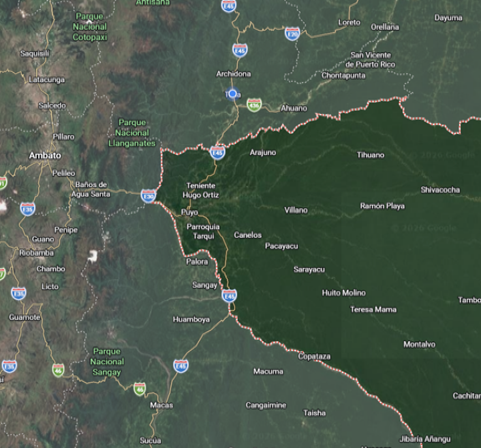
The study was conducted in dairy farms located in Pastaza, an Amazonian province of Ecuador situated at approximately 950 m above sea level, characterised by a warm-humid climate and annual rainfall ranging from 3,000 to 4,000 mm. Such environmental conditions exert a significant influence on bovine physiology and milk quality (FAO, 2020; . Geographically, Pastaza is bordered by Napo and Orellana to the north, Morona Santiago to the south, Peru to the east, and Tungurahua to the west. The region corresponds to a fluvial valley with moderately fertile soils and predominantly agrosilvopastoral systems, where crop production (e.g., maize, cassava, sugarcane, and guava) is integrated with tropical pastures, resulting in heterogeneous and climate-sensitive production systems .
Climatic conditions
The Province of Pastaza is characterised by a tropical climate with high relative humidity exceeding 80% and mean temperatures ranging from 22 to 26 °C. Environmental evaporation data were obtained from the Instituto Nacional de Meteorología e Hidrología (INAMHI, 2021), using daily records from the meteorological station nearest to each sampling site. Evaporation values were derived from standard Class A evaporation pan measurements, expressed in millimetres (mm/day), and averaged over the sampling period to ensure temporal representativeness (INAMHI, 2021). These climatic conditions directly influence livestock production dynamics by promoting environmental evaporation, increasing ambient microbial load, and generating fluctuations in forage quality, which may ultimately affect animal health and the physicochemical and microbiological quality of milk in tropical production systems (FAO, 2020). Climatic variability, coupled with high humidity and precipitation, therefore plays a critical role in shaping productive sustainability, food safety, and the resilience of Amazonian livestock systems under climate change scenarios .
Experimental design and study type
The study was conducted using a cross-sectional observational design, appropriate for examining associations between environmental variables and the physicochemical and microbiological parameters of milk under real-world conditions of tropical dairy production. Such an approach is widely applied in livestock and production system research to characterise environmental and productive variability in heterogeneous farming contexts without direct experimental manipulation . The study period (August–September 2024) allowed the capture of pronounced climatic variability typical of the Amazon region, providing a suitable temporal framework for analysing emerging environmental drivers, particularly environmental evaporation.
Farm selection and sampling strategy
Farms were selected through non-probabilistic purposive sampling based on technical criteria, prioritising herds with more than five lactating cows to ensure productive stability and representativeness of small- and medium-scale tropical dairy systems. This methodological approach is commonly applied in milk quality studies conducted in tropical production settings, where herd structural heterogeneity significantly influences milk composition and microbiological variability, often shaped by constraints in infrastructure, cooling systems, and access to technological resources ; .
Raw milk samples were collected under strictly aseptic conditions using sterile 500 mL glass containers, directly drawn from randomly selected bulk containers according to herd production volume to ensure representativeness and minimise sampling bias. All equipment was previously sterilised and handled with gloves, face masks and clean laboratory coats to prevent any form of contamination that could alter the physicochemical or microbiological properties of the milk. Samples were transported to the Agrocalidad laboratory in Quito in insulated polystyrene boxes with refrigerant packs, maintaining a controlled temperature between 2 °C and 8 °C without reaching freezing conditions, and were properly labelled to ensure full traceability.
This protocol was based on the recommendations of the Codex Alimentarius Commission (2023), FAO (2020), and previous studies ; , which emphasise the critical importance of hygienic handling, thermal control and rigorous documentation in the management of milk samples intended for laboratory analysis.
Inclusion and exclusion criteria for milk samples
Inclusion criteria comprised farms with regular milk production, manual milking practices, adequate herd traceability, and availability of freshly obtained raw milk handled under appropriate hygienic conditions. Only intact samples that were properly labelled and maintained within a continuous cold chain were considered eligible for analysis. Samples were excluded if they exhibited visible contamination, organoleptic alterations, disruption of the cold chain, insufficient volume, or lack of relevant production data, in accordance with international recommendations for microbiological milk quality studies ; Codex Alimentarius Commission, 2023).
Sample size
A retrospective power analysis was performed to evaluate the adequacy of the sample size (n= 50). Assuming a moderate effect size (R² ≈ 0.15), a significance level of α = 0.05, and a simple linear regression framework, the statistical power was estimated at approximately 0.70–0.80, suggesting an acceptable ability to detect significant associations under field conditions. Although no formal prospective power analysis was conducted, the sample size aligns with observational studies in dairy production and provides sufficient capacity to identify statistically significant relationships through regression models across diverse agroclimatic contexts ; .
Control of confounding variables
To enhance the internal validity of the study, potential confounding variables were recorded, including predominant breed type (crossbred or dual-purpose), feeding system (grazing-based), sanitary management practices (use of anthelmintics and vaccination), herd size (more than five lactating cows), and stage of lactation (early and mid-lactation). These factors directly influence the physicochemical composition of milk and may interact with environmental conditions; therefore, their descriptive control is essential in observational studies conducted in tropical dairy systems ; .
Ethical considerations and animal welfare
The methodological protocol was conducted in accordance with established animal welfare and biosecurity principles, using exclusively milk obtained during routine milking procedures without any invasive intervention on the animals. The study complied with national and international guidelines for research involving animal production systems and animal-derived products, and informed consent was obtained from the farm owners prior to sample collection (Organización Mundial de Sanidad Animal [OIE], 2021).
Physicochemical analysis of raw cow’s milk samples
The physicochemical composition of bovine milk, including protein, fat, total solids (TS), solids-not-fat (SNF), lactose, water content, freezing point, salts, and density, was determined using an automatic milk analyser (Lactoscan SP, Milkotronic Ltd., La Roche-sur-Foron, France, 2012), widely recognised for its accuracy in rapid raw milk assessment. For each analysis, 25 mL of milk were placed in the sample holder, the equipment was set to standby mode, and measurements were initiated, with results obtained within approximately 45 seconds via the integrated digital display. All analyses were performed in duplicate to ensure data reliability and analytical consistency. This procedure followed standardised protocols commonly applied in milk quality research and aligns with validated instrumental methodologies for nutritional and compositional characterisation of raw milk, as recommended in FAO guidelines and previous studies employing automated milk analysers (FAO, 2020; .
Statistical analysis
All physicochemical analyses were performed in duplicate, and the mean value of each pair of measurements was used for statistical analysis. Variability between duplicates was assessed to ensure analytical precision. Statistical analyses were initially conducted using simple linear regression models to evaluate the association between environmental evaporation and the physicochemical and microbiological parameters of bovine milk, Statistical analyses were conducted using InfoStat version 12.0 . Prior to modelling, the assumptions of normality and homoscedasticity were assessed using the Shapiro–Wilk and Levene tests, respectively, to ensure the robustness of statistical inferences. For each dependent variable, regression coefficients (β), coefficients of determination (R²), 95% confidence intervals, and significance levels were estimated, adopting p < 0.05 as the threshold for statistical significance.
Outliers were identified and examined through standardised residual analysis and scatter plots, and exclusion criteria were applied only when extreme values adversely affected model consistency and violated regression assumptions. This analytical approach allowed for a rigorous evaluation of linear associations while maintaining transparency and reproducibility in the statistical procedure.
Results and Discussion
Although several associations were statistically significant, the coefficients of determination (R²) ranged from low to moderate (3–34%), indicating that environmental evaporation explains only a limited proportion of the variability in milk quality parameters. Regression coefficients were accompanied by 95% confidence intervals to provide a more robust interpretation of the strength and precision of the observed associations.
Table 1 summarises the relationship between environmental evaporation and the physicochemical and microbiological parameters of bovine milk in dairy systems of the Ecuadorian Amazon. Overall, environmental evaporation showed significant associations with key compositional variables, whereas other indicators remained statistically independent. These findings suggest that milk quality in tropical systems is shaped by the interaction between climatic conditions, animal physiology, and production management factors ; .
Table 1: Descriptive values (mean ± SD) and regression parameters describing the association between environmental evaporation and physicochemical and microbiological variables of bovine milk in tropical dairy systems (r, intercept (a), slope (b), and p-value).
Variables
Statistical
p value
Mean ±SD
r
R2 (%)
Intercept
Slope
Temperature ºC
26.35 ± 5.73
0.10
1.09
23.14
0.044
0.244
Density at 15 °C
28.86 ± 0.90
0.11
1.19
28.15
0.009
0.224
Acidity (Lactic acid)
0.17 ± 0.01
0.09
0.75
0.17
0.000
0.334
pH
6.56 ± 0.07
0.19
3.54
6.48
0.001
0.035
Fat (%)
3.71 ± 0.37
0.19
3.56
4.12
-0.005
0.034
Protein (%)
3.28 ± 0.31
0.28
7.92
3.78
-0.007
0.001
Total solids (%)
12.60 ± 0.78
0.25
6.18
13.73
-0.015
0.005
Solids-not-fat (SNF, %)
8.90 ± 0.55
0.26
6.81
9.74
-0.011
0.003
Somatic cell count (SCC × 10³ cells/mL)
613.56 ± 315.15
0.25
6.08
1064.16
-5.986
0.005
Total bacterial count (TBC × 10³ CFU/mL)
5965.68 ± 8649.06
0.05
0.23
3568.71
31.864
0.596
Cryoscopy
-0.55 ± 0.02
0.58
34.07
-0.63
0.001
7.36×10⁻¹³
Values are expressed as mean ± standard deviation (SD). Statistical parameters include the correlation coefficient (r), coefficient of determination (R²), intercept , regression coefficient (Slope), and probability (p-value). Abbreviations: SNF = solids-not-fat; SCC = somatic cell count; TBC = total bacterial count.
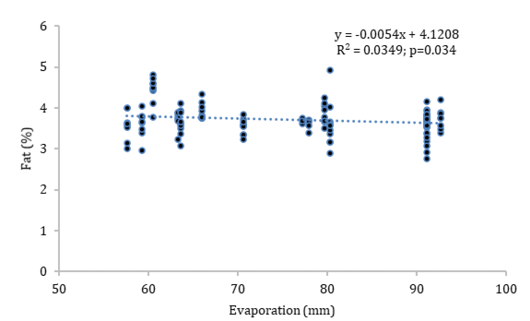
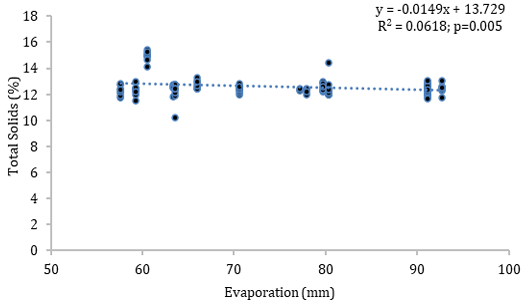
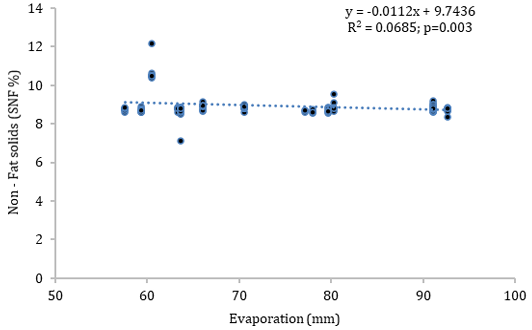
Significant associations were observed for pH, fat, protein, total solids (TS), solids-not-fat (SNF), somatic cell count (SCC), and cryoscopy (p < 0.05). Notably, the progressive decline in protein, fat, and total solids with increasing environmental evaporation suggests a potential environmental modulation of productive metabolism and energy balance in dairy cattle under tropical conditions.
This pattern may be linked to alterations in feed intake, water consumption, and metabolic efficiency, all of which directly influence milk component synthesis ; . As an integrative climatic indicator encompassing temperature, relative humidity, and solar radiation, environmental evaporation reflects the functional characteristics of the production environment and may affect thermoregulation and the physiological status of the animal .
The mean milk temperature recorded at farm level in the Ecuadorian Amazon was 26.4 ± 5.7 °C, showing no statistically significant association with environmental evaporation (p > 0.05). However, this temperature range falls within the optimal growth interval for mesophilic bacteria (15–40 °C), thereby increasing the risk of microbial proliferation in the absence of immediate cooling.
Raw milk is inherently susceptible to bacterial growth due to its near-neutral pH and the limited effectiveness of its natural antimicrobial systems . Under tropical conditions, high microbial loads, including Staphylococcus aureus exceeding 10⁶ CFU/mL, have been reported when adequate thermal control is not implemented , and a substantial proportion of raw milk samples fail to meet microbiological quality standards . These findings underscore the relevance of milk temperature as a critical microbiological risk factor in smallholder dairy systems with limited infrastructure, independently of its lack of direct association with environmental evaporation.
Similarly, density and titratable acidity remained statistically independent of environmental evaporation (p > 0.05), suggesting that their variability is more strongly driven by milk solids composition, microbial activity, and storage conditions rather than by specific environmental factors .
Milk density is a compositional parameter closely associated with total solids concentration and can therefore be used as an indirect indicator of hygienic and nutritional quality in tropical dairy systems ; . Moreover, studies conducted in milk collection centres in northern Ecuador have shown that inadequate refrigeration and prolonged environmental exposure increase titratable acidity, thereby compromising product safety and overall milk quality .
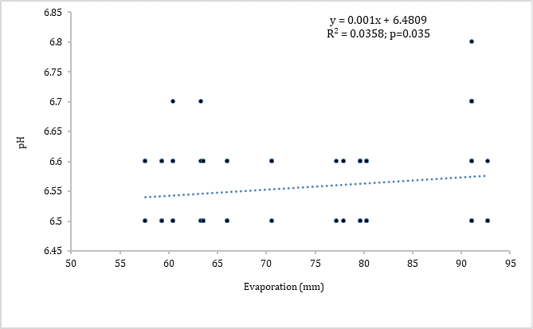
In contrast, milk pH showed a significant association with environmental evaporation, exhibiting a slight increasing trend under higher evaporative conditions. This pattern may reflect a physicochemical response of milk stability to environmental variability that modulates microbial dynamics, animal metabolism and milking conditions in tropical systems ; . Comparatively, Huaraca-Aparco et al. (2024) reported pH values ranging from 6.7 ± 0.14 to 6.8 ± 0.19 in high-Andean dairy systems, suggesting that Amazonian milk tends to be slightly more acidic. From a technological perspective, pH is a critical determinant of coagulation behaviour, as lower pH values are associated with shorter coagulation times through their influence on enzymatic activity and casein micelle structure . Similarly, Abd-Elrahman et al. (2013) indicated that this parameter is affected by microbial load, storage time and post-milking temperature, all of which are particularly relevant in climate-sensitive production systems.
Regarding nutritional composition, fat, protein, total solids and solids-not-fat exhibited significant negative associations with increasing environmental evaporation (p < 0.05). Such trends are consistent with observations in tropical dairy systems, where environmental variability alters dry matter intake, productive metabolism and ultimately milk compositional quality ; . Because environmental evaporation integrates temperature, relative humidity and solar radiation, it can be interpreted as a functional climatic indicator that indirectly influences thermoregulation, water balance and physiological status of dairy cattle, thereby affecting milk synthesis under tropical production conditions .
This pattern suggests that, although environmental evaporation may influence the concentration of certain milk components, variation in fat content is more strongly associated with intrinsic factors such as genetic background and feeding quality (Abril-Torres and Pillco-Orozco, 2013; Calderón-Rangel et al., 2011; Fuentes-Cabrera et al., 2016; Mera-Andrade et al., 2017; . Who reported milk fat values ranging from 3.6% to 3.8%, consistent with the ranges observed in the present study. Additionally, Salazar-Cobo (2022) identified significant correlations between mean monthly precipitation and milk fat percentage in different provinces of Ecuador, indicating that environmental effects on milk composition are complex and may vary according to regional and production system characteristics.
In Figure 4, a decrease of 0.007% in milk protein content was observed for each unit increase in environmental evaporation, with a correlation coefficient of 0.28 and statistical significance (p < 0.01), indicating a moderate but significant association between evaporation and protein concentration. This trend is consistent with findings reported by Contero et al. (2021), who note that in tropical dairy systems milk protein may be influenced by heat stress and forage availability. Nevertheless, the protein values recorded in the present study remained within the ranges established by the Codex Alimentarius Commission (2023), suggesting an adequate compositional quality and productive resilience of Amazonian dairy systems under variable environmental conditions.
Total solids in bovine milk represent the aggregate of its principal constituents, including lactose, fat, proteins, and minerals. Alterations in total solids may occur under pathological conditions such as mastitis, which increases mammary epithelial permeability and compromises the secretory capacity of the glandular tissue, thereby affecting the synthesis of milk components (Malek dos Reis et al., 2013). From an industrial perspective, total solids constitute a key indicator of milk quality, as higher concentrations are associated with improved processing efficiency, reduced dehydration costs, and greater product yield in dairy manufacturing systems .
Similarly, solids-not-fat (SNF) content may be associated with regional climatic conditions that influence animal physiology and the concentration of milk constituents. Huaraca-Aparco et al. (2024) reported SNF values ranging from 8.0 ± 0.6 % to 8.5 ± 0.5 %, slightly lower than those observed in the present study, which may be attributable to differences in feeding quality and the genetic background of the herds. From a compositional perspective, SNF represents a key indicator of the nutritional and technological quality of milk, as it encompasses lactose, proteins, and minerals that are highly sensitive to metabolic and environmental variability ; .
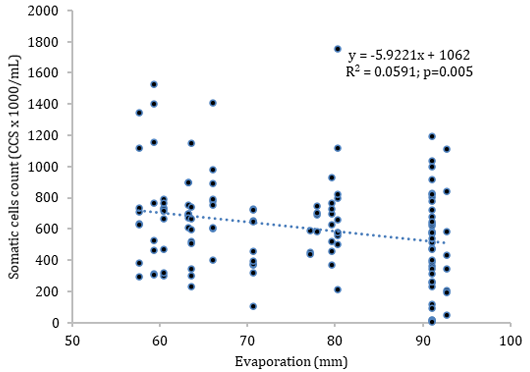
The somatic cell count (SCC) also exhibited a significant association with environmental evaporation, suggesting a potential interaction between climatic conditions and udder health status. However, SCC is a multifactorial indicator predominantly influenced by sanitary management, milking hygiene, and mastitis incidence; therefore, environmental evaporation should be interpreted as an indirect modulating factor rather than a direct determinant of sanitary changes .
In contrast, total bacterial count (TBC) showed no significant relationship with environmental evaporation (p > 0.05), indicating that microbial load in raw milk is primarily driven by hygienic practices, cold chain management, and production infrastructure rather than climatic variability per se .
Recent studies conducted in tropical regions of Ecuador have also reported similar variations in SCC, mainly attributed to sanitary management, herd genetics, and milking practices . Moreover, SCC is a key parameter within milk quality payment systems, and its control is essential to ensure milk safety and technological suitability for dairy processing .
Nevertheless, the presence of pathogenic bacteria in raw milk constitutes a relevant public health concern, as this product should not harbour microorganisms that compromise its safety ; ; . Therefore, although the observed values did not exceed critical thresholds, strengthening good milking practices and on-farm microbiological control remains imperative, particularly in tropical environments where high humidity conditions favour bacterial proliferation (Arauco-Villar et al., 2025).
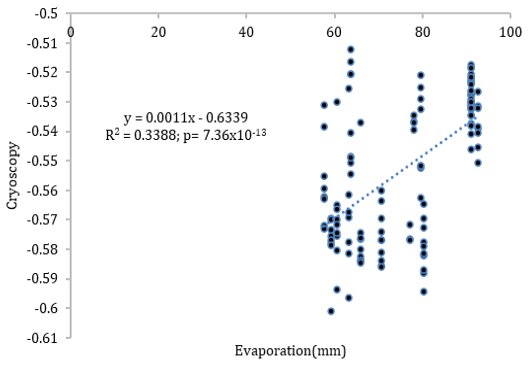
Finally, cryoscopy showed a highly significant association with environmental evaporation, which may reflect variations in solute concentration and the animal’s water balance under changing climatic conditions. From a physiological standpoint, higher evaporation levels can influence water intake and osmotic regulation, indirectly affecting milk composition ; .
This pattern is consistent with findings reported in tropical production systems, where cryoscopic values may vary according to water management, feeding strategies and heat stress conditions (Vivanco-Alarcón, 2024). Furthermore, previous studies have demonstrated that cryoscopy is a sensitive indicator of milk integrity, particularly for detecting dilution and alterations in lactose and mineral content, and is closely linked to hygienic milking conditions and compositional stability .
Overall, the results indicate that environmental evaporation is primarily associated with compositional fractions and certain sanitary indicators of milk, whereas microbiological and technological parameters appear to be more strongly driven by management practices. Given the observational and cross-sectional nature of the study, the identified relationships should be interpreted cautiously and not as evidence of direct causality. Nevertheless, from an animal health and sustainability perspective, the observed reductions in protein, fat and total solids under higher evaporation levels highlight the need for adaptive management strategies and environmental monitoring to enhance the resilience of Amazonian dairy systems facing increasing climatic variability (IPCC, 2021; .
Conclusions and Recommendations
The findings indicate that environmental evaporation is associated with variations in the nutritional and sanitary quality of milk, particularly in parameters such as pH, fat, protein, total solids, solids-not-fat, somatic cell count, and cryoscopy, reflecting the sensitivity of dairy production to Amazonian climatic conditions. In contrast, density, titratable acidity, milk temperature and total bacterial count appear to be more closely related to hygienic management and technical practices than to climatic factors. Overall, the results suggest that environmental conditions may influence milk composition and physicochemical stability in tropical Amazonian dairy systems.
Compared with traditional climatic indices such as the temperature–humidity index (THI), environmental evaporation may offer a more integrative representation of environmental stress by incorporating additional variables such as solar radiation and water balance. While THI primarily reflects heat stress, evaporation may better capture the combined effects of climatic factors on animal physiology and milk composition in humid tropical systems.
Acknowledgements
The authors express their sincere gratitude to the dairy farmers of Pastaza Province (Ecuador) for granting access to their farms and facilitating milk sample collection. The authors also acknowledge the technical support provided by the Agrocalidad laboratory staff for milk quality analyses, as well as their collaboration in sample processing and the operation of analytical equipment. Their contributions were essential to the successful execution of this study.
Novelty Statement
The novelty of this study lies in the evaluation of environmental evaporation as an integrative climatic indicator associated with the physicochemical and hygienic quality of raw bovine milk under humid tropical conditions in the Ecuadorian Amazon. In contrast to conventional approaches that primarily focus on temperature or heat-stress indices, this study examines environmental evaporation in relation to multiple milk-quality attributes under field conditions. Significant associations were observed with pH, fat, protein, total solids, solids-not-fat, somatic cell count, and cryoscopy, with cryoscopy exhibiting the most pronounced statistical association. These findings provide novel field-based evidence supporting the potential value of environmental evaporation as an indicator of climate-related variation in milk composition and highlight its relevance for environmental monitoring and the development of adaptive management strategies aimed at enhancing the resilience of tropical dairy production systems.
Authors’ Contribution
All authors contributed substantially to the development of this research. DY-A led the study conception, methodological design, fieldwork coordination, and manuscript drafting. LC-P and MP-O contributed to methodological standardisation, statistical analysis, and data interpretation. PM provided scientific guidance, critical revision, and academic supervision in line with international research standards. All authors reviewed and approved the final version of the manuscript, ensuring its scientific rigour and coherence.
Funding statement
This study did not receive specific external funding from public, commercial, or not-for-profit funding agencies. The research was conducted using institutional resources from the participating academic entities and logistical contributions provided by the authors.
Declaration on the use of generative AI and AI-assisted technologies
The authors declare that a generative artificial intelligence tool (ChatGPT, OpenAI) was used to support linguistic revision, enhancement of scientific writing, and editorial refinement of the manuscript. The tool was employed solely to improve clarity and coherence of the text and did not contribute to the study design, data generation, statistical analysis, or scientific interpretation of the results.
Conflict of interest
The authors have declared no conflict of interest, whether financial, personal, or institutional, that could have inappropriately influenced the study design, data collection, data analysis, or interpretation of the results.
Figures
Figure 1:.
Political map of the Province of Pastaza.
Figure 2:.
Significant association between milk pH and environmental evaporation, indicating physicochemical sensitivity of milk to climatic variability in tropical dairy systems.
Figure 3:.
Significant negative association between milk fat content and environmental evaporation, consistent with metabolic adjustments under variable environmental conditions.
Figure 4:.
Significant decline in milk protein content as a function of environmental evaporation, associated with physiological responses in tropical production systems.
Figure 5:.
Significant negative trend of total solids in relation to environmental evaporation, reflecting compositional responses under variable climatic conditions.
Figure 6:.
Significant decline in solids-not-fat content with increasing environmental evaporation, indicating sensitivity of the nutritional fraction of milk to climatic variability.
Figure 7:.
Significant association between somatic cell count and environmental evaporation, reflecting a multifactorial interaction between environmental conditions and herd health management.
Figure 8:.
Significant association between milk cryoscopy and environmental evaporation, likely reflecting variations in solute concentration and the animal’s water balance under tropical climatic conditions.
References
Abd-Elrahman SMA, Said Ahmed AMM, El-Zubeir IEM, El-Owni OAO, Ahmed MKA (2013). Effect of storage temperature on the microbiological and physicochemical properties of pasteurized milk. Ann. Food Sci. Technol., 14(1): 115–121.
Abril Torres AF, Pillco Orozco VE (2013). Calidad fisicoquímica de la leche cruda que ingresa a la ciudad de Cuenca, para su comercialización. Trabajo de titulación, Universidad de Cuenca, Cuenca, Ecuador.
Arauco Villar F, Guzmán Estremadoyro L, Pantoja Esquivel R, Mayorga Sánchez N, Unchupaico Payano I, Huamán De La Cruz A (2025). Evaluación de la calidad fisicoquímica, microbiana e higiénica de la leche de vaca producida por rebaños en los Andes peruanos. La Granja: Revista de Ciencias de la Vida, 41(1): 127–139. https://doi.org/10.17163/lgr.n41.2025.08[CrossRef]
Asefa Z, Teshome G (2019). Physical properties and chemical compositions of raw cow milk in milk sheds around Addis Ababa, Ethiopia. J. Nat. Sci. Res., 9(19): 33–37.
Bernabucci U, Lacetera N, Baumgard LH, Rhoads RP, Ronchi B, Nardone A (2010). Metabolic and hormonal acclimation to heat stress in domesticated ruminants. Animal, 4(7): 1167–1183. https://doi.org/10.1017/S175173111000090X[CrossRef]
Bernet T, Staal S, Walker T (2001). Changing milk production trends in Peru: Small-scale highland farming versus coastal agrobusiness. Mt. Res. Dev., 21(3): 268–275. https://doi.org/10.1659/0276-4741(2001)021[0268:CMPTIP]2.0.CO;2[CrossRef]
Botero L, Vertel M, Florez L, Medina J (2012). Calidad composicional e higiénico-sanitaria de leche cruda entregada en época seca por productores de Galeras, Sucre. Vitae, 19(1): S314–S316.
Boudalia S, Boukhemis M, Smara O (2021). Physicochemical and microbiological quality of cow’s milk: A review. Vet. World, 14(9): 2491–2501. https://doi.org/10.14202/vetworld.2021.2491-2501[CrossRef]
Briones-García JI, Morillo-Robles CE, Fiallos-Ramos MM, Toledo-Castillo NDR (2024). Calidad sensorial, fisicoquímica y microbiológica de la leche cruda de vaca expedida en la parroquia San Isidro, cantón Morona–Ecuador. Polo del Conocimiento, 9(7): 1668–1682. https://doi.org/10.23857/pc.v9i7.7590[CrossRef]
Caicedo Zambrano GN (2018). Determinación de adulterantes en la leche cruda expendida en el cantón Chone. Tesis de grado, Universidad Laica Eloy Alfaro de Manabí, Ecuador.
Calderón Rangel A, Arteaga MR, Rodríguez VC, Arrieta GJ, Bermúdez DC, Villareal VP (2011). Efecto de la mastitis subclínica sobre el rendimiento en la fabricación del queso costeño. Biosalud, 10(2): 16–27.
Castañeda-Ruelas GM, Haros-Ramos MC, Perales-Sánchez JXK, Durán-Pérez SA, Fierros-Pérez CE, Hernández-Díaz LJ, Jiménez-Edeza M (2025). Calidad microbiológica de la leche cruda de vaca y evaluación de prácticas domésticas para su seguridad y calidad proteica. Biotecnia, 27: e2323. https://doi.org/10.18633/biotecnia.v27.2323[CrossRef]
Chen L, Thorup VM, Kudahl AB, Østergaard S (2024). Effects of heat stress on feed intake, milk yield, milk composition, and feed efficiency in dairy cows: A meta-analysis. J. Dairy Sci., 107(5): 3207–3218. https://doi.org/10.3168/jds.2023-24059[CrossRef]
Codex Alimentarius Commission (2023). General principles of food hygiene (CXC 1-1969). FAO/WHO.
Contero R, Requelme N, Cachipuendo C, Acurio D (2021). Calidad de la leche cruda y sistema de pago por calidad en el Ecuador. La Granja, 33(1): 31–43. https://doi.org/10.17163/lgr.n33.2021.03[CrossRef]
Costa A, Lopez-Villalobos N, Sneddon NW, Shalloo L, Franzoi M, De Marchi M, Penasa M (2019). Invited review: Milk lactose current status and future challenges in dairy cattle. J. Dairy Sci., 102(7): 5883–5898. https://doi.org/10.3168/jds.2018-15955[CrossRef]
Espinoza Villar JC, Ronchail J, Guyot JL, Cochonneau G, Filizola N, Lavado Casimiro W, Pombosa R (2019). Climate variability and extreme drought in the upper Amazon basin. Clim. Dyn., 52(1–2): 1–17. https://doi.org/10.1007/s00382-018-4138-2[CrossRef]
Food and Agriculture Organization of the United Nations (2020). The state of food and agriculture 2020: Overcoming water challenges in agriculture. FAO, Rome, Italy. https://doi.org/10.4060/cb1447en[CrossRef]
Foroutan A, Guo AC, Vazquez-Fresno R, Lipfert M, Zhang L, Zheng J, Badran H, Budinski Z, Mandal R, Ametaj BN, Wishart DS (2019). Chemical composition of commercial cow’s milk. J. Agric. Food Chem., 67(17): 4897–4914. https://doi.org/10.1021/acs.jafc.9b00204[CrossRef]
Fuentes Cabrera FZ, Mancía Aguilar BE, Portillo Henríquez BC (2016). Relación entre el resultado de la prueba de California para mastitis y las características físico-químicas y microbiológicas de la leche en seis ganaderías lecheras en Sonsonate, El Salvador. Tesis de licenciatura, Universidad de El Salvador, El Salvador.
Godziszewska J, Pogorzelska-Nowicka E, Brodowska M, Jagura-Burdzy G, Wierzbicka A (2018). Detection in raw cow’s milk of coliform bacteria. Reservoir of antibiotic resistance. LWT Food Sci. Technol., 93: 634–640. https://doi.org/10.1016/j.lwt.2018.04.019[CrossRef]
Huaraca Aparco R, Tapia Tadeo F, Mescco Caceres E, Mamani Valverde G, Alarcón Camacho J (2024). Calidad nutricional y oligoelementos en la leche de vaca en hato libre en zonas rurales altoandinas del sur de Perú. Alfa Rev. Investig. Cienc. Agron. Vet., 8(24): 1082–1097. https://doi.org/10.33996/revistaalfa.v8i24.325[CrossRef]
InfoStat (2020). InfoStat (Version 12.0). Grupo InfoStat, Facultad de Ciencias Agropecuarias, Universidad Nacional de Córdoba, Argentina.
Instituto Nacional de Meteorología e Hidrología (2021). Caracterización climática de la región amazónica del Ecuador. INAMHI, Ecuador.
Intergovernmental Panel on Climate Change (2021). Climate change 2021: The physical science basis: Contribution of Working Group I to the Sixth Assessment Report of the Intergovernmental Panel on Climate Change. Cambridge University Press, Cambridge, UK. https://doi.org/10.1017/9781009157896[CrossRef]
Juárez-Barrientos JM, Díaz-Rivera P, Rodríguez-Miranda J, Martínez-Sánchez CE, Hernández-Santos B, Ramírez-Rivera E, Torruco-Uco JG, Herman-Lara E (2016). Caracterización de la leche y clasificación de calidad mediante análisis cluster en sistemas de doble propósito. Rev. Mex. Cienc. Pecu., 7(4): 525–537. https://doi.org/10.22319/rmcp.v7i4.4280[CrossRef]
Kim IS, Hur YK, Kim EJ, Ahn YT, Kim JG, Choi YJ, Huh CS (2017). Comparative analysis of the microbial communities in raw milk produced in different regions of Korea. Asian-Australas. J. Anim. Sci., 30(11): 1643–1650. https://doi.org/10.5713/ajas.17.0689[CrossRef]
Malek dos Reis CB, Barreiro JR, Mestieri L, de Felício Porcionato MA, dos Santos MV (2013). Effect of somatic cell count and mastitis pathogens on milk composition. BMC Vet. Res., 9: 67. https://doi.org/10.1186/1746-6148-9-67[CrossRef]
Martínez MM, Díaz FC (2016). Evaluación de la calidad de la leche cruda recibida en industrias lácteas de Manizales. Prod. + Limpia, 11(1): 75–84. https://doi.org/10.22507/pml.v11n1a7[CrossRef]
Mera Andrade R, Muñoz Espinoza M, Artieda Rojas JR, Ortiz Tirado P, González Salas R, Vega Falcón V (2017). Mastitis bovina y su repercusión en la calidad de la leche. Rev. Electrón. Vet., 18(11): 1–16.
Mogotu MW, Abong GO, Mburu J, Ndambi OA (2022). Assessment of hygiene practices and microbial safety of milk supplied by smallholder farmers to processors in selected counties in Kenya. Trop. Anim. Health Prod., 54(4): 220. https://doi.org/10.1007/s11250-022-03214-7[CrossRef]
Nardone A, Ronchi B, Lacetera N, Ranieri MS, Bernabucci U (2010). Effects of climate changes on animal production and sustainability of livestock systems. Livest. Sci., 130(1–3): 57–69. https://doi.org/10.1016/j.livsci.2010.02.011[CrossRef]
Organización de las Naciones Unidas para la Alimentación y la Agricultura, Centro Internacional de Agricultura Tropical (2020). Agricultura sostenible y resiliente en América Latina y el Caribe. FAO, Rome, Italy.
Organización Mundial de Sanidad Animal (2021). Código sanitario para los animales terrestres. 29ª ed. WOAH, Paris, France.
Pérez Lomas MA (2019). Evaluación de la calidad higiénico-sanitaria de leche cruda mediante lactofermentación a nivel de centros de acopio en la provincia del Carchi. Tesis, Universidad Técnica del Norte, Ecuador.
Puga-Torres B, Meneses Cunama DC, Meneses Pineda JO, Montenegro Almeida MC, Morales Pérez ID, Guanoluisa Vargas CR, Villarreal T (2024). Plan piloto para el mejoramiento de la calidad nutricional y conteo de células somáticas de leche bovina, producida por pequeños productores de la provincia de Pichincha-Ecuador, aplicando un programa de capacitación. Siembra, 11(1): e4493. https://doi.org/10.29166/siembra.v11i1.4493[CrossRef]
Ruegg PL (2017). A 100-year review: Mastitis detection, management, and prevention. J. Dairy Sci., 100(12): 10381–10397. https://doi.org/10.3168/jds.2017-13023[CrossRef]
Salazar Cobo JA (2022). Influencia de factores meteorológicos en la calidad de la leche cruda de vaca en Ecuador. Trabajo de titulación, Escuela Politécnica Nacional, Ecuador.
Silva MV da, Almeida GLP de, Pandorfi H, Moraes AS, Macêdo GAP, Batista PHD, Silva RAB da, Guiselini C (2021). Influence of meteorological elements on behavioral responses of Gir cows and effects on milk quality. Acta Sci. Anim. Sci., 43: e52604. https://doi.org/10.4025/actascianimsci.v43i1.52604[CrossRef]
Thornton PK, Nelson GC, Mayberry D, Herrero M (2022). Impacts of heat stress on global cattle production during the 21st century: A modelling study. Lancet Planet. Health, 6(3): e192–e201. https://doi.org/10.1016/S2542-5196(22)00002-X[CrossRef]
Valdés Sáenz MA, Díaz Valdés K, Rodríguez Guerra Y, Hernández Ramos H (2024). Sistemas agroforestales en la Región Amazónica Ecuatoriana. Cienc. Lat. Rev. Cient. Multidiscip., 8(1): 8587–8613. https://doi.org/10.37811/cl_rcm.v8i1.10185[CrossRef]
Valle-Sánchez K (2021). Mastitis y calidad de la leche en bovinos lecheros. Trabajo de titulación, Escuela Superior Politécnica de Chimborazo, Ecuador.
Vázquez-Ojeda E, Pérez-Morales E, Hurtado-Ayala L, Alcántara-Jurado L (2014). Evaluación de la calidad microbiológica de la leche: Revisión sistemática de 2003 a 2013. Rev. Iberoam. Cienc., 1(3): 91–99.
Vithanage NR, Dissanayake M, Bolge G, Palombo EA, Yeager TR, Datta N (2017). Microbiological quality of raw milk attributable to prolonged refrigeration conditions. J. Dairy Res., 84(1): 92–101. https://doi.org/10.1017/S0022029916000728[CrossRef]
Vivanco Alarcón LS (2024). Determinación de las propiedades físicas y componentes químicos por espectroscopía ultrasónica en la leche cruda y pasteurizada a diferentes tiempos y temperaturas de almacenamiento. Tesis de licenciatura, Universidad Nacional de San Cristóbal de Huamanga, Perú.