
ESBL-producing and virulent Escherichia coli that have appeared in livestock farming worldwide are increasingly endangering both public health and food systems. Because these strains resist several antibiotics, including third-generation cephalosporins and fluoroquinolones, the choices for drug treatment are limited in both animals and people. Zoonotic diseases are spread in modern times due to overcrowding of farms, antibiotic use and inadequate security, letting animals, food and the environment all share germs. This review article explores key pathogenic types of E. coli are present, such as: STEC, ETEC and EPEC and their importance in animals. It stresses that horizontal gene transfer helps resistance spread and supports using One Health to link antibiotic stewardship, higher surveillance and alternative ways to handle diseases in tackling these growing problems.
Review · 3 September 2025 · Open Access
Emerging Threats of Extended Spectrum Beta-Lactamase and Virulent Escherichia coli in Global Livestock Farming
· · · · · ·
Affiliations & Notes ⌄
- 1Department of Medical Microbiology and Parasitology, College of Health Sciences, Ladoke Akintola University of Technology, P.M.B, 4000, Ogbomoso, Oyo State, Nigeria
- 2Centre for Emerging and Reemerging Infectious Diseases, Ladoke Akintola University of Technology, P.M.B, 4000, Ogbomoso, Oyo State, Nigeria. *Correspondence | Olugbenga A. Olowe, Department of Medical Microbiology and Parasitology, College of Health Sciences, Ladoke Akintola University of Technology, P.M.B, 4000, Ogbomoso, Oyo State
Article Info ⌄
- Journal:
- Advanced Analytical Pathology
- Published:
- 3 September 2025

From the article
- The worldwide expansion of ESBL-producing and virulent E. coli in livestock threatens public wellness together with food security while harming the sustainability of agriculture.
- The current practice of antibiotic administration in farm animals promotes fast bacterial evolution of antibiotic resistance strains that pose risk to both animal populations and human communities.
- Every stakeholder group including policymakers and researchers needs to execute rapid decisions that reduce AMR threats within livestock farming operations.
- The rapid response needed today will decide how antimicrobials affect food security while safeguarding both animal and human well-being and maintaining antimicrobial effectiveness throughout the world.
Selected from the article's own text.
Abstract
Introduction
The worldwide food security system depends on livestock farming for its provision of crucial protein products including meat with additional servings of milk and eggs for an expanding human population. Animal-derived product demand growth triggered widespread adoption of intensive farming systems that boosted production yet created three major health concerns and a new threat from antimicrobial resistance . The economic burden of AMR in livestock is substantial, with losses attributed to decreased animal productivity, increased veterinary costs, and trade restrictions, all of which compromise agricultural sustainability and strain both local and global economies. This escalating financial impact underscores the urgent need for coordinated AMR mitigation strategies within animal production systems.
Overview of antimicrobial resistance (AMR) and its implications
Since antibiotics are frequently and mostly used in animal farms for growth and disease control, animal agriculture has helped spread resistant bacteria. These Escherichia coli are dangerous because they can resist several medications from different classes. These bacteria create big problems for doctors by reducing treatment choices and helping to transfer resistance genes among many microbes. Not only can these strains cause disease in animals, but they often carry the ability to spread to humans too. Emerging resistant E. coli strains have been proven by science to reduce how well antimicrobial drugs work in treating different organisms .
The threats from virulent E. coli strains further intensify because enterohemorrhagic (EHEC) strain and enteropathogenic (EPEC) strain and enterotoxigenic (ETEC) strain cause severe infections between human populations while affecting animal hosts. For public health safety the zoonotic capabilities of these bacteria create additional risks especially when human-animal contact happens frequently and hygiene practices are insufficient . For example, the medical facilities of Nigeria experience an escalating trend of ESBL-producing E. coli and Klebsiella species which demonstrates antibiotic β-lactam resistance thus requiring immediate and novel monitoring and control policies . Nigeria’s relevance in the global context stems from its status as the most populous country in Africa and a major hub for regional trade and animal production, making it a critical focal point for surveillance and containment of antimicrobial-resistant pathogens that may disseminate across borders.
Objectives of the review
The review evaluates ESBL-producing and virulent E. coli in livestock farming by studying their prevalence in addition to genetic mechanisms and transmission pathways as well as their worldwide effects. The observations emphasize the immediate necessity to establish effective control strategies which reduce the dangers of these pathogens.
ESBL-Producing Escherichia coli in Livestock Farming
Mechanisms of resistance
Definition and enzyme activity: Bacterial strains of ESBL-producing E. coli create enzymes which break down major classes of beta-lactam antibiotics alongside third-generation cephalosporins . Resistance genes that bacteria acquire exist on plasmids as well as integrons and transposons to enable horizontal transfer in the microbial communities within animal intestines . The extensive occurrence of ESBL-producing E. coli in animal agriculture creates poor therapeutic opportunities while raising the risk of human food-borne transmission . Livestock farming plays a critical role as a reservoir for these resistance genes, facilitating their maintenance and dissemination through close animal-human interactions and environmental contamination, thereby amplifying the potential for widespread transmission across species and ecosystems.
Genetic basis of resistance: Plasmids, integrons, and transposons
The main genes responsible for ESBL resistance include bla_CTX-M, bla_SHV and bla_TEM which produce beta-lactamase enzymes with distinct substrate ranges . Plasmids together with other mobile genetic elements house these resistance genes which facilitate quick resistance trait spread between bacterial species. The chemical properties of ESBLs cause effective antibiotic resistance by breaking down the beta-lactam ring structure in antibiotics thus permitting surviving bacteria .
The long-term presence and wide dissemination of ESBL-producing E. coli occurs due to bacterial mechanisms which enable resistance gene transfer. Studies at Ado-Ekiti in Nigeria revealed ESBL-producing E. coli strains exist in livestock populations according to molecular data which show these bacteria possess mobile genetic elements allowing them to pass resistance genes to other microbes . The research illustrates livestock plays a major role as a reservoir for AMR so strict bio-security measures must be implemented in animal farming operations.
Transmission pathways
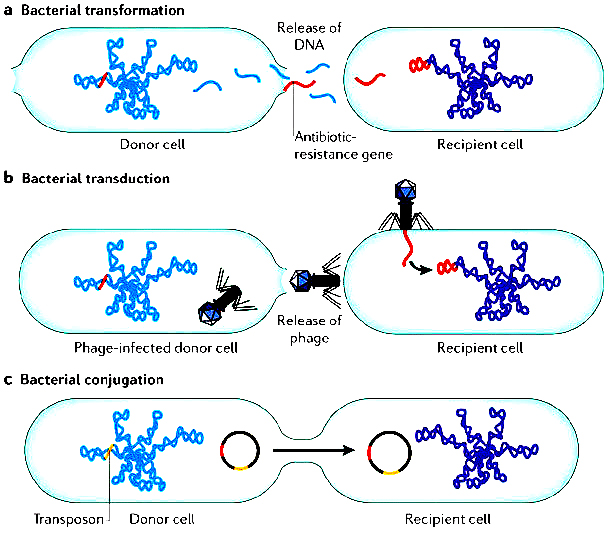
Horizontal gene transfer (HGT) among bacteria: Horizontal gene transfer (HGT) acts as the main mechanism for AMR spread because it enables bacteria to receive resistance genes using conjugation and transformation as well as transduction. HGT occurs frequently between bacterial populations because of the high density of animals in containment as well as their utilization of common feeding systems and exposure to contaminated environmental spaces ; .
Zoonotic transmission to humans
Both ESBL-producing and virulent E. coli pose zoonotic risks through various transmission routes:
- The most dangerous exposure route for these professionals exists through direct contact with infected animals that occurs during routine work activities. Additional transmission routes include:
- Indirect contact via contaminated farm environments such as soil, water, feed, and equipment, which can harbor resistant bacteria and facilitate their spread.
- Food-borne transmission through the consumption of improperly cooked or handled animal products like meat, milk, and eggs contaminated with ESBL-producing or virulent E. coli.
- Fecal-oral transmission resulting from inadequate hygiene practices, allowing bacteria shed in animal feces to enter the human digestive tract.
- Airborne transmission through inhalation of dust or aerosols containing E. coli from animal housing facilities, particularly in enclosed or poorly ventilated areas.
- Cross-contamination within households or communities when animal handlers inadvertently carry bacteria on their clothing, footwear, or hands, facilitating spread to others.
- The path of human infection with ESBL develops through contaminated food products which primarily include meat and dairy products as well as eggs.
- The resistance of ESBL E. coli extends across ecosystems because these bacteria survive in soil water along with manure according to Collignon and McEwen (2019).
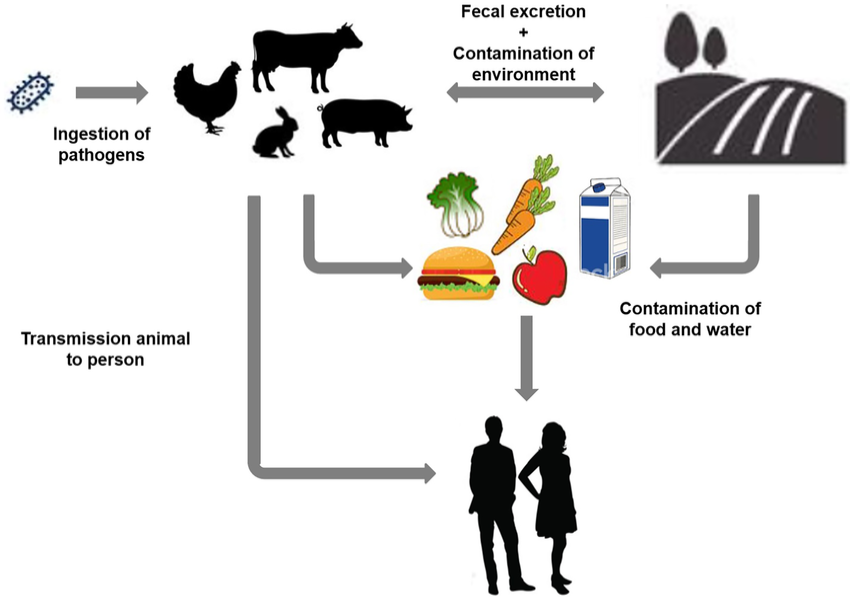
Various transmission pathways enable resistant E. coli (Asshown in Figure 1) to move from animals to humans by means of direct encounters between people and animals as well as through tainted food and environmental exposures. Clinical studies conducted in southwestern Nigeria have demonstrated a direct connection between antimicrobial-resistant E. coli strains present in animals and humans as identified through analytical studies . Surveillance programs that unite human and animal populations should exist to monitor resistant pathogen transmissions between different species. E. coli zoonotic infections originating from virulent strains present serious risks that develop into severe conditions including (HUS) mostly affecting children and people with impaired immune systems .
Environmental dissemination
The worldwide antibiotic resistance crisis results from antibiotic-resistant bacteria which escape livestock facilities through manure runoff and wastewater emissions and airborne bacteria spread. The bacteria can survive in water bodies together with agricultural soils along with wild animal populations which makes containment actions more difficult As shown in Figure 2.
Prevalence and distribution
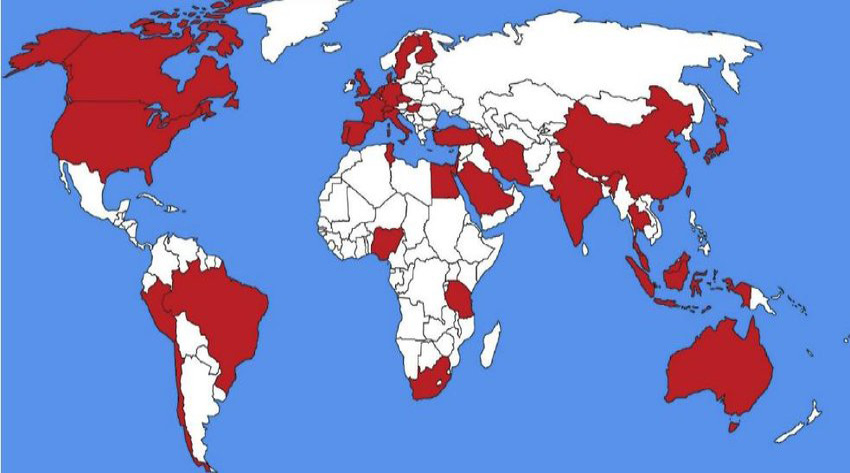
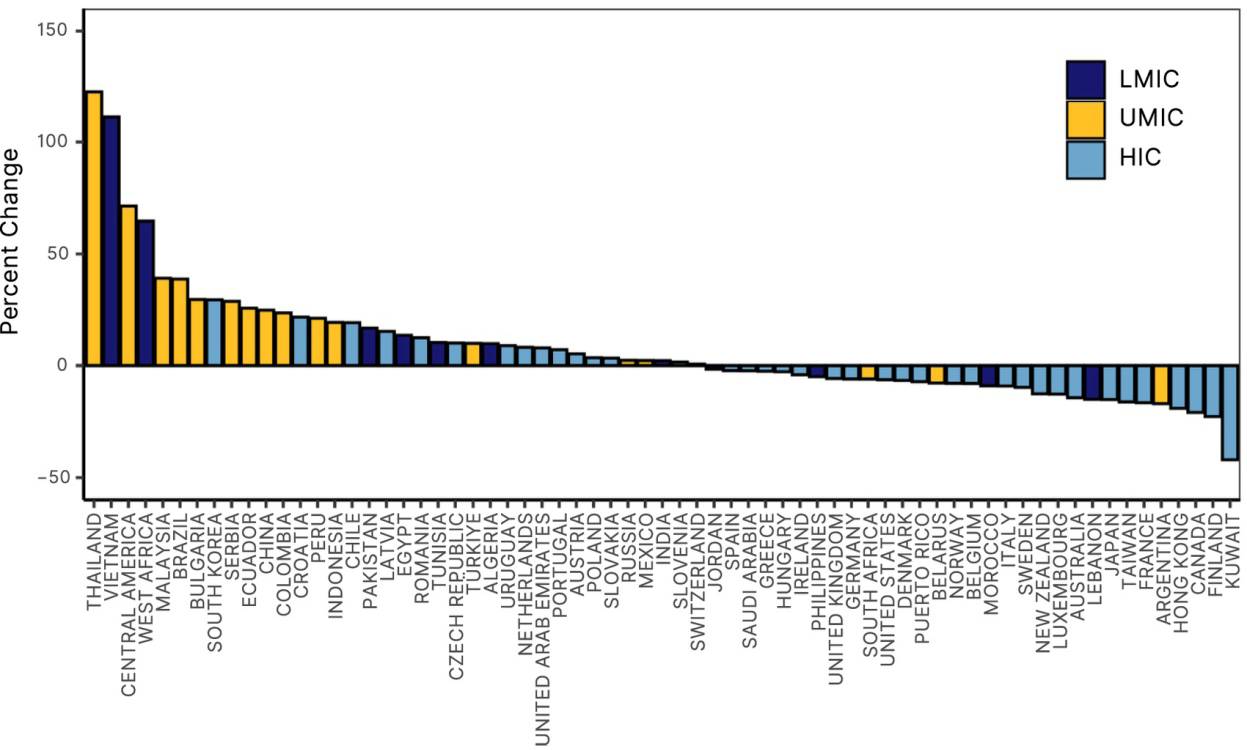
Geographical distribution: Warner rates of ESBL-producing E. coli in livestock differ widely across different regions because of varying antimicrobial use restrictions and bio-security practices as well as enforcement programs. Figure 3 shows different regions and Patterns of Esbls in Livestock.
- Intensive farming together with weak treatments and agricultural trading causes Asian countries to have ESBL E. coli prevalence rates above 50% ; .
- Strict antibiotic use regulations within European states such as Sweden and Denmark lead to decreased ESBL E. coli occurrences. Spain and Italy maintain moderate ESBL E. coli infection rates because their authorities do not enforce policies consistently ; .
- The prevalent rate of ESBL E. coli strains in North American livestock remains moderate yet shows an increasing pattern since cephalosporin antibiotic regulations fail to halt their continued use .
- The regions of Africa and South America maintain elevated ESBL E. coli prevalence rates surpassing 40% because inadequate regulatory oversight and constrained access to disease management alternatives .
Species-specific prevalence
- The environment gets contaminated through cattle fecal shedding which commonly triggers the spread of ESBL E. coli because dairy and beef livestock often host this bacterium .
- High levels of poultry farming together with regular antibiotic exposure contribute to chickens becoming primary carriers of ESBL E. coli.
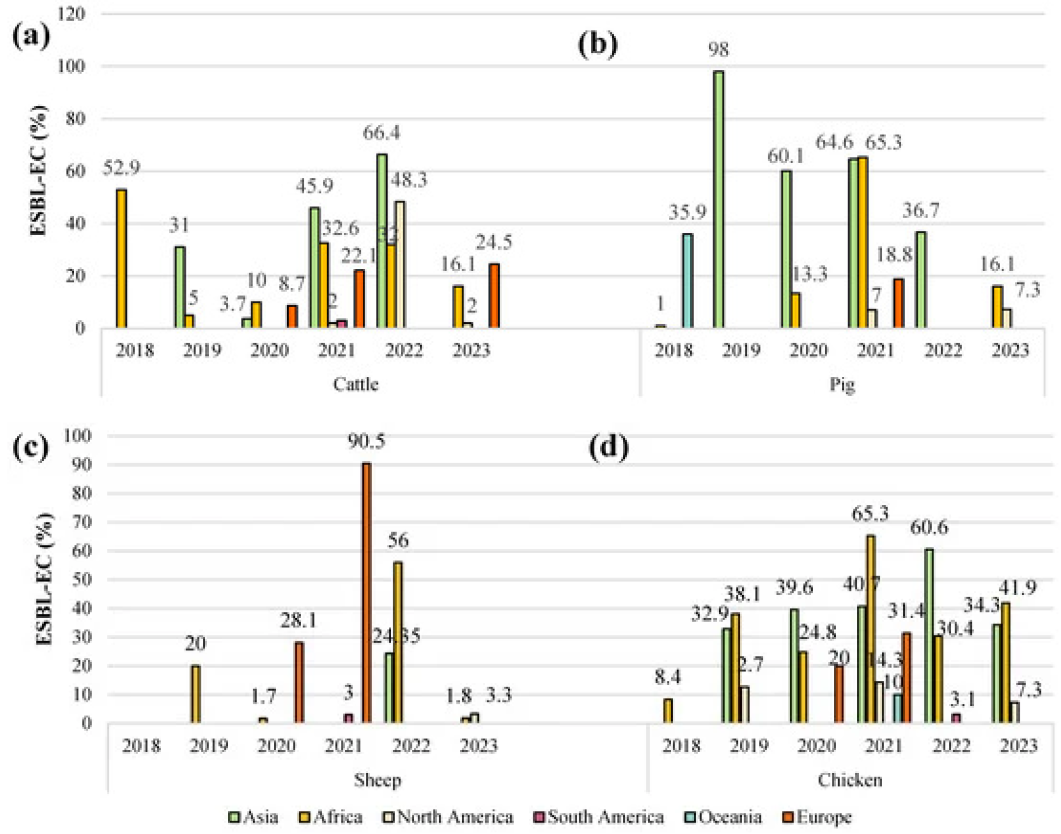
- The infection rates in pigs are particularly high which creates an elevated potential for food-related transmission through the consumption of pork as shown in Figure 4.
Key findings
1. Different species of livestock show different levels of resistance.
ESBL-producing E. coli is found more or less in different groups of livestock. Compared with sheep and chickens, more cases of these diseases occur in cattle and pigs.
2. There Are the Most Pig Cases in Canada:
Among ESBL-E bacteria, pigs were identified as having the most E. coli isolates. As a result, pigs may be one of the main animals where resistant bacteria are found.
3. A moderate number of the parasite is found in some cattle.
Primary observations from cattle reveal that ESBL-producing E. coli is less frequently passed from animals than from pigs.
4. Sheep and chickens have shown fewer examples of the disease in tests.
As both sheep and chickens have a low infection rate, they are thought to suffer from the disease differently than cattle and some other animals.
5. What Things Affect Public Health and Food Safety?
Since a greater number of resistant organisms are found in pig and cattle, there should be special surveillance and plans to minimize the danger to people who are most likely to catch resistant diseases through them.
Virulent Escherichia coli Strains in Livestock
The existence of virulent (E. coli) strains which affect livestock produces substantial disruptions for animal health and food safety as well as worldwide public health concerns. Pathogens of E. coli have acquired molecular adaptations through evolution to establish themselves in host organisms while avoiding the immune response and producing diseases. Research shows the growing frequency of these strains in food production animals demonstrates how livestock operations connect with AMR as they spread between animals and humans.
E. coli strains possess virulent factors which create extra risks to food security as well as animal wellness because of their dangerous attributes. The STEC isolates collected in Abeokuta, Nigeria displayed dual genotypic and phenotypic resistance which prompted worries about their ability to trigger significant human infections including HUS according to Olowe et al. (2023). The need for routine virulent E. coli strain screening in livestock becomes crucial to stop food-borne outbreak occurrences.
Pathotypes and virulence factors
Numerous virulence mechanisms allow pathogenic E. coli strains to receive separate classifications into different pathotypes. The range of pathogenic Escherichia coli strains found in livestock production includes EHEC and EPEC and ETEC because these pathogens have major health consequences for both animals and humans.
Enterohemorrhagic Escherichia coli (EHEC)
E. coli O157:H7 together with other strains from the Enterohemorrhagic E. coli pathotype stand as the most dangerous zoonotic pathogens. Shiga toxins (Stx1 and Stx2) released by these bacteria destroy the intestinal epithelial barrier and cause hemorrhagic colitis and the human illness in affected patients . The asymptomatic EHEC reservoir in specific cattle populations spreads pathogenic bacteria to water supplies and rangelands and food products including livestock feed resulting in the transmission of the infection from animals throughout the food trade chain .
Enteropathogenic Escherichia coli (EPEC)
EPEC stands as a primary pathogen that causes diarrhea in both livestock calves together with piglets. EPEC lacks Shiga toxin production because its pathogenic mechanism involves the Locus of Enterocyte Effacement (LEE) pathogenicity island to perform intimate binding with intestinal epithelial cells . EPEC utilizes the virulence factor intimin for host cell attachment along with creating attaching and effacing (A/E) lesions that results in mal-absorption and diarrhea with weight loss effects that hurt livestock production .
Enterotoxigenic Escherichia coli (ETEC)
The pathogen Enterotoxigenic E. coli act as a primary agent that triggers neonatal diarrhea in livestock which mainly affects young piglets and calves. ETEC pathotype creates LT together with ST enterotoxins which affect intestinal fluid balance thus causing critical dehydration alongside electrolyte disturbances . The combination of ETEC infections leads to both high mortality numbers in animals and costly economic losses in the production of livestock. ETEC can transmit between humans because contaminated drinking water and food enable the pathogen to pass between animal species and people .
Virulence factors
The capability of virulent E. coli strains to cause illness results from several harmful elements which combine toxins with adhesion proteins alongside immune system avoidance techniques.
- The microbial toxins of EHEC namely Shiga toxins (Stx1 and Stx2) and ETEC enterotoxins (LT and ST) damage cellular functions of the host causing intestinal destruction and resulting in systemic manifestations and severe diarrhea .
- The fimbrial adhesins F4 F5 and F18 expressed by ETEC and EPEC use adhesion proteins to hold bacteria near intestinal epithelial cells so they maintain gut colonization effectively .
- The immunological response of virulent E. coli strains includes antigenic variation and anti-phagocytic defenses in addition to effector protein signaling which enhances their survival while increasing pathogenic features (Figure 5).
Mechanisms of pathogenicity and host interaction
The pathogenesis of virulent E. coli strains includes two major mechanisms in addition to their ability to evade the immune system through three different pathways.
- STEC strains which contain EHEC produce Shiga toxins along with causing severe intestinal and vascular harm that ends in hemorrhagic colitis and HUS and subsequently causes acute kidney failure when targeting human victims .
- The ability of EPEC and ETEC to persist within the body occurs when they attach to intestinal mucosa membranes and disrupt cell operations while manipulating immune responses for resisting elimination .
- The virulence of certain E. coli strains includes antibiotic resistance properties along with (ESBL) genes that make them impossible to treat with beta-lactam medications. Proof against multiple drugs presents a significant hurdle when treating infections because it raises the risk of extended lifecycles within animals and humans .
Impact on Livestock Health
Clinical symptoms in animals
Animals with virulent E. coli show various clinical signs because of different pathotypes and infection severity.
- EHEC infections: Mild to severe diarrhea, dehydration, weight loss, and, in severe cases, bloody diarrhea and systemic complications.
- The EPEC pathotype causes young animals to develop watery diarrhea and appetite loss together with nutrient absorption problems.
- The combination of ETEC infections in newborn animals produces severe neonatal diarrhea along with electrolyte imbalance which frequently results in high mortality rates between young piglets and calves.
Economic Implications
- The financial costs from virulent E. coli infections in livestock operations are considerable because they produce economic losses through:
- Both growth performance and mortality rates are affected, leading to a significant decline in production efficiency.
- The cost of treatment increases for livestock animals because veterinary interventions require longer treatment periods and require antimicrobial medications.
- Commercial restrictions along with culling live animals cause major financial damage to livestock businesses .
- Food-borne outbreaks of contaminated animal products result in public health expenses that require public health agencies to execute intervention strategies at great expense .
Public Health Impact
Zoonotic implications
Role in human infections and food-borne illnesses: The dangerous E. coli strains present a critical animal to human disease transmission threat through both direct and indirect transmission sources. The basic ways humans get infected with E. coli start from these three sources: .
- The infection spreads through eating unclean animal-derived foods including raw meat and unpasteurized milk together with dairy products.
- Direct contact with infected livestock or their feces, particularly in farm workers and individuals handling animals.
- The transmission of E. coli pathogens occurs through contact with polluted agricultural waters and surface drainage.
Epidemiological evidence linking livestock to human outbreaks
Food-borne illness outbreaks occur frequently because E. coli strains spread from livestock. Health experts have used cattle farm-caused North American and European E. coli O157:H7 outbreaks to stress the critical importance of strong bio-security protocols .The developing regions have experienced numerous multi-state ETEC infection outbreaks caused by agricultural community drinking water contamination . EPEC strains that originated from livestock have exhibited genetic links with strains which cause illness in humans thus representing a possible transmission pathway between species .
One health approaches
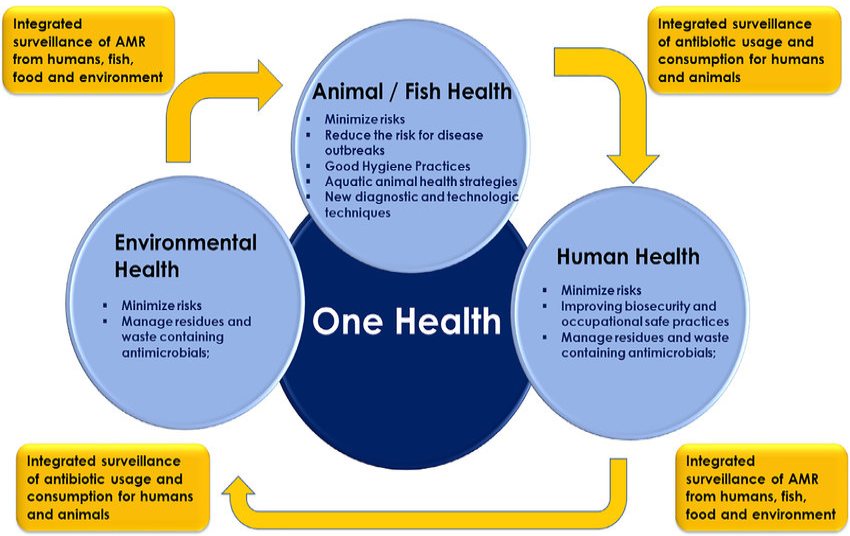
Under the one health framework all aspects of human health stand connected to those of animals and the environment. The threat management of virulent E. coli in livestock demands the following three components: (World Health Organization, 2022).
- A stronger AMR prevention program needs implementation to stop bacterial resistance growth.
- Enhanced bio-security practices need implementation to control bacterial spread between farms and food processing areas.
- Routine monitoring of emerging E. coli strains which monitor their zoonotic potential should take place frequently.
Contributing factors to the emergence of ESBL and virulent E. coli
The worldwide expansion of virulent ESBL-producing E. coli strains that affect livestock results from several connected aspects between antibiotic misuse and farm management practices and environmental contamination and international trade networks. The combination of these factors makes E. coli strains effective at remaining in multiple hosts while spreading resistances and pathogenic attributes which compromises animal and human health .
Antibiotic usage in livestock
Antibiotic use without discretion across the livestock industry acts as a main cause of AMR formation while advancing the spread of ESBL-producing E. coli strains.
- The agricultural industry commonly provides beta-lactams and tetracyclines and sulfonamides at low antibiotic dosages to animals as a growth-promoting method and to shield animals from diseases in well-managed farms. This practice exerts selective pressure on bacterial populations, favoring the survival and proliferation of resistant strains .
- The excessive use of third- and fourth-generation cephalosporins that are important drugs for human medicine leads to quicker ESBL gene spreading between bacteria populations ; weak regulatory systems along with unmonitored antibiotic distribution in various low- and middle-income nations leads to antibiotic drug misuse.
- The presence of ESBL genes on mobile genetic elements like plasmids transposons alongside integrons facilitate the rapid spread of resistance traits across animal microbiota commensal and pathogenic bacteria. This means animal microbiota bacterium can spread easily to human consumers through food supply .
Excessive antibiotic administration in livestock production serves as a major AMR because that results in drug-resistant E. coli strains. Research isolates the Tet genes which cause tetracycline resistance in E. coli isolates thus demonstrating that antibiotic applications in livestock management significantly maintain antibiotic-resistant bacteria populations . The control of antibiotic misuse combined with new non-antibiotic animal disease management approaches is necessary to counter this health problem.
Farm practices and environmental factors
SBL-producing E. coli with virulence properties become widely established and dispersed through intensive farm animal operations together with inadequate waste control systems.
- ESBL-producing E. coli demonstrates resistance spread from contaminated livestock waste products that are then applied to soil and water systems thus generating large environmental reservoirs .
- The transmission of bacteria occurs through waterborne routes due to contaminated surface and groundwater that is used both for irrigation purposes and livestock drinking sources. The epidemiology of resistant E. coli depends heavily on waterborne transmission because researchers have shown that ESBL genes appear in bacterial isolates from agricultural runoff and wastewater facilities and drinking water sources .
- The quick spread of dangerous E. coli strains happens rapidly between farms because farm management practices allow bio-security breaches through animal to animal and human to animal contaminations. Weakened bio-security protocols enhance the risk of renewing animal population infections and antibiotic-resistant outbreak occurrences .
Global trade and movement of livestock
Live animals together with animal products function as crucial elements enhancing the worldwide dissemination and intercontinental spread of ESBL-producing and virulent E. coli.
- The worldwide transfer of resistant bacterial strains occurs when animals move between different regions in order to establish breeding operations or produce meat and create food production conditions. Animals that carry ESBL-producing E. coli bacteria remain symptom-free carriers and release bacteria to establish new outbreaks where the pathogen previously did not exist .
- Pathogenic E. coli strains survive in contaminated animal products especially through poor processing conditions, inadequate hygiene or insufficient cooking methods when applied to meat and dairy food items. Raw and minimally processed food items that carry these bacteria maintain their presence which enhances the chances of human exposure to pathogens .
- The control systems for AMR in livestock production show weak coordination levels between different national entities. The combination of strict monitoring frameworks and regulatory systems in wealthy nations limits antibiotic overuse but developing nations struggle to establish such programs which results in uncontrolled antibiotic use and spread of resistant bacterial strains .
Livestock trade and international dissemination of resistant strains
The global trade in livestock coupled with agribusiness supply chain developments leads to wider antimicrobial-resistant E. coli spread because organisms and contaminated food items easily cross international borders. International reports confirm ESBL-producing E. coli exists within exported meat products and dairy items thereby demanding increased global surveillance and better food safety controls. The effort to control antimicrobial-resistant E. coli becomes more complex because of unfettered animal transfers in trade systems and inadequate quarantine rules and traceability system shortcomings .
A rise in global animal protein demand makes it essential to use one health strategies that combine proper antibiotic management and environmental protection measures with international governance to manage ESBL and virulent E. coli risks in livestock.
Current Mitigation Strategies
Multiple practices for controlling (ESBL)-producing and virulent Escherichia coli (E. coli) in livestock need to combine antibiotic stewardship with regulatory policies alongside alternative disease control strategies and strong surveillance systems. The interventions work toward three goals: Controlling antimicrobial use, decreasing bacterial spread and reducing the threat of resistant and virulent E. coli strains to public health.
Antibiotic stewardship programs
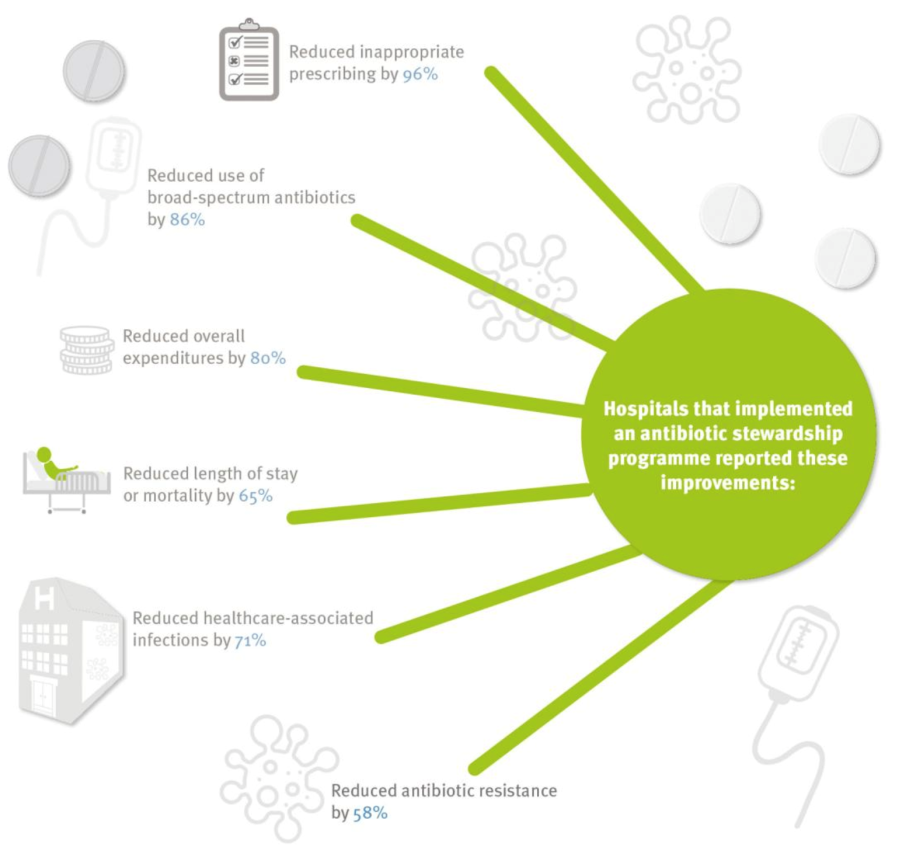
Healthcare organizations implement structured programs known as antimicrobial stewardship programs to enhance antibiotic treatment strategies while fighting AMR development and maintaining essential medical antibiotics across humans and animals. Denmark alongside the Netherlands and Sweden has executed antimicrobial stewardship programs which reduced AMR within their livestock populations according to Carlet et al. (2012).
Reducing antibiotic use and promoting alternatives
- Third-generation cephalosporins along with fluoroquinolones and aminoglycosides along with other antibiotics continue to be the primary causes of antibiotic resistance in livestock . Set rigid authorities must regulate antibiotic prophylaxis and growth promotion practices in food-growing animals as a way to minimize the selective forces affecting bacteria.
- Environmental contamination acts as a critical factor in pathogen resistance spread through its reservoir functions in water sources. The bacteriological study from Osogbo, Nigeria discovered heavy antibiotic-resistant E. coli contamination throughout tested water samples so better water sanitation and waste management practices must take priority to curb resistant bacteria spread through livestock environments . The research establishes that AMR control strategies require a comprehensive inclusion of proper environmental hygiene measures.
Alternative strategies to maintain gut health and disease prevention:
- Laboratory-determined evidence supports that using lactic acid bacteria and non-digestible dietary fibers as digestive supplements can achieve balanced gut microbiota composition and strengthen immune function while fighting pathogenic bacteria which helps prevent antibiotic usage .
- Supplementing organic acids including butyric acid and formic acid along with lactic acid shows both anti-pathogenic effects and improves intestinal health and feed conversion performance .
- Phytogenic compounds represent plant-based bioactive compounds which include essential oils and polyphenols that provide antimicrobial properties suitable for replacing antibiotic use in livestock feed.
- Targeted E. coli pathotype vaccination programs succeed in cutting infectious rates as well as eliminating antibiotic dependence . The development of ETEC and STEC vaccine formulations has proven effective in preventing infections of swine and cattle leading to reduced levels of antibiotic-resistant bacterial strains within animal communities.
Policy and regulatory interventions
National and international guidelines: Various national and international regulations determine how effectively countries fight antibiotic resistance based on their rules and law enforcement capabilities along with farming regulations.
- The European Union together with Canada and Australia have established rigorous antibiotic growth promoter bans and the EU terminated all antibiotic growth promoter use by 2006 ; .
- The enforcement of regulations remains weak and antibiotic restrictions remain uncontrolled and veterinary supervision is insufficient in numerous LMICs across Asia, Africa and Latin America . The lack of proper regulations enables unrestricted spread of ESBL-producing E. coli in livestock and food products.
- Organizations like World Health Organization (WHO) and Food and Agriculture Organization (FAO) together with World Organization for Animal Health (WOAH) previously known as (OIE) created detailed strategies which support correct antibiotic practices for livestock and develop extensive AMR monitoring systems across the globe.
Success stories in AMR control
Several national programs have proven that strategic policy implementation alongside effective interventions successfully decrease antibiotic resistance occurrences in livestock populations. .
- Between 2009 and 2015 veterinary antibiotic prescriptions in The Netherlands dropped by 60% which resulted in a substantial decrease of ESBL-producing E. coli strains in livestock populations. The success stemmed from rule-based antibiotic prescription practices combined with external monitoring systems and agricultural sector collaborative programs .
- The Danish Integrated Antimicrobial Resistance Monitoring and Research Programme (DANMAP) developed by Denmark helps track both antibiotic use and resistance patterns which produced major decreases in swine production antimicrobial utilization .
- The Australian agricultural sector restricts virulent E. coli dissemination in cattle and poultry through Good Agricultural Practices (GAP) and biosecurity protocols together with holistic farm management strategies .
Surveillance and monitoring
Systematic AMR pattern tracking aims to discover bacterial evolution early through assessments that enable proper interventions. Multiple international organizations have established connected surveillance systems which improve the sharing of AMR data between different countries together with resistant pathogen monitoring.
- Through the Global Action Plan on Antimicrobial Resistance (WHO, FAO, WOAH) organizations deliver protocols for national surveillance systems that unite human health with animal health monitoring and environmental health programs.
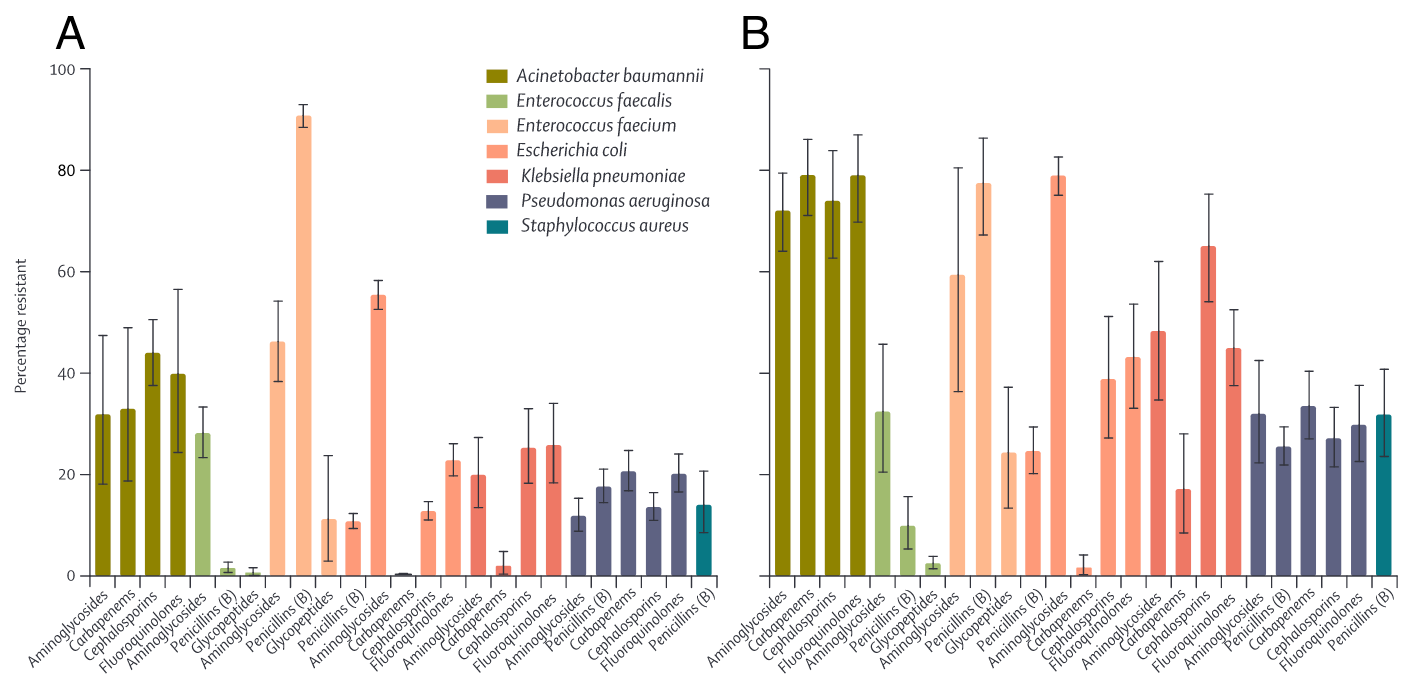
- Through its surveillance efforts EARS-Net tracks AMR patterns across European livestock industries whereas the European Centre for Disease Prevention and Control (ECDC) uses this data to enhance policy development and risk management strategies (Figure 6).
- Under the US National Antimicrobial Resistance Monitoring System (NARMS) the Food and Drug Administration along with the Centers for Disease Control and Prevention and the United States Department of Agriculture team up to track AMR rates in retail meats and farm animals and human clinical pathogens for creating evidence-based policies.
- The ReAct Africa Network and FAO’s AMR regional initiatives in Asia serve as surveillance programs aimed at strengthening AMR monitoring frameworks in LMICs, where data on ESBL-producing E. coli remains limited as illustrated in Figure 6.
Advancements in genomic surveillance
WGS and metagenomics analytics have become game-changers for AMR surveillance because they deliver microscopic details about bacterial development and resistance gene movement and infection source identification.
- WGS provides accurate detection of ESBL genes and a plasmid-mediated resistance element as well as it reveals bacterial isolate family relationships .
- The real-time surveillance of resistant genes within complicated microbial communities is achievable through metagenomics-based approaches which work in agricultural spaces and animal waste sites as well as food production areas Port et al. (2014).
- Two global programs named PSAF and One Health AMR Genomics Network utilize genomic platforms to identify E. coli strain movement between international zones.
Modern genomic tools with traditional epidemiological data create enhanced capabilities to follow and control ESBL-producing and virulent E. coli outbreaks in livestock farms.
Challenges and gaps
Numerous obstacles prevent the advancement of efforts to control ESBL-producing and virulent E. coli in livestock populations. The battle against ESBL-producing and virulent E. coli in livestock faces obstacles relating to insufficient funding and deficient policies together with limited population understanding and missing knowledge about disease spread patterns. The achievement of sustainable solutions requires the solution of these barriers .
Limited resources in low- and middle-income countries (LMICs)
Adequate funding scarcity persists as a main obstacle which interferes with AMR prevention efforts in livestock sectors of Low- and Middle-Income Countries. Smallholder farming communities encounter problems because they cannot get appropriate veterinary medical attention and laboratory diagnostic testing or antimicrobial stewardship programs . The limited availability of monitoring systems for AMR trends results in inadequate knowledge about both the distribution rates and molecular makeup of ESBL E. coli while insufficient regulatory systems enable free antibiotic sales and incorrect animal medication practices.
Because of multiple healthcare problems and economic problems governments face challenges to place AMR control measures as top priorities. Successful control of ESBL-producing E. coli in livestock is impractical without continuous funding support from outside organizations and international partnerships .
Resistance to policy implementation in intensive farming systems
Intensive animal farming depends on antibiotics both for promoting growth and protecting against diseases while treating illnesses so policies regarding restrictions become tough to enforce. The staffs working at large-scale commercial farms show resistance to antimicrobial regulations because they believe it will result in economic decline together with production decreases . The enforcement of antimicrobial policies remains a challenge for numerous low- and middle-income nations even though high-income nations have successfully eliminated antibiotic growth promotion restrictions.
Pharmaceutical companies and those involved in the livestock industry use their power to slow down the development of stricter antimicrobial policies. Public health needs alongside sustainability require policymakers to manage economic challenges when creating policies (Figure 7).
Lack of public awareness about AMR and zoonotic risks
The insufficient public knowledge about ESBL E. coli hinders effective control efforts because it impacts farmers and consumers and also the policymakers. The public including farmers and livestock handlers demonstrate limited knowledge concerning antimicrobial misuse consequences and the path of E. coli in zoonotic transmission (Mather et al., 2019). Without proper education efforts the practice of incorrect antibiotic administration and weak farm bio-security continues to persist.
The demand for antibiotic-free livestock products mainly stems from consumers so they actively participate in creating this market. The public shows limited knowledge regarding health risks which stem from eating meat and dairy products containing antibiotics. The public health requires educational methods through various platforms like mass media and schools in order to modify consumer practices regarding antibiotic utilization.
Gaps in research and surveillance
The scientific community continues to exhibit interest in AMR research yet various major gaps exist concerning the molecular processes of E. coli resistance and virulence mechanisms. Studies primarily examine human clinical environments and researchers have conducted fewer investigations about ESBL E. coli’s evolutionary progression in livestock as well as environmental settings . The ability to track emerging resistant strains becomes challenging because of insufficient surveillance networks which are particularly prominent in resource-poor areas.
Genomic surveillance investments together with data-sharing platforms as well as international cooperative projects are needed to eliminate existing knowledge limitations that prevent global monitoring of AMR trends in livestock farming.
Future Directions and Recommendations
Continuous efforts based on multiple strategies need to control the increasing danger posed by ESBL E. coli in worldwide livestock farming. The successful solutions require elements that link scientific innovation with policy enforcement as well as public engagement and cross-sector collaboration.
Enhanced research on the epidemiology and mechanisms of resistance
- Analyses of ESBL E. coli resistance epidemiology and genetics will guide the development of controlled strategies effectively. Future research should focus on:
- Scientists should use whole-genome sequencing in combination with molecular epidemiology to monitor the movement of resistant E. coli in livestock and humans and their environmental host.
- The role of mobile genetic elements, such as plasmids and transposons, in the horizontal transfer of resistance genes.
- Scientists need to detect pathways which cause the transmission of bacteria from food products through humans and animals to other animals.
A complete surveillance system must exist to monitor antimicrobial-resistant E. coli strains effectively because it enables both tracking of their prevalence and genetic variation. Achieving both systematic screening and genomic characterization revealed key evolutionary patterns of resistant bacteria so that researchers can develop effective intervention methods , 2023). The prevention of global resistance and virulence of E. coli strains in livestock requires enhanced regulatory framework together with antibiotic responsible practices alongside investments in new therapeutic techniques for treatment. Research advancements allow the development of intervention strategies which enhance disease monitoring while supporting policymakers in formulating evidence-based policies.
Development of novel antimicrobial agents and alternative therapies
The development of innovative therapeutic options becomes necessary because antibiotics show growing resistance patterns. New strategies for alternative antibiotic use in livestock agriculture consist of three primary areas which are bacteriophage therapy and the employment of probiotics and prebiotics alongside antimicrobial peptides .
- Bacteriophage therapy utilizes viruses which attack bacterial pathogens while avoiding disruption to the microorganisms in the gut micro-biome.
- Prebiotics together with probiotics comprise beneficial bacteria which fight pathogenic E. coli while improving gut health among animals.
- The class of naturally occurring peptides called Antimicrobial Peptides demonstrates antibiotic potential as substitute medication for bacteria.
- Phytochemicals and Essential oils: Plant-derived compounds with antimicrobial activity, such as oregano oil and garlic extract.
Expanding research into alternative methods followed by their commercial implementation will help decrease antibiotic use in farm animals without harming their wellness or production.
Strengthening the one health framework
One health provides an understanding that health relations between human populations sustain with animal populations and environmental domains. A solution for ESBL E. coli infection needs multiple sectors to work together which includes veterinary medicine together with human healthcare as well as agriculture and environmental sciences . Key strategies include:
- Cross-disciplinary AMR surveillance programs with harmonized monitoring of antibiotic resistance in animals and human populations and environmental elements must be formed.
- The development of integrated intervention plans requires collaboration between medical professionals’ veterinary specialists and policymakers under a joint plan.
- The prevention of antibiotic resistance spread requires standard antimicrobial use guidance which should apply in both veterinary medicine and human medicine.
Public-private partnerships for sustainable livestock farming
Partnerships between government entities and private-sector organizations need to support sustainable livestock farming through collaborative efforts. Key initiatives should include:
- Financial incentives for antibiotic-free farming: Providing subsidies to farmers who implement bio-security measures and antibiotic-free husbandry practices.
- The development of cost-effective rapid diagnostic instruments should receive government investment to minimize inappropriate antibiotic medicine prescriptions.
- Major food producers along with retail partners need to establish antibiotic stewardship programs through industry leadership (Figure 8).
These partnerships support both technological growth and healthy food handling while promoting financial growth for environmentally sound livestock farming operations.
Conclusion
- The worldwide expansion of ESBL-producing and virulent E. coli in livestock threatens public wellness together with food security while harming the sustainability of agriculture. The current practice of antibiotic administration in farm animals promotes fast bacterial evolution of antibiotic resistance strains that pose risk to both animal populations and human communities. The AMR situation continues to worsen due to rising morbidity and mortality rates, increasing healthcare costs, and the diminishing effectiveness of current antibiotics.
- The current crisis needs complete solutions which should be built through collective action. The prevention of ESBL E. coli spread necessitates enhanced research activities along with new antimicrobial approaches and stricter policy execution. The long-run success requires both heightened public knowledge about antimicrobial stewardship practices alongside industry-wide collaboration to maintain sustainability.
- Every stakeholder group including policymakers and researchers needs to execute rapid decisions that reduce AMR threats within livestock farming operations. Government needs to establish broad-based AMR surveillance to enforce rigid restrictions on antibiotic prescriptions while promoting environmentally sustainable farming methods. The cooperation between public-private partnerships with One Health principles will serve as fundamental elements for creating a sustainable livestock industry that protects global health.
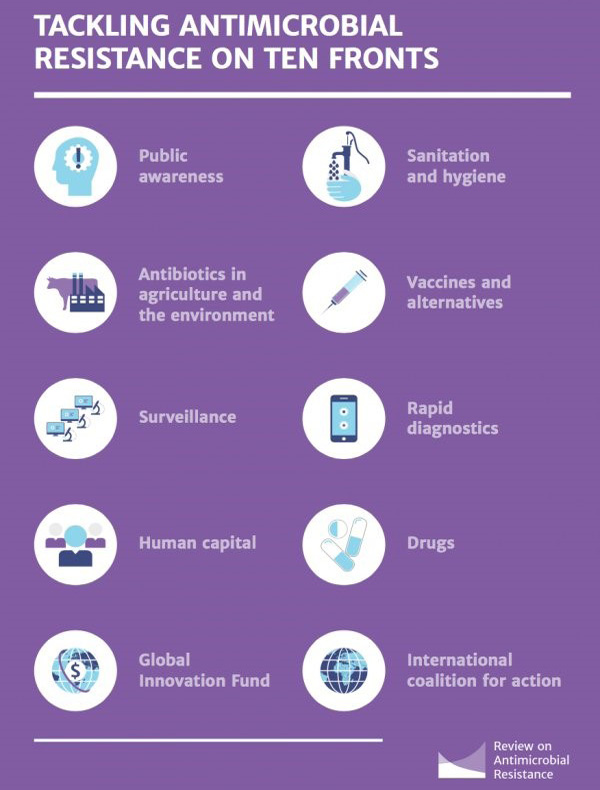
- The rapid response needed today will decide how antimicrobials affect food security while safeguarding both animal and human well-being and maintaining antimicrobial effectiveness throughout the world. Figure 9 showing different tackling Antimicrobial resistant on Ten point
Acknowledgement
We would like to express our gratitude to all the staff members of the Department of Medical Microbiology and Parasitology for their invaluable support and cooperation.
Novelty Statement
This review article explores key pathogenic types of E. coli are present, such as: STEC, ETEC and EPEC and their importance in animals. It stresses that horizontal gene transfer helps resistance spread and supports using One Health to link antibiotic stewardship, higher surveillance and alternative ways to handle diseases in tackling these growing problems.
Author’s Contribution
ADA and IO collected and analyzed the data. ADA collected the data online and did further comparative analysis. ASO designed the review and wrote the manuscript. OO edited the manuscript and OAO supervised activities. All authors read and approved the final version of the manuscript.
Generative AI or AI-assisted Technology Statement
The author(s) declare that no Genrative AI was used in the creation of this manuscript.
Conflict of interest
The authors have declared no conflict of interest.
Figures
References
- Allen, H.K., Donato, J., Wang, H.H., Cloud-Hansen, K.A., Davies, J. and Handelsman, J., 2013. Antibiotics in agriculture: Factors contributing to resistance. Nat. Rev. Microbiol., 11(1): 42–52.
- Bradford, P.A., 2017. Extended-spectrum β-lactamases in the 21st century: Characterization, epidemiology, and detection of this important resistance threat. Clin. Microbiol. Rev., 14(4): 933–951. https://doi.org/10.1128/CMR.14.4.933-951.2001[CrossRef]
- Bush, K. and Bradford, P.A., 2020. β-Lactams and β-lactamase inhibitors: An overview. Cold Spring Harbor Perspect. Med., 10(8): a025247. https://doi.org/10.1101/cshperspect.a025247[CrossRef]
- Cantón, R., González-Alba, J.M. and Galán, J.C., 2012. CTX-M enzymes: Origin and diffusion. Front. Microbiol., 3: 110. https://doi.org/10.3389/fmicb.2012.00110[CrossRef]
- Carattoli, A., 2009. Resistance plasmid families in Enterobacteriaceae. Antimicrob. Agents Chemoth., 53(6): 2227–2238. https://doi.org/10.1128/AAC.01707-08[CrossRef]
- Carlet, J., Jarlier, V., Harbarth, S., Voss, A., Goossens, H. and Pittet, D., 2012. Ready for a world without antibiotics? The Pensières antibiotic resistance call to action. Antimicrob. Resist. Infect. Contr., 1(1): 11. https://doi.org/10.1186/2047-2994-1-11[CrossRef]
- Center for Disease Dynamics, Economics and Policy (CDDEP), 2021. The State of the World’s Antibiotics 2021. CDDEP. https://cddep.org/publications/the-state-of-the-worlds-antibiotics-2021/
- Collignon, P. and McEwen, S.A., 2019. One health its importance in helping to better control AMR. Trop. Med. Infect. Dis., 4(1): 22. https://doi.org/10.3390/tropicalmed4010022[CrossRef]
- Collignon, P., McEwen, S., Aarestrup, F.M., Wegener, H.C. and Braam, H., 2018. One health its importance in helping to better control AMR. Trop. Med. Infect. Dis., 3(3): 97.
- Croxen, M.A., Law, R.J., Scholz, R., Keeney, K.M., Wlodarska, M. and Finlay, B.B., 2013. Recent advances in understanding enteric pathogenic Escherichia coli. Clin. Microbiol. Rev., 26(4): 822–880. https://doi.org/10.1128/CMR.00022-13[CrossRef]
- Doi, Y., Paterson, D.L. and Wagener, M.M., 2017. Multidrug resistance in gram-negative pathogens. Clin. Infect. Dis., 65(5): 869–875.
- Economou, V. and Gousia, P., 2015. Agriculture and food animals as a source of antimicrobial-resistant bacteria. Infect. Drug Resist., 8: 49-61. https://doi.org/10.2147/IDR.S55778[CrossRef]
- Fairbrother, J.M. and Nadeau, É., 2019. Colibacillosis. In: (eds. J.J. Zimmerman, L.A. Karriker, A. Ramirez, K.J. Schwartz and G.W. Stevenson), Diseases of Swine (11th ed., pp. 807–834). Wiley-Blackwell. https://doi.org/10.1002/9781119350927.ch52[CrossRef]
- Gaggia, F., Mattarelli, P. and Biavati, B., 2010. Probiotics and prebiotics in animal feeding for safe food production. Int. J. Food Microbiol., 141: S15–S28. https://doi.org/10.1016/j.ijfoodmicro.2010.02.031[CrossRef]
- Grace, D., Kahn, L.H. and Roesel, K., 2020. Food safety in developing countries: Research gaps and opportunities. Sci. Total Environ., 732: 139-149.
- Grace, D., Mutua, F., Ochungo, P., Kruska, R., Jones, K., Brierley, L. and Unger, F., 2020. Mapping of poverty and likely zoonoses hotspots. Zoonoses project 4 report. International Livestock Research Institute (ILRI). https://doi.org/10.1079/9781789241853.0302[CrossRef]
- Grace, D., Sones, K. and Thorne, P., 2020. Antimicrobial use in livestock farming: The economic impact of resistance. Front. Vet. Sci., 7: 534.
- Green, T.K., Martinez, R. and Zhao, L., 2018. Pathogenic Escherichia coli in zoonotic infections: Implications for food safety. J. Clin. Microbiol., 56(7): e00678-18.
- Harris, C.P. and Lee, G., 2019. Global economic and health impacts of livestock-associated AMR. Lancet Planetary Health, 3(5): e227-e235. https://doi.org/10.1016/S2542-5196(19)30096-8[CrossRef]
- Harris, J. and Lee, C., 2019. Antimicrobial resistance in livestock farming: Global challenges. Ann. Rev. Anim. Biosci., 7: 211–231.
- Harris, T. and Lee, S., 2019. Tackling AMR through improved livestock management: A review. One Health Rev., 10: 32-47.
- Havelaar, A.H., Kirk, M.D., Torgerson, P.R., Gibb, H.J., Hald, T., Lake, R.J. and Angulo, F.J., 2015. World Health Organization global estimates and regional comparisons of the burden of foodborne disease in 2010. PLoS Med., 12(12): e1001923. https://doi.org/10.1371/journal.pmed.1001923[CrossRef]
- Hordijk, J., Bosman, A.B., Heederik, D.J. and Wagenaar, J.A., 2013. Environmental reservoirs of AMR in agriculture. Appl. Environ. Microbiol., 79(5): 1576–1585.
- Hwang, S.B., Chelliah, R., Kang, J.E., Rubab, M., Banan-Mwine, D.E., Elahi, F. and Oh, D.H., 2021. Role of recent therapeutic applications and the infection strategies of Shiga toxin-producing Escherichia coli. Front. Cell. Infect. Microbiol., 11: 614963. https://doi.org/10.3389/fcimb.2021.614963[CrossRef]
- Johnson, J.R., Johnston, B., Kuskowski, M.A., Sokurenko, E.V. and Tchesnokova, V., 2018. Intensity and mechanism of host-pathogen interactions influence clinical outcomes. J. Infect. Dis., 217(8): 1177–1185.
- Kirchner, M., Van Der Goot, T. C., Driesen, B. G. M., Van Den Hoogen, E. A. M., Koster, E. H. E., Van der Zande, S. C. A. M., and Van Delst, J. H. J. M.. 2017. Economic impact of foodborne zoonotic pathogens in livestock: A case study. J. Econ. Perspect. Agric., 16(3): 125-139.
- Klein, E.Y., Impalli, I., Poleon, S., Nandi, A. and Chen, H.Y., 2024. Global trends in antibiotic consumption during 2016–2023 and future projections through 2030. Proc. Natl. Acad. Sci., 121(49): e2411919121. https://doi.org/10.1073/pnas.2411919121[CrossRef]
- Köck, R., Daniels-Haardt, I., Becker, K., Mellmann, A., Friedrich, A.W. and Harmsen, D., 2010. Carbapenem-non-susceptible Gram-negative bacteria in Europe: Epidemiology and interventions. Clin. Microbiol. Infect., 16(5): 361–368.
- Krämer, S.A., Ramachandran, A. and Perron, G.G., 2019. Antibiotic pollution in the environment: From microbial ecology to public policy. Microorganisms, 7(6): 180. https://doi.org/10.3390/microorganisms7060180[CrossRef]
- Liu, C., Zheng, H., Yang, M., Xu, Z., Wang, X., Wei, L. and Dai, M., 2022. Global prevalence and molecular characteristics of extended-spectrum β-lactamase genes in Escherichia coli in pigs: A systematic review and meta-analysis. J. Glob. Antimicrob. Resist., 29: 280–289.
- Liu, Y.Y., Wang, Y., Walsh, T.R., Yi, L.X., Zhang, R., Spencer, J. and Shen, J., 2016. Emergence of plasmid-mediated colistin resistance mechanism MCR-1 in animals and human beings in China: A microbiological and molecular biological study. Lancet Infect. Dis., 16(2): 161–168. https://doi.org/10.1016/S1473-3099(15)00424-7[CrossRef]
- Longitude Team, 2017. Lord O’Neill highlights importance of rapid diagnosis for tackling drug resistance. Longitude Prize. https://amr.longitudeprize.org/blog/lord-oneill-highlights-importance-of-rapid-diagnosis-for-tackling-drug-resistance/
- Lúcia, S.M., Matté, M.H., Dropa, M., Mamizuka, E.M. and Matté, G.R., 2018. A conceptual framework for One Health approach to antimicrobial resistance surveillance in aquaculture. Rev. Inst. Med. Trop. São Paulo, 60: e53.
- Mandujano-Hernández, A., Martínez-Vázquez, A.V., Paz-González, A.D., Herrera-Mayorga, V., Sánchez-Sánchez, M., Lara-Ramírez, E.E., Vázquez, K., de Jesús de Luna-Santillana, E., Bocanegra-García, V. and Rivera, G., 2024. The global rise of ESBL-producing Escherichia coli in the livestock sector: A five-year overview. Animals, 14(17): 2490. https://doi.org/10.3390/ani14172490[CrossRef]
- Manyi-Loh, C., Mamphweli, S., Meyer, E. and Okoh, A., 2018. Antibiotic use in agriculture and its consequential resistance in environmental sources: Potential public health implications. Molecules, 23(4): 795. https://doi.org/10.3390/molecules23040795[CrossRef]
- Marshall, B.M. and Levy, S.B., 2011. Food animals and antimicrobials: Impacts on human health. Clin. Microbiol. Rev., 24(4): 718–733. https://doi.org/10.1128/CMR.00002-11[CrossRef]
- Mather, A.E., Matthews, L., Mellor, D.J., Reeve, R., Denwood, M.J., Boerlin, P., Carson, C.A., Smith, R.P., Brown, D.J., Reid-Smith, R.J. and Reid, S.W.J., 2019. An ecological approach to assessing the epidemiology of antimicrobial resistance in animal and human populations. Proc. R. Soc. B: Biol. Sci., 286(1914): 20182429.
- Mathers, A.J., Peirano, G. and Pitout, J.D.D., 2015. Escherichia coli ST131: The quintessential example of an international multiresistant high-risk clone. Adv. Appl. Microbiol., 90: 109–154. https://doi.org/10.1016/bs.aambs.2014.09.002[CrossRef]
- Mayer-Scholl, A., Phillips, A. and Schroeder, M., 2014. Distribution of pathogenic Escherichia coli strains in wildlife. Int. J. Environ. Res. Publ. Health, 11(5): 5448-5462.
- Mshana, S.E., Sindano, N., Matee, M. and Rweyemamu, M., 2021. Antimicrobial resistance in human and animal pathogens in sub-Saharan Africa: Challenges and opportunities for one health implementation. Afr. J. Lab. Med., 10(1): a1256.
- Nataro, J.P. and Kaper, J.B., 2017. Diarrheagenic Escherichia coli. Clin. Microbiol. Rev., 11(1): 142–201. https://doi.org/10.1128/CMR.11.1.142[CrossRef]
- O’Neill, J., 2016. Tackling drug-resistant infections globally: Final report and recommendations. Rev. Antimicrob. Resist., pp. 1-84.
- Olowe, O.A., Eniola, K.I.T., Olayemi, A.B. and Ojurongbe, O., 2013. Prevalence of tet genes mediating tetracycline resistance in Escherichia coli clinical isolates in Osun State, Nigeria. J. Microbiol. Antimicrob., 5(6): 57-64. Available at: https://pmc.ncbi.nlm.nih.gov/articles/PMC3832086
- Olowe, O.A., Odetoyin, B.W. and Ogbolu, D.O., 2020. Antimicrobial resistant pattern of Escherichia coli from human clinical samples in Osogbo, South Western Nigeria. Afr. J. Clin. Exp. Microbiol., 21(1): 29-35. Available at: https://www.internationalscholarsjournals.com/articles/antimicrobial-resistant-pattern-of-escherichia-coli-from-human-clinical-samples-in-osogbo-south-western-nigeria.pdf
- Olowe, O.A., Ojurongbe, O. and Opaleye, O.O., 2023. Genotypes and phenotypes of shiga toxin-producing Escherichia coli (STEC) in Abeokuta, Southwestern Nigeria. Infect. Drug Resist., 16(1): 1123-1134.
- Olowe, O.A., Ojurongbe, O., Opaleye, O.O. and Adedosu, A.N., 2019. Phenotypic and molecular characterisation of extended-spectrum β-lactamase producing Escherichia coli from livestock in Ado-Ekiti, Nigeria. J. Med. Microbiol., 68(2): 249-256. Available at: https://pubmed.ncbi.nlm.nih.gov/26417371
- Olowe, O.A., Olayemi, A.B. and Adeyemi, A.O., 2015. Detection of extended spectrum β-lactamase producing strains of Escherichia coli and Klebsiella sp. in a tertiary health centre in Ogun State. Adv. Microbiol., 5(8): 711-719.
- Olowe, O.A., Olayemi, A.B. and Ojurongbe, O., 2018. Bacteriological quality of water samples in Osogbo metropolis. Open J. Med. Microbiol., 8(1): 1-9.
- Partridge, S.R., Kwong, S.M., Firth, N. and Jensen, S.O., 2018. Mobile genetic elements associated with AMR. Clin. Microbiol. Rev., 31(4): e00088-17. https://doi.org/10.1128/CMR.00088-17[CrossRef]
- Paterson, D.L. and Bonomo, R.A., 2005. Extended-spectrum beta-lactamases: A clinical update. Clin. Microbiol. Rev., 18(4): 657-686. https://doi.org/10.1128/CMR.18.4.657-686.2005[CrossRef]
- Pathmalal, M.M., 2018. Heavy use of antibiotics in aquaculture: Emerging human and animal health problems. A review. Sri Lanka J. Aquat. Sci., 23(1): 13–27. https://doi.org/10.4038/sljas.v23i1.7543[CrossRef]
- Paton, J.C. and Paton, A.W., 2020. Pathogenesis and diagnosis of Shiga toxin-producing Escherichia coli infections. Clin. Microbiol. Rev., 11(3): 450-479. https://doi.org/10.1128/CMR.11.3.450[CrossRef]
- Pitout, J.D.D. and Peirano, G., 2021. Multidrug-resistant Enterobacterales: New resistance mechanisms and treatment options. Infect. Dis. Clin. North Am., 35(4): 785–814.
- Port, J. A., Cullen, A. C., Wallace, J. C., Smith, M. N., and Faustman, E. M. (2014). Metagenomic frameworks for monitoring antibiotic resistance in aquatic environments. Environmental Health Perspectives, 122(3), 222–228. https://doi.org/10.1289/ehp.1307009[CrossRef]
- Rawat, D. and Nair, D., 2019. Extended-spectrum β-lactamases in Gram-negative bacteria. J. Glob. Infect. Dis., 2(3): 263–274. https://doi.org/10.4103/0974-777X.68531[CrossRef]
- Robinson, T.P., Bu, D.P., Carrique-Mas, J., Fèvre, E.M., Gilbert, M., Grace, D., Hay, S.I., Jiwakanon, J., Kakkar, M., Kariuki, S., Laxminarayan, R., Lubroth, J., Magnusson, U., Thi Ngoc, P. and Van Boeckel, T.P., 2020. Antibiotic resistance is the quintessential one health issue. Trans. R. Soc. Trop. Med. Hyg., 114(8): 377–380. https://doi.org/10.1093/trstmh/trw048[CrossRef]
- Santos, L. and Ramos, F., 2018. Antimicrobial resistance in aquaculture: Current knowledge and alternatives to tackle the problem. Int. J. Antimicrob. Agents, 52(2): 135–143. https://doi.org/10.1016/j.ijantimicag.2018.03.010[CrossRef]
- Scallan, E., Hoekstra, R.M., Angulo, F.J., Tauxe, R.V., Widdowson, M.A., Roy, S.L. and Griffin, P.M., 2011. Foodborne illness acquired in the United States major pathogens. Emerg. Infect. Dis., 17(1): 7-15. https://doi.org/10.3201/eid1701.09-1101p1[CrossRef]
- Schmid, A., Hörmansdorfer, S. and Keller, K., 2019. Antimicrobial resistance in European livestock farms: Prevalence and control. Vet. Rec., 185(10): 275.
- Shaikh, S., Fatima, J., Shakil, S., Rizvi, S.M.D. and Kamal, M.A., 2015. Antibiotic resistance and extended spectrum beta-lactamases: Types, epidemiology and treatment. Saudi J. Biol. Sci., 22(1): 90-101. https://doi.org/10.1016/j.sjbs.2014.08.002[CrossRef]
- Smith, P., Agha, D., Burrows, D. and Patel, J., 2015. Antimicrobial resistance in agriculture: Drivers and mitigation strategies. Ann. Rev. Environ. Resour., 40: 195–217.
- Smith, R., Anderson, J. and Thomas, K., 2015. Intensified agriculture and the global spread of AMR. J. Agric. Environ. Ethics, 28(4): 617–636.
- Speksnijder, D.C., Jaarsma, A.D.C., Verheij, T.J.M. and Wagenaar, J.A., 2015. Attitudes and perceptions of Dutch veterinarians on their role in the reduction of antimicrobial use in farm animals. Prevent. Vet. Med., 121(3–4): 365–373. https://doi.org/10.1016/j.prevetmed.2015.08.014[CrossRef]
- Tadesse, D.A., Biswas, D. and Ganta, R.R., 2012. Prevalence of AMR in foodborne pathogens. Foodb. Pathog. Dis., 9(9): 713–723.
- Tumbarello, M., Spanu, T., Caira, M. and Trecarichi, E.M., 2010. Predictors of mortality in bloodstream infections caused by ESBL-producing Enterobacteriaceae. Clin. Infect. Dis., 50(4): 498-504.
- University of Bologna Global Health, 2023. Module 1: Antimicrobial resistance. UniBo Global Health. https://www.uniboglobalhealth.com/module%201
- Van Boeckel, T.P., Brower, C., Gilbert, M. and Grenfell, B.T., 2015. Global trends in antimicrobial use in food animals. Proc. Nat. Acad. Sci., 112(18): 5649–5654. https://doi.org/10.1073/pnas.1503141112[CrossRef]
- Van Hoek, A.H.A.M., Mevius, D.J. and Dierikx, C.M., 2011. Pathways of resistance gene transfer in agricultural ecosystems. Front. Microbiol., 2: 265. https://doi.org/10.3389/fmicb.2011.00203[CrossRef]
- Widodo, A., Effendi, M.H. and Khairullah, A.R., 2020. Extended-spectrum beta-lactamase (ESBL)-producing Escherichia coli from livestock. Vet. World, 13(7): 129–134.
- Williams, J., Cooper, D. and Hill, P., 2021. The interconnectedness of food chains and microbial threats. Foodb. Pathog. Dis., 18(1): 13-21.
- Williams, N.J., Salmon, S.A. and Gnanadass, S., 2021. One health and AMR: A challenge for agriculture and healthcare. Vet. J., 272: 105–112.
- Williams, T., Smith, P.R. and Jones, D., 2021. Food chain risks: The case of antibiotic resistance in livestock. Food Policy J., 98: 101975.
- World Health Organization (WHO), 2022. One health joint plan of action (2022–2026): Working together for the health of humans, animals, plants and the environment. World Health Organ., https://www.who.int/publications/i/item/9789240062702
Services
Article usage statistics
Loading…