On the other hand, other concentrations of honey additive extenders were unable to preserve the sperm quality as the values were significantly lower than the control and 1% concentration of honey additive extenders (Table 2).
The third semen evaluation of post-thawed frozen bull semen showed a significant reduction in the sperm general motility, progressive motility, and liveability in all the bulls’ semen with Limousin breed exhibiting the worst sperm quality.
In conclusion, the present experiment showed that there were significant differences in the bull semen quality between breeds and between different concentrations of honey additive extenders.
The general motility, progressive motility, and liveability of sperm in the 1% concentration of honey additive extender were improved and preserved throughout the semen cryopreservation process compared to 2.5, 5, 10 and 15% concentration of honey additive extenders.
Selected from the article's own text.
Abstract
Eric Lim Teik Chung1,2, Nazri Nayan1, Nurul Syazana Mohammad Nasir1, Phen Syom A Hing1, Suriati Ramli3, Mohd Hafiz Abdul Rahman3, Mamat Hamidi Kamalludin1,2*
1Department of Animal Science, Faculty of Agriculture, Universiti Putra Malaysia, 43400 Serdang, Selangor, Malaysia; 2Institute of Tropical Agriculture and Food Security, Universiti Putra Malaysia, 43400 UPM Serdang, Selangor, Malaysia; 3Institut Biodiversity Veterinar Kebangsaan, Bukit Dinding, 27000 Jerantut, Pahang.
Abstract | Previous studies have demonstrated that honey is a good additive for frozen semen, but the composition of honey is ultimately influenced by the plant species visited by the honey bees, the environment, processing, and storage conditions. Therefore, the main objective of this study was to determine the effect of using local honey derived from the Apis mellifera bee as an additive in Bioxcell™ extender for cryopreservation on bull semen quality from different cattle breeds. Different concentrations of honey additive in the commercial extenders (1, 2.5, 5, 10 and 15%) were prepared accordingly. Semen samples were collected from 12 sexually mature bulls consisted of three Mafriwal, three Jersey, three Peidmontese, and three Limousin bulls with the aid of an artificial vagina (AV) and a teaser cow. The semen samples were extended 1:1 (semen: extender) in the prepared extenders for cryopreservation. Semen evaluations were carried out on fresh semen, post-chilled, and 14th days post-thawed frozen semen. The semen samples were evaluated based on microscopic characteristics such as general motility, progressive motility, and liveability. The results showed that there were significant differences (PË‚0.05) in the sperm quality between different breeds of bull and between different concentrations of honey additive extenders. Jersey bull exhibited the best sperm quality with the highest sperm general motility, progressive motility, and liveability throughout the fresh semen, post-chilled, and post-thawed frozen semen followed by Mafriwal, Piedmontese, and Limousin. The sperm quality of all bull species increased significantly (PË‚0.05) by the 1% concentration of honey additive extender compared to 2.5, 5, 10 and 15% concentration of honey additive extenders. In summary, 1% concentration of honey additive extender can be used effectively in bull semen cryopreservation to preserve the sperm quality.
The success of a livestock industry depends on the genetic improvement and the number of production animal. Although the traditional breeding method is still being practiced successfully, reproductive biotechnology such as embryo transfer (ET) and artificial insemination (AI) have been introduced for genetic improvement and a better production . In cattle breeding, AI is the most widely used technique where bull semen is used to artificially inseminate a cow during heat. However, the fertility and performance of spermatozoa in fresh semen can only be maintained for a few hours. As a result, frozen semen is produced to preserve the spermatozoa from a good genetic animal for years without any changes in their metabolism and structure under ultralow temperature . The success of AI depends on several factors including the quality of frozen-thawed semen that is being used.
Extended sperm is expanding rapidly with a great demand for semen cryopreservation, especially in the cattle industry. Cryopreservation technique allows spermatozoa to be stored indefinitely under -196°C in liquid nitrogen, which is known to cause detrimental effects on the spermatozoa partly during the freeze-thawing process . To preserve the semen, cryopreservation media is needed during the cryopreservation process. In order to have a good post-thawed semen quality, the composition of the cryopreservation media used as semen extenders be as one of the most important factors . Currently, many studies have been conducted to develop a cheaper and more effective alternatives by using different extenders in the frozen semen which help in extending the fertility of the sperm and reducing sperm damage especially during the cryopreservation stage . Some researchers have reported the benefits of using honey as a supplementation in the cryopreservation media in various species such as sheep , cattle , buffaloes , horses , and even in human .
The honey bees are bees of the single genus Apis from the tribe of Apini, where the most popular subspecies is Apis mellifera that are found in Europe and Asia. Honey derived from this bee is rich in phenolic compounds that are strongly correlated with antioxidant activity . Fuller (2004) reported that honey consists of high carbohydrate, protein, amino acids, vitamins, mineral, and composed of antioxidant which helps to prevent the free radicals activity. Besides, honey is a good source of glucose and fructose which help to maintain the osmotic pressure of the diluents by inducing cell dehydration and less formation of ice crystals within and around the spermatozoa, which made it a good additive in frozen semen . Nevertheless, the composition of honey depends on the plant species swarmed by the honey bees, the environment, processing, and storage conditions . To the best of our knowledge, information on honey as an additive in Bioxcell™ extender for cryopreservation is rather limited. Hence, the present study was conducted to determine the effect of using local honey derived from the Apis spp. bee as an additive in Bioxcell™ extender for cryopreservation on bull semen quality from different cattle breeds.
Materials and methods
Extender Preparation
Commercial extender (Bioxcell™, IMV Technologies, France) was used as control extender. Local honey (Kira Haq®) produced from Apis mellifera bee was used as an additive to the commercial extender. Different concentrations of honey additive in the commercial extenders (1, 2.5, 5, 10 and 15%) were prepared accordingly. The reverse pipetting method was used to measure the volume of honey before been added into the Bioxcel™ extender. The mixtures were mixed well for 10 seconds. All the extenders were placed in a water bath at 37°C for direct usage .
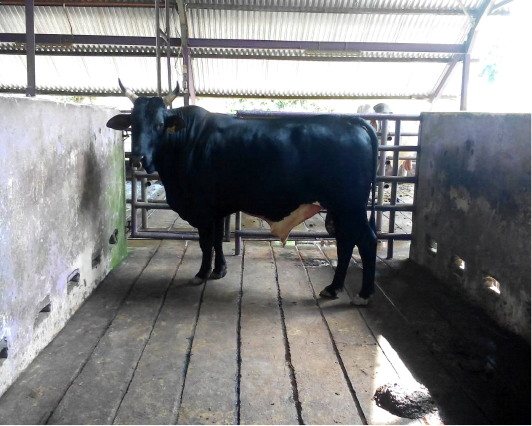
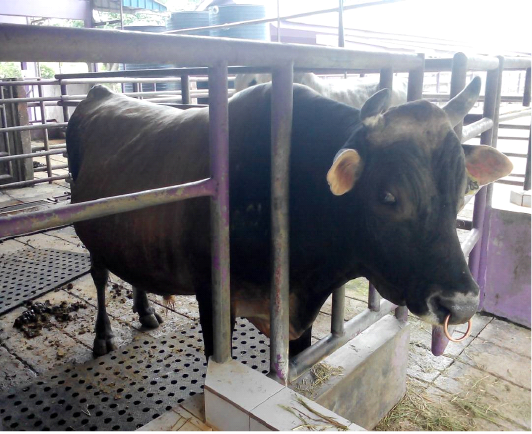
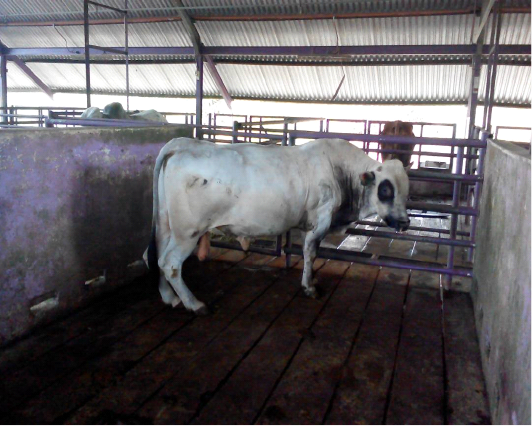
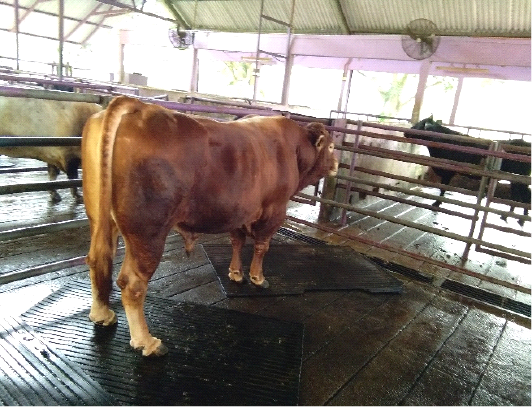
All experimental procedures were conducted in accordance to the Institutional Animal Care and Use Committee of Research Policy at Universiti Putra Malaysia (UPM). Twelve sexually mature bulls consisted of three Mafriwal, Jersey, Peidmontese, and Limousin bulls of each breed were used in the present work (Figure 1-4). Both Mafriwal and Jersey bulls were born and raised locally, while Peidmontese and Limousin bulls were imported from Australia for genetic improvement programs. All bulls were within four to five years of age with body weight ranging from 600 to 800 kg. The bulls were managed intensively which the vaccination and deworming status were up-to-date. All animals were fed with Napier grass as the basal diet using cut and carry system and were supplemented with palm kernel cake based diet. Water was available ad libitum. Semen sample from each bull was collected with the aid of an artificial vagina (AV) and a teaser cow. Ejaculates were collected, stored in insulated jacket, and were immediately transported to the laboratory for further processing and evaluation.
After collection, the ejaculates were immediately evaluated for volume, progressive motility, and concentration that was determined by a haemocytometer. Only ejaculates with at least 60% progressively motile sperm and 2.5 × 10⁸ sperm cell/mL were used for freezing. The semen was extended 1:1 (semen: extender) in the prepared extenders that had been warmed to 37°C. The first semen evaluation was carried out on the fresh extended semen. The samples were then chilled at 4°C for two hours in the chiller where the second post-chilled semen evaluation was conducted. The samples were then loaded into 0.25 mL straws with polyvinyl alcohol (PVA) powder and were sealed thermally. Prior to freezing, the straws underwent a pre-freezing phase where the straws were placed on a rack above the liquid nitrogen surface in the freezing vapour container. The samples were gradually frozen in the liquid nitrogen vapour at -120°C for 4 minutes before being immersed into the liquid nitrogen tank at -196°C and stored for two weeks. The third semen evaluation was performed on day 14 where the samples were thawed in a water bath at 37°C for 45 seconds before assessment of the post-thawed frozen semen .
Semen Evaluation
Evaluations were carried out on fresh semen, post-chilled, and 14th day post-thawed frozen semen. The semen samples were evaluated based on microscopic characteristics such as general motility, progressive motility, and liveability. General motility and progressive motility of the sperm were evaluated by using Computer Assisted Semen Analyser (CASA, IVOS System, Hamilton Thorne Inc., USA). Spermatozoa liveability was assessed using eosin-nigrosin staining technique. One drop of each semen sample was added on top of a slide then mixed with one drop of eosin-nigrosin stain and smeared with a coverslip. A total of 100 spermatozoa were examined under a light microscope (Nikon Eclipse 100 LED Binocular Microscope) for evaluation of spermatozoa liveability, based on their staining characteristics. Spermatozoa that stained pink-purple due to absorption of eosin-nigrosin were considered dead while those remain white were considered viable .
Statistical Analysis
All data collected were analysed using Statistical Analysis Software (SAS) version 9.4. One-way analysis of variance (ANOVA) and Duncan’s multiple comparison post-hoc tests were used to compare means between treatment groups. The data were considered significant at p<0.05.
Results
The effect of honey as an additive for cryopreservation on the sperm quality of fresh, post-chilled, and post-thawed frozen bull semen from different cattle breeds are presented in Table 1, 2, and 3 respectively. There were significant differences (P˂0.05) in the sperm quality among different breeds of bull and different concentrations of honey additive extenders.
In the first fresh semen evaluation, Jersey bull exhibited the best sperm quality with the highest sperm general motility, progressive motility, and liveability, followed by Mafriwal, Piedmontese, and Limousin bull that demonstrated the lowest result in the control Bioxcell™ extender. The sperm
Table 1: The sperm quality of fresh bull semen for control (Bioxcell™), 1%, 2.5%, 5%, 10% and 15% concentration of honey additive extender groups.
Fresh Bull Semen (%)
Treatment
Bioxcell™
Bioxcell™ + 1% H
Bioxcell™ + 2.5% H
Bioxcell™ + 5% H
Bioxcell™ + 10% H
Bioxcell™+ 15% H
General Motility
Jersey
90.00±1.34ᵅ
91.50±4.50ᵅ
79.80±5.38ᵅ
66.20±4.06ᵇ
59.8±9.18c
9.20±4.42c
Mafriwal
87.20± 5.35ᵅ
87.50±6.34ᵅ
79.60±3.57ᵅ
73.00±3.58ᵅ
61.8±14.09ᵅᵇ
8.20±6.97c
Limousin
64.00±16.00ᵅ
75.50±2.50ᵅ
72.50±3.50ᵅ
64.50±10.50ᵅ
33.50±8.50ᵅᵇ
2.00±0.41ᵇ
Piedmontese
84.00±1.15ᵅ
88.00±2.00ᵅ
79.33±2.84ᵅ
60.33±7.86ᵅ
50.00±11.93ᵅ
4.00±11.79b
Progressive Motility
Jersey
69.40±4.49ᵅᵇ
76.00±0.00ᵅ
68.20±5.29ᵅᵇ
53.40±5.04ᵅᵇ
45.80±10.37ᵇ
7.00±1.00c
Mafriwal
65.60±4.13ᵅ
70.50±1.50ᵅ
60.60±2.71ᵅ
64.60±3.71ᵅ
38.80±11.40ᵇ
2.40± 1.16c
Limousin
58.00±2.00ᵅ
60.20±2.50ᵅb
52.50±2.50ᵅᵇ
58.00±6.00ᵅ
34.00±3.52ᵅᵇ
0.50±0.05ᵇ
Piedmontese
67.33±6.77ᵅ
67.50±1.50ᵅ
52.00±3.79ᵅ
60.00±2.08ᵅ
46.67±10.48ᵅ
7.67±3.84ᵇ
Liveability
Jersey
72.25±3.88ᵅ
80.00±16.00ᵅ
71.80±3.89ᵅ
69.25±1.88ᵅᵇ
62.50±1.10ᵇ
58.00±3.89ᵇ
Mafriwal
75.00±2.00ᵅ
76.67±17.11ᵅ
67.00±15.42ᵅᵇ
71.00±17.98ᵅ
67.33±15.02ᵅᵇ
56.00±14.07ᵇ
Limousin
59.00±1.00ᵇ
65.00±6.00ᵅᵇ
61.00±9.00ᵅᵇ
60.00±0.00ᵅᵇ
60.00±0.00ᵅᵇ
53.50±3.50ᵅ
Piedmontese
68.00±3.00ᵅ
74.33±2.84ᵅ
70.00±8.50ᵅ
71.00±7.77ᵅ
63.0±15.01ᵅ
25.33±10.27ᵇ
All values were expressed as mean ± SEM; a, b, c values with superscript within the same row show significant differences at P< 0.05; H = honey.
Table 2: The sperm quality of post-chilled bull semen for control (Bioxcell™), 1%, 2.5%, 5%, 10% and 15% concentration of honey additive extender groups.
Post-chilled Bull Semen (%)
Treatment
Bioxcell™
Bioxcell™ + 1% H
Bioxcell™ + 2.5% H
Bioxcell™ + 5% H
Bioxcell™ + 10% H
Bioxcell™+ 15% H
General Motility
Jersey
89.60±0.86ᵅ
89.80±1.17ᵅ
86.00±2.00ᵅᵇ
77.40±7.17ᵅᵇ
62.40±15.42ᵇ
21.00±10.21c
Mafriwal
88.40± 1.96ᵅ
86.50± 5.50ᵅ
81.00±3.62ᵅᵇ
80.80±3.12ᵅᵇ
51.40±13.34ᵇ
19.20±15.08c
Limousin
64.50±11.50ᵅ
75.00±5.00ᵅ
70.00±8.00ᵅ
56.00±6.00ᵅ
28.00±3.00ᵅᵇ
12.50±0.27ᵇ
Piedmontese
82.00±5.50ᵅ
85.00±5.00ᵅ
61.67±3.84ᵅᵇ
54.33±16.17ᵅᵇ
40.33±11.57bc
16.33±4.33c
Progressive Motility
Jersey
69.40±3.61ᵅ
76.00±9.50ᵅ
68.20±4.47ᵅᵇ
54.80±6.72ᵇc
56.00±2.12ᵇc
9.33±6.01ᵈ
Mafriwal
67.00±4.44ᵅ
70.50±2.50ᵅ
61.40± 3.10ᵅ
60.40±3.11ᵅ
30.40±10.26ᵇ
7.40±6.66c
Limousin
45.00±1.00ᵅ
64.10±3.20ᵅ
54.50±4.50ᵅ
48.00±0.00ᵅ
25.25±2.18ᵇ
2.50±1.78ᵇ
Piedmontese
61.67±9.94ᵅᵇ
65.50±2.50ᵅ
47.67±9.28c
54.33±4.80ᵇc
27.67±5.93ᵈ
2.67±0.88ᵉ
Liveability
Jersey
68.00±9.43ᵅ
71.50±4.50ᵅ
59.75±4.91ᵅ
64.25±4.55ᵅ
59.75±10.90ᵅ
49.67±4.91ᵅ
Mafriwal
69.00±6.50ᵅ
70.30±3.05ᵅ
64.67±2.84ᵅ
67.25±4.37ᵅ
66.33±6.88ᵅ
49.50±6.50ᵅ
Limousin
52.00±8.50ᵅ
62.45±2.90ᵅ
60.00±2.00ᵅ
59.50±1.50ᵅ
58.50±8.50ᵅ
46.00±10.26ᵅ
Piedmontese
67.67±6.36ᵅ
70.50±5.50ᵅ
64.00±7.00ᵅ
68.00±5.03ᵅ
66.33±2.40ᵅ
40.67±7.13ᵇ
All values were expressed as mean ± SEM; a, b, c, d, e values with superscript within the same row show significant differences at P< 0.05; H = honey.
quality of all bull species increased significantly in 1% concentration of honey additive extender. Nonetheless, 2.5%, 5%, 10%, and 15% concentration of honey additive extenders did not yield positive results as the sperm general motility, progressive motility, and liveability decreased significantly as the concentration of honey increased (Table 1).
Table 3: The sperm quality of post-thawed frozen bull semen for control (Bioxcell™), 1%, 2.5%, 5%, 10% and 15% concentration of honey additive extender groups.
Post-thawed Frozen Bull Semen (%)
Treatment
Bioxcell™
Bioxcell™ + 1% H
Bioxcell™ + 2.5% H
Bioxcell™ + 5% H
Bioxcell™ + 10% H
Bioxcell™+ 15% H
General Motility
Jersey
52.75±13.08ᵅᵇ
61.50±8.50ᵅ
31.50±11.09ᵇc
30.00±4.91ᵇ
15.67±2.40c
2.00±0.00ᵈ
Mafriwal
37.00±13.45ᵅ
49.00±11.00ᵅ
19.80±8.95ᵅᵇc
31.20±15.70ᵅᵇ
7.80±3.60ᵇc
1.40±1.16c
Limousin
14.00±3.00ᵅ
18.50±4.50ᵅ
8.00±1.72ᵅ
12.50±2.69ᵅ
2.00±0.43ᵅ
3.00±2.15ᵅ
Piedmontese
31.67±13.11ᵅᵇ
36.50± 7.50ᵅ
8.00±0.58ᵇc
6.67±3.33ᵇc
5.00±3.05ᵇc
0.33±0.24c
Progressive Motility
Jersey
37.5 ± 10.00ᵅ
44.50±9.50ᵅ
23.00±9.30ᵇ
18.00±5.49ᵇc
6.00±1.53cᵈ
1.00±0.43ᵈ
Mafriwal
20.40±8.86ᵅ
22.00±2.00ᵅ
12.60±6.38ᵅᵇc
14.60±6.28ᵅᵇ
5.40±1.86ᵇc
0.40±0.40c
Limousin
12.00±4.35ᵅ
15.00±2.35ᵅ
8.00±2.50ᵅ
8.00±2.50ᵅ
2.20±0.20c
0.10±0.05c
Piedmontese
22.67±11.32ᵅ
16.50±14.50ᵅ
3.00±2.08ᵅᵇ
6.67±1.67ᵅᵇ
4.67±1.85ᵅᵇ
1.00±0.58ᵇ
Liveability
Jersey
56.50±16.50ᵅ
69.50±6.25ᵅ
56.00±16.00ᵅ
52.00±22.00ᵅ
50.50±10.50ᵅ
45.00±5.00ᵅ
Mafriwal
53.00±8.33ᵅ
63.50±1.50ᵅ
48.00±8.54ᵅᵇ
49.67±6.36ᵅᵇ
46.33±13.59ᵇ
45.00±6.08ᵅᵇ
Limousin
40.00±14.50ᵅᵇ
49.00±15.00ᵅ
24.00±5.13ᵅᵇ
19.33±11.28ᵅᵇ
22.67±6.69ᵅᵇ
11.67±3.71ᵇ
Piedmontese
51.00±7.11ᵇ
65.00±10.45ᵅ
52.50±7.31ᵇ
52.00±8.64ᵇ
27.50±3.83c
44.00±6.13ᵇc
All values were expressed as mean ± SEM; a, b, c, d values with superscript within the same row show significant differences at P< 0.05; H = honey.
Similar results were observed in the second post-chilled bull semen evaluation where Jersey bull and Limousin bull has the highest and lowest sperm quality values correspondingly. 1% concentration of honey additive extender was able to increase the sperm quality after chilling at 4°C for 2 hours in the chiller compared to the control extender. On the other hand, other concentrations of honey additive extenders were unable to preserve the sperm quality as the values were significantly lower than the control and 1% concentration of honey additive extenders (Table 2).
The third semen evaluation of post-thawed frozen bull semen showed a significant reduction in the sperm general motility, progressive motility, and liveability in all the bulls’ semen with Limousin breed exhibiting the worst sperm quality. Although Jersey bull semen revealed the highest figures of semen quality after thawing, all the values were below 60% in the control, 2.5%, 5%, 10%, and 15% concentration of honey additive extenders. In contrast, 1% concentration of honey additive extender was able to maintain a better quality of sperm with higher general motility, progressive motility, and liveability in comparison to the other extenders (Table 3).
Discussion
The successful outcome of AI depends on the semen quality which is being influenced by many factors such as management, nutritional factors, breeds, and also seasonal variation. According to Kastelic (2013) Bos taurus bulls are more susceptible to high ambient temperatures than Bos indicus bulls. In the current work, Jersey (a Bos taurus breed) and Mafriwal (a synthetic breed) exhibited a better sperm quality, as compared to Piedmontese and Limousin (both are Bos taurus breed). This could be due to the environmental adaptation of these two breeds which were bred and raised locally. Locally bred animals may show a genetic predisposition to heat tolerance comparing to foreign breeds . In contrast, both Piedmontese and Limousin bulls were imported from Australia where the differences in the management, nutrition, and environmental factors affect the animals’ fertility. The hot and humid tropical weather in Malaysia could be one of the main factors affecting the performance of these imported bulls. Heat stress is often worsened in the tropical region due to the excessive humidity which causes livestock to feel hotter than the actual temperature . This will consequently affect the physiological performance of cattle with the most affected is the decrease in fertility. Nevertheless, the success of AI also depends on the sperm quality based on their performance in motility, viability, abnormality, and concentration of sperm, especially for the semen which will be used for cryopreservation . As shown in this study, Jersey bull demonstrated the best overall sperm quality based on the fresh semen, post-chilled, and 14th day post-thawed frozen semen evaluations, achieving the minimum standard for health and structural soundness . The results were consistent with Kumar et al. (2015), which concluded that the fresh, pre-freeze, and post-freeze semen quality of Jersey bulls were comparatively better than the crossbred Jersey bulls. Thus, the selection of cattle breed in a particular region plays an important role in producing good bull semen quality for cryopreservation and AI.
Cryopreservation of cattle semen is the most commonly practiced compared to other livestock. Semen will be collected and evaluated to determine the breeding potential before it is being preserved . With this technology improvement, semen from good bulls can be kept or cryopreserved for many years by stabilizing the cells at the cryogenic temperatures . The performance rate of individual bull might influence the successfulness of cryopreservation. This was shown in the present study, where the bulls that showed better sperm quality in the fresh semen will have better general motility, progressive motility, and liveability during the thawing stage. There are two major damaging events identified during cryopreservation which are freeze-dehydration, that cause changes in the ultrastructure of the cell membrane that lead to organelle disruption, and the second major disruption is the propagation of intracellular ice crystal . This cryoinjury usually caused by the intracellular ice formation and also by the solution or cryopreservation media effects . Furthermore, there are three phases that can cause progressive cell injury on the spermatozoa which are cooling, maintenance in the cold, and rewarming. Based on previous research, 40-50% of the sperm do not survive cryopreservation after thawing, even with optimised protocols ; . The researchers also stated that, after thawing, the results for spermatozoa are generally poorer than fresh semen which was observed in the present work during the post-thawed frozen bull semen evaluation. Hence, the addition of cryoprotectant agent is crucial in order to prevent the spermatozoa from freezing damage ; .
Cryoprotectant helps in protecting the sperm cells and yield a higher post-thaw survival rate . It helps to maintain spermatozoa’s requirements, control the pH changes in the extracellular environment of the spermatozoa, minimizing cryogenic damage, and also as a contamination control . Cryoprotectant agent can be classified as non-penetrating cryoprotectant and penetrating cryoprotectant. One of the contents in penetrating cryoprotectant is sugar which consists of glucose, lactose, raffinose, saccharose, and trehalose . Addition of sugar in semen extender helps to provide energy to the sperm cells, which results in increased fertility of the sperm . Honey is mainly composed of 79.6 % of sugars and 17.2% of water which established honey as one of the simple sugar sources which might serve both as a source of nutrition and non-penetrating cryoprotectant to sperm cells during cryopreservation ; . Conferring to this study, 1% concentration of honey was suitable to be added in Bioxcell™ extender as an additive to give a better performance in all bull semen quality at different sperm cryopreservation phases. This finding was concurrent with Malik (2016) reported that honey solution addition in different semen extenders improved the sperm motility in both chilled and frozen semen. Honey is rich in phenolic compounds that are related to the strong antioxidant activity as it contains a mixture of carbohydrates, proteins, enzymes, amino acids, and organic acids, vitamins, phenolic acids, and flavonoids . So, sufficient nutrients present in the honey additive extender increase the metabolic activity of the spermatozoa and lead to a lower number of dead spermatozoa due to the strong antioxidant property.
Naturally, honey is a highly concentrated product and has the potential to cause a hyperosmotic extracellular environment around sperm cells. This will enhance the efflux of intracellular fluid which in turn minimizing ice crystallization in the sperm cytoplasm that causes damage during cryopreservation ; . For that reason, too high concentration of honey will also affect the fertility of the spermatozoa due to the changes in pH, osmolarity, and sugar level. Our data have proven that the addition of 2.5, 5, 10, and 15% concentration of the honey additive in Bioxcell™ extender revealed significantly poor sperm quality during semen evaluation, especially at post-cryopreservation. Addition of high concentrations of honey especially 15% of honey was not suitable as an additive which causes osmotic stress that reduces the semen quality. Osmotic stress that occurs will change the membrane organisation and altered membrane fluidity and permeability which compromised the sperm function . The used of high concentration of non-penetrating cryoprotectant will cause a hyperosmotic extracellular environment for the spermatozoa leading to excessive intracellular dehydration . As a result, too high concentration of honey as an additive in Bioxcell™ extender was not suitable and resulted in poor bull semen quality.
Conclusion
In conclusion, the present experiment showed that there were significant differences in the bull semen quality between breeds and between different concentrations of honey additive extenders. Jersey bull exhibited the best sperm quality compared to Mafriwal, Piedmontese and Limousin bull. The general motility, progressive motility, and liveability of sperm in the 1% concentration of honey additive extender were improved and preserved throughout the semen cryopreservation process compared to 2.5, 5, 10 and 15% concentration of honey additive extenders. Therefore, 1% concentration of honey additive extender could be effectively used in bull semen cryopreservation.
Acknowledgement
The authors would like to thank the staff from Institut Biodiversiti Veterinar Kebangsaan Malaysia (IBVK) for their technical assistance.
Conflict of interest
The authors declare that they have no conflict of interest.
authors contribution
All authors contributed equally and approved the final manuscript.
References
• Aires V (2003). In vitro and in vivo comparison of egg yolk-based and soybean lecithin-based extenders for cryopreservation of bovine semen. Theriogenology. 60: 269–279. https://doi.org/10.1016/S0093-691X(02)01369-9[CrossRef]
• Aisen E, Quintana M, Medina V, Morello H, Venturino A (2005). Ultramicroscopic and biochemical changes in ram spermatozoa cryopreserved with trehalose-based hypertonic extenders. Cryobiology. 50: 239-249. https://doi.org/10.1016/j.cryobiol.2005.02.002[CrossRef]
• Bansal AK, Bilaspuri GS (2011). Impacts of oxidative stress and antioxidants on semen functions. Vet. Med. Int. 2011: 686137. https://doi.org/10.4061/2011/686137[CrossRef]
• Baust JG, Gao D, Baust JM (2009). Cryopreservation: An emerging paradigm change. Organogenesis. 5: 90-96. https://doi.org/10.4161/org.5.3.10021[CrossRef]
• Bhattacharyya HK, Goswami BK, Bujarbaruah KM, Deka BC, Biswas RK (2009). Collection and characterization of semen in Mithun (Bos frontalis) bulls. Theriogenology. 72: 699-703. https://doi.org/10.1016/j.theriogenology.2009.05.010[CrossRef]
• Chung ELT, Jesse FFA, Kamalludin MH, Reduan MFH, Samsudin AA, Loh TC (2019). A case study: environmental stressor leading to reproduction problem in a cow. Malays. J. Anim. Sci. 22: 65-70.
• El-Nattat WS, El-Sheshtawy RI, El-Batawy KA, Shahba MI, El-Seadawy IE, (2016). Preservability of buffalo bull semen in tris-citrate extender enriched with bee’s honey. J. Innov. Pharm. Biol. Sci. 3: 180-185.
• El-Sheshtawy RI, El-Badry DA, Gamal A, El-Nattat WS, Almaaty AMA (2016). Natural honey as a cryoprotectant to improve Arab stallion post-thawing sperm parameters. Asian Pac. J. Reprod. 5: 331-334. https://doi.org/10.1016/j.apjr.2016.06.004[CrossRef]
• El-Sheshtawy RI, El-Nattat WS, Sabra HA, Ali AH (2014). Effect of honey solution on semen preservability of local breeds of cattle bulls. World Appl. Sci. J. 32: 2076–2078.
• Erejuwa OO, Sulaiman SA, Ab Wahab MS (2012). Honey: A novel antioxidant. Molecules. 17: 4400-4423. https://doi.org/10.3390/molecules17044400[CrossRef]
• Fakhrildin MBMR, Alsaadi RAR (2014). Honey supplementation to semen-freezing medium improves human sperm parameters post-thawing. J. Family Reprod. Health. 8: 27-31.
• Fuller BJ (2004). Cryoproctectants: the essential antifreezes to protect life in the frozen state. CryoLetters. 25: 375–388. https://doi.org/10.1201/9780203647073[CrossRef]
• Jerez-Ebensperger R, Gil L, Gonzalez N, De Blas I (2015). The combined use of honey, garlic (Allium Sativum L.) and skimmed milk as an extender for chilling sheep semen. CryoLetters. 36: 243-251.
• Kastelic JP (2013). Male involvement in fertility and factors affecting semen quality in bulls. Animal Front. 3: 20-25. https://doi.org/10.2527/af.2013-0029[CrossRef]
• Kek SP, Chin NL, Yusof YA, Tan SW, Chua LS (2014). Total phenolic contents and colour intensity of Malaysian honeys from the Apis spp. and Trigona spp. bees. Agric. Agric. Sci. Procedia. 2: 150-155. https://doi.org/10.1016/j.aaspro.2014.11.022[CrossRef]
• Khalil MI, Sulaiman SA, Boukraa L (2010). Antioxidant properties of honey and its role in preventing health disorder. Open Nutraceuticals J. 3: 6-16. https://doi.org/10.2174/18763960010030100006[CrossRef]
• Kumar U, Gawande AP, Sahatpure SK, Patil MS, Lakde CK, Bonde SW, Borkar PL, Poharkar AJ, Ramteke BR (2015). Assessment of semen quality in pure and crossbred Jersey bulls. Vet. World. 8: 1266-1272. https://doi.org/10.14202/vetworld.2015.1266-1272[CrossRef]
• Layek SS, Mohanty TK, Kumaresan A, Parks JE (2016). Cryopreservation of bull semen: evolution from egg yolk based to soybean based extenders. Anim. Reprod. Sci. 172: 1–9. https://doi.org/10.1016/j.anireprosci.2016.04.013[CrossRef]
• Lyashenko A (2015). Effect of different thawing procedures on the quality and fertility of the bull spermatozoa. Asian Pac. J. Reprod. 4: 17–21. https://doi.org/10.1016/S2305-0500(14)60051-8[CrossRef]
• Malik A (2018). Effects of honey supplementation into the extender on the motility, abnormality and viability of frozen thawed of Bali bull spermatozoa. Asian. J. Anim. Vet. Adv. 13: 109-113. https://doi.org/10.3923/ajava.2018.109.113[CrossRef]
• Pegg DE (2010). The relevance of ice crystal formation for the cryopreservation of tissues and organs. Cryobiology. 60: S36-S44. https://doi.org/10.1016/j.cryobiol.2010.02.003[CrossRef]
• Purdy PH (2006). A review on goat sperm cryopreservation. Small Rumin. Res. 63: 215-225. https://doi.org/10.1016/j.smallrumres.2005.02.015[CrossRef]
• Raheja N, Choudhary S, Grewal S, Sharma N, Kumar N (2018). A review on semen extenders and additives used in cattle and buffalo bull semen preservation. J. Entomol. Zool. Stud. 6: 239-245.
• Rojas-Downing MM, Nejadhashemi AP, Harrigan T, Woanicki SA (2017). Climate change and livestock: impacts, adaptation, and mitigation. Clim. Risk Manag. 16: 145-163 https://doi.org/10.1016/j.crm.2017.02.001[CrossRef]
• Watson PF (2000). The causes of reduced fertility with cryopreserved semen. Anim. Reprod. Sci. 2: 481–492. https://doi.org/10.1016/S0378-4320(00)00099-3[CrossRef]
• Yimer N, Muhammad N, Sarsaifi K, Rosnina Y, Wahid H, Khumran AM, Kaka A (2015). Effect of honey supplementation into tris extender on cryopreservation of bull spermatozoa. Malays. J. Anim. Sci. 18: 47–54.
• Yodmingkwan P, Guntaprom S, Jaksamrit J, Lertchunhakiat K (2016). Effects of extenders on fresh and freezing semen of Boer goat. Agric. Agric. Sci. Procedia. 11: 125-130. https://doi.org/10.1016/j.aaspro.2016.12.021[CrossRef]
• Yoon S, Rahman S, Kwon W, Park Y, Pang M (2016). Addition of cryoprotectant significantly alters the epididymal sperm proteome. PLoS ONE. 11: e0152690. https://doi.org/10.1371/journal.pone.0152690[CrossRef]