
Ticks are the haematophagous arthropods; their prevalence in various areas of Pakistan is associated with huge economic and health losses. In this perspective 6469 tick specimens were collected from goats and sheep breeds of the Hazara Division and identified into seven species on morphometrics basis, in which four species were recorded new to this area. Out of identified seven species, four tick species Rhipicephalus microplus, Hyalomma rufipes, Rhipicephalus haemaphysaloides, Haemaphysalis bispinosa were identified from goats and three species Hyalomma marginatum, Hyalomma excavatum, Rhipicephalus microplus from sheep. Goat breed wise infestation rate was recorded in Kaghani, Kamori, Sindhi, Lehri, Barbari, Beetal and Dera Din Panah. In sheep breeds infestation rate was recorded in Gauder, Balkhi Afghani and Rambouillet. On basis of ITS2 gene and 16SrRNA phylogenetic analysis of Rhipicephalus haemaphysaloides and Rhipicephalus microplus showed similarity with already reported species in neighbor countries of study area. Number of tick specimens and infestation rate shows direct correlation with temperature but it shows fluctuation with humidity. Current study will be helpful in tick’s controlling strategies, goats and sheep breed selection and future research in this area.
Research Article · Volume 55, Issue 3, 22 February 2023 · Open Access
Diversity and Epidemiological Study of Hard Ticks Infesting Goats and Sheep of Hazara Division, Khyber Pakhtunkhwa, Pakistan
· · · · · · · ·
Affiliations & Notes ⌄
- 1Department of Zoology, Hazara University, Mansehra, KP, Pakistan 2Department of Zoology, Abdul Wali Khan University, KP, Pakistan 3Department of Zoology, Hazara University, Sub-Campus Battagram, KP, Pakistan 4Department of Zoology, University of Chakwal, Punjab, Pakistan * Corresponding author: zaibullah_zoology@hu.edu.pk
Article Info ⌄
- Journal:
- Pakistan Journal of Zoology
- Published:
- 22 February 2023

From the article
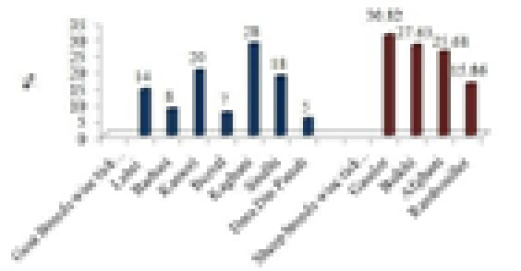
- Sheep breeds wise tick high infestation was recorded in Gauder (30.83%) followed by Balkhi (27.63%), Afghani (25.68%) and Rambouillet (15.86%) (Fig. 1).
- In goats the most prevalent tick was R. microplus and in sheep H. marginatum observed.
- Breed wise the high infestation rate recorded in Kaghani goats and least observed in Dera Din Panah.
- Gender wise both in goats and in sheep female were more infested.
Selected from the article's own text.
Abstract
Introduction
Ticks are notorious haematophagous arthropods that feed on the blood of many animals, including human being . Ticks act is a vector of animals and human pathogens and cause a huge health and economic problem in sub-tropical and tropical regions (De la Fuente et al., 2017). Annually loss due to ticks and ticks born diseases estimated US $ 13.9 to 18.7 billion (De la Fuente et al., 2017). Various tick’s species infest livestock and cause anemia, paralysis, dermatitis, and sweating sickness (van Nunen, 2015).
Ticks infestation significantly reduces milk and meatproduction (van Nunen, 2015). Ticks transmit several infectious agents affecting livestock and human beings such as tick borne encephalitis virus, Crimean-Congo hemorrhagic fever virus, Rickettsia spp., Anaplasma spp., Ehrlichia spp., Borrelia spp., Theileria spp. and Babesia spp. ; ; . According to recent studies ticks fauna comprised of 939 species segregated into three families Ixodidae (727 species), Nuttalliellidae (1 species) and Argasidae (211 species) worldwide. Neotropical region approximately contain one fourth of these ticks species ; ; ; ; ; . In tropical regions the most significant hard ticks which parasitize livestock belong to genera Hyalomma, Amblyomma and Rhipicephalus .
Almost 10% of the ticks (both hard and soft) acts as a vector for pathogens affecting about 80% of the cattle population across the globe generally while R. microplus specifically poses economic losses of approximately 22-30 billion US$ annually to the livestock industry worldwide ; ; ; . In Pakistan mostly the rural areas people depend on livestock as a main source of food and income because 70.0% population lives in rural areas . Pakistan has the third largest goats and sheep population in Asia among all livestock rearing countries . Which comprises about 34 breeds of goats (78.2 million) and 28 breeds of sheep (31.2 million), respectively .
In Pakistan majority of the small ruminant population is present in Punjab (32.6%) followed by Baluchistan province (30.6%), Sindh (20.6%) and Khyber Pakhtunkhwa (16.1%) according. Goats and sheep are well adapted to extreme ecological climatic condition . Like other parasites ticks also depend for their life cycle and survival on host life style and availability and favorable environmental condition such humidity and temperature and vegetation coverage ; . Climatic change has a great impact on the diversity, shape and distribution of ticks and ticks borne pathogen transmission ; .
The recent growing appreciation and the socioeconomic value of goats and sheep in poverty alleviation, food security attract more attention worldwide to understand ticks and TTBD in goats and sheep . Numerous studies have been conducted on ticks in different regions of Pakistan but the northern part of the Pakistan is largely unknown. Hence, we report epidemiology and tick infested small ruminants (goats and sheep) breeds in Hazara division Khyber Pakhtunkhwa, Pakistan.
Materials and Methods
Study area
Hazara division was selected as a study area. Hazara is one of the seven division of Khyber Pakhtunkhwa situated between 33°44’ to 35°35’ north latitude and between 72°-33’ to 74°-05’ east longitude. Hazara division consist of eight districts including, Battagram, Abbottabad, Mansehra, Haripur, Upper Kohistan, Lower Kohistan, Kolai Palas and Torghar with a total area of 18,013 km². Hazara is bounded on the North and East by the Northern Areas and Azad Kashmir. To the South are the Islamabad Capital Territory and the province of Punjab, while to the West lies the rest of Khyber Pakhtunkhwa. The river Indus runs through the division in a North-South line, forming much of the western border of the division.
Ticks sample collection
Ticks were collected very carefully from different animal’s body parts like head, neck, ears, tail, udder, belly, legs by using sticky tape method and with the help of comb and forceps. The collected ticks were washed and preserved in 70% ethanol in tagged bottles for identification.
Morphological identification of ticks
The collected tick samples were identified morphologically under optika microscope by using special taxonomic keys . A total of 3786 ticks specimens collected from 420 goats of Hazara division. Four tick species were identified from goats Rhipicephalus microplus, Rhipicephalus haemaphysaloides, Haemaphysalis bispinosa and Hyalomma rufipes. A total 2683 ticks specimen was collected from 420 sheep. Three ticks species identified from sheep Rhipicephalus microplus, Hyalomma excavatum, Hyalomma marginatum (Supplementary Figs. 1 and 2).
Goat and sheep breeds identification
Goat breeds were identified on the basis of phenotypic morphological character in Jaba Research Center Mansehra and also in DVM College Abdul Wali Khan University Mardan. Seven goat breeds were confirmed include Lehri Goat, Barbari Goat, Kamori goat, Beetal goat, Kaghani goat, Sindhi goat, Dera Din Panah goat. Four sheep breeds were identified from Hazara Division Gauder, Balkhi, Afghani and Rambouillet breed.
DNA extraction from ticks
A total of 240 morphologically identified ticks R.microplus and R. haemaphysaloides were selected for genomic DNA extraction. Tick samples were pooled separately into two groups. Ticks were cleaned with phosphate buffer saline (PBS) and distilled water, dried and cut into small pieces with sterile scissors and forceps and homogenized in Eppendorf tubes with sterile pestle. Genomic DNA was extracted through phenol chloroform method according to standard DNA extraction protocol . The isolated DNA was electrophoresed on 0.8% agarose gel to check its integrity.
PCR amplification of 16SrRNA and ITS2 genes
Good quality DNA was subjected to PCR amplification using primers 16SrRNA-F1(‘5-AATTGCTGTAGTATTTTGAC-3’) and 16SrRNA-R1 (‘5-TCTGAACTCAGATCAAGTAG-3’) and ITS2-F1 (‘5-CGGATCACATATCAAGAGAG-3’) and ITS2-R1 (‘5-CCCAACTGGAGTGGCCCAGTTT-3’) . A total of 25µl reaction was prepared containing 3µl deionized water, 2 µl primer sets; 5µl template DNA and 15µl master mix. PCR amplification was performed after separate optimization of thermo-cycling condition for ITS2 and 16SrRNA genes where initial denaturation was carried out at 95ºC for 5 min, 30 cycles of denaturation for 30s at 95ºC, annealing at 55ºC for 16SrRNA and 57ºC for ITS2 for 30s, an extension 72ºC for 60s and final extension for 10 min at 72ºC. For amplification validation a negative control (distilled water) sample run in each reaction. After that the amplified DNA was confirmed in 3% ethidium bromide-stained agarose gel with DL2, 000 DNA markers (Cat#3427A). The results were confirmed and visualized using the Gel Doc Imaging system.
DNA purification and sequencing
PCR amplified product was purified using the Gene clean kit (Qbiogene, Inc.) following standard manufacturer’s protocol. The final sequence data were analyzed and compared by BioEdit V. 7.0.5 and NCBI BLAST. The most closely related species sequences data of R. microplus and R. haemaphysaloides available in Gene bank were downloaded and saved for analysis to construct phylogenetic tree.
Results
The most prevalent tick species in goats was R. microplus 32.09% recorded which is followed by H. rufipes 31.64%, R. haemaphysaloides 19.7% and H. bispinosa 16.56 %, respectually. Breed wise the high infestation rate recorded in Kaghani goats 28% followed by Kamori goats 20%, 18% Sindhi goats, 14% Lehri goats, 8% Barbari goats, 7% beetal goat and 5% Dera Din Panah respectually. Gender wise the high infestation was observed in nannies (female goat) 75.25 %, bucks (male goat) 15.37 % and least recorded in kids 9.37%. In sheep the most prevalent tick H. marginatum (38.02%) was recorded followed by H. excavatum (32.65%) and R. microplus (29.32%). Sheep breeds wise tick high infestation was recorded in Gauder (30.83%) followed by Balkhi (27.63%), Afghani (25.68%) and Rambouillet (15.86%) (Fig. 1). Gender wise ewes (female sheep) 53.43% rams (male sheep) 35.17% and lamb 11.39% percent infested.
Epidemiological study
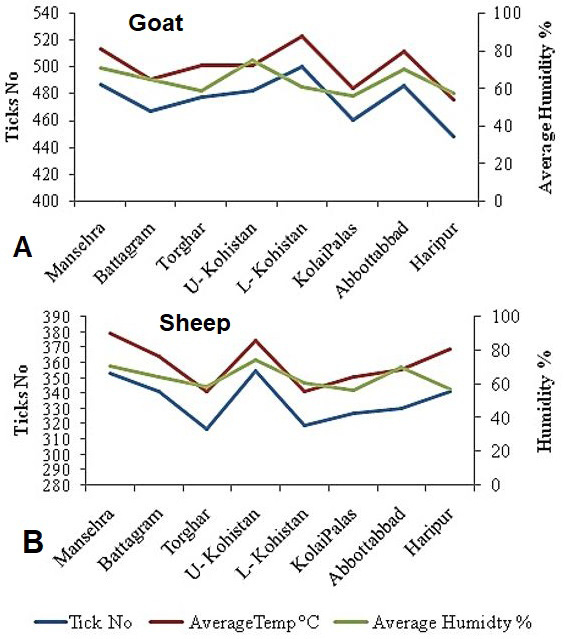
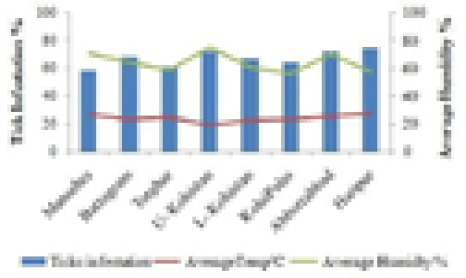
One year epidemiological data was collected from December to November monthly in eight districts. The effect of temperature and humidity on tick infestation observed (Temperature and humidity data was validated through Regional Meteorological Center (RMC) Peshawar. Tick number and tick infestation rate in both goats and sheep shows direct correlation with temperature in all districts as temperature increases the ticks number also increased. While humidity effects fluctuated. Ticks infestation capability also increased with temperature (Figs. 2, 3).
Phylogenetic analysis
The high-quality trimmed sequence data was aligned by MUSCLE in MEGA X software. Bootstrapping at 1000 replications ; . Pair wise genetic distance between both the species based on ITS2 was computed using MEGA X software. Results revealed that the lowest pairwise genetic distance observed was 0.00609 and the highest was 0.52741. The average pairwise genetic distance was recorded 0.47407 and the overall mean distance was observed equals to 0.70. Diversity in entire population was found (0.47) while inter-population diversity was to be equals to (0.10) and the coefficient of differentiation recorded was 0.14 (Table I). Similarly, the highest intra-population pairwise distance recorded in R. haemaphysaloides was 0.49157 and the lowest being 0.00281. The average intra-population pairwise distance was found 0.36311 and the overall mean distance observed was 0.36. Mean diversity recorded in entire population was 0.49 and coefficient of differentiation was found -0.17 (Table III). The highest pairwise intra-population genetic distance based on 16SrRNA marker recoded in R. microplus was 0.54795. The average pair wise distance observed was equal to 0.394324 and the overall mean distance was 0.39. Mean diversity in entire R. microplus population was 0.53 and the coefficient of differentiation recorded was 0.06 % (Table II).
Table I. Pairwise distance of 5 R. microplus and 3 R. haemaphysaloides based on ITS2.
| R. microplus 01 | _ |
|
|
|
|
|
|
| R. microplus 02 | 0.51157 | _ | |||||
| R. microplus 03 | 0.26188 | 0.51766 | _ | ||||
| R. microplus 04 | 0.48965 | 0.47747 | 0.48599 | _ | |||
| R. microplus 05 | 0.48599 | 0.49574 | 0.50670 | 0.49574 | _ | ||
| R. haemaphysaloide 01 | 0.50792 | 0.50792 | 0.50183 | 0.50305 | 0.50914 | _ | |
| R. haemaphysaloide 02 | 0.49939 | 0.52375 | 0.50305 | 0.48721 | 0.50305 | 0.48843 | _ |
| R. haemaphysaloide 03 | 0.49817 | 0.52741 | 0.49939 | 0.48599 | 0.50426 | 0.48965 | 0.00609 |
Table II. Pairwise distance of Rhipicephalus microplus of Hazara KP, Pakistan based on 16SrDNA.
| R_microplus_01 | _ |
|
|
|
|
|
|
| R_microplus_02 | 0.48493 | _ | |||||
| R_microplus_03 | 0.00000 | 0.48493 | _ | ||||
| R_microplus_04 | 0.49315 | 0.40274 | 0.49315 | _ | |||
| R_microplus_05 | 0.40000 | 0.40274 | 0.40000 | 0.48767 | _ | ||
| R_microplus_06 | 0.00000 | 0.48493 | 0.00000 | 0.49315 | 0.40000 | _ | |
| R_microplus_07 | 0.49041 | 0.54795 | 0.49041 | 0.51233 | 0.49589 | 0.49041 | _ |
| R_microplus_08 | 0.40000 | 0.40274 | 0.40000 | 0.48767 | 0.00000 | 0.40000 | 0.49589 |
Table III. Pairwise distance of Rhipicephalus haemaphysaloides of Hazara KP, Pakistan based on 16SrRNA.
| R_haemaphysaloides_01 | _ |
|
|
|
|
| R_haemaphysaloides_02 | 0.48315 | _ | |||
| R_haemaphysaloides_03 | 0.48596 | 0.00281 | _ | ||
| R_haemaphysaloides_04 | 0.00843 | 0.49157 | 0.48876 | _ | |
| R_haemaphysaloides_05 | 0.44101 | 0.43539 | 0.43258 | 0.43258 | _ |
| R_haemaphysaloides_06 | 0.43820 | 0.42697 | 0.42978 | 0.44101 | 0.00843 |
Phylogenetic analysis of R. microplus and R. haemaphysaloides based on ITS2 marker
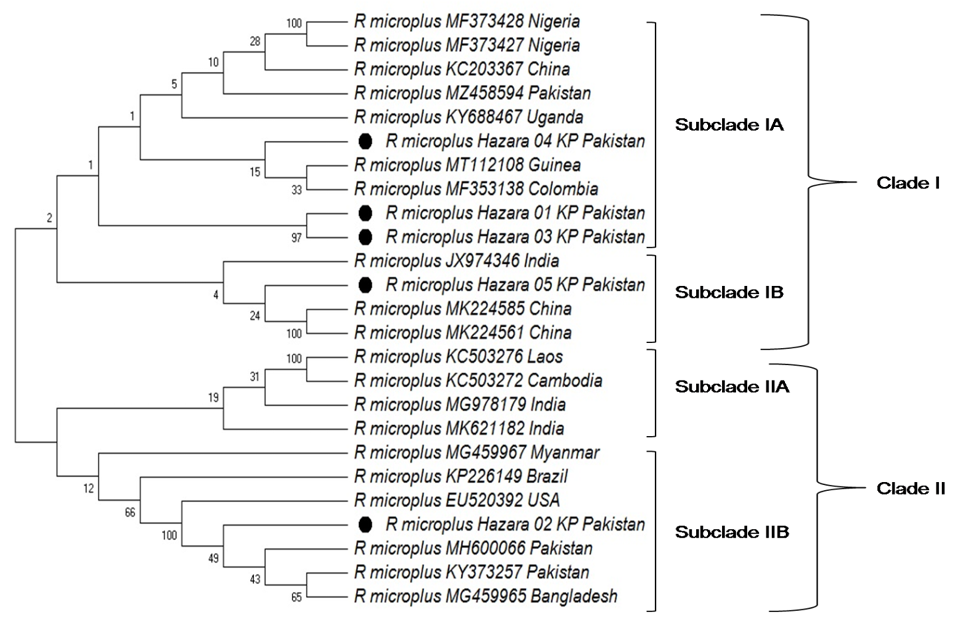
The Neighbor-Joining tree was constructed which is contained twenty-five sequences. In these sequences five of the current study and twenty sequences from NCBI Genbank were included, which was clustered in 2 clades (Clade I and II). Four sequences of the current study clustered in Clade I. R. microplus sequence (01 and 03) grouped separately in clade I, while sequence 05 showed 24% similarities with China R. microplus and 4% with India R. microplus. Furthermore R. mcroplus sequence 04 grouped the R. microplus of the Guinea and Colombia with 15% homology. In our study R. microplus 02, showed 43% similarity with Pakistani and Bangladesh R. microplus, which is already reported previously (Fig. 4). The phylogenetic Neighbor-Joining tree was separately constructed for R. haemaphysaloides contained thirteen sequences retrieved from Genbank and three sequences of the current study. Our all sequences grouped in clade I. R.haemaphysaloide 01 grouped with China R. microplus with 56% similarity and two grouped with China R. haemaphysaloide with 51% homology (Fig. 5).
Phylogenetic analysis of the R. microplus and R. haemaphysaloides based on 16SrRNA marker
Neighbor-Joining phylogenetic tree was constructed for R. microplus which consist on twenty three sequences which is grouped in two clade I and II. Current study eight sequences grouped in Clade II with already reported Pakistani and Indian R. microplus with 48% of similarity and 95% with R. microplus of the China (Fig. 6). Neighbor-Joining phylogenetic tree was also constructed for R. haemaphysaloide based on 16SrRNA. Tree comprises twenty-two sequences including six sequences of the current study in two clades I and II. R. haemaphysaloide sequence (03) grouped with R. haemaphysaloide of the Thailand and China with 94 percent similarity in subclade IA. While two sequences grouped with already reported Pakistani R. haemaphysaloide in subclade IIA with 96% of similarity. While the remaing three sequence clustred in subclade IIB with Indian R. haemaphysaloides with 67% of similarity (Fig. 7).
Discussion
Gender wise female were more infested than male in both goats and sheep the current study validate the finding of . They also documented that female were more infested then male this might be because female goats remain in moist and humid conditions due to frequent milking that’s why more susceptible to ticks infestation. Secondary due to gestation periods female spent more time in one place so more accessible for tick attachment as compared to male also documented the most common hard ticks which infesting small ruminants in Punjab province of Pakistan includes; R. microplus, H. anatolicum, H. dromedarii and R. turanicus. In current study we report four tick species identified from goats R. microplus, R. haemaphysaloides, H. bispinosa and H. rufipes. Three tick’s species were identified from sheep R. microplus, H. excavatum, H. marginatum
which is not in line with their finding because in northern area of Pakistan especially in Hazara region the tick fauna shows variation in ticks species. Increased ticks abundance has been observed with increasing temperature in the hot months of the year. Our findings are similar to Ali et al. (2019). They reported the highest tick’s number in warm period. Because as the temperature increases the tick reproductive and searching capability also increases Shahid et al. (2022) documented the infested goats breeds; Khurasani goat (15.15%) which showed higher infestation as compared to Lehri goat (11.85%) and Sindhi goats (10.00%). In our study we reported seven goats breeds, high infestation rate was recorded in Kaghani goats (28%) followed by Kamori goats (20%), Sindhi goats (18%), Lehri goats (14%), Barbari goats (8%), Beetal goat (7%) and Dera Din Panah (5%), which is not validated by the finding of Shahid et al. (2022) because Kaghani goats has a long and dense hair coat which provide a protective cover to tick from harsh climatic condition. While Dera Din Panah has less dense hair coat and it might be due to strong immune system. Furthermore Shahid et al. (2022) reported the highest tick infestation in sheep breeds Bibrik sheep (13.60%), followed in order by Balochi sheep (12.50%), Afghani sheep (12.50%) and Harnai sheep (10%). In our present study sheep breeds wise tick high infestation was recorded in Gauder (30.83%) followed by Balkhi (27.63%), Afghani (25.68%) and Rambouillet (15.86%). Gender wise ewes 53.43% rams 35.17% and lamb 11.39% percent infested which is not similar with the one reported by Shahid et al. (2022) finding. In current study the highest infestation recorded in Gauder breed which might be due to the humid and poor hygienic condition.
Molecular characterization plays a significant role in ticks identification and for phylogenetic analysis based on the molecular markers such is 16SrRNA, ITS2 and COX1 have been used in several studies for the molecular characterization and for phylogenetic analysis of hard ticks especially R. microplus ; ; ; . ITS2 gene possess a highly conserved region therefore, ITS2 better explains interspecific relationship among different species instead of closely related species our finding validates the reported finding of Burger et al. (2014), and Ali et al. (2019) where the authors suggested the less discrimination capacity of ITS2 for closely related species. According to our finding based on ITS2 marker current study R. microplus form cluster and showed similarity with neighbor countries like China, India, and Bangladesh and with already reported Pakistani R. microplus this might be due to livestock trading among these countries. The current study also showed close similarity of R. haemaphysaloides with China R. haemaphysaloides and R. microplus. Our results also validate the finding of . On the bases of 16SrRNA partial sequence our finding revealed that eight sequences of the R. microplus form cluster with R. microplus of China, India and already reported Pakistani sequence with 51- 95% of similarity. The current study R. haemaphysaloides based on 16SrRNA shows similarity with Indian, China, Thailand and already reported R. haemaphysaloides sequences. The current study findings also validates the finding as reported by ; ; . Damian et al. (2020) reported the overall mean distance in genus Rhipicephalus (0.04 ± 0.01) and nucleotides minimum pair wise distance (0.003) and maximum (0.099) in 16SrRNA sequences. According to current study’s findings, the overall mean distance (0.39) and overall pair wise distance (0.3943) and highest pair wise distance (0.5479) and mean diversity in entire population (0.53) were recorded first time in KP Hazara region not coinciding with (Damian et at., 2020) findings which ensures the genetic diversity in ticks of different localities. The average pair wise distance (0.47407) and the overall mean distance (0.70) was observed in the ITS2 sequences of the Ripicephalus genus infesting goats first time in Hazara region. Diversity in entire population (0.47) also recorded in the current study. Reported finding of the suggested the average pair wise distance in ITS2 sequence of the R. microplus (0-0.017) and (0-0.009) was reported in R. sanguineus in China which is not in line with our findings indicating the genetic diversity among species of the different areas.
Conclusion
This is the first attempt to explore the small ruminant’s breeds, tick species diversity, molecular analysis and epidemiology in Hazara Division Khyber Pakhtunkhwa Pakistan. In goats the most prevalent tick was R. microplus and in sheep H. marginatum observed. Breed wise the high infestation rate recorded in Kaghani goats and least observed in Dera Din Panah. In sheep high infestation recorded in Gauder and less in Rambouillet breeds. Gender wise both in goats and in sheep female were more infested. On the basis of genetic investigation the tick’s fauna of this area shows homology with India, China, Bangladesh and also with other areas of Pakistan. Moreover, it could be inferred from the epidemiology data that ticks infestation rate increases with increasing temperature and humidity. The mention area was unexplored so this study will be useful in the ticks and tick-borne diseases control strategies.
Acknowledgments
Authors are grateful to the HEC funded project (4722) to Abdul Wali Khan University Mardan. We also tgrateful to the Regional Meteorological Center (RMC) Peshawar who provided meteorological data for data validation. We especially thank of the Jaba Research Center Mansehra and DVM College Abdul Wali Khan University for helping in Animal breeds identification process.
Data analysis
Data was analyzed by MS Office 2016, Graphpad prism 5 and SPSS 2016 and MEGA X software.
Availability of data and materials
Data of this article is available for any sort of publicity after publication.
Ethics approval consent to participate
The ethical approval was taken from Hazara University Mansehra to conduct the proposed research in Hazara Division.
Declaration of funding
This research did not receive any specific funding.
Supplementary material
There is supplementary material associated with this article. Access the material online at: https://dx.doi.org/10.17582/journal.pjz/20220420220455
Statement of conflict of interest
The authors have declared no conflict of interest
Figures
Goats and sheep breeds wise ticks infestation.
Ticks number on goats (A) and sheep (B) in correlation with temperature and humidity.
Infestation of ticks on goats and sheep in correlation with temperature and humidity.
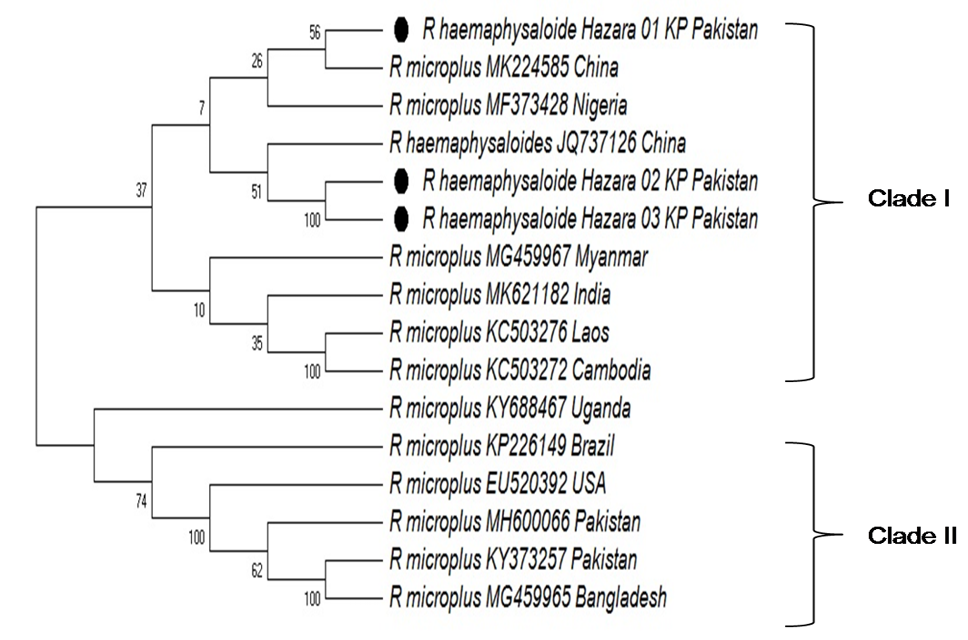
Phylogenetic relationship of R. haemaphysaloides of Hazara division KP, Pakistan with other ticks sequence based on ITS2 sequences. Phylogenetic tree was constructed by using the Neighbor-Joining method with bootstrap consensus 1000 replicates the evolutionary distance were computed using the Maximum composite likelihood method. Bootstrap consensus values are shown below the branches. The tree was generated by using MEGA X software.
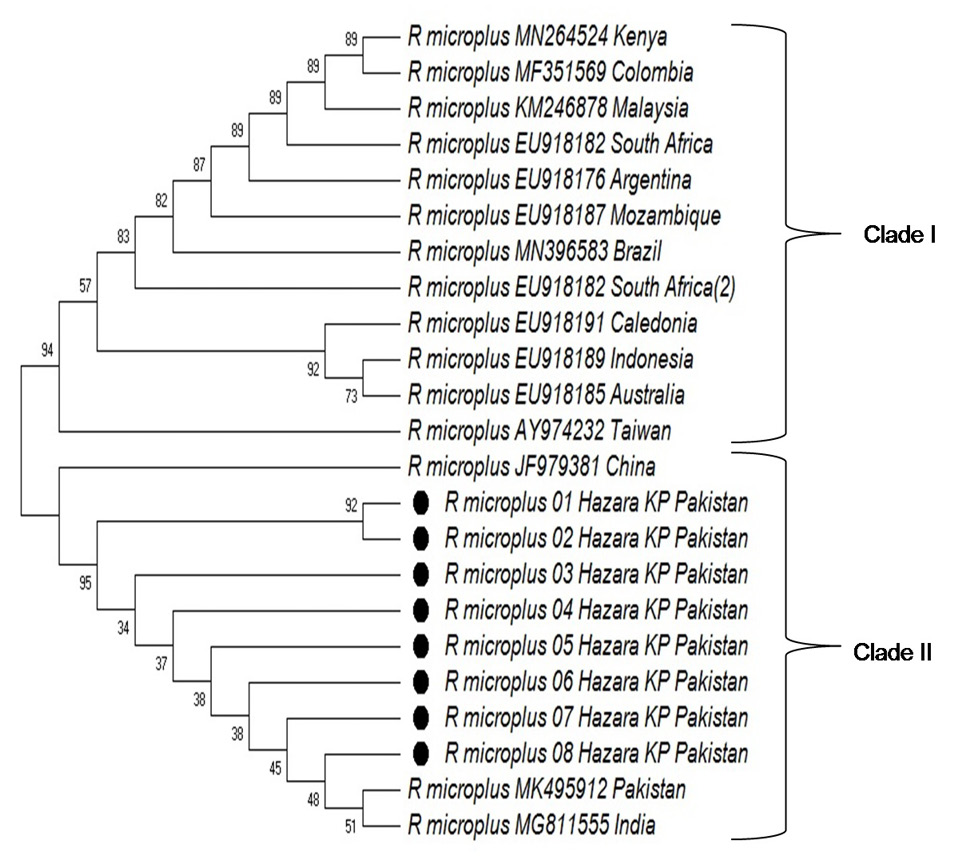
Phylogenetic relationship of R. microplus of Hazara division KP, Pakistan with other ticks sequence based on 16SrRNA sequences. Phylogenetic tree was constructed by using the Neighbor-Joining method with bootstrap consensus 1000 replicates the evolutionary distance were computed using the Maximum composite likelihood method. Bootstrap consensus values are shown below the branches. The tree was generated by using MEGA X software.
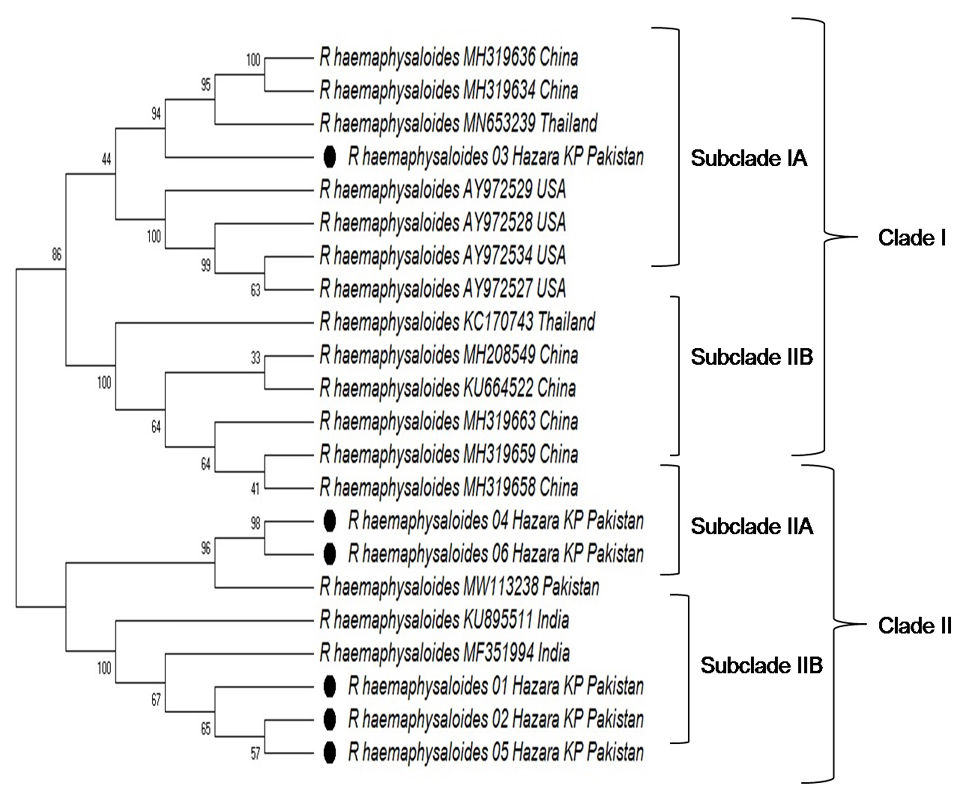
Phylogenetic relationship of R. haemaphysaloides of Hazara division KP, Pakistan with other ticks sequence based on 16SrRNA sequences. Phylogenetic tree was constructed by using the Neighbor-Joining method with bootstrap consensus 1000 replicates the evolutionary distance were computed using the Maximum composite likelihood method. Bootstrap consensus values are shown below the branches. The tree was generated by using MEGA X software.
References
- Ahmed, J.S., Luo, J., Schnittger, L., Seitzer, U., Jongejan, F. and Yin, H., 2006. Phylogenetic position of small-ruminant infecting piroplasms. Annls N. Y. Acad. Sci., 1081: 498-504. https://doi.org/10.1196/annals.1373.074[CrossRef]
- Ali, A., Khan, M.A., Zahid, H., Yaseen, P.M., Khan, M. Q., Nawab, J. Ur Rehman, Z., Ateeq, M., Khan, S. and Ibrahim, M., 2019. Seasonal dynamics, record of ticks infesting humans, wild and domestic animals and molecular phylogeny of Rhipicephalus microplus in Khyber Pakhtunkhwa Pakistan. Front. Physiol., 10: 793. https://doi.org/10.3389/fphys.2019.00793[CrossRef]
- Apanaskevich, D.A. and Bermúdez, S.E., 2017. Description of a new species of Ixodes Latreille, 1795 (Acari: Ixodidae) and redescription of I. lasallei Méndez and Ortiz, 1958, parasites of agoutis and pacas (Rodentia: Dasyproctidae, Cuniculidae) in Central and South America. Syst.Parasitol., 94: 463-475. https://doi.org/10.1007/s11230-017-9718-4[CrossRef]
- Ash, A., Elliot, A., Godfrey, S., Burmej, H., Abdad, M.Y., Northover, A. and Thompson, R.C., 2017. Morphological and molecular description of Ixodes woyliei n. sp. (Ixodidae) with consideration for co-extinction with its critically endangered marsupial host. Parasit. Vectors, 10: 1-16. https://doi.org/10.1186/s13071-017-1997-8[CrossRef]
- Brahma, R.K., Dixit, V., Sangwan, A.K. and Doley, R., 2014. Identification and characterization of Rhipicephalus (Boophilus) microplus and Haemaphysalis bispinosa ticks (Acari: Ixodidae) of North East India by ITS2 and 16S rDNA sequences and morphological analysis. Exp. appl. Acarol., 62: 253-265. https://doi.org/10.1007/s10493-013-9732-4[CrossRef]
- Burger, T.D., Shao, R. and Barker, S.C., 2014. Phylogenetic analysis of mitochondrial genome sequences indicates that the cattle tick, Rhipicephalus (Boophilus) microplus, contains a cryptic species. Mol. Phylogenet. Evol., 76: 241-253. https://doi.org/10.1016/j.ympev.2014.03.017[CrossRef]
- Chitimia-Dobler, L., De Araujo, B.C., Ruthensteiner, B., Pfeffer, T. and Dunlop, J.A., 2017. Amblyomma birmitum a new species of hard tick in Burmese amber. Parasitology, 144: 1441-1448. https://doi.org/10.1017/S0031182017000853[CrossRef]
- Coimbra-Dores, M.J., Maia-Silva, M., Marques, W., Oliveira, A.C., Rosa, F. and Dias, D., 2018. Phylogenetic insights on Mediterranean and afrotropical Rhipicephalus species (Acari: Ixodida) based on mitochondrial DNA. Exp. appl. Acarol., 75: 107-128. https://doi.org/10.1007/s10493-018-0254-y[CrossRef]
- Csordas, B.G., Garcia, M.V., Cunha, R.C., Giachetto, P.F., Blecha, I.M.Z. and Andreotti, R., 2016. New insights from molecular characterization of the tick Rhipicephalus (Boophilus) microplus in Brazil. Rev. Bras. Parasitol. Vel. J., 25: 317-326. https://doi.org/10.1590/S1984-29612016053[CrossRef]
- Damian, D., Damas, M., Wensman, J.J. and Berg, M., 2020. Phylogeny and genetic relationship between hard ticks (Ixodidae) infesting cattle collected from selected areas of a wildlife-livestock interface ecosystem of Mikumi National Park, Tanzania. https://doi.org/10.21203/rs.3.rs-30796/v1[CrossRef]
- Dantas-Torres, F., 2015. Climate change, biodiversity, ticks and tick-borne diseases: The butterfly effect. Int. J. Parasitol., 4: 452-461. https://doi.org/10.1016/j.ijppaw.2015.07.001[CrossRef]
- De la Fuente, J., Antunes, S., Bonnet, S., Cabezas-Cruz, A., Domingos, A.G., Estrada-Peña, A., Johnson, N., Kocan, K.M., Mansfield, K.L., Nijhof, A.M. and Papa, A., 2017. Tick pathogen interactions and vector competence: Identification of molecular drivers for tick-borne diseases. Front. Cell. Infect. Microbiol., 7: 114. https://doi.org/10.3389/fcimb.2017.00114[CrossRef]
- Devendra, C., 2005. Small ruminants in Asia, Contribution to food security, poverty alleviation and opportunities for productivity enhancement. In: Proceeding of international workshop on small ruminant production and development in South East Asia. Mekarn, Nong Lam, HCMC, Vietnam. pp. 19-32.
- Estrada-Peña, A., 2008. Climate, niche, ticks, and models: what they are and how we should interpret them. Parasitol. Res., 103: 87-95. https://doi.org/10.1007/s00436-008-1056-7[CrossRef]
- Fan, H. and Gulley, M.L., 2001. DNA extraction from fresh or frozen tissues. In: Mol. Protocols Humana Press. pp. 5-10. https://doi.org/10.1385/1-59259-081-0:5[CrossRef]
- Felsenstein, J., 1985. Confidence limits on phylogenies: An approach using the bootstrap. Evolution, 39: 783-791. https://doi.org/10.1111/j.1558-5646.1985.tb00420.x[CrossRef]
- Ghafar, A., Abbas, T., Rehman, A., Sandhu, Z.U.D., Cabezas-Cruz, A. and Jabbar, A., 2020. Systematic review of ticks and tick-borne pathogens of small ruminants in Pakistan. Pathogens, 9: 937. https://doi.org/10.3390/pathogens9110937[CrossRef]
- Gondard, M., Cabezas-Cruz, A., Charles, R.A., Vayssier-Taussat, M., Albina, E. and Moutailler, S., 2017. Ticks and tick-borne pathogens of the Caribbean: Current understanding and future directions for more comprehensive surveillance. Front. Cell. Infect. Microbiol., 7: 490. https://doi.org/10.3389/fcimb.2017.00490[CrossRef]
- Hassan, M.I., Gabr, H.S., Abdel-Shafy, S., Hammad, K.M. and Mokhtar, M.M., 2017. Prevalence of tick-vectors of Theileria annulata infesting the one-humped camels in Giza, Egypt. J. Egypt. Soc. Parasitol., 47: 425-432. https://doi.org/10.21608/jesp.2017.77797[CrossRef]
- Hornok, S., Görföl, T., Estók, P., Tu, V.T. and Kontschán, J., 2016. Description of a new tick species, Ixodes collaris n. sp. (Acari: Ixodidae), from bats (Chiroptera: Hipposideridae, Rhinolophidae) in Vietnam. Parasit. Vectors, 9: 1-7. https://doi.org/10.1186/s13071-016-1608-0[CrossRef]
- Jabbar, A., Abbas, T., Sandhu, Z.U.D., Saddiqi, H.A., Qamar, M.F. and Gasser, R.B., 2015. Tick-borne diseases of bovines in Pakistan: major scope for future research and improved control. Parasit. Vectors, 8: 1-13. https://doi.org/10.1186/s13071-015-0894-2[CrossRef]
- Khan, M.S., Khan, M.A. and Mahmood, A.S., 2007. Continuing education article genetic resources and diversity in Pakistani sheep. Int. J. Agric. Biol., 6: 941-944.
- Labruna, M.B., McBride, J.W., Bouyer, D.H., Camargo, L.M.A., Camargo, E.P. and Walker, D.H., 2004. Molecular evidence for a spotted fever group Rickettsia species in the tick Amblyomma longirostre in Brazil. J. med. Ent., 41: 533-537. https://doi.org/10.1603/0022-2585-41.3.533[CrossRef]
- Labruna, M.B., Nava, S., Marcili, A., Barbieri, A.R., Nunes, P.H., Horta, M.C. and Venzal, J.M., 2016. A new argasid tick species (Acari: Argasidae) associated with the rock cavy, Kerodon rupestris Wied-Neuwied (Rodentia: Caviidae), in a semiarid region of Brazil. Parasit. Vectors, 9: 1-15. https://doi.org/10.1186/s13071-016-1796-7[CrossRef]
- Léger, E., Vourc’h, G., Vial, L., Chevillon, C. and McCoy, K.D., 2013. Changing distributions of ticks: Causes and consequences. Exp. appl. Acarol., 59: 219-244. https://doi.org/10.1007/s10493-012-9615-0[CrossRef]
- Low, V.L., Tay, S.T., Kho, K.L., Koh, F.X., Tan, T.K., Lim, Y.A.L., Ong, B.L., Panchadcharam, C., Norma-Rashid, Y. and Sofian-Azirun, M., 2015. Molecular characterisation of the tick Rhipicephalus microplus in Malaysia: New insights into the cryptic diversity and distinct genetic assemblages throughout the world. Parasit. Vectors, 8: 1-10. https://doi.org/10.1186/s13071-015-0956-5[CrossRef]
- Lu, X., Lin, X.D., Wang, J.B., Qin, X.C., Tian, J.H., Guo, W.P., Fan, F.N., Shao, R., Xu, J. and Zhang, Y.Z., 2013. Molecular survey of hard ticks in endemic areas of tick-borne diseases in China. Ticks Tick Borne Dis., 4: 288-296. https://doi.org/10.1016/j.ttbdis.2013.01.003[CrossRef]
- Lv, J., Wu, S., Zhang, Y., Zhang, T., Feng, C., Jia, G. and Lin, X., 2014. Development of a DNA barcoding system for the Ixodida (Acari: Ixodida). Mitochond. DNA, 25: 142-149. https://doi.org/10.3109/19401736.2013.792052[CrossRef]
- Manan, A. and Zabita-Khan, B.A., 2007. Prevalence and identification of ixodid tick genera in frontier region Peshawar. J. Agric. biol. Sci., 2: 21-25.
- Mossaad, E., Gaithuma, A., Mohamed, Y.O., Suganuma, K., Umemiya-Shirafuji, R., Ohari, Y., Salim, B., Liu, M. and Xuan, X., 2021. Molecular characterization of ticks and tick-borne pathogens in cattle from Khartoum State and East Darfur State, Sudan. Pathogens, 10: 580. https://doi.org/10.3390/pathogens10050580[CrossRef]
- Nasreen, N., Niaz, S., Khan, A., Ayaz, S., Rashid, M., Khattak, I., Yu, Z., Wang, T., Al Sarraf, M. and Ali, A., 2020. Molecular characterization of ticks infesting livestock in Khyber Pakhtunkhwa Province, Pakistan. Int. J. Acarol., 46: 165-170. https://doi.org/10.1080/01647954.2020.1734082[CrossRef]
- Nava, S., Venzal, J.M., Acuña, D.G., Martins, T.F. and Guglielmone, A.A., 2017. Ticks of the southern cone of America: Diagnosis, distribution, and hosts with taxonomy, ecology and sanitary importance. Academic Press.
- Parola, P. and Raoult, D., 2001. Ticks and tickborne bacterial diseases in humans: An emerging infectious threat. Clin. Infect. Dis, 32: 897-928. https://doi.org/10.1086/319347[CrossRef]
- Rehman, A., Nijhof, A.M., Sauter-Louis, C., Schauer, B., Staubach, C. and Conraths, F.J., 2017. Distribution of ticks infesting ruminants and risk factors associated with high tick prevalence in livestock farms in the semi-arid and arid agro-ecological zones of Pakistan. Parasit. Vectors, 10: 1-15. https://doi.org/10.1186/s13071-017-2138-0[CrossRef]
- Rodríguez-Vivas, R.I., Grisi, L., León, A.A.P., Villela, H.S., Torres-Acosta, J.F.J., Sánchez, H.F., Salas, D.R., Cruz, R.R., Saldierna, F. and Carrasco, D.G, 2017. Potential economic impact assessment for cattle parasites in Mexico. Review, 8: 61-74. https://doi.org/10.22319/rmcp.v8i1.4305[CrossRef]
- Rooman, M., Assad, Y., Tabassum, S., Sultan, S., Ayaz, S., Khan, M.F., Khan, S.N. and Ali, R., 2021. A cross-sectional survey of hard ticks and molecular characterization of Rhipicephalus microplus parasitizing domestic animals of Khyber Pakhtunkhwa, Pakistan. PLoS One, 16: e0255138. https://doi.org/10.1371/journal.pone.0255138[CrossRef]
- Schorderet-Weber, S., Noack, S., Selzer, P.M. and Kaminsky, R., 2017. Blocking transmission of vector-borne diseases. Int. J. Parasitol., 7: 90-109. https://doi.org/10.1016/j.ijpddr.2017.01.004[CrossRef]
- Shahid, S., Razzaq, A., Makai, G., Shamim, A., Rizwan, H.M., Nisar, R.H.A., Akram, Q. and Nawaz, M., 2022. Prevalence and association of hard ticks (ixodidae) with various breeds of sheep and goats, 10: 10-15. https://doi.org/10.17582/journal.jahp/2022/10.1.10.15[Full text][CrossRef]
- Tamura, K., Nei, M. and Kumar, S., 2004. Prospects for inferring very large phylogenies by using the neighbor-joining method. Proc. natl. Acad. Sci., 101: 11030-11035. https://doi.org/10.1073/pnas.0404206101[CrossRef]
- Van-Nunen, S., 2015. Tick induced allergies: Mammalian meat allergy, tick anaphylaxis and their significance. Asia Pac. Allergy, 5: 3-16. https://doi.org/10.5415/apallergy.2015.5.1.3[CrossRef]
- Walker, A.R., Bouattour, A., Camicas, J.-L., Estrada-Pena, A., Horak, I., Latif, A.A., Pegram, R.G. and Preston, P.M., 2003. Ticks of domestic animals in Africa: A guide to identification of species. Bioscience Reports, Edinburgh. ISBN: 0-9545173-0-X
Supplementary material
Services
Article usage statistics
Loading…