Ahmed Abdelbaset Ismail
Department of Surgery, Anesthesiology and Radiology, Faculty of Veterinary Medicine, Zagazig University, Zagazig, Sharkia, Egypt.
*Correspondence | Ahmed Abdelbaset Ismail, Faculty of Veterinary Medicine, Zagazig University, Zagazig, Sharkia, Egypt; Email: a4ismail@yahoo.co.uk
Abstract
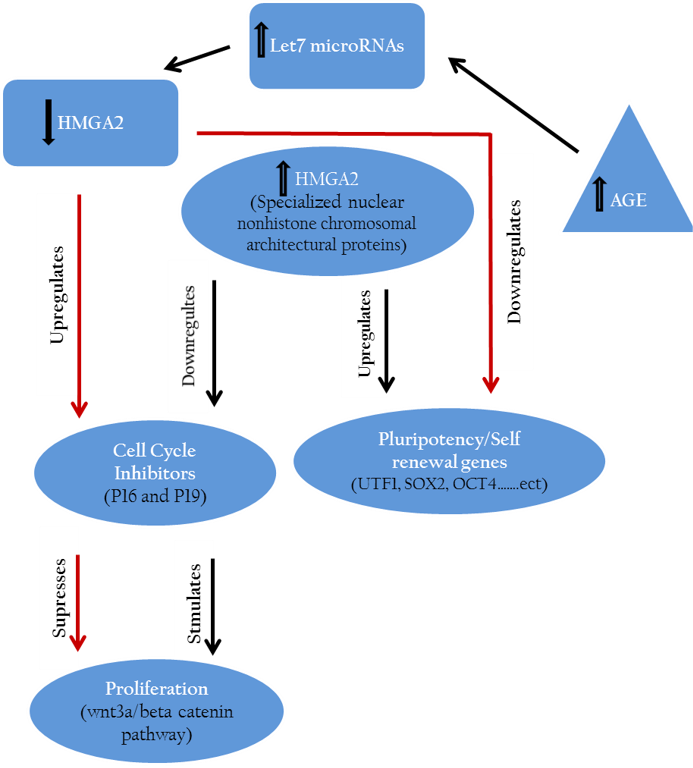
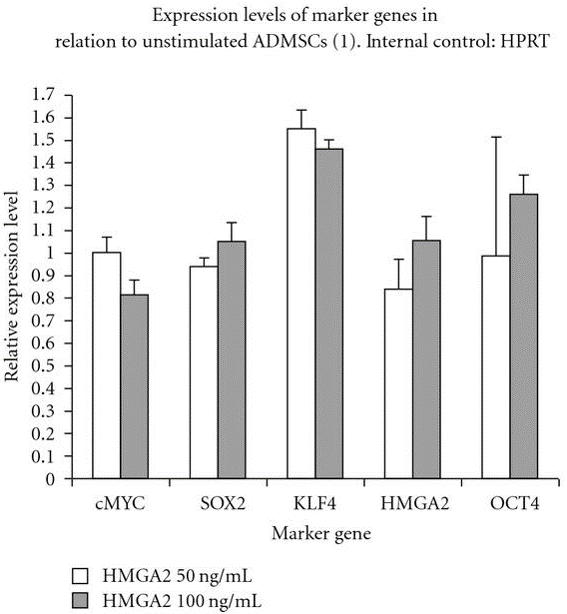
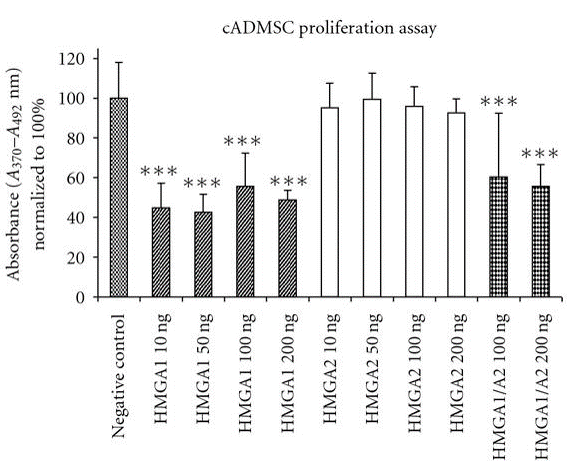
The potential application of pluripotent stem cells and retaining their pluripotency without tumour formation in regenerative medicine is very beneficial and challenging. It is really imperative to capture which environmental niche keys make these cells steadily growing and retaining their self-renewal capacity, particularly post–implantation. Based on the results extracted from our and other studies, high mobility group proteins-A (hmga), particularly hmga2, could fulfil that function very properly through suppression of cell proliferation inhibitors and maintaining/enhancing the genes responsible for stem cell pluripotency such as lin28, klf4, sox2, cmyc, oct4, rex1, sall4, smad3/4, goosecoid (gsc), brachury, nanog and utf1. Based on these observations, we provide evidence that hmga2 protein is an appealing candidate that could be employed in stem cell translational regenerative medicine to achieve that notion. This review states brief background of hmga pathway function with spotlight on the pre-clinical literature that links hmga signaling to adult stem cells proliferation and self-renewal.
Keywords | Self-renewal, Pluripotency, Stem cells, hmga, Proliferation