
Food security and sustainiblity in agriculture is greatly devastated by the emergence of phytonematodes triggering huge yield losses worldwide. Traditionally, synthetic chemicals are widely and commonly used to combat nematode pests; however, the chemical poses negative impact on environment and biodiversity which create urgency in development of an alternative biosafe measure to control these pests. In this regards, researchers have focused on the use of phytopesticides which are eco-friendly and easily accessible and degradable in soil as compared to synthetic chemcials. The given information in this review article highlights the importance of Citrullus colocynthis L. Schrad as a promising biological and pesticidal agent useful for the treatment of various medicinal ailments as well as reducing different pests that are harmful for the crop yield and emphasize the need to utilize the useful effect of this plant against nematodes. Phytochemistry of the C. colocynthis and the secondary metabolites isolated from the plant i.e. alcohols, esters, fatty acids terpenes, flavonoids and steroids are assembled in this article which further provide a basis for a noteworthy nematicidal effect.
Review · Volume 39, Issue 2, 22 December 2021 · Open Access
Citrullus colocynthis: A Treasure of Phytochemical, Pharmacological, Pesticidal and Nematicidal Compounds
· · ·
Affiliations & Notes ⌄
- 1National Nematological Research Centre (NNRC), University of Karachi, Karachi, 75270, Pakistan
- 2Husein Ebrahim Jamal (HEJ) Research Institute of Chemistry, University of Karachi, Karachi-75270, Pakistan. *Correspondence | Erum Iqbal, National Nematological Research Centre (NNRC), University of Karachi, Karachi, 75270, Pakistan
- 3Email: erum_i@yahoo.com
Article Info ⌄
- Journal:
- Pakistan Journal of Nematology
- Published:
- 22 December 2021
From the article
- Evaluation of antiasthmatic activity of Citrullus colocynthis fruit.
- GC-MS analysis and phytochemical screening of methanolic fruit extract of Citrullus colocynthis (L.) Schrad.
- In vitro antimicrobial activity of Citrullus colocynthis (Linn.
- Nematicidal activity of Citrullus colocynthis extracts against root-knot nematodes.
Selected from the article's own text.
Abstract
Introduction
In the current scenario, food security is one of the sustainable development goals as more than 800 million people are chronically starving and millions more are at risk globally (FAO, 2013). Sustainable progress in agriculture and attaining food sufficiency is a central agenda in the global world. Yield and quality of crops grown for human consumption and global food security is menaced by the emergence and propagation of crop pests and pathogens especially weeds, pathogens and animal pests. The food production has been facing the distressing actions of numerous pests like viruses, microbes, fungi, nematodes, insects and parasitic plants, which have triggered noteworthy total economic losses of about 50% of agricultural yield per annum, including 14% and 35% losses in storage and field, respectively .
Among other pests, plant-parasitic nematodes mostly mangle the field as concealed enemies and reduce agricultural harvest. Plant parasitic nematodes inflict direct economic losses of around USD 118000 million in a single 5 years on agriculture . The different varieties of crops are being infected by different genera of phytonematodes, some of them with significant importance are Pratylenchus spp., Tylenchus spp., Belonolaimus spp., Helicotylenchus spp., Paratrichodorus spp., Tylenchorhynchus spp., Criconema spp., Meloidogyne spp., Heterodera spp., Hoplolaimus spp., Tylenchulus spp., Rotylenchulus spp., Xiphinema spp., ; .
In order to manage phytonematodes, number of managing approaches is being embraced to eradicate them. The most common approach includes the use of synthetic chemicals which possess great history. Up till now, management of phytonematodes in agriculture has been reliant on the routine usage of nematicides, but after the awareness of negative influence of these chemical nematicides, researchers are exploring different methods to be used as substitute ; . Due to the adverse effect of chemicals on environment, they are being steadily banned or removed from market ; . The unreliable outcomes of nematicides, chiefly due to greater biodegradation ; ; , aggravation of asthma ; , imparting a greater threat of developing type 2 diabetes and impairment in reproductive systems growth , generates a crucial requisite for unconventional nematode management approaches . It has become prime concern to search ecologically friendly substitutes to manage plant parasitic nematode populations.
Recently, the research is seriously oriented towards the plant derived products; the extracts derived from plants have been a main interest of researchers to formulate an alternative bio-safe pesticide to replace the conventionally used pesticides . Besides this, phytochemicals are not explored much for their nematicidal properties in spite of the existing urgency for initiation of nematode management measures, which are hardly supported by industry for the development of nematicides . The number of studies have reported the nematicidal activities of extracts of various plant species against different species of plant parasitic nematodes ; Ntalli et al., 2010a, b; ; ; ; ; .
Many investigators have focused their consideration towards the cucurbitaceae family because fruits, seeds and vegetables are customarily utilized in various ayurvedic preparations . In the plant kingdom, cucurbitaceae family is among the finest hereditarily assorted collection of curative plants ; . For the assessment of nematicidal compound, a biologically vital plant Citrullus colocynthis is selected as it is the plant of medicinal importance ; . C. colocynthis, a potential and noteworthy for nutraceutical and therapeutic uses, is grown as a wild perennial plant in arid and barren regions of the world including Pakistan ; .
Taxonomic account of Citrullus colocynthis (Linnaeus) schrader
- Kingdom– Plantae
- Division– Magnoliphtya
- Class– Magnolipsida
- Order– Cucurbitales
- Family– Cucurbitaceae
- Genus– Citrullus
- Species– colocynthis
Bitter apple, egusi, desert gourd are some of the common names of C. colocynthis, belonging to cucurbitacae family (Figure 1). Geographically, it is distributed in the barren areas of India, West Pakistan, Ceylon, and Arabia in the region westward of Mediterranean region . Around 17 genera and 32 species are reported among which 25 medical plants of genus Citrullus are recorded in Pakistan .
Chemical constituents of Citrullus colocynthis
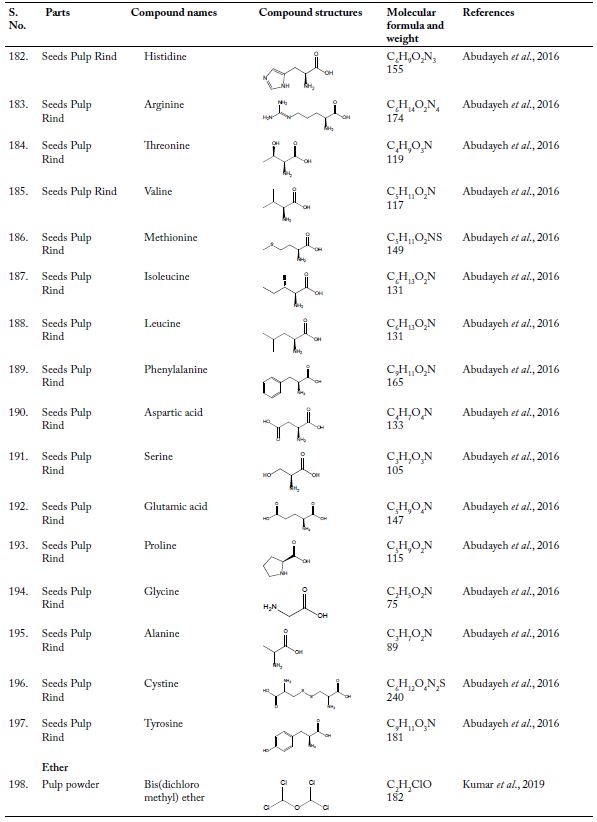
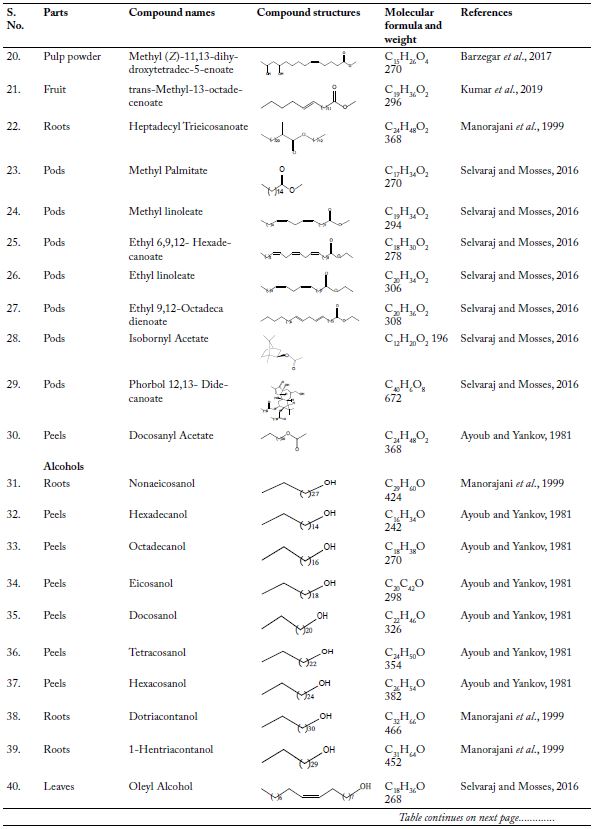
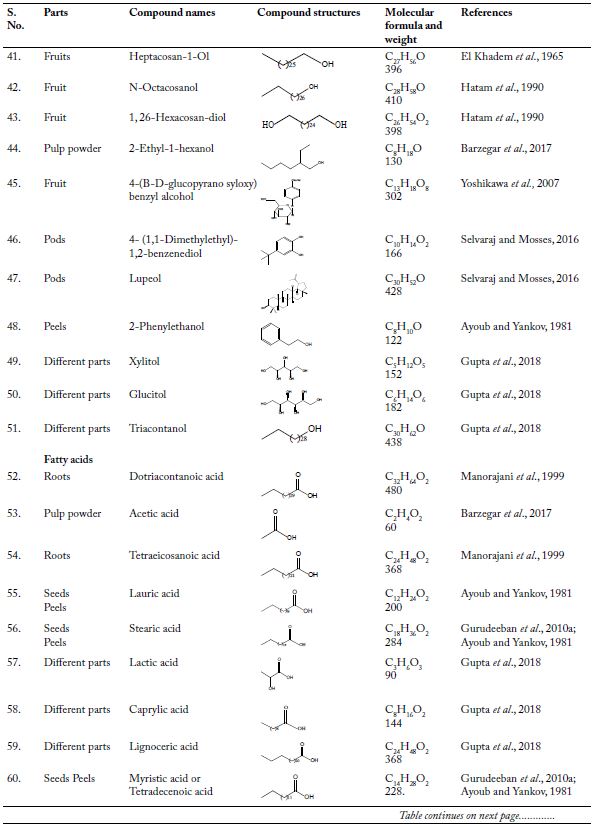
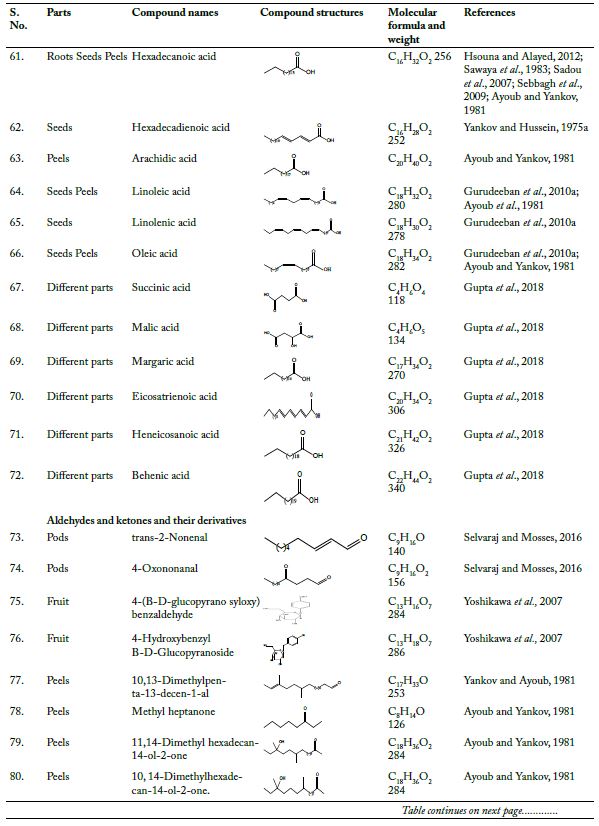
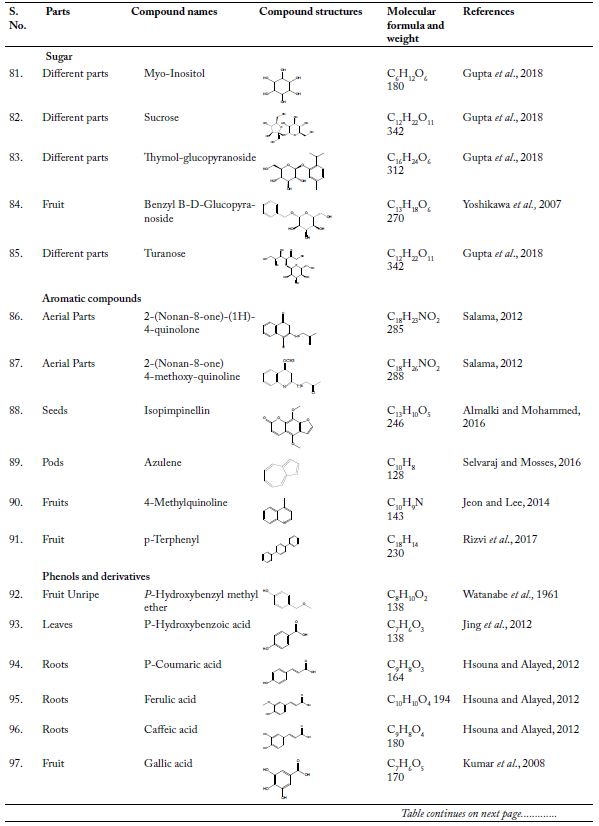
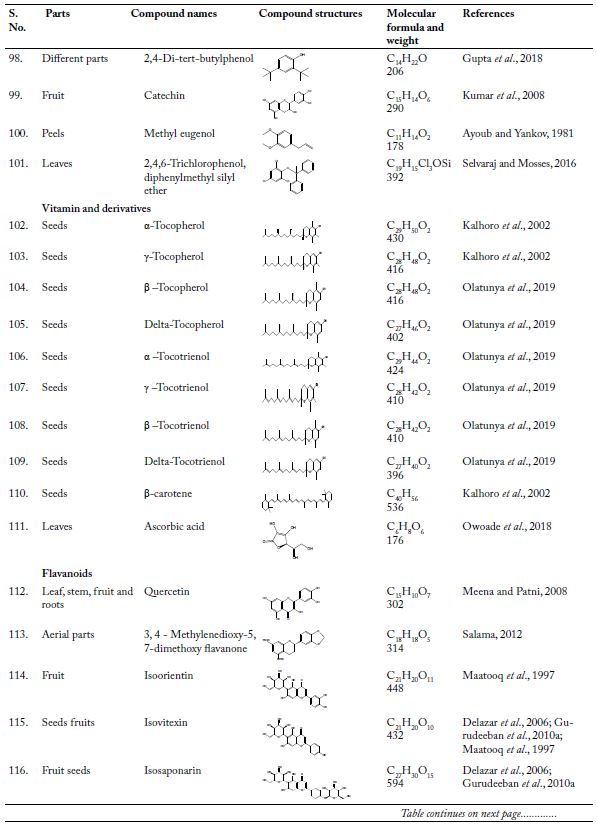
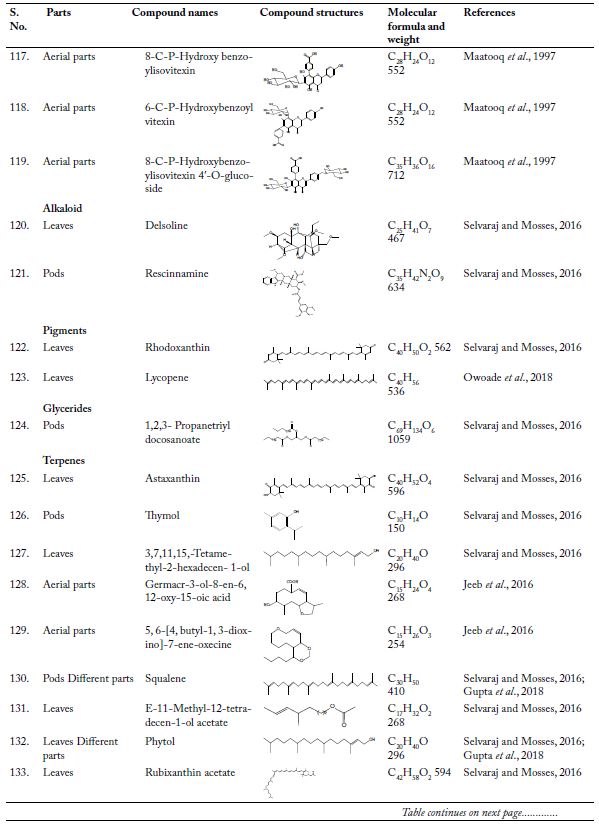
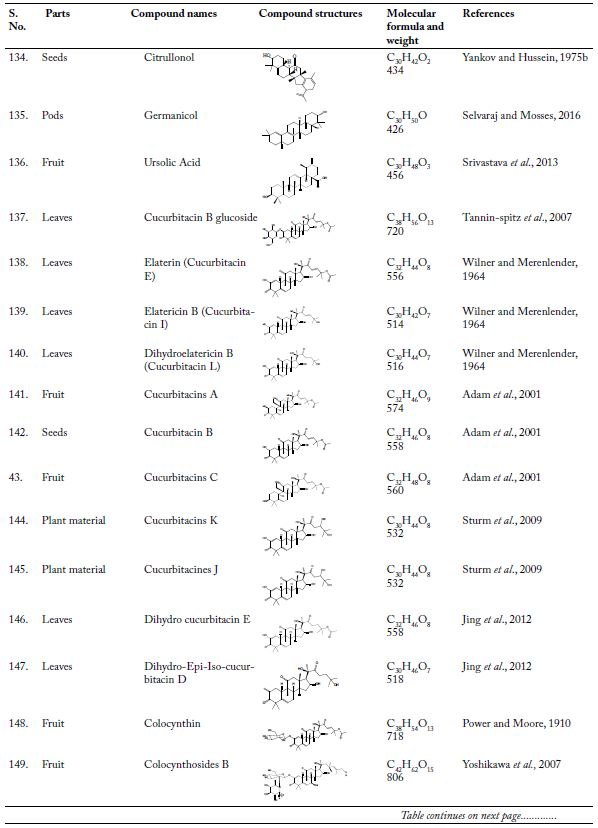
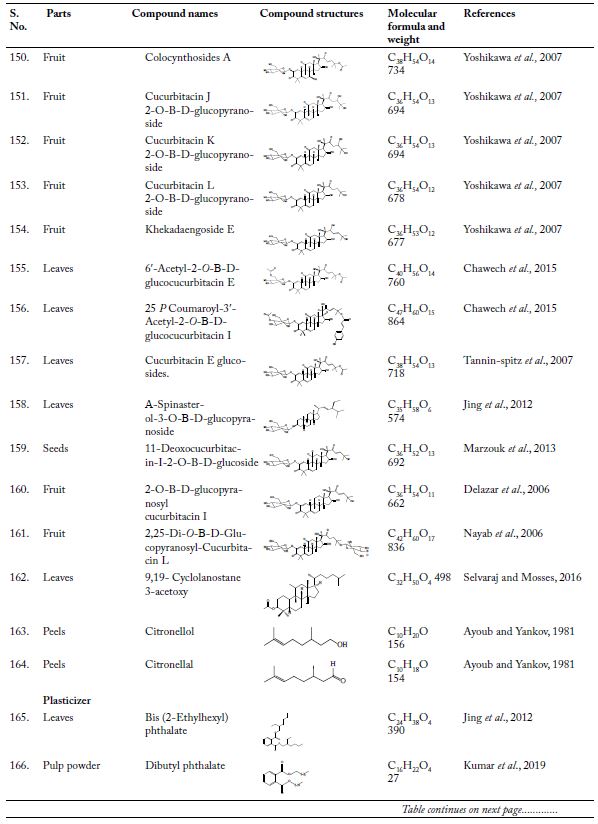
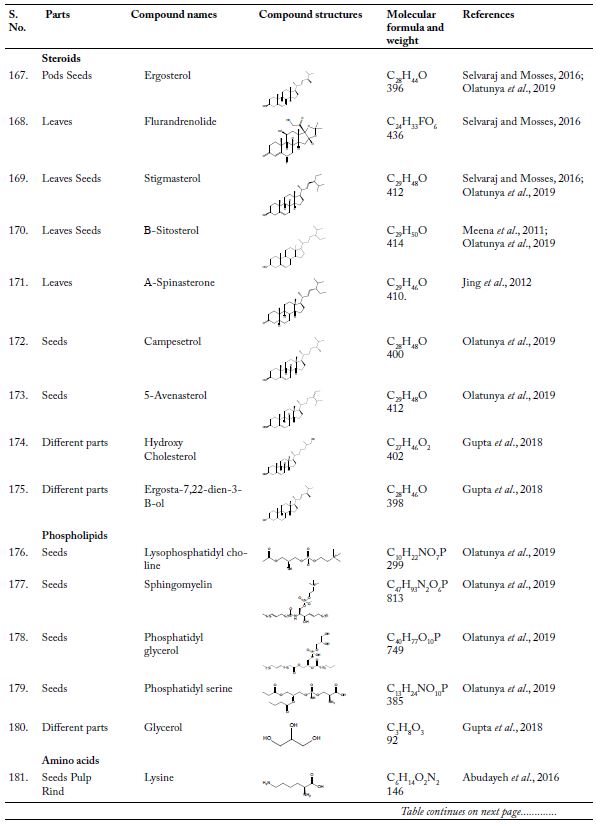
Chemically, the fruit and its various parts possess treasure of compounds with remarkable biological functions and activities. Seeds of C. colocynthis are the rich source of edible oil, comprising of 56% and 25% of linoleic acid and oleic acid respectively as major constituents . Flavonoids, glucosides, terpenoids and alkaloids are reported as bioactive chemical components in fruit along with variety of curcurbitacins such as A, B, C, D, E, I, J, K, and L and colocynthosides A and B . Other than these, many compounds belonging to different classes have also been identified from different parts of C. colocynthis plants which are listed in Table 1.
Pharmacological properties of Citrullus colocynthis
C. colocynthis was used as an ancient medicine by the ancient Greek and Roman physicians and is used broadly in folk medicine since ancient times . Many medicinal and pharmacological activities of C. colocynthis like laxative, anti-inflammatory, anti-diabetic, palliative, hair growth, promoting, aborticide, and anti-epileptic were recognized in traditional Iranian medicine . The pharmocological activities of different parts of C. colocynthis are listed in Table 2.
Pesticidal properties of Citrullus colocynthis
C. colocynthis has gained increasing attention and has also emerged as a natural pesticide and its activity against many economically important pest species has been assessed. It has been suggested as influential insecticide in order to protect the ecosystem and improve the quality of public well-being . Many studies support the efficacy of C. colocynthis along with other plants as powerful insecticides but only few studies showed nematicidal properties of C. colocynthis and recommended to evaluate the overall efficacy of these plants in order to save the environment. Table 3 inlists the pesticidal activities of C. colocynthis against various insects and phytonematode pests.
Plants possess the valuable paragon of secondary metabolites which play vital part in many medicinal diseases since ancient times which is also being explored for their use in crop protection as Integrated Pest Management practices . Customarily, different parts of C. colcynthis plant are consumed in the treatment of different ailments; which shows the multidisciplinary action of this plant. This plant has been the area of great interest for researchers in order to establish the medicinal and pesticidal significance of this plant and to discover new bio-active moieties, for which bulk of research is in progress. Plants may provide a prime and importance method in the integrated nematode management (INM) practices as environmental safety and economical as a new alternative to originally chemical nematicides. Botanical nematicides are the source of alternative bio-rational and eco-safe products to toxic synthetic nematicides. Very little work has been done to consider the potential of C. colocynthis to manage phytonematodes.
C. colocynthis is a treasure of numerous bioactive compounds ranging from small hydrocarbons to large and complex flavonoids and terpenoids. It is a rich source of amino acids, hydrocarbons, alcohols, esters, fatty acids, flavonoids and terpenoids specially cucurbitacins. Among these compounds, many have been studied for their nematicidal responses against different species of phytonematodes. Esters like methyl stearate and methyl palmitate had been reported to possess potential to reduce root galls and egg masses, inhibit egg hatching and repel larvae and nematodes in soil . Many fatty acids which are one of the major constituents of C. colocynthis are already studied for their nematicidal activities. Oleic acid which is the most common fatty acid in nature was found active against Bursaphelenchus lignicolus ; hexadecanoic, lauric, caprylic and myristic acid found effective against the phytonematode, Meloidogyne incognita (Ntalli et al., 2010c; . Nematicidal activity of linoleic, lauric and myristic acid is also reported against saprophytic nematode Coenorhabditis elegans ; ; lactic acid was also concluded to be an effective ovicidal agent against root-knot nematodes . Besides these, short chained fatty acid like acetic acid is also reported and concluded to be efficient against plant-parasitic species .
Among alcohols, oleyl alcohol and 1-triacontanol, were found active against Bursaphelenchus lignicolus and Meloidogyne incognita, respectively ; . Phenolic compounds like gallic acid and methyl eugenol were found to be nematotoxic against the root-knot nematode, Meloidogyne incognita ; . Other than this, Coumaric acid and a flavonoid, quercetin showed promising anthelmintic activity against Haemonchus contortus, a nematode parasite of ruminants .
Table 2: Pharmacological activities of different extracts obtained from different parts of C. colocynthis.
| S. No. | Activity | Part of plant | Extracts | References |
| 1. | Anti-Cancer Or Anti-Tumor | Seeds Plant Pulp powder | Different extracts Aqueous | Tannin-Spitz et al., 2007; Belkin and Fitzgerald, 1952; Kafshgari et al., 2019 |
| 2. | Jaundice | Roots | - | Pravin et al., 2013 |
| 3. | Urinary Diseases | Roots | - | Pravin et al., 2013 |
| 4. | Rheumatism | Roots Roots | - | Pravin et al., 2013; Batanouny, 1999 |
| 5. | Snake Bite | Whole Plant | Methanol | Asad et al., 2012 |
| 6. | Anti-asthmatic | Roots Fruit | Powder oral Ethanolic | Savithramma et al., 2007; Genwa et al., 2017 |
| 7. | Anti-Inflammatory | Leaves Immature fruit and seeds | Methanol Aqueous Organic solvents | Marzouk et al., 2010; Rajamanickam et al., 2010; Marzouk et al., 2011 |
| 8. | Analgesic | Immature fruit and seeds | Organic solvents | Marzouk et al., 2011 |
| 9. | Amenorrhea | Roots | - | Batanouny, 1999 |
| 10. | Helmintholytic | Leaves | Different | Talole et al., 2013 |
| 11. | Osteoarthritis | Roots | Ethanol | Akhzari et al., 2015 |
| 12. | Joint Pains | Root | - | Batanouny, 1999 |
| 13. | Ophthalmia | Roots | - | Batanouny, 1999 |
| 14. | Uterine Pain | Roots | - | Batanouny, 1999 |
| 15. | Purgative | Fruit/Pulp | - | Batanouny, 1999 |
| 16. | Antipyretic | Fruit | - | Batanouny, 1999 |
| 17. | Anti-Malarial | Fruit Fruit pulp | Methanol Ethanolic | Tariq et al., 2016; Feiz et al., 2017 |
| 18. | Anti-leishmanial | Plant Fruit | Aqueous Crude methanol | Rani and Dantu, 2015; Tariq et al., 2016 |
| 19. | Anti-Ulcers | Seeds Fruits | Aqueous and ethanolic | Gill et al., 2011; Reddy et al., 2012 |
| 20. | Hair Loss Treatment | Fruits Fruit | Ethanol and pet. ether Pet.ether | Roy et al., 2007; Dhanotia et al., 2011 |
| 21. | Bronchitis | Fruit | - | Gurudeeban et al., 2010a |
| 22. | Nephro protective | Fruit | Ethanolic | Adeyemi et al., 2017 |
| 23. | Anti-Gonorrhea. | Fruit/Pulp | - | Uma and Sekar, 2014 |
| 24. | Anti-Diabetic | Fruit Seeds | - Oil | Rahbar and Nabipour, 2010; Heydari et al., 2019 |
| 25. | Toothache | Roots | - | Qureshi and Bhatti, 2008 |
| 26. | Mastitis | Fruit pulp | Ethanol | Singh, 2019 |
| 27. | Constipation | Seeds | - | Bahmani et al., 2014 |
| 28. | Anti-diarrheal | Fruits | Hydroalcoholic | Dhakad, 2017 |
| 29. | Acute stomach ache | Fruits | Oral | Meena et al., 2014 |
| 30. | Bowel complaints | Seed oil | - | Meena et al., 2014 |
| 31. | Epilepsy | Seed oil | - | Meena et al., 2014 |
| 32. | Dropsy | Fruits | Juice | Meena et al., 2014 |
| 33. | Boils and pimples | Fruits and roots | Mixture with water | Meena et al., 2014 |
| 34. | Hepatitis | Fruit | Decoctation | Meena et al., 2014 |
| 35. | Abortion | Pulp (dried and powdered) | Oral | Meena et al., 2014 |
| 36. | Anti-Microbial | Leaf Pulp Fruit Plant Whole Plant | Methanol Methanol Chloroform Methnolic Acetone | Gurudeeban et al., 2010b; Shaikh et al., 2016; Kim et al., 2014; Al-Askar et al., 2014; Mahendiran and Umavathi, 2015 |
| Table continues on next page............. | ||||
| S. No. | Activity | Part of plant | Extracts | References |
| 37. | Antineoplastic Action | Fruit | - | Faust et al., 1958. |
| 38. | Anti-Implantation | Plant | Ethanolic and benzene | Prakash et al., 1985. |
| 39. | Anti-Oxidant | Pulp Seeds Seeds Immature fruit and seeds Fruit Leaves | Hydro-ethanol Hydro-methanol, ethyl acetate Methanol/water Organic extracts Benzene, chloroform, methanol Different extracts | Dallak, 2011; Benariba et al., 2013; Yasir et al., 2016; Marzouk et al., 2016; Vakiloddin et al., 2015; Nessa and Khan, 2014 |
| 40. | Antimyco bacterial activity | Aerial parts and ripe deseeded fruits | Methanol | Mehta et al., 2013 |
| 41. | Xanthine oxidase inhibition | Leaves | Different extracts | Nessa and Khan, 2014 |
| 42. | Radical scavenging potential | Fruit | Methanolic | Kumar et al., 2008 |
| 43. | Anti-fertility effect | Fruit Roots | Ethanol Ethanol | Chaturvedi et al., 2003; Mali et al., 2001 |
| 44. | Anti-convulsant | Fruit | Hydroalcoholic extract | Mehrzadi et al., 2016 |
| 45. | Lipoxygenase activity | Seed | - | Al-Khalifa, 1996 |
| 46. | Antifungal | Fruit, seeds Floral parts Seeds Plant | Aqueous Ethanolic Petroleum ether Various extract | Marzouk et al., 2010b; Hadizadeh et al., 2009; Sari et al., 2014; Bokhari et al., 2013 |
| 47. | Hepato protective | Fruit Fruit | Benzene, chloroform, methanolic Ethanolic | Vakiloddin et al., 2015; Adeyemi et al., 2017 |
| 48. | Antibacterial | Leaves Roots, stems, leaves and three maturation stages of its fruit and seeds Immature fruits and seeds) Leaves and fruits Pulp Plant | Methanolic Aqueous and diluted acetone Aqueous (water and ethanolic) Aqueous and dealcoholized Different extracts | Gurudeeban et al., 2010; Marzouk et al., 2009; Marzouk et al., 2010b; Najafi et al., 2010. Patel and Trivedi, 1957 Mehni et al., 2014 |
| 49. | Anticandidal | Roots, stems, leaves and three maturation stages of its fruit and seeds | Aqueous and diluted acetone | Marzouk et al., 2009 |
| 50. | Hypoglycemic | Rind Seedless pulp | Aqueous | Abdel-Hassan et al., 2000; Mohammad et al., 2009 |
| 51. | Normo-hypoglycemic | Dried seedless pulp | Ethanol | Mohammad et al., 2009b |
| 52. | Insulinotropic actions | Dried seedless pulp | Ethanol | Mohammad et al., 2009a |
| 53. | Anti-Hyper Lipidemic | Seed powder Dried seedless pulp Pulp | Capsule Ethanol Hydro-ethanol | Rahbar and Nabipour, 2010; Mohammad et al., 2009b; Dallak, 2011 |
| 54. | Antihyper glycemic | Seeds | Aqueous | Lahfa et al., 2017 |
| 55. | Immuno stimulating activity | Plant | Hot water polysaccharide | Bendjeddou et al., 2003 |
| 56. | Anti-obesity | Flesh powder | 70% Ethanol | Jemai et al., 2018 |
| 57. | Anti-angiogenesis | Fruit | Ethyl acetate | Gaikwad et al., 2019 |
| 58. | Anti-arthritic | Fruit | Hydroalcoholic | Kachhawah et al., 2016 |
| 59. | Anti-biofilm | Seeds | Ethyl acetate | Almalki and Mohammed, 2016 |
| 60. | Anti-depressant | Fruit | Ethanol | Nafisi et al., 2016 |
| 61. | Spasmogenic activity | Whole plant | Aquoeus and n-butanol | Faisal et al., 2018 |
| 62. | Oral mucosal disease | Pulp powder | Aqueous | Kafshgari et al., 2019 |
| 63. | Polycystic ovarian syndrome | Pulp powder | Hydro-ethanolic | Barzegar et al., 2017 |
| 64. | Antimetallo proteinases | Peels | Aqueous | Zioud et al., 2019 |
| 65. | Wound healing | Different parts | Methanolic | Gupta et al., 2018 |
| 66. | Benign prostatic hyperplasia | Fruit | Cucurbitacin E glucoside | Basha et al., 2019 |
| 67. | Parkinson's disease | - | - | Chen et al., 2019 |
| 68. | Anti-platelets activity | Plant | Hydro-alcoholic | Alhawiti, 2018 |
| 69. | Profibrinolytic activity | Plant | Hydro-alcoholic | Alhawiti, 2018 |
Table 3: Pesticidal activities of different extracts obtained from different parts of C. colocynthis.
| S. No. | Pests | Part of plant | Extracts/ form | References |
| 1. | Culex quinquefasciatus | Leaf Whole plant | Oleic and linoleic acid | Mullai and Jebanesan, 2007; Rahuman et al., 2008 |
| 2. | Aedes aegypti Culex quinquefasciatus | Leaf | - | Rahuman and Venkatesan, 2008 |
| 3 | Anopheles stephensi Liston | Whole plant | Hexane, diethyl ether, dichloromethane, ethyl acetate | Arivoli et al., 2012 |
| 4. | Culex pipiens Culiseta longiareolata | Fruit | Aqueous | Merabti-Brahim et al., 2016 |
| 5. | Bactrocera zonata | Fruit | - | Rehman et al., 2009 |
| 6. | Aphids, Lipaphis erysimi | Aerial parts | Ethanolic | Soam et al., 2013 |
| 7. | Tribolium castaneum | Fruit powder | Ethanolic | Nadeem et al., 2012 |
| 8. | Spodoptera littoralis | Fruit | Methylene chloride and hexane. | Rawi et al., 2011 |
| 9. | Locust, Chrotogonus trachypterus | Fruit | Methanol | Mollashahi et al., 2017 |
| 10. | Cowpea beetle, Callosobruchus maculatus | Seeds | Successive extraction | Dimetry et al., 2015 |
| 11. | Dermestes maculatus | Seeds | Hexane / oil | Akpotu et al., 2015 |
| 12. | Teteanychus urticae Sitophilus oryzea Sitophilus zeamais | Fruit | 4- methylquinoline | Jeon and Lee, 2014 |
| 13. | Callosobruchus maculatus; cowpea | Seeds | Chloroform | Dimetry et al., 2007 |
| 14. | Aphis craccivora | Fruit | Ethanol | Torkey et al., 2009 |
| 15. | Aphid, Rhopalosiphum padi | Root, stem, leaf and fruit | Aqueous | Khalid, 2015 |
| 16. | Amphistome parasite, Orthocoelium scoliocoelium | Fruit pulp | Alcohol | Swarnakar and Kumwat, 2014 |
| 17. | M. incognita | Fruit | Acetone Water | Muniasamy et al., 2010; Gad et al., 2018 |
| 18. | Meloidogyne spp. | Pulp, seeds, whole fruit | Methanol | Rizvi and Shahina, 2014 |
| 19. | Haemonchus contortus | Fruit | Crude aqueous methanol extract | Ahmed et al., 2019 |
| 20. | Rhipicephalus (Boophilus) Microplus | Roots | Petroleum ether, hexane, methanol | Loach et al., 2019 |
| 21. | Spodoptera litura | Fruit | Cucurbitacin E | Ponsankar et al., 2019 |
| 22. | Musca domestica (House fly) | Different parts | Aqueous and ethanolic | Farah, 2017 |
Steroids like β-sitosterol and stigmasterol were also investigated for their nematotoxic effect and were found active against an economically important cyst nematode, Heterodera zeae . Flavonoids, quercetin and isovitexin showed promising activity against Haemonchus contortus and M. incognita respectively ; . According to a research, a diterpene, phytol is involved in inhibition of root-knot nematodes, induced by the production of tocopherol (Fujimoto et al., 2021). Effect of amino acids is also studied against phytonematodes and as mentioned in Table 1, C. colocynthis also possess variety of amino acids among them the nematicidal evaluation of L-arginine, L-glutamic acid, ascorbic acid, alanine, glycine, histidine, threonine, phenyalinine, valine, l-lysine, leucine, aspartic acid and methionine had been reported and resulted in efficient nematicidal responses .
The nematotoxic activity of terpenoids, thymol and citronellol is reported against Caenorhabditis elegans and Ascaris suum ; , whereas ursolic acid, was found to be nematicidal against root-knot nematode, Meloidogyne incognita . C.colocynthis is an easy source of cucurbitacins which are biologically active component for various pharmacological activities . As far as the nematicidal investigation of cucurbitacins is concerned, Nemarioc-AL and Nemafric-B are phytonematicides, containing cucurbitacin A and B respectively as active ingredients that are being investigated and developed in South Africa as a substitute for the control of Meloidogyne species . A research study was also conducted to compare the nematicidal effect of these phytonematicides and their purified active ingredients and concluded that the cucurbitacin-containing phytonematicides were more active against phytonematodes than their purified active ingredients . In another study, ripe, unripe and powdered form of fruits was investigated for nematicidal activity and was found to be active against larvae of M. incognita . From the literature cited above, it is evident that the phytochemicals present in C. colocynthis fruits are lethal for the nematodes and this research data will provide an overview of the type of compounds responsible for mortality of nematodes and will enlighten the new horizons for nematode management other than harmful and most conventional chemical nematicides.
Fatty acids, phenols, esters, alcohols, steroids and terpenoids including cucurbitacins are some of the secondary metabolites isolated from C. colocynthis, nematicidal property of which have been already reported and have proved that application of extracts of different parts of C. colocynthis could serve as a promising candidates for biocontrol of phytonematodes. Practically, the use of this plant is easier as it is a wild plant that grows easily in desert and does not require much water for nourishment, so it could be easily available resource to the poor farmers not as the chemical pesticides, expensive and hazardous to health. Phytonematicides are easily accessible and bio-degradable, are therefore environmentally friendly compared to the synthetic pesticides. It can be said that the use of botanical means may serve as a substitute to the chemicals in order to bring sustainability to agriculture. The dynamic usage of C. colocynthis in medicinal, pesticidal and nematicidal horizons along with its numerous secondary metabolites have established the importance of this plant for future proespects and nominate it as a potential formulation of bio-rational nematicidal solution to include in Integrated Nematode Management (INM) programs. A patent filed in 2019 by Prof. Dr. Shahina Fayyaz, Erum Iqbal, Shaheen Faizi and Sonum Khatri of NNRC product (NNRC-82) composed of C. colocynthis is effective against agricultural pests including nematodes.
Recommended dose of NNRC product (NNRC-82)
Regular application is recommended each after six months for all types of field plants.
- For crop plantation: Apply NNRC-82 @ 2 kg a.i./ ha at sowing.
- For tree plantation: Apply NNRC-82 @ 13 g/m2 (about 9 m2 around the tree trunk) just before flowering.
Novelty Statement
The given information in this review article highlights the importance of Citrullus colocynthis L. Schrad as a promising biological and pesticidal agent useful for the treatment of various medicinal ailments as well as reducing different pests that are harmful for the crop yield and emphasize the need to utilize the useful effect of this plant against nematodes.
Author’s Contribution
Sonam Khatri searched the related articles and wrote the manuscript,Prof. Shaheen Faizi supervised in writing manuscript, Prof. Shahina Fayyaz critically reviewed and help in writing manuscript, Dr. Erum Iqbal helped in compiling the data
Conflict of interest
The authors have declared no conflict of interest.
Figures
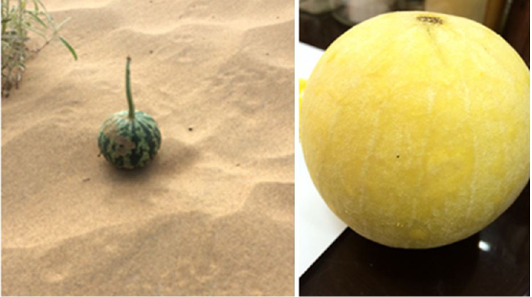
Unripe and riped fruit of C. colocynthis in field.
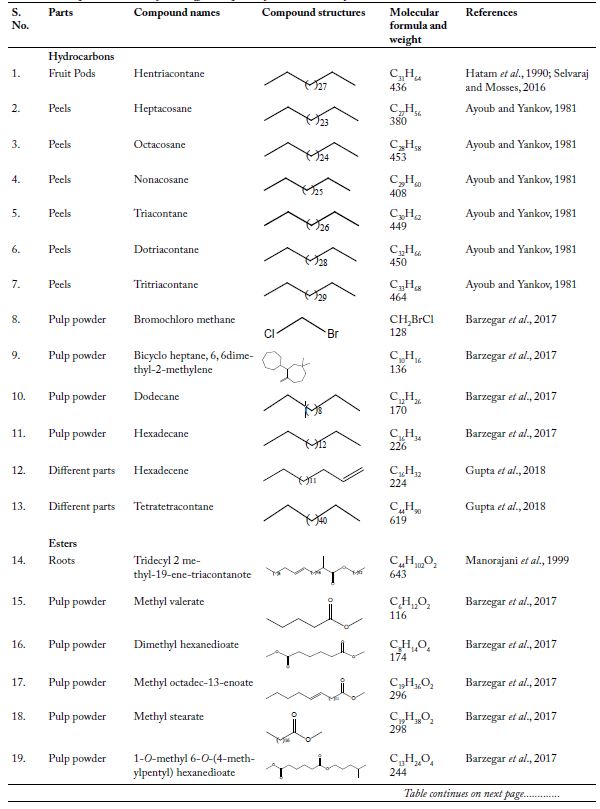
Compounds isolated from different parts of Citrullus colocynthis.
References
- Abdel-Hassan, I.A., Abdel-Barry, J.A. and Tariq, M.S., 2000. The hypoglycemic and antihyperglycemic effect of Citrullus colocynthis fruit aqueous extract in normal and alloxan diabetic rabbits. J. Ethnopharmacol., 71: 325-330. https://doi.org/10.1016/S0378-8741(99)00215-9[CrossRef]
- Abdel-Rahman, F.H., Alaniz, N.M. and Saleh, M.A., 2013. Nematicidal activity of terpenoids. J. Environ. Sci. Health B, 48: 16-22. https://doi.org/10.1080/03601234.2012.716686[CrossRef]
- Adam, S., Al-Yahya, M. and Al-Farhan, A., 2001. Response of Najdi sheep to oral administration of Citrullus colocynthis fruits. Small Rumin. Res., 40: 239-244. https://doi.org/10.1016/S0921-4488(01)00184-5[CrossRef]
- Adeyemi, O.O., Ishola, I.O. and Ajani, I.D., 2017. Citrullus colocynthis Linn. fruit extract ameliorates cisplatin-induced hepato-renal toxicity in rats. J. Complement. Integ. Med., 15: https://doi.org/10.1515/jcim-2017-0086[CrossRef]
- Ahmed, C.N., Hamad, K.K. and Qadir, F.A., 2019. Haemonchus contortus as a model in assessing activity of Citrullus colocynthis fruit extract to control benzimidazole-resistant parasitic nematodes. ZANCO J. Pure Appl. Sci., 31: 61-70. https://doi.org/10.21271/zjpas.31.5.8[CrossRef]
- Ahmed, M., Sapp, M., Prior, T., Karssen, G. and Back, M., 2015. Nematode taxonomy from morphology to metabarcoding. Soil Discuss., 2: 1175-1220. https://doi.org/10.5194/soild-2-1175-2015[CrossRef]
- Aivoli, S., Ravindran, K.J. and Samuel, T., 2012. Larvicidal efficacy of plant extracts against the malarial vector Anopheles stephensi liston (Diptera: Culicidae). World J. Med. Sci., 7: 77-80.
- Ajuru, M. and Nmom, F., 2017. A review on the economic uses of species of cucurbitaceae and their sustainability in Nigeria. Am. J. Plant Biol., 2: 17-24.
- Akhzari, M., Mirghiasi, M., Vassaf, M., Bidgoli, M.S.M. and Tari, Z.S., 2015. The effect of Citrullus colocynthis on the reduction of inflammatory agents in osteoarthritis. Mol. Biol., 4: 147. https://doi.org/10.4172/2168-9547.1000147[CrossRef]
- Akpotu, O.J., Oniye, S.J., Abolude, D. and Yusuf, A., 2015. Comparative study of the toxicity of oils from seeds of Citrullus colocynthis and Citrullus vulgaris on larvae of Dermestes maculatus. J. Aquac. Eng. Fisher Res., 3(1): 6-12. https://doi.org/10.3153/JAEFR17002[CrossRef]
- Al-Askar, A.A., Rashad, Y.M., and Abdulkhair, W.M., 2014. Evaluation of the antimicrobial potential of selected medicinal plant extracts against some plant and human pathogens. J. Pure Appl. Microbiol., 8: 159-168.
- Aldamegh, M.A., Emad, M., Abdallah and Hsouna, A.B., 2013. Evaluation of antimicrobial and antioxidant properties of leaves of Emex spinosa and fruits of Citrillus colocynthis from Saudi Arabia. Afr. J. Biotechnol., 12: 5308-5313. https://doi.org/10.5897/AJB2013.12987[CrossRef]
- Alhawiti, N.M., 2018. Antiplatelets and profibrinolytic activity of Citrullus colocynthis pin control and high-fat diet-induced obese rats: Mechanisms of action. Arch. Physiol. Biochem., 124: 156-166. https://doi.org/10.1080/13813455.2017.1369999[CrossRef]
- Al-Khalifa, A.S., 1996. Physicochemical characteristics, fatty acid composition, and lipoxygenase activity of crude pumpkin and melon seed oils. J. Agric. Food Chem., 44(4): 964-966. https://doi.org/10.1021/jf950519s[CrossRef]
- Almalki and Mohammed, A., 2016. In vitro antibacterial, antifungal, antibiofilm, and antioxidant potentials of isopimpinellin recovered from Citrullus colocynthis. Int. J. Pharm. Pharm. Sci., 8(4): 117-122.
- Amaral, A.F.S., 2014. Pesticides and asthma: Challenges for epidemiology. Front. Publ. Health, 2: 6. https://doi.org/10.3389/fpubh.2014.00006[CrossRef]
- Anwar, S.A. and VanGundy, S.D., 1989. Influence of four nematodes on root and shoot growth parameters in grape. J. Nematol., 21: 276-283.
- Asad, M.H.H.B., Razi, M.T., Murtaza, G., Azhar, S., Khan, S.A., Saqib, Q.N.U. and Hussain, I., 2012. Antihaemorrhagic potential of Citrullus colocynthis Schrad. (Cucurbitaceae) against Naja naja karachiensis (Black Pakistan cobra) venom. J. Med. Plants Res., 6: 3455-3458. https://doi.org/10.5897/JMPR12.048[CrossRef]
- Asyaz, S., Khan, F.U., Hussain, I., Khan, M.A. and Khan, I.U., 2010. Evaluation of chemical analysis profile of Citrullus colocynthis growing in southern area of Khyber Pukhtunkhwa, Pakistan. World Appl. Sci. J., 10: 402-405.
- Atolani, O., Fabiyi, O.A. and Olatunji, G.A., 2014. Isovitexin from Kigelia pinnata, a potential eco-friendly nematicidal agent. Trop. Agric., 91: 67-74.
- Ayoub, S.M.H. and Yankov, L.K., 1981. On the constituents of the peels of Citrullus colocynthis. Part 1 and 2. Fitoterapia, 52: 9-16.
- Azandjeme, C.S., Bouchard, M., Fayomi, B., Djrolo, F., Houinato, D. and Delisle, H., 2013. Growing burden of diabetes in sub-saharan Africa: Contribution of pesticides? Curr. Diabet. Rev., 9: 437-449. https://doi.org/10.2174/15733998113099990078[CrossRef]
- Bahmani, M., Zargaran, A. and Rafieian-Kopaei, M., 2014. Identification of medicinal plants of Urmia for treatment of gastrointestinal disorders. Rev. Brasil. Farmacog., 24: 468-480. https://doi.org/10.1016/j.bjp.2014.08.001[CrossRef]
- Bano, S., Faizi, S., Fayyaz, S. and Iqbal, E.Y., 2019. Isolation of ceramides from Tagetes patula L. yellow flowers and nematicidal activity of the fractions and pure compounds against cyst nematode, Heterodera zeae. Chem. Biodiv., 16: e1900092. https://doi.org/10.1002/cbdv.201900092[CrossRef]
- Barzegar, M.H., Khazali, H., Kalantar, S.M. and Khoradmehr, A., 2017. Effect of Citrullus colocynthis hydro-alcoholic extract on hormonal and folliculogenesis process in estradiol valerate-induced PCOs rats’ model: An experimental study. Int. J. Reprod. Biomed., 15: 661-668. https://doi.org/10.29252/ijrm.15.10.9[CrossRef]
- Basha, S.Z., Mohamed, G.A., Abdel-Naim, A.B., Hasan, A. and Abdel-Lateff, A., 2019. Cucurbitacin E glucoside from Citrullus colocynthis inhibits testosterone-induced benign prostatic hyperplasia in mice. Drug Chem. Toxicol., pp. 1-11. https://doi.org/10.1080/01480545.2019.1635149[CrossRef]
- Batanouny, K.H., 1999. Wild medicinal plants in Egypt. An inventory to support conservation and sustainable use. The Palm Press, Zamalek, Cairo, Egypt.
- Begum, S., Zehra, S.Q., Siddiqui, B.S., Fayyaz, S. and Ramzan, M., 2008. Pentacyclic triterpenoids from the aerial parts of Lantana camara and their nematicidal activity. Chem. Biodiv., 5: 1856-1866. https://doi.org/10.1002/cbdv.200890173[CrossRef]
- Belkin, M. and Fitzgerald, D.B., 1952. Tumor damaging capacity of plant materials. Plants used as cathartics. J. Natl. Cancer Inst., 13: 139-155.
- Benariba, N., Djaziri, R., Bellakhdar, W., Belkacem, N., Kadiata, M., Malaisse, W.J. and Sener, A., 2013. Phytochemical screening and free radical scavenging activity of Citrullus colocynthis seeds extracts. Asian Pac. J. Trop. Biomed., 3: 35-40. https://doi.org/10.1016/S2221-1691(13)60020-9[CrossRef]
- Bendjeddou, D., Lalaoui, K. and Satta, D., 2003. Immunostimulating activity of the hot water-soluble polysaccharide extracts of Anacyclus pyrethrum, Alpinia galanga and Citrullus colocynthis. J. Ethnopharmacol., 88: 155-160. https://doi.org/10.1016/S0378-8741(03)00226-5[CrossRef]
- Bokhari, N.A., Perveen, K., Siddiqui, I., Siddiqui, I., Wahibi, M.S. and Soliman, D.A. 2013. Antifungal activity of Citrullus colocynthis against Fusarium oxysporum, Alternaria alternata, Macrophomina phaseolina and Colletotrichum musae. J. Pure Appl. Microbiol., 7: 2981-2986.
- Caboni, P., Ntalli, N.G., Aissani, N., Cavoski, I. and Angioni, A., 2012. Nematicidal activity of (E, E)-2, 4-decadienal and (E)-2decenal from Ailanthus altissima against Meloidogyne javanica. J. Agric. Food Chem., 60: 114-115. https://doi.org/10.1021/jf2044586[CrossRef]
- Castillo-Mitre, G.F., Olmedo-Juárez, A., Rojo-Rubio, R., González-Cortázar, M., Mendoza-de Gives, P., Hernández-Beteta, E.E. and Zamilpa, A., 2017. Caffeoyl and coumaroyl derivatives from Acacia cochliacantha exhibit ovicidal activity against Haemonchus contortus. J. Ethnopharmacol., 204: 125-131. https://doi.org/10.1016/j.jep.2017.04.010[CrossRef]
- Chaturvedi, M., Mali, P.C. and Ansari, A.S., 2003. Induction of reversible antifertility with a crude ethanol extract of Citrullus colocynthis Schrad fruit in male rats. Pharmacology, 68: 38-48. https://doi.org/10.1159/000068727[CrossRef]
- Chawech, R., Jarraya, R., Girardi, C., Vansteelandt, M., Marti, G. and Nasri, I., 2015. Cucurbitacins from the leaves of Citrullus colocynthis (L.) Schrad. Molecules, 20: 18001-18015. https://doi.org/10.3390/molecules201018001[CrossRef]
- Chen, Y., Sa, Y., Wang, G., Pan, X., Zhen, Y., Cheng, X. and Liu, B., 2019. The protective effects of Citrullus colocynthis on inhibiting oxidative damage and autophagy associated cell death in Parkinson’s disease. J. Taiwan Inst. Chem. Eng., 100: 18-25. https://doi.org/10.1016/j.jtice.2019.04.003[CrossRef]
- Chitwood, D.J., 2002. Phytochemical based strategies for nematode control. Annu. Rev. Phytopathol., 40: 221-249. https://doi.org/10.1146/annurev.phyto.40.032602.130045[CrossRef]
- Chung, S.O., Kim, Y.J. and Park, S.U., 2015. An updated review of cucurbitacins and their biological and pharmacological activities. EXCLI J., 14: 562-566.
- D’Addabbo, T., Carbonara, T., Leonetti, P., Radicci, V., Tava, A. and Avato, P., 2011. Control of plant parasitic nematodes with active saponins and biomass from Medicago sativa. Phytochem. Rev., 10: 503-519. https://doi.org/10.1007/s11101-010-9180-2[CrossRef]
- Dallak, M., 2011. In vivo, hypolipidemic and antioxidant effects of Citrullus colocynthis pulp extract in alloxan-induced diabetic rats. Afr. J. Biotechnol., 10: 9898-9903. https://doi.org/10.5897/AJB11.268[CrossRef]
- Delazar, A., Gibbons, S., Kosari, A.R., Nazemiyeh, H., Modarresi, M., Nahar, L., and Sarker, S.D., 2006. Flavone C-glycosides and cucurbitacin glycosides from Citrullus colocynthis. DARU J. Pharm. Sci., 14: 109-114.
- Dhakad, P.K., 2017. Phytochemical investigation and anti-diarrheal activity of hydroalcoholic extract of fruits of Citrullus colocynthis (L.) Schrad. (Cucurbitaceae). J. Mol. Genet. Med., 11; 1747-0862. https://doi.org/10.4172/1747-0862.1000305[CrossRef]
- Dhanotia, R., Chauhan, N.S., Saraf, D.K. and Dixit, V.K., 2011. Effect of Citrullus colocynthis Schrad fruits on testosterone-induced alopecia. Natl. Prod. Res., 25; 1432-1443. https://doi.org/10.1080/14786410802632820[CrossRef]
- Dimetry, N.Z., El-Gengaihi, S. and Abd El-Salam, A.E.M., 2007. Protection of stored cowpea from Callosobruchus maculatus (F.). Herba Pol., 53: 71-84.
- Dimetry, N.Z., El-Gengaihi, S., Hafez, M. and Abbass, M.H., 2015. Pesticidal activity of certain plant extracts and their isolates against the cowpea beetle Callosobruchus maculatus (F.) (Coleoptera: Chrysomelidae: Bruchinae). Herba Pol., 61: 77-92. https://doi.org/10.1515/hepo-2015-0024[CrossRef]
- Dos Santos, J.H.M., Tirelli, A.A., Carvalho, H.W.P., Oliveira, D.F., Do Prado, N.R.T. and Campos, V.P., 2010. Purification of the flavonoid trans-tiliroside from the methanolic extract of Gochnatia barrosii cabrerae (Asteraceae) leaves and evaluation of the nematicidal activity. Cienc Agrotecnol., 34: 1224-1231. https://doi.org/10.1590/S1413-70542010000500021[CrossRef]
- Dube, Z.P., and Mashela, P.W., 2017. Confirmation of bioactivities of active ingredients of Nemarioc-AL and Nemafric-BL phytonematicides. Acta Agric. Scand., Section B Soil Plant Sci., 67: 571-575. https://doi.org/10.1080/09064710.2017.1318165[CrossRef]
- Dube, Z.P., Mashela, P.W. and de Waele, D., 2019. Sensitivity of Meloidogyne incognita second-stage juvenile hatch, motility and viability to pure cucurbitacins and cucurbitacin-containing phytonematicides. South Afr. J. Plant Soil, 36: 29-32. https://doi.org/10.1080/02571862.2018.1464220[CrossRef]
- El-Khadem, H., and Rahman, M.M., 1965. Heptacosan-1-ol from the fruit of Citrullus colocynthis. J. Chem. Soc., pp. 3488-3489.
- Faisal, M.S., Ali, N. and Ali, K., 2018. Citrullus colocynthis; fractionation of methanolic extract of Citrullus colocynthis for spasmogens. Prof. Med. J., 25: 96-103. https://doi.org/10.29309/TPMJ/2018.25.01.545[CrossRef]
- Faizi, S., Fayyaz, S., Bano, S., Iqbal, E.Y., Lubna, L., Siddiqi, H. and Naz, A., 2011. Isolation of nematicidal compounds from Tagetes patula L. yellow flowers: Structure-activity relationship studies against cyst nematode Heterodera zeae infective stage larvae. J. Agric. Food Chem., 59: 9080-9093. https://doi.org/10.1021/jf201611b[CrossRef]
- FAO, 2013. The state of food insecurity in the world: The multiple dimensions of food security. Food and Agricultural Organization of the United Nations, Rome.
- Farah, N.F.N., 2017. Characterization and use of Bitter Apple (Citrullus colocynthis L.) as house fly (Musca domestica L.) insecticide in Northern State (Doctoral dissertation, College of Graduate Studies-Univrersity of Dongola).
- Faust, R.E., Cwalina, G.E. and Ramstad, E., 1958. The antineoplastic action of chemical fractions of the fruit of Citrullus colocynthis on sarcoma-37. J. Am. Pharm. Assoc., 47: 1-5. https://doi.org/10.1002/jps.3030470102[CrossRef]
- Favre-Bonvin, J., Ponchet, M., Djian, C., Arpin, N. and Pijarowski, L., 1991. Acetic acid: A selective nematicidal metabolite from culture filtrates of Paecilomyces lilacinus (Thom) Samson and Trichoderma longibrachiatum Rifai. Nematologica, 37: 101-112. https://doi.org/10.1163/187529291X00105[CrossRef]
- Feiz, H.M.H., Mahbodfar, H., Zamani, Z. and Ramazani, A., 2017. Antimalarial evaluation of selected medicinal plant extracts used in Iranian traditional medicine. Iran. J. Basic Med. Sci., 20: 415-422.
- Fujimoto, T., Hiroshi, A., Takayuki, M., and Shigemi, S. 2021. Phytol, a Constituent of Chlorophyll, Induces Root-Knot Nematode Resistance in Arabidopsis via the Ethylene Signaling Pathway, Molecular Plant Microbe Interaction, 34(3):279 -285.
- Gad, S.B., El-Sherif, A.G., Saadoon, M.S. and Gabar, S.A., 2018. In vivo and In vitro inhibition of three plants water extracts on Meloidogyne incognita (Meloidogynidae). Indian J. Nematol., 48; 77-83.
- Gaikwad, M., Shirsat, V., Bulbule, M., Kalekar, S. and Munshi, R., 2019. Ethyl acetate extract of Citrullus colocynthis (Linn.) Schrad. fruit suppresses angiogenesis. J. Pharm. Pharmacogn. Res., 7(5): 331-342.
- Genwa, C., Gilhotra, U.K., Varma, A.K. and Rajpurohit, B., 2017. Evaluation of antiasthmatic activity of Citrullus colocynthis fruit. Int. J. Pharm. Sci. Res., 8: 716-721.
- Giannakou, I.O., Karpouzas, D.G., Anastasiades, I., Tsiropoulos, N.G. and Georgiadou, A., 2005. Factors affecting the efficacy of non-fumigant nematicides for controlling root-knot nematodes. Pest Manage. Sci., 61: 961-972. https://doi.org/10.1002/ps.1081[CrossRef]
- Gill, N.S., Kaur, S., Arora, R. and Bali, M., 2011. Screening of antioxidant and antiulcer potential of Cirullus colocynthis methanolic seed extract. Res. J. Phytochem., 2: 98-106. https://doi.org/10.3923/rjphyto.2011.98.106[CrossRef]
- Gu, J.Q., Eppler, C.M., Montenegro, G., Timmins, S.D. and Timmermann, B.N., 2005. Identification of nematicidal fatty acids and triglycerides from seeds of Jubaea chilensis by GC-EI-MS and chemical transformation methods. Z. Naturforsch. C, 60: 527-533. https://doi.org/10.1515/znc-2005-7-803[CrossRef]
- Gupta, S.C., Tripathi, T., Paswan, S.K., Agarwal, A.G., Rao, C.V. and Sidhu, O.P., 2018. Phytochemical investigation, antioxidant and wound healing activities of Citrullus colocynthis (bitter apple). Asian Pac. J. Trop. Biomed., 8: 418-424. https://doi.org/10.4103/2221-1691.239430[CrossRef]
- Gurudeeban, S., Rajamanickam, E., Ramanathan, T. and Satyavani, K., 2010b. Antimicrobial activity of Citrullus colocynthis in Gulf of Mannar. Int. J. Curr. Res., 2: 078-081.
- Gurudeeban, S., Satyavani, K. and Ramanathan, T., 2010a. Bitter apple (Citrullus colocynthis): An overview of chemical composition and biomedical potentials. Asian J. Plant Sci., 9: 394-401. https://doi.org/10.3923/ajps.2010.394.401[CrossRef]
- Hadizadeh, I., Peivastegan, B. and Kolahi, M., 2009. Antifungal activity of nettle (Urtica dioica L.), colocynth (Citrullus colocynthis L. Schrad), oleander (Nerium oleander L.) and konar (Ziziphus spina-christi L.) extracts on plants pathogenic fungi. Pak. J. Biol. Sci., 12: 58-63. https://doi.org/10.3923/pjbs.2009.58.63[CrossRef]
- Hague, N. and Gowen, S., 1987. Chemical control of nematodes. Principles and practices of nematode control in crops, pp. 131-178.
- Hallmann, J., Davies, K.G. and Sikora, R., 2009. Biological control using microbial pathogens, endophytes and antagonists. In: R.N. Perry, M. Moens, and J.L. Starr (Eds.), Root-knot nematodes, pp. 380-411. https://doi.org/10.1079/9781845934927.0380[CrossRef]
- Hatam, N.A.R., Whiting, D.A. and Yousif, N.J., 1990. Lipids and sterols of Citrullus colocynthis. Int. J. Crude Drug Res., 28: 183-184. https://doi.org/10.3109/13880209009082809[CrossRef]
- Heydari, M., Hashempur, M.H., Ostovar, M. and Shams, M., 2019. Citrullus colocynthis and its potential role against diabetes and its complications. In: Bioactive Food as Dietary Interventions for Diabetes, Academic Press. pp. 495-507. https://doi.org/10.1016/B978-0-12-813822-9.00032-1[CrossRef]
- Hsouna, A.B. and Alayed, A.S., 2012. Gas chromatography-mass spectrometry (GC-MS) analysis and In vitro evaluation of antioxidant and antimicrobial activities of various solvent extracts from Citrullus colocynthis (L.) roots to control pathogen and spoilage bacteria. Afr. J. Biotechnol., 11: 10753-10760.
- Hussain, A.I., Rathore, H.A., Sattar, M.Z.A., Chatha, S.A.S., Sarker, S.D. and Gilani, A.H., 2014. Citrullus colocynthis (L.) Schrad (bitter apple fruit): A review of its phytochemistry, pharmacology, traditional uses and nutritional potential. J. Ethnopharmacol., 155: 54-66. https://doi.org/10.1016/j.jep.2014.06.011[CrossRef]
- Jafri, S.M.H., 1966. The flora of Karachi (Coastal West Pakistan). The Book Corporation, Karachi.
- Jeeb, S.A., Mohammed, M.S., Fathelrahman, A.E. and Wadah, J., 2016. Bioactivity-guided isolation of two sesquiterpenes with potential anti-fungal activity from Citrullus colocynthis L. (Schard). J. Pharmacogn. Phytochem., 5: 422-425.
- Jemai, R., Drira, R., Fetoui, H., Makni, M. and Sakamoto, K., 2018. Colocynth (Citrullus colocynthis) flesh extract suppresses adipogenesis by down-regulating adipogenic transcription factors and their target genes in 3T3-L1 Preadipocytes. Food Nutr. Sci., 9: 1014-1028.
- Jeon, J.H. and Lee, H.S., 2014. Biofunctional constituent isolated from Citrullus colocynthis fruits and structure–activity relationships of its analogues show acaricidal and insecticidal efficacy. J. Agric. Food Chem., 62: 8663-8667. https://doi.org/10.1021/jf502536e[CrossRef]
- Jing, M., Jie, Z., Shi-ming, D. and Bin, D., 2012. A new flavone c-glycoside from Citrullus colocynthis. Chinese Herbal Med., 4: 1-3.
- Kachhawah, S.S., Jain, A., Biswal, B. and Patidar, S., 2016. Standardization protocol development of hydroalcoholic extract of fruits of Citrullus colocynthis against anti-arthritic activity. Int. J. Green Pharm., 10: 59-63.
- Kafshgari, H.S., Yazdanian, M., Ranjbar, R., Tahmasebi, E., Mirsaeed, S.R.G., Tebyanian, H. and Goli, H.R., 2019. The effect of Citrullus colocynthis extracts on Streptococcus mutans, Candida albicans, normal gingival fibroblast and breast cancer cells. J. Biol. Res. Bollettino della Società Italiana di Biologia Sperimentale, 92: 30-33. https://doi.org/10.4081/jbr.2019.8201[CrossRef]
- Kalhoro, M.A., Afza, N., Saleem, M. and Malik, A., 2002. Pharmacochemical studies of the oil, aerial parts, pulp and peel of Citrullus colocynthis. J. Chem. Soc. Pak., 24: 274-276.
- Karpouzas, D.G., Walker, A., Drennan, D.S.H. and Froud-Williams, R.J., 2001. The effect of initial concentration of carbofuran on the development and stability of its enhanced biodegradation in top-soil and sub-soil. Pest Manage. Sci., 57: 72-81. https://doi.org/10.1002/1526-4998(200101)57:1<72::AID-PS264>3.0.CO;2-1[CrossRef]
- Khalid, A.A., 2015. Aphidicidal activity of different aqueous extracts of bitter apple Citrullus colocynthis (L.) against the bird cherry-oat aphid, Rhopalosiphum padi (L.) (Homoptera: Aphididae) under laboratory conditions. J. Anim. Plant Sci., 25: 456-462.
- Khatri, S., Fayyaz, S., Faizi, S., Dawar, S., Iqbal, E.Y. and Javed, S., 2020. Comparative study on the nematicidal activity of fruit and seeds fractions of Citrullus colocynthis L. Schrad. against Meloidogyne incognita. Int. J. Biol. Biotechnol., 17: 339-345.
- Kim, M.G., Lee, S.E., Yang, J.Y. and Lee, H.S., 2014. Antimicrobial potentials of active component isolated from Citrullus colocynthis fruits and structure–activity relationships of its analogues against foodborne bacteria. J. Sci. Food Agric., 94: 2529-2533. https://doi.org/10.1002/jsfa.6590[CrossRef]
- Kumar, D., Singh, L., Antil, R., Kumari, S. and Dahiya, P., 2019. GC-MS analysis and phytochemical screening of methanolic fruit extract of Citrullus colocynthis (L.) Schrad. J. Pharmacogn. Phytochem., 8: 3360-3363.
- Kumar, S., Kumar, D., Manjusha, M., Saroha, K., Singh, N. and Vashishta, B., 2008. Antioxidant and free radical scavenging potential of Citrullus colocynthis (L.) schrad. methanolic fruit extract. Acta Pharm., 58: 215-220. https://doi.org/10.2478/v10007-008-0008-1[CrossRef]
- Lahfa, F.B., Azzi, R., Mezouar, D., and Djaziri, R., 2017. Effect hypoglycémiant des extraits de Citrullus colocynthis. Phytothérapie, 15; 50-56. https://doi.org/10.1007/s10298-015-0997-4[CrossRef]
- Lee, Y.S., Naning, K.W., Nguyen, X.H., Kim, S.B., Moon, J.H. and Kim, K.Y., 2014. Ovicidal activity of lactic acid produced by Lysobacter capsici YS1215 on eggs of root-knot nematode, Meloidogyne incognita. J. Microbiol. Biotechnol., 24: 1510-1515. https://doi.org/10.4014/jmb.1405.05014[CrossRef]
- Lei, J., Leser, M. and Enan, E., 2010. Nematicidal activity of two monoterpenoids and SER-2 tyramine receptor of Caenorhabditis elegans. Biochem. Pharmacol., 79: 1062-1071. https://doi.org/10.1016/j.bcp.2009.11.002[CrossRef]
- Leonetti, P., D’Addabbo, T., Avato, P. and Tava, A., 2011. Control of root-knot nematodes with biomasses from alfalfa (Medicago sativa L.) and their bioactive saponins. Acta Hortic., 914: 225-228. https://doi.org/10.17660/ActaHortic.2011.914.40[CrossRef]
- Li, H.Q., Liu, Q.Z., Liu, Z.L., Du, S.S., and Deng, Z.W., 2013. Chemical composition and nematicidal activity of essential oil of Agastache rugosa against Meloidogyne incognita. Molecules, 18: 4170-4180. https://doi.org/10.3390/molecules18044170[CrossRef]
- Loach, N., Kishore, V., Gupta, S., Srivastava, C.N. and Mohan, L., 2019. Acaricidal properties of Citrullus colocynthis roots against Rhipicephalus microplus. J. Entomol. Res., 43: 359-366. https://doi.org/10.5958/0974-4576.2019.00064.1[CrossRef]
- Lu, Q., Liu, T., Wang, N., Dou, Z., Wang, K. and Zuo, Y., 2020. Nematicidal effect of methyl palmitate and methyl stearate against Meloidogyne incognita in bananas. J. Agric. Food Chem., 68: 6502-6510. https://doi.org/10.1021/acs.jafc.0c00218[CrossRef]
- Maatooq, G.T., El-Sharkawy, S.H., Afifi, M.S. and Rosazza, J.P., 1997. C-p-Hydroxybenzoyl-glycoflavanones from Citrullus colocynthis. Phytochemistry, 44: 187-190. https://doi.org/10.1016/S0031-9422(96)00465-7[CrossRef]
- Mahendiran, M. and Umavathi, S., 2015. In vitro antimicrobial activity of Citrullus colocynthis (Linn.) against selected microorganisms. Int. J. Curr. Microbiol. Appl. Sci., 4: 60-69.
- Mali, P.C., Chaturvedi, M., Ansari, A.S. and Dixit, V.P., 2001. Antispermatogenic effects of an ethanol extract of Citrullus colocynthis root in male albino rats. Pharm. Biol., 39; 113-119. https://doi.org/10.1076/phbi.39.2.113.6259[CrossRef]
- Manorajani, M., Kotra, S. and Mehta, B.K., 1999. Chemcial examination of Citrullus colocynthis roots. Indian J. Chem., 38B: 1148-1150.
- Maqbool, M.A. and Shahina, F., 2001. Systematics and distribution, biodiversity of nematode fauna in Pakistan. N.N.R.C. University of Karachi, Karachi, pp. 179.
- Marrone, P.G., 2019. Pesticidal natural products status and future potential. Pest Manage. Sci., 75: 2325-2340. https://doi.org/10.1002/ps.5433[CrossRef]
- Martin-Reina, J., Duarte, J.A., Cerrillos, L., Bautista, J.D. and Moreno, I., 2017. Insecticide reproductive toxicity profile: organophosphate, carbamate and pyrethroids. J. Toxins, 4: 1-7. https://doi.org/10.13188/2328-1723.1000019[CrossRef]
- Marzouk, B., Mahjoub, M.A., Bouraoui, A., Fenina, N., Aouni, M. and Marzouk, Z., 2013. Anti-inflammatory and analgesic activities of a new cucurbitacin isolated from Citrullus colocynthis seeds. Med. Chem. Res., 22: 3984-3990. https://doi.org/10.1007/s00044-012-0406-2[CrossRef]
- Marzouk, B., Marzouk, Z., Décor, R., Edziri, H., Haloui, E., Fenina, N. and Aouni, M., 2009. Antibacterial and anticandidal screening of Tunisian Citrullus colocynthis schrad from medenine. J. Ethnopharmacol., 125: 344-349. https://doi.org/10.1016/j.jep.2009.04.025[CrossRef]
- Marzouk, B., Marzouk, Z., Decor, R., Mhadhebi, L. and Fenina, N., 2010b. Antibacterial and antifungal activities of several populations of Tunisian Citrullus colocynthis Schrad. Immature fruits and seeds. J. Mycol. Med., 20: 179-184. https://doi.org/10.1016/j.mycmed.2010.05.006[CrossRef]
- Marzouk, B., Marzouk, Z., Fenina, N., Bouraoui, A. and Aouni, M., 2011. Anti-inflammatory and analgesic activities of Tunisian Citrullus colocynthis schrad. immature fruit and seed organic extracts. Eur. Rev. Med. Pharmacol. Sci., 15: 665-672. https://doi.org/10.1016/j.jep.2009.11.027[CrossRef]
- Marzouk, B., Marzouk, Z., Haloui, E., Fenina, N., Bouraoui, A. and Aouni, M., 2010. Screening of analgesic and antiinflammatory activities of Citrullus colocynthis from southern Tunisia. J. Ethnopharmacol., 128: 15-19. https://doi.org/10.1016/j.jep.2009.11.027[CrossRef]
- Marzouk, B., Mussi, F., Galati, S., Fenina, N., Buschini, A. and Marzouk, Z., 2016. Antiproliferative effect on human cancer cells and antioxidant activity of Tunisian Citrullus colocynthis Schrad. immature fruit and seed organic extracts. Am. J. Pharmtech Res., 6: 617-628.
- Meena, M.C. and Patni, V., 2008. Isolation and identification of flavonoid quercetin from Citrullus colocynthis (Linn.) schrad. Asian J. Exp. Sci., 1: 137-142.
- Meena, M.C., Meena, R.K. and Patni, V., 2014. Ethnobotanical studies of Citrullus colocynthis (Linn.) Schrad. An important threatened medical herb. J. Med. Plants, 2: 12-22.
- Meena, M.K., Meena, M.C. and Patni, V., 2011. Isolation, identification and quantification of β-sitosterol from in vivo and in vitro samples of Citrullus colocynthis (Linn.) Schrad. J. Pharm. Res., 4: 4515-4517.
- Mehni, A.M., Ketabchi, S. and Bonjar, G.H.S., 2014. Antibacterial activity and polyphenolic content of Citrullus colocynthis. Int. J. Biosci., 4: 190-196. https://doi.org/10.12692/ijb/4.3.190-196[CrossRef]
- Mehrzadi, S., Shojaii, A., Pur, S.A. and Motevalian, M., 2016. Anticonvulsant activity of hydroalcoholic extract of Citrullus colocynthis fruit: Involvement of benzodiazepine and opioid receptors. J. Evid. Based Complement. Altern. Med., 21: 31-35. https://doi.org/10.1177/2156587215615455[CrossRef]
- Mehta, A., Srivastva, G., Kachhwaha, S., Sharma, M. and Kothari, S.L., 2013. Antimycobacterial activity of Citrullus colocynthis (L.) Schrad. against drug sensitive and drug resistant Mycobacterium tuberculosis and MOTT clinical isolates. J. Ethnopharmacol., 149: 195-200. https://doi.org/10.1016/j.jep.2013.06.022[CrossRef]
- Merabti-Brahim, L.I., Eddine, A.A., and Laid, O.M., 2016. The reproductive potential of two species of Culicidae treated with fruit extract of Citrullus colocynthis (L.) schrad. (1838). Int. J. Mosquito Res., 2: 54-57.
- Mohammad, D., Al-Khateeb, M., Riyadh, E., Al-Hashem, F., Nabil, B. and Mohammad, K., 2009b. In vivo, acute, normo-hypoglycemic, antihyperglycemic, insulinotropic actions of orally administered ethanol extract of Citrullus colocynthis (L.) schrad pulp. Am. J. Biochem. Biotechnol., 5: 119-126. https://doi.org/10.3844/ajbbsp.2009.119.126[CrossRef]
- Mohammad, D., Bashir, N., Mohammad, A., Riyadh, E., Mohamed, H., Mohammad, K. and Al-Khateeb, M.A., 2009a. Concomitant down regulation of glycolytic enzymes, upregulation of gluconeogenic enzymes and potential hepato-nephro-protective effects following the chronic administration of the hypoglycemic, insulinotropic Citrullus colocynthis pulp extract. Am. J. Biochem. Biotechnol., 5: 153-161. https://doi.org/10.3844/ajbbsp.2009.153.161[CrossRef]
- Mohammad, H.Y., Husain, S.I. and Al-Zarari, A.J., 1981. Effect of plant extracts of some poisonous plants of Iraq on mortality of citrus nematode, Tylenchulus semipenetrans Cobb. Acta Bot. Ind., 9: 198-200.
- Mollashahi, H., Mirshekari, A., Ghorbani, M. and Tarrah, A., 2017. Insecticidal effect of the fruit extract bitter melon (Citrullus colocynthis) on locust Chrotogonus trachypterus (Orth: Pyrgomorphidae). Biosci. Biotechnol. Res. Asia, 14(4); 1285-1289. https://doi.org/10.13005/bbra/2571[CrossRef]
- Mullai, K. and Jebanesan, A., 2007. Larvicidal, ovicidal and repellent activities of the leaf extract of two cucurbitacious plants against filarial vector Culex quinquefasciatus (Say) (Diptera: Culicidae). Trop. Biomed., 24: 1-6.
- Muniasamy, S., Pavaraj, M. and Rajan, M.K., 2010. Efficacy of the fruit extract of Citrullus colocynthis (L.) on the root-knot nematode Meloidogyne incognita infecting Vigna ungiculata (L.). J. Biopest., 3(1): 309-312.
- Nadeem, M., Iqbal, J., Khattak, M.K. and Shahzad, M.A., 2012. Management of Tribolium castaneum (Hbst.) (Coleoptera: Tenebrionidae) using neem (Azadirachta indica A. Juss) and tumha (Citrullus colocynthis) (L.). Pak. J. Zool., 44: 1325-1331.
- Nafisi, S., Rezazadeh, L., Hosseini, E., Shamsi, M., Bahrami, M.A. and Bahrami, A.M., 2016. Citrullus colocynthis fruit extract as an anti-depressant in mice. J. Basic Res. Med. Sci., 3: 49-55. https://doi.org/10.18869/acadpub.jbrms.3.4.49[CrossRef]
- Najafi, S., Sanadgol, N., Nejad, B.S., Beiragi, M.A. and Sanadgol, E., 2010. Phytochemical screening and antibacterial activity of Citrullus colocynthis (Linn.) Schrad against Staphylococcus aureus. J. Med. Plants Res., 4: 2321-2325.
- Nayab, D., Ali, D., Arshad, N., Malik, A., Choudhary, M. and Ahmed, Z., 2006. Cucurbitacin glucoside from Citrullus colocynthis. Natl. Prod. Res., 20: 409-413. https://doi.org/10.1080/14786410500044997[CrossRef]
- Nazimuddin, S. and Naqvi, S.S., 1984. Curcurbitaceae, In: Nasir, E., and Ali, S.I. (Eds), Flora of Pakistan, 154: 4-43.
- Nessa, F. and Khan, S.A., 2014. Evaluation of antioxidant and xanthine oxidase inhibitory activity of different solvent extracts of leaves of Citrullus colocynthis. Pharmacogn. Res., 6: 218-226. https://doi.org/10.4103/0974-8490.132599[CrossRef]
- Nicolopoulou-Stamati, P., Maipas, S., Kotampasi, C., Stamatis, P. and Hens, L., 2016. Chemical pesticides and human health: the urgent need for a new concept in agriculture. Front. Publ. Health, 4: 148. https://doi.org/10.3389/fpubh.2016.00148[CrossRef]
- Nidiry, E.S.J., Chandravadana, M.V., Khan, R.M. and Rao, M.S., 1994. In vitro nematicidal activity of extracts of bulbs and seeds of onion against root-knot nematode Meloidogyne incognita. Nematol. Mediterr., 22: 37-40.
- Niroumand, M.C., Farzaei, M.H., Karimpour-Razkenari, E.E., Amin, G., Khanavi, M., Akbarzadeh, T. and Shams-Ardekani, M.R., 2016. An evidence-based review on medicinal plants used as insecticide and insect repellent in traditional Iranian medicine. Iran. Red Crescent Med. J., 18: 1-13. https://doi.org/10.5812/ircmj.22361[CrossRef]
- Nogueira, M.A., De Oliveira, J.S., Ferraz, S. and Dos Santos, M.A., 1996. Nematicidal constituents in Mucuna aterrima and its activity on Meloidogyne incognita race 3. Nematol. Mediterr., 24: 249-252.
- Ntalli, N.G., Ferrari, F., Giannakou, I.O. and Menkissoglu-Spiroudi, U., 2010a. Phytochemistry and nematicidal activity of the essential oils from 8 Greek Lamiaceae aromatic plants and 13 terpene components. J. Agric. Food Chem., 58: 7856-7863. https://doi.org/10.1021/jf100797m[CrossRef]
- Ntalli, N.G., Menkissoglu-Spiroudi, U., and Giannakou, I.O., 2010b. Nematicidal activity of powder and extracts of Melia azedarach fruits against Meloidogyne incognita. Ann. Appl. Biol., 156; 309-317. https://doi.org/10.1111/j.1744-7348.2009.00388.x[CrossRef]
- Ntalli, N.G., Vargiu, S., Menkissoglu-Spiroudi, U. and Caboni, P., 2010c. Nematicidal carboxylic acids and aldehydes from Melia azedarach fruits. J. Agric. Food Chem., 58; 11390-11394. https://doi.org/10.1021/jf1025345[CrossRef]
- Okwute, S.K., 2012. Plants as potential sources of pesticidal agents: A review. Pest. Adv. Chem. Bot. Pest., pp. 207-232.
- Olatunya, A.M., Omojola, A., Akinpelu, K. and Akintayo, E.T., 2019. Vitamin E, phospholipid, and phytosterol contents of Parkia biglobosa and Citrullus colocynthis seeds and their potential applications to human health. Prev. Nutr. Food Sci., 24: 338-343. https://doi.org/10.3746/pnf.2019.24.3.338[CrossRef]
- Oliveira, D.F., Carvalho, H.W., Nunes, A.S., Silva, G.H., Campos, V.P., Júnior, H.M. and Cavalheiro, A.J., 2009. The activity of amino acids produced by Paenibacillus macerans and from commercial sources against the root-knot nematode Meloidogyne exigua. Eur. J. Plant Pathol., 124: 57-63. https://doi.org/10.1007/s10658-008-9392-0[CrossRef]
- Osman, G.Y., 1993. Effect of amino acids and ascorbic acid on Meloidogyne javanica Chitw. (Tylenchidae, Nematoda). Anzeiger Für Schädlingskunde, Pflanzenschutz, Umweltschutz, 66(7): 140-114. https://doi.org/10.1007/BF01906844[CrossRef]
- Owoade, A.O., Adetutu, A., Olorunnisola, O.S. and Ayinde, K.S., 2018. The in-vitro antioxidant properties and phytochemical constituents of Citrullus colocynthis methanolic extract. Elixir Appl. Bot., 12: 51556-51562.
- Patel, R.P. and Trivedi, B.M., 1957. Antibacterial activity of colocynth. Indian J. Pharm. Sci., 19: 228-230.
- Ponsankar, A., Sahayaraj, K., Senthil-Nathan, S., Vasantha-Srinivasan, P., Karthi, S., Thanigaivel, A. and Hunter, W.B., 2019. Toxicity and developmental effect of cucurbitacin E from Citrullus colocynthis L. (Cucurbitales: Cucurbitaceae) against Spodoptera litura Fab. and a non-target earthworm Eisenia fetida (Savigny). Environ. Sci. Pollut. Res., pp. 1-12. https://doi.org/10.1007/s11356-019-04438-1[CrossRef]
- Power, F.B. and Moore, C.W., 1910. XII-The constituents of colocynth. J. Chem. Soc. Trans., 97: 99-110. https://doi.org/10.1039/CT9109700099[CrossRef]
- Prakash, A.O., Saxena, V., Shukla, S., Tewari, R.K., Mathur, S., Gupta, A. and Mathur, R., 1985. Anti-implantation activity of some indigenous plants in rats. Acta Eur. Fert., 16: 441-448.
- Prashant, K.D., Pramod, K.S. and Sokindra, K., 2017. A review on phytochemical studies and biological potential of Citrullus colocynthis (L.) Schrad. (Cucurbitaceae). J. Biosci. Bioeng., 5: 55-64. https://doi.org/10.13189/bb.2017.050401[CrossRef]
- Pravin, B., Tushar, D., Vijay, P. and Kishanchnad, K., 2013. Review on Citrullus colocynthis. Int. J. Res. Pharm. Chem., 3: 46-53.
- Qin, S.J., Can, J.Y., Liu, W.P. and Becker, J.O., 2004. Degradation and adsorption of fosthiazate in soil. J. Agric. Food Chem., 52: 6239-6242. https://doi.org/10.1021/jf049094c[CrossRef]
- Qureshi, R. and Bhatti, G.R., 2008. Ethnobotany of plants used by the Thari people of Nara Desert, Pakistan. Fitoterapia, 79: 468-473. https://doi.org/10.1016/j.fitote.2008.03.010[CrossRef]
- Raanan, R., Harley, K.G., Balmes, J.R., Bradman, A., Lipsett, M. and Eskenazi, B., 2015. Early-life exposure to organophosphate pesticides and pediatric respiratory symptoms in the CHAMACOS cohort. Environ. Health Perspect., 123: 179-185. https://doi.org/10.1289/ehp.1408235[CrossRef]
- Rahbar, A.R. and Nabipour, I., 2010. The hypolipidemic effect of Citrullus colocynthis on patients with hyperlipidemia. Pak. J. Biol. Sci., 13: 1202-1207. https://doi.org/10.3923/pjbs.2010.1202.1207[CrossRef]
- Rahimi, R., Amin, G. and Ardekani, M.R.S., 2012. A review on Citrullus colocynthis Schrad. from traditional Iranian medicine to modern phytotherapy. J. Altern. Complement. Med., 18: 551-554. https://doi.org/10.1089/acm.2011.0297[CrossRef]
- Rahuman, A.A. and Venkatesan, P., 2008. Larvicidal efficacy of five cucurbitaceous plant leaf extracts against mosquito species. Parasitol. Res., 103: 133-139. https://doi.org/10.1007/s00436-008-0940-5[CrossRef]
- Rahuman, A.A., Venkatesan, P. and Gopalakrishnan, G., 2008. Mosquito larvicidal activity of oleic and linoleic acids isolated from Citrullus colocynthis (Linn.) schrad. Parasitol. Res., 103: 1383-1390. https://doi.org/10.1007/s00436-008-1146-6[CrossRef]
- Rajamanickam, E., Gurudeeban, S., Ramanathan, T. and Satyavani, K., 2010. Evaluation of anti-inflammatory activity of Citrullus colocynthis. Int. J. Curr. Res., 2: 67-69.
- Rani, D. and Dantu, P.K., 2015. Screening of in vitro antileishmanial activity of extracts of selected medicinal plants. Nat. Acad. Sci. Lett., 38: 275-279. https://doi.org/10.1007/s40009-014-0333-5[CrossRef]
- Rawi, S.M., Bakry, F.A. and Al-Hazmi, M.A., 2011. Biochemical and histopathological effect of crude extracts on Spodoptera littoralis larvae. J. Evolut. Biol. Res., 3: 67-78.
- Reddy, V.P., Sudeshna, G., Afsar, S.K., Sai, S.S., Kumar, S.N., Ram, C.R. and Reddy, K., 2012. Evaluation of anti-ulcer activity of Citrullus colocynthis fruit against pyrolus ligation induced ulcers in male wistar rats. Int. J. Pharm. Sci., 4: 446-451.
- Rehman, J., Jilani, G., Khan, M.A., Masih, R. and Kanvil, S., 2009. Repellent and oviposition deterrent effects of indigenous plant extracts to peach fruit fly, Bactrocera zonata Saunders (Diptera: Tephritidae). Pak. J. Zool., 41: 101-108.
- Rizvi, T.S. and Shahina, F., 2014. Nematicidal activity of Citrullus colocynthis extracts against root-knot nematodes. Pak. J. Nematol., 32: 101-112.
- Rizvi, T.S., Ali, L., Al-Rawahi, S.S. and Al-Harrasi, A., 2017. New p-Terphenyl from the fruit of Citrullus colocynthis (Cucurbitaceae). Natl. Prod. Commun., 12: 1099-1100. https://doi.org/10.1177/1934578X1701200724[CrossRef]
- Roy, R.K., Thakur, M. and Dixit, V.K., 2007. Effect of Citrullus colocynthis on hair growth in albino rats. Pharm. Biol., 45: 739-744. https://doi.org/10.1080/13880200701585709[CrossRef]
- Sabarwal, A., Kumar, K. and Singh, R.P., 2018. Hazardous effects of chemical pesticides on human health-cancer and other associated disorders. Environ. Toxicol. Pharmacol., 63: 103-114. https://doi.org/10.1016/j.etap.2018.08.018[CrossRef]
- Sadou, H., Sabo, H., Alma, M.M., Saadou, M. and Leger, C.L., 2007. Chemical content of the seeds and physico-chemical characteristic of the seed oils from Citrullus colocynthis, Coccinia grandis, Cucumis metuliferus and Cucumis prophetarum of Niger. Bull. Chem. Soc. Ethiopia, 21: 323-330. https://doi.org/10.4314/bcse.v21i3.21213[CrossRef]
- Salama, H.M.H., 2012. Alkaloids and flavonoids from the air dried aerial parts of Citrullus colocynthis. J. Med. Plants Res., 6: 5150-5155. https://doi.org/10.5897/JMPR12.406[CrossRef]
- Sari, D.C., Amrouche, A., Benmehdi, H., Malainine, H., Sari, M.C. and Necir, N.O., 2014. Spectral analysis and anti-fungal activity of fatty acids methyl esters isolated from Algerian Citrullus colocynthis L. seeds. Int. Res. J. Pharm., 5: 50-60. https://doi.org/10.7897/2230-8407.050210[CrossRef]
- Savithramma, N., Sulochana, C. and Rao, K.N., 2007. Ethnobotanical survey of plants used to treat asthma in Andhra Pradesh, India. J. Ethnopharmacol., 113: 54-61. https://doi.org/10.1016/j.jep.2007.04.004[CrossRef]
- Sawaya, W.N., Daghir, N.J. and Khan, P., 1983. Chemical characterization and edibility of the oil extracted from Citrullus colocynthis seeds. J. Food Sci., 48: 104-106. https://doi.org/10.1111/j.1365-2621.1983.tb14799.x[CrossRef]
- Sebbagh, N., Cruciani-Guglielmacci, C., Ouali, F., Berthault, M.F., Rouch, C., Sari, D.C. and Magnan, C., 2009. Comparative effects of Citrullus colocynthis, sunflower and olive oil-enriched diet in streptozotocin-induced diabetes in rats. Diabet. Metab., 35: 178-184. https://doi.org/10.1016/j.diabet.2008.10.005[CrossRef]
- Selvaraj, M. and Mosses, M., 2016. Appraisal of important bioactive phytoconstituents in leaf and pod samples of Citrullus colocynthis (L.) schard (Family: Cucurbitaceae) by application of GC-MS. World J. Pharm. Sci., 5: 1314-1326.
- Seo, D.J., Nguyen, V.N., Kim, K.Y., Park, R.D. and Jung, W.J., 2013. Nematicidal activity of gallic acid purified from Terminalia nigrovenulosa bark against the root-knot nematode Meloidogyne incognita. Nematology, 15: 507-518. https://doi.org/10.1163/15685411-00002696[CrossRef]
- Shaikh, J., Shaikh, D., Rahman, A.B. and Shafi, S., 2016. Antimicrobial and toxicological studies on fruit pulp of Citrullus colocynthis L. Pak. J. Pharm. Sci., 29: 9-15.
- Shaukat, S.S., Siddiqui, I.A., Ali, N.I., Ali, S.A. and Khan, G.H., 2003. Nematicidal and allelopathic responses of Lantana camara root extract. Phytopathol. Mediterr., 42; 71-78.
- Shrivastava, A. and Roy, S., 2013. Cucubitaceae: An ethnomedicinally important vegetable family. J. Med. Plants, 1: 16-20.
- Siddiqui, I.A. and Shaukat, S.S., 2002. Zinc and glycerol enhance the production of nematicidal compounds In vitro and improve the biocontrol of Meloidogyne javanica in tomato by fluorescent pseudomonads. Lett. Appl. Microbiol., 35: 212-217. https://doi.org/10.1046/j.1472-765X.2002.01162.x[CrossRef]
- Siddiqui, I.A. and Shaukat, S.S., 2004. Liquid culture carbon, nitrogen and inorganic phosphate source regulate nematicidal activity by fluorescent pseudomonads in vitro. Lett. Appl. Microbiol., 38: 185-190. https://doi.org/10.1111/j.1472-765X.2003.01472.x[CrossRef]
- Siddiqui, Z.A., Qureshi, A. and Akhtar, M.S., 2009. Biocontrol of root-knot nematode Meloidogyne incognita by Pseudomonas and Bacillus isolates on Pisum sativum. Arch. Phytopathol. Plant Prot., 42: 1154-1164. https://doi.org/10.1080/03235400701650890[CrossRef]
- Singh, A.P., 2019. In vitro antibacterial activities of Withania somnifera, Citrullus colocynthis and Piper nigrum against subclinical mastitis bacterial pathogens of cows. J. Entomol. Zool. Stud., 7: 950-955.
- Soam, P.S., Singh, T. and Vijayvergia, R., 2013. Citrullus colocynthis (Linn.) and Luffa acutangula (L.) roxb, schrad. source of bioinsecticides and their contribution in managing climate change. Int. J. Appl. Biol. Pharm. Technol., 4: 7-9.
- Stadler, M., Mayer, A., Anke, H. and Sterner, O., 1994. Fatty acids and other compounds with nematicidal activity from cultures of Basidiomycetes. Planta Med., 60: 128-132. https://doi.org/10.1055/s-2006-959433[CrossRef]
- Sturm, S., Schveider, P., Seger, C. and Stuppner, H., 2009. Analysis of Citrullus colocynthis cucurbitacin derivatives with HPLC-SPE-NMR. Sci. Pharm., 77: 254-257. https://doi.org/10.3797/scipharm.oephg.21.PO-55[CrossRef]
- Swarnakar, G. and Kumawat, A., 2014. In vitro anthelmintic effect of Citrullus colocynthis on tegument of amphistomes Orthocoelium scoliocoelium (Trematoda: Digenea). Int. J. Curr. Microbiol. Appl. Sci., 3: 571-582.
- Talole, B.B., Baheti, D.G. and More, P.A., 2013. In vitro helmintholytic activity of leaves of Citrullus colocynthis. Int. J. Res. Pharm. Chem., 3: 240-243.
- Tannin-spitz, T., Grossman, S., Dovrat, S., Gottlieb, H.E. and Bergman, M., 2007. Growth inhibitory activity of cucurbitacin glucosides isolated from Citrullus colocynthis on human breast cancer cells. Biochem. Pharmacol., 73: 56-67. https://doi.org/10.1016/j.bcp.2006.09.012[CrossRef]
- Tariq, A., Adnan, M., Amber, R., Pan, K., Mussarat, S. and Shinwari, Z.K., 2016. Ethnomedicines and anti-parasitic activities of Pakistani medicinal plants against Plasmodium and Leishmania parasites. Ann. Clin. Microbiol. Antimicrob., 15: 52. https://doi.org/10.1186/s12941-016-0170-0[CrossRef]
- Tominaga, Y., Nagase, A., Kuwahara, Y. and Sugawara, R., 1982. Aggregation of Bursaphelenchus lignicolus (Nematoda: Aphelenchoididae) to several compounds containing oleyl group. Appl. Entomol. Zool., 17: 46-51. https://doi.org/10.1303/aez.17.46[CrossRef]
- Torkey, H.M., Abou-Yousef, H.M., Abdel Azeiz, A.Z. and Farid, H., 2009. Insecticidal effect of Cucurbitacin E glycoside isolated from Citrullus colocynthis against Aphis craccivora. Austral. J. Basic Appl. Sci., 3: 4060-4066.
- Uma, C. and Sekar, K.G., 2014. Phytochemical analysis of a folklore medicinal plant Citrullus colocynthis (L.) schrad L (bitter apple). J. Pharmacogn. Phytochem., 2: 195-202.
- Vakiloddin, S., Fuloria, N., Fuloria, S., Dhanaraj, S.A., Balaji, K. and Karupiah, S., 2015. Evidences of hepatoprotective and antioxidant effect of Citrullus colocynthis fruits in paracetamol induced hepatotoxicity. Pak. J. Pharm. Sci., 28: 951-957.
- Watanabe, Kiroyasu, Ide, Ako, Ogawa and Yoshio 1961. Chemical structure of a component of Citrullus colocynthis. Agric. Biol. Chem., 25: 269-271. https://doi.org/10.1080/00021369.1961.10857806[CrossRef]
- Wilner, D.L.D. and Merenlender, Z., 1964. Constituents of Citrullus colocynthis (L.) schrad. Phytochemistry, 3: 51-56. https://doi.org/10.1016/S0031-9422(00)83994-1[CrossRef]
- Yankov, L. and Ayoub, S.M.H., 1981. Docosanyl acetate and 10, 13-dimethylpenta-13-decen-1-al from peels of Citrullus colocynthis L. Doklady Bolgarskoi Akademii Nauk, 34: 529-532.
- Yankov, L. and Hussein, S., 1975b. Citrullonol, a new hydroxyketotetracyclic triterpene, isolated from neutral components of the oil from Citrullus colocynthis L. seeds. Doklady Bolgarskoi Akademii Nauk, 28: 1641-1644.
- Yankov, L.K. and Hussein, S.M., 1975a. Fatty acids from the oil of the seeds of Citrullus colocynthis. Doklady Bolgarskoi Akademii Nauk, 28: 209-212.
- Yasir, M., Sultana, B., Nigam, P.S. and Owusu-Apenten, R., 2016. Antioxidant and genoprotective activity of selected cucurbitaceae seed extracts and LC–ESIMS/MS identification of phenolic components. Food Chem., 199: 307-313. https://doi.org/10.1016/j.foodchem.2015.11.138[CrossRef]
- Yoshikawa, M., Morikawa, T., Kobayashi, B.T., Nakamura, A., Matsuhira, K., Nakamura, S. and Hisashi, M., 2007. Bioactive saponins and glycosides. XXVII.1) structures of new cucurbitane-type triterpene glycosides and antiallergic constituents from Citrullus colocynthis. Chem. Pharm. Bull., 55: 428-434. https://doi.org/10.1248/cpb.55.428[CrossRef]
- Zaini, N.A.M., Anwar, F., Hamid, A.A. and Saari, N., 2011. Kundur (Benincasa hispida (Thunb. Cogn.): A potential source for valuable nutrients and functional foods. Food Res. Int., 44: 2368-2376. https://doi.org/10.1016/j.foodres.2010.10.024[CrossRef]
- Zhang, W.P., Ruan, W.B., Deng, Y.Y. and Gao, Y.B., 2012. Potential antagonistic effects of nine natural fatty acids against Meloidogyne incognita. J. Agric. Food chem., 60: 11631-11637. https://doi.org/10.1021/jf3036885[CrossRef]
- Zioud, F., Marzaioli, V., El-Benna, J. and Bachoual, R., 2019. Punica granatum and Citrullus colocynthis aqueous extracts protect mice from LPS-induced lung inflammation and inhibit metalloproteinases 2 and 9. Indian J. Pharm. Educ. Res., 53: 503-510. https://doi.org/10.5530/ijper.53.3.82[CrossRef]
Services
Article usage statistics
Loading…